Michael M.
Verified
Great communication, fast delivery, will definitely use them again
June 12, 2026

Find local aggregate delivery near you in St. Louis. Compare prices on gravel, sand, fill dirt, topsoil, stone, crushed concrete and other construction material, all delivered to St. Louis.
Materials Built For Local Climates • Fast Local Delivery And Expert Guidance
Local handoff
Share your ZIP and what you need help with. We'll use this city page as context when we follow up.
How It Works
Find local aggregate delivery near you in St. Louis. Compare prices on gravel, sand, fill dirt, topsoil, stone, crushed concrete and other construction material, all delivered to St. Louis.
Browse our products or take our quiz to find the right material for your project.
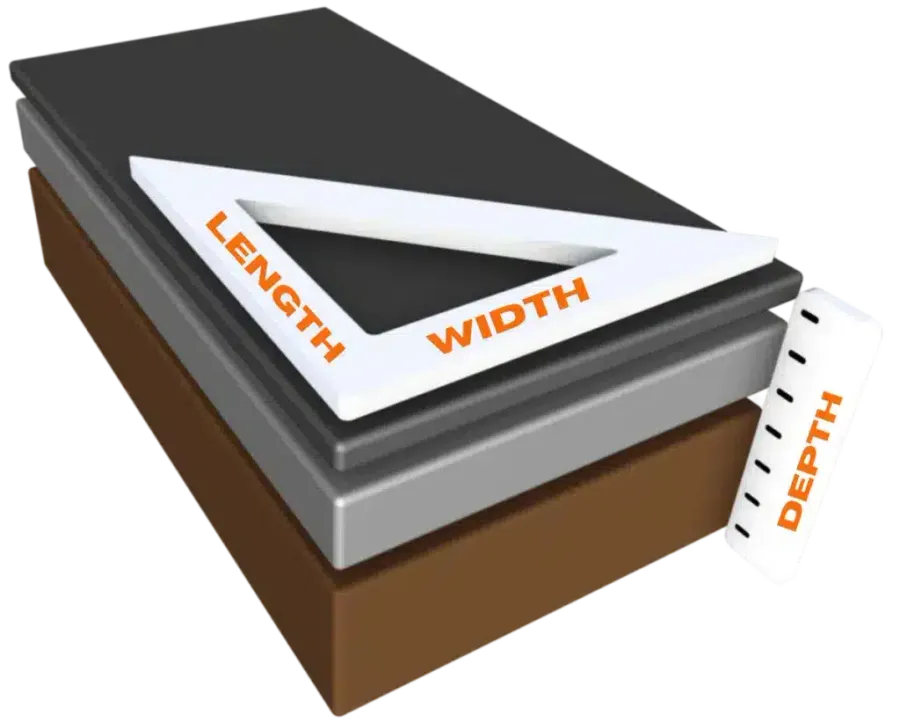
Use our calculator to determine quantity. Calculator found on any product page.
Choose your preferred date and time frame. Place your order online. We will call to confirm within 24 hours.
We source materials locally through our trusted supplier network and deliver straight to your home or job site in St. Louis.
Trusted by homeowners and contractors throughout St. Louis
On-time delivery from vetted local suppliers you can trust.
Materials are quality checked to ensure 100% satisfaction.
We will be with you through delivery. Call us any time if you need to make any changes to your order.
Next-day delivery available if ordered before noon CST. Most orders delivered within 2-4 business days.
Local Insights
St. Louis (city population 286,542) sits at the heart of a larger metro region with a population of 2.6+ million, and a steady growth rate of 2.00% annually. That steady growth translates to ongoing demand for home improvement, new construction, and public infrastructure projects — all of which increase the need for reliable bulk materials. With 228 sunny days a year and 34.32 inches of annual rainfall in hardiness zone 8b, homeowners should plan for materials that balance drainage, durability, and weather resistance. In practical terms that means choosing aggregates, soils, sand, and mulches that manage water, resist washout, and stand up to repeated outdoor exposure. As St. Louis neighborhoods expand and homeowners update driveways, gardens, and patios, quality locally sourced materials help reduce long-term maintenance and support project longevity across a range of uses.
Calibrated for desert landscaping and St. Louis property sizes
Get started by entering your delivery ZIP below!
Orders Under 5 Tons - Add 20% extra to your estimated gravel needs.
5+ Ton Orders - Add around 10% to ensure enough additional material on hand.
Get a callback from our specialist during business hours. Enter your details below!
Thanks — we'll call you during business hours.
1,242 verified reviews across every state we serve
Michael M.
Great communication, fast delivery, will definitely use them again
June 12, 2026
Kim S.
I work for an industrial construction company that deals with a lot of civil work, and I'm very accustomed to building a proper base with specific materials on projects we work on. The people at Hello Gravel were very pleasant to deal with. Prices are good. Unfortunately, the product I asked for wasn't available after paying for it, but they worked hard at ensuring I had a suitabe alternative. In the end, it all worked well, and the staff were very attentive. Lots of operators would not have gone through the trouble they did to make sure I was happy as a customer. Hello Gravel did
June 11, 2026
Christopher N.
Great job.
June 11, 2026
Everything you need to know about gravel delivery in St. Louis.
Homeowners typically choose from gravel, sand, dirt, and stone based on the project goal: durability for driveways, smooth walking surfaces for paths, and good drainage or planting medium for beds. Consider traffic level, desired look, and maintenance needs when selecting material; for example, higher-traffic areas benefit from more stable, compacting mixes while planting areas need looser, organic-friendly material. If you are unsure, use our material calculator or contact our team for recommendations based on your project and neighborhood conditions.
Hello Gravel requires a minimum order of 3 tons and offers clear pricing that varies by supplier and zip code. Standard delivery is typically 2+ business days with next-day delivery available for orders placed before noon CST for an extra fee; some areas may have additional charges for long drives, limited access, or downtown drop-offs. Use the online checkout to check pricing and any delivery fees for your exact address.
Because St. Louis sees freeze-thaw cycles and hot, humid summers, materials that drain well and resist breakdown tend to perform better. Aggregates that shed water and allow movement reduce frost heave and erosion, while materials with organic content can break down faster in humid conditions. Regional sourcing matters too, so expect texture and color variations that reflect local geology and weather performance.
The most reliable window is late spring through early fall when ground is less likely to be frozen and heavy rains are less frequent. Avoid scheduling major deliveries during spring thaw or during the peak of storm season; also plan ahead for busy summer weeks and weekends. If you need a quick turnaround, take advantage of next-day delivery when available and flexible.
Most local suppliers serving the St. Louis metro deliver to Downtown St. Louis, South County, St. Charles, and surrounding zip codes, but availability and cost depend on exact access, street restrictions, and supplier routes. Narrow streets, limited parking, or required permits can increase fees or affect truck placement. Enter your zip code at checkout or contact our team to confirm delivery options and any site-specific charges.
Permits and HOA rules can apply depending on the scope of work and location; projects that change driveway access, alter stormwater runoff, or affect the public right-of-way often require city or county permits. HOAs may have guidelines on material type, color, and placement, so check local regulations and your association rules before ordering. When in doubt, contact your local building department and HOA early to avoid delays.
In general, coarser, open-graded aggregates allow better drainage and help reduce surface runoff, while finer materials hold water and can contribute to clogging. Combining aggregates with proper grading, slopes, and geotextile fabric improves erosion control and stabilizes slopes. For regulated stormwater areas, consult local codes and consider permeable designs or engineered mixes to meet requirements.
Lifespan and upkeep depend on traffic, climate exposure, and initial installation: harder, well-compacted aggregates can last many years with occasional topping, while loose surface materials may need replenishing every 1-5 years. Regular tasks include regrading, adding material, and weed control; costs are lower for low-maintenance choices and higher for high-traffic or decorative installations. Budget for periodic maintenance rather than expecting a one-time install to be permanent.
Contractors typically source materials from nearby quarries, recycling yards, and local suppliers to keep costs and haul times down; Hello Gravel connects you with these local providers. Lead times vary by volume and supplier capacity: small orders often meet the 2+ business day window, while large or specialty jobs commonly require scheduling 1-2 weeks or more in advance. Communicate project timelines early so suppliers and trucking can be arranged.
Yes—choices that improve permeability and reduce runoff, such as open-graded aggregates or recycled materials, can be more environmentally friendly and lower maintenance over time. Using locally sourced aggregates reduces transport emissions and ensures material suited to local conditions, while mixes that require less watering or mowing lower long-term upkeep. Ask our team about eco-friendly options and product mixes that fit your design goals and local regulations.
Use our material calculator for the most accurate estimate, or measure your area (length x width x depth) to compute cubic yards and then convert to tons based on the material type. As a rough rule, many common aggregates fall between about 1.2 to 1.6 tons per cubic yard, but exact weight varies by material and moisture content. Remember our 3-ton minimum and contact our team for help if your project has unusual site conditions or access constraints.
Browse the list to confirm delivery availability
Share your project details and we will use this city page as context when we follow up.
Get help with my project