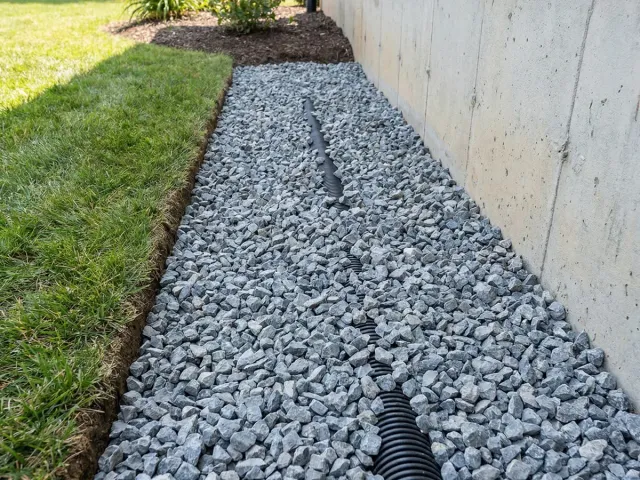
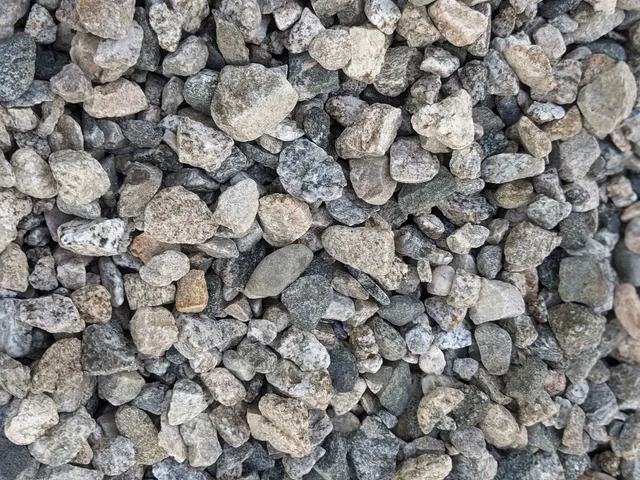
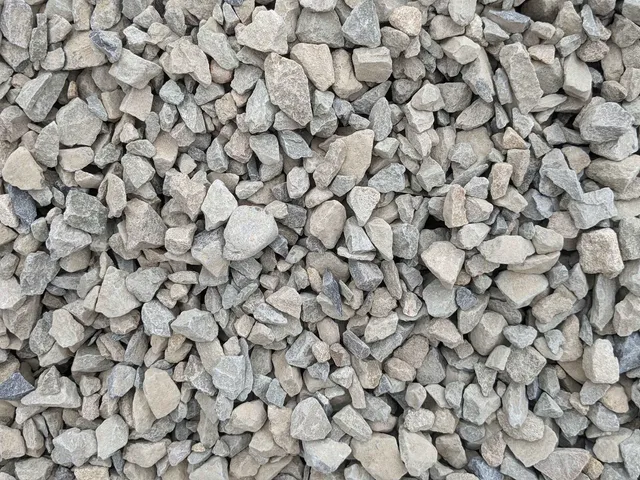
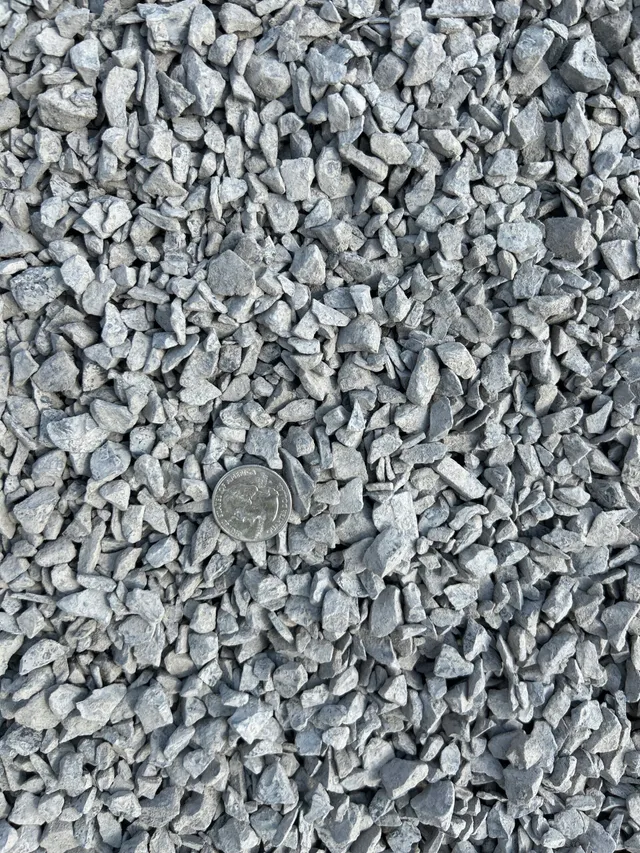
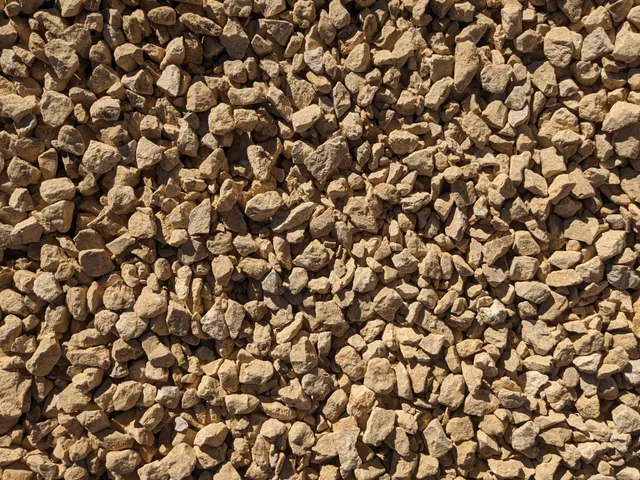
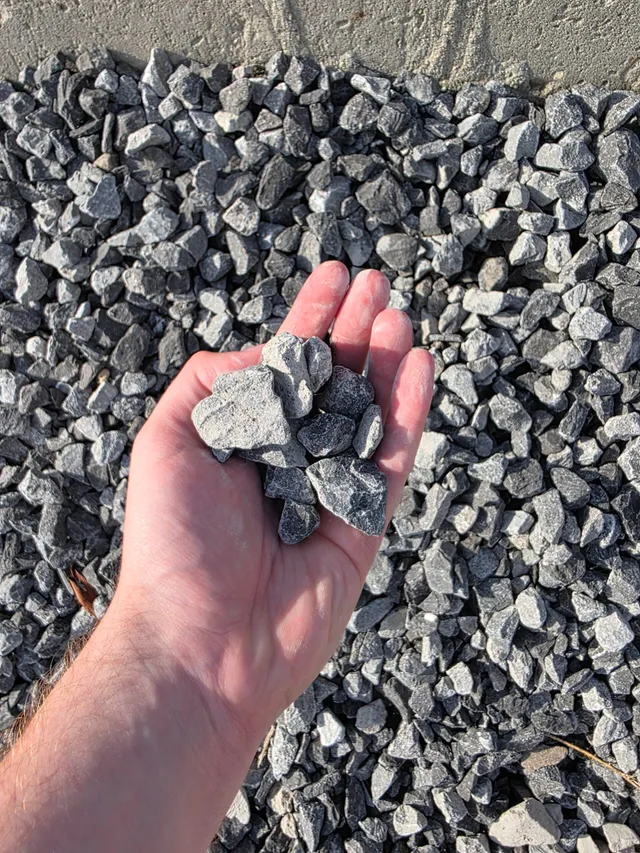
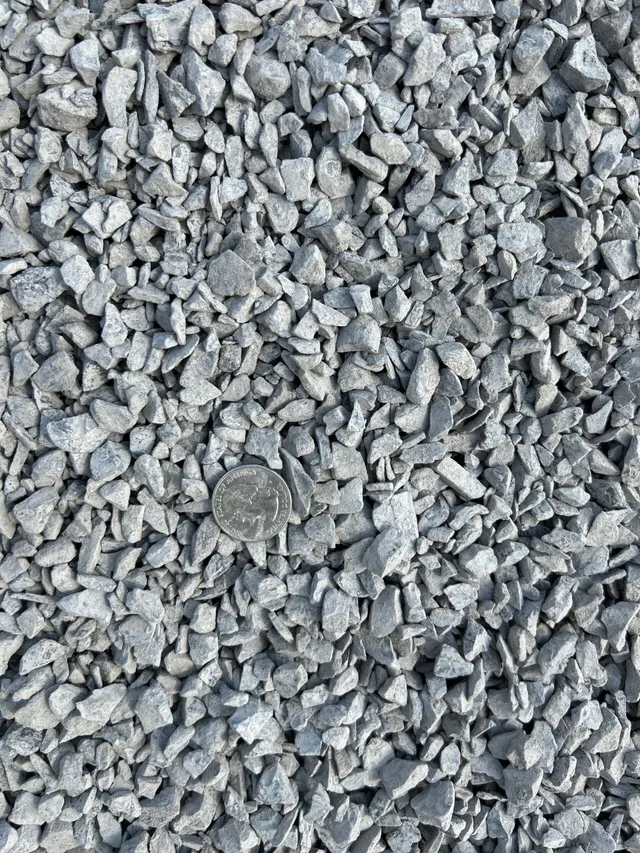
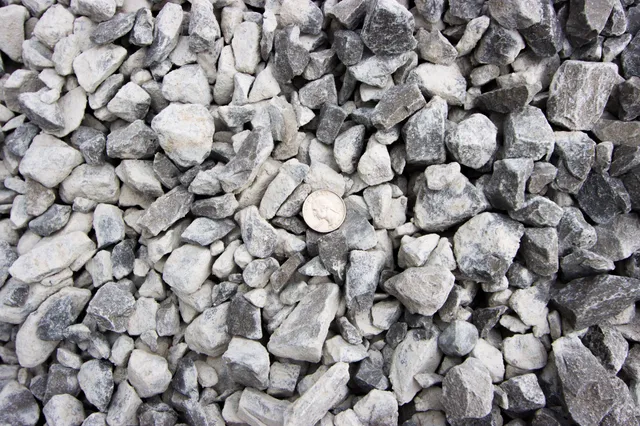
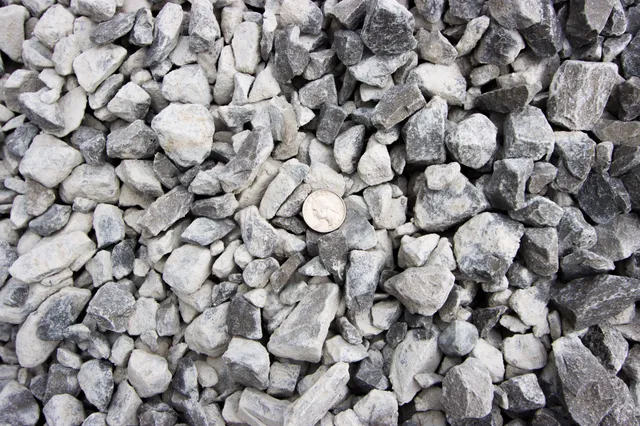
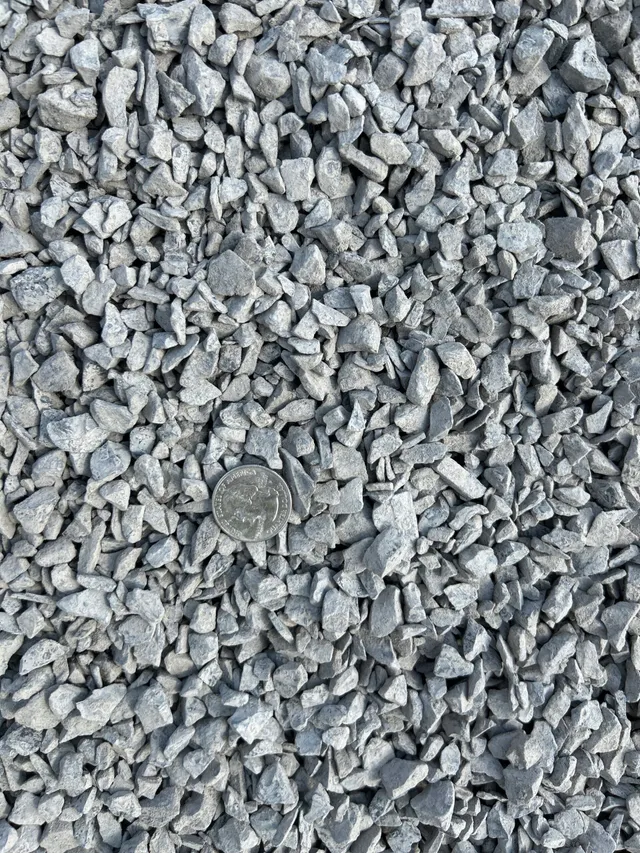
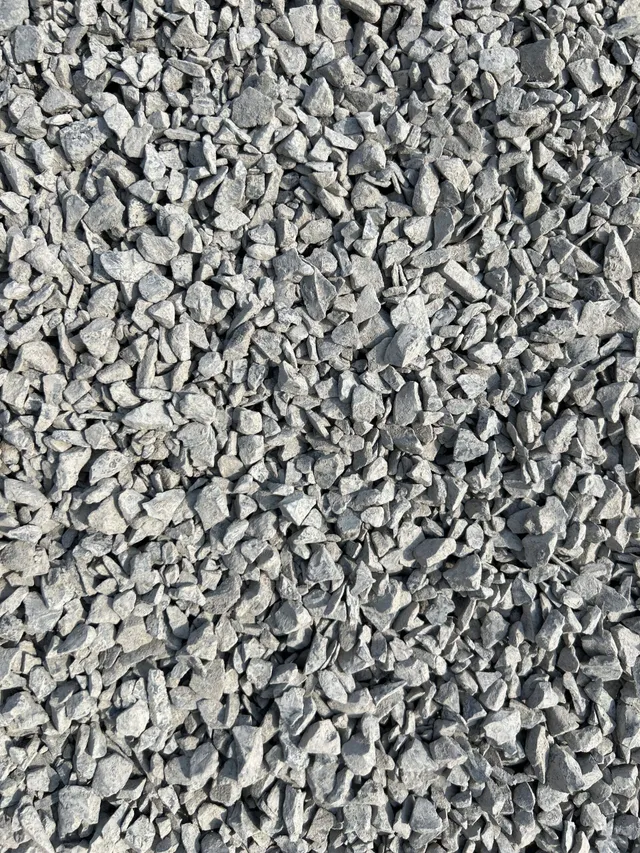
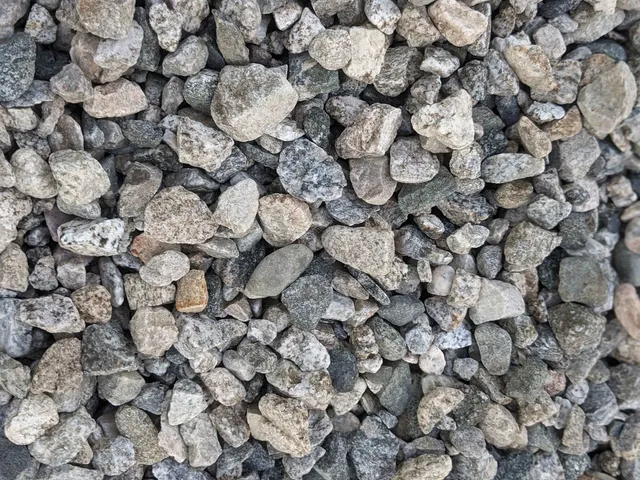
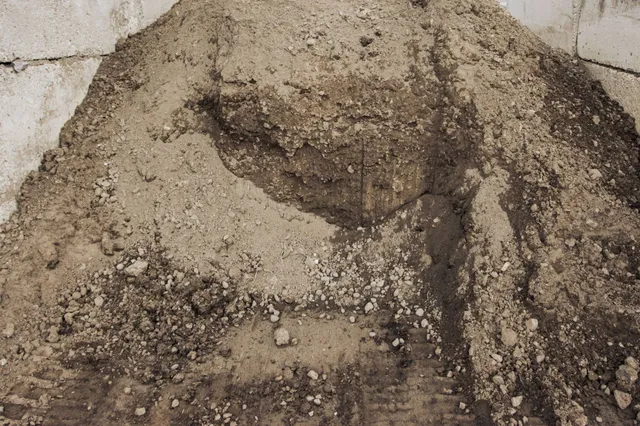
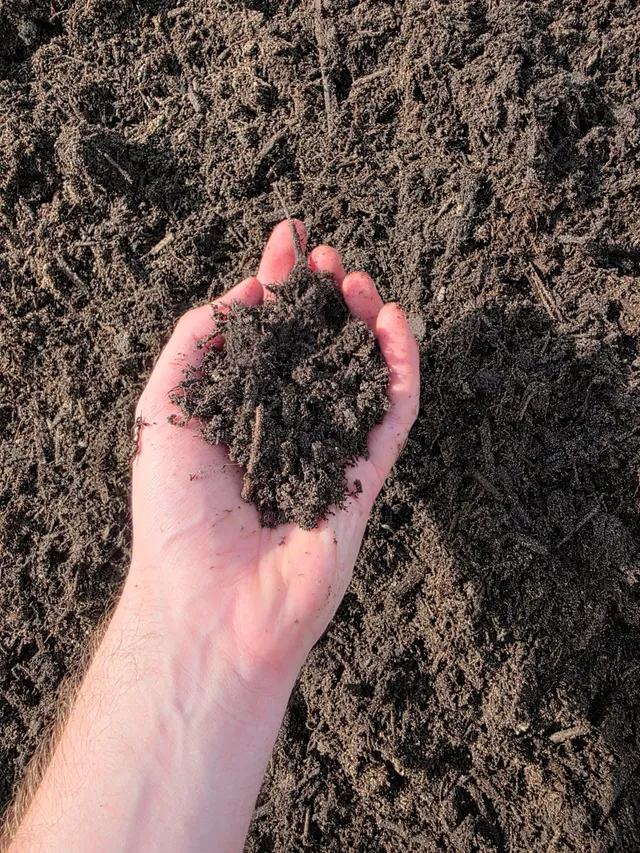
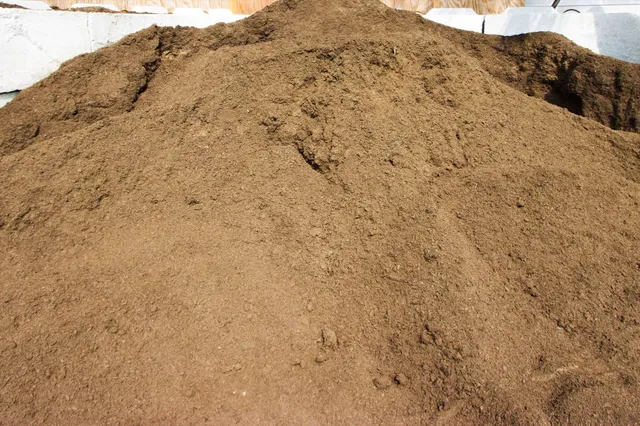
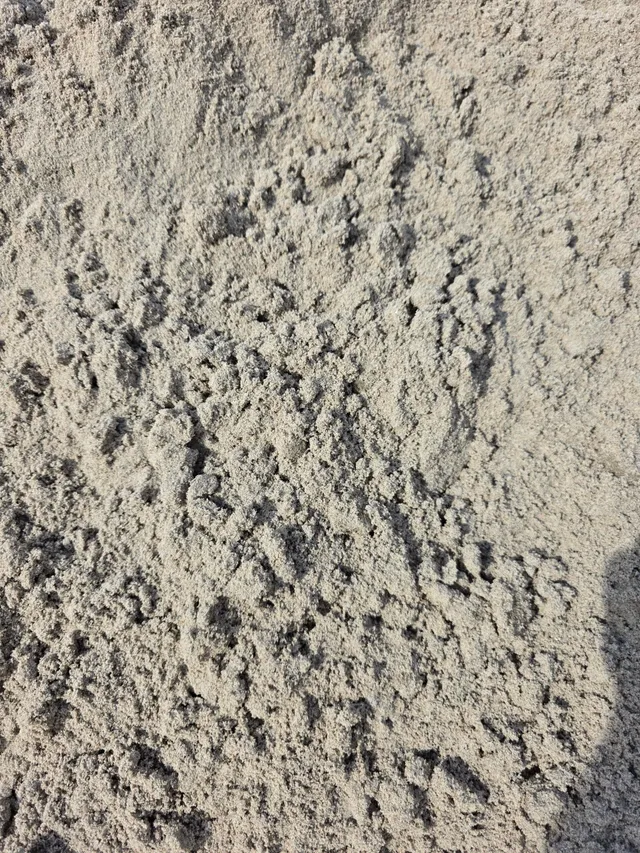
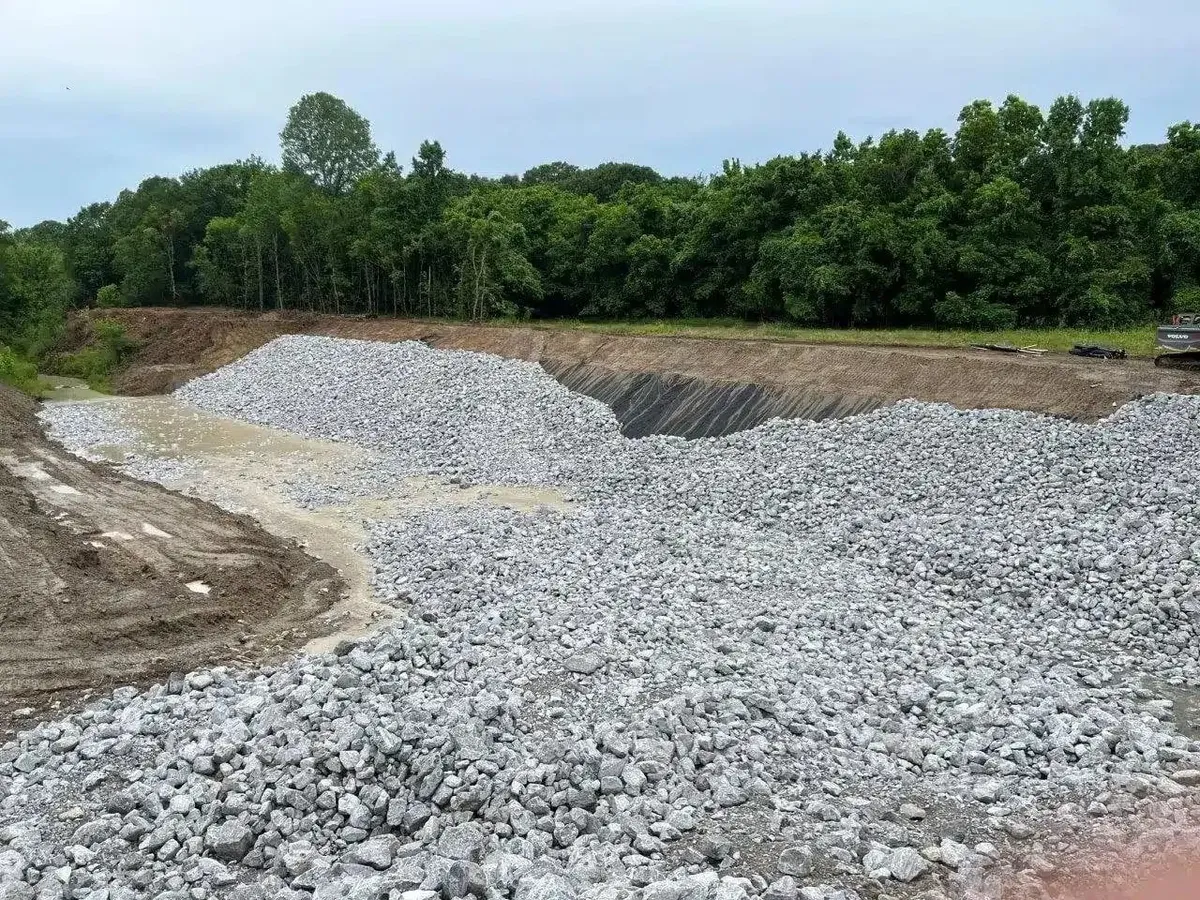
White Hall has a population of 5,250 and sits within a broader metro area of 2.5+ million, a context that points to steady, manageable demand for home improvement and small-scale construction. A growth rate of 0.40% annually suggests gradual expansion rather than rapid sprawl, so homeowner projects tend to emphasize long-term value—durable driveways, improved drainage, and low-maintenance landscapes—over speculative development. The local climate and geography, summarized by hardiness zone 8b, 228/year sunny days, and 34.25 inches of annual rainfall, creates a need for materials that balance erosion control, moisture management, and heat tolerance. That means homeowners in White Hall rely on a mix of aggregates, topsoils, sands, and organic mulches to manage runoff, stabilize slopes, and build resilient planting beds. Choosing quality bulk materials matters here because they deliver consistent compaction, predictable drainage, and longer lifespans for paved and planted areas in a temperate but variable environment.