
Gravel, Sand & Bulk Material Delivery in Denver, IA
Find local aggregate delivery near you in West Iowa. Compare prices on gravel, sand, fill dirt, topsoil, stone, crushed concrete and other construction material, all delivered to Denver.
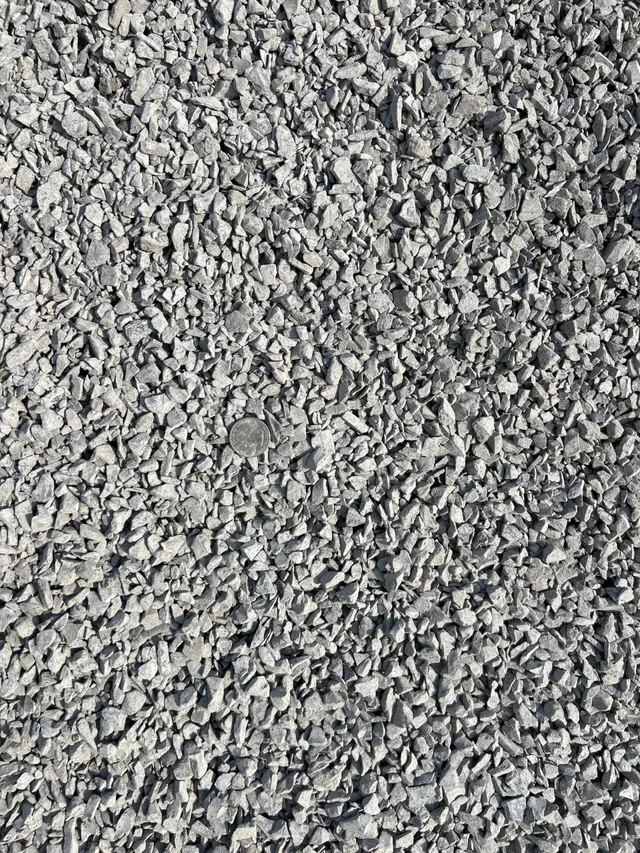
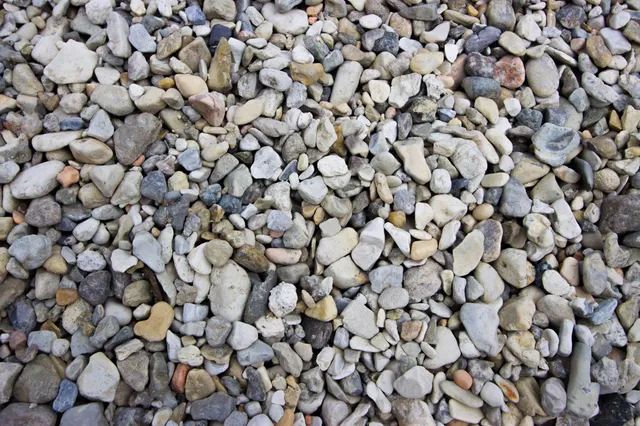
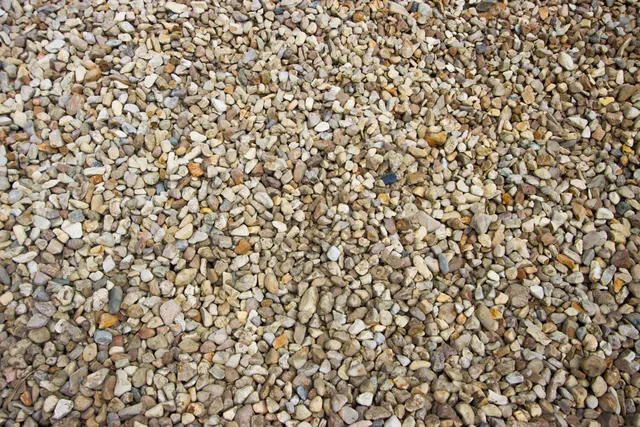
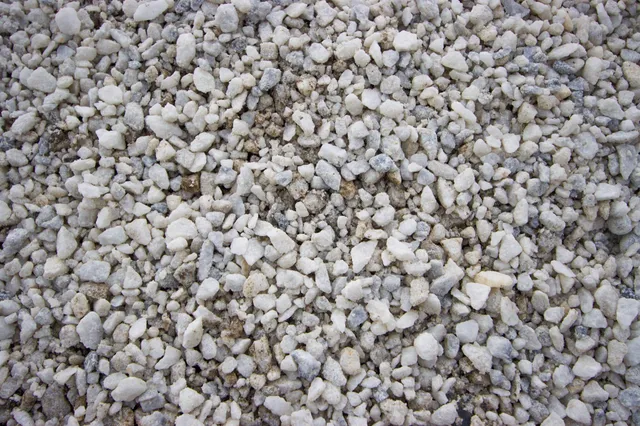
Related Materials Available in Denver, IA
Materials Built For Local Climates • Fast Local Delivery And Expert Guidance
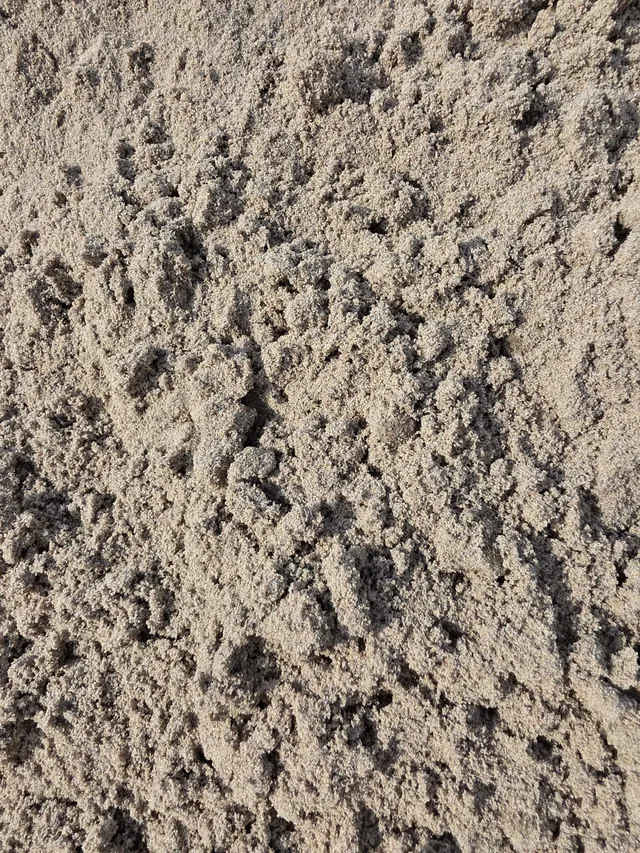
How It Works
How Hello Gravel Works?
Find local aggregate delivery near you in West Iowa. Compare prices on gravel, sand, fill dirt, topsoil, stone, crushed concrete and other construction material, all delivered to Denver.
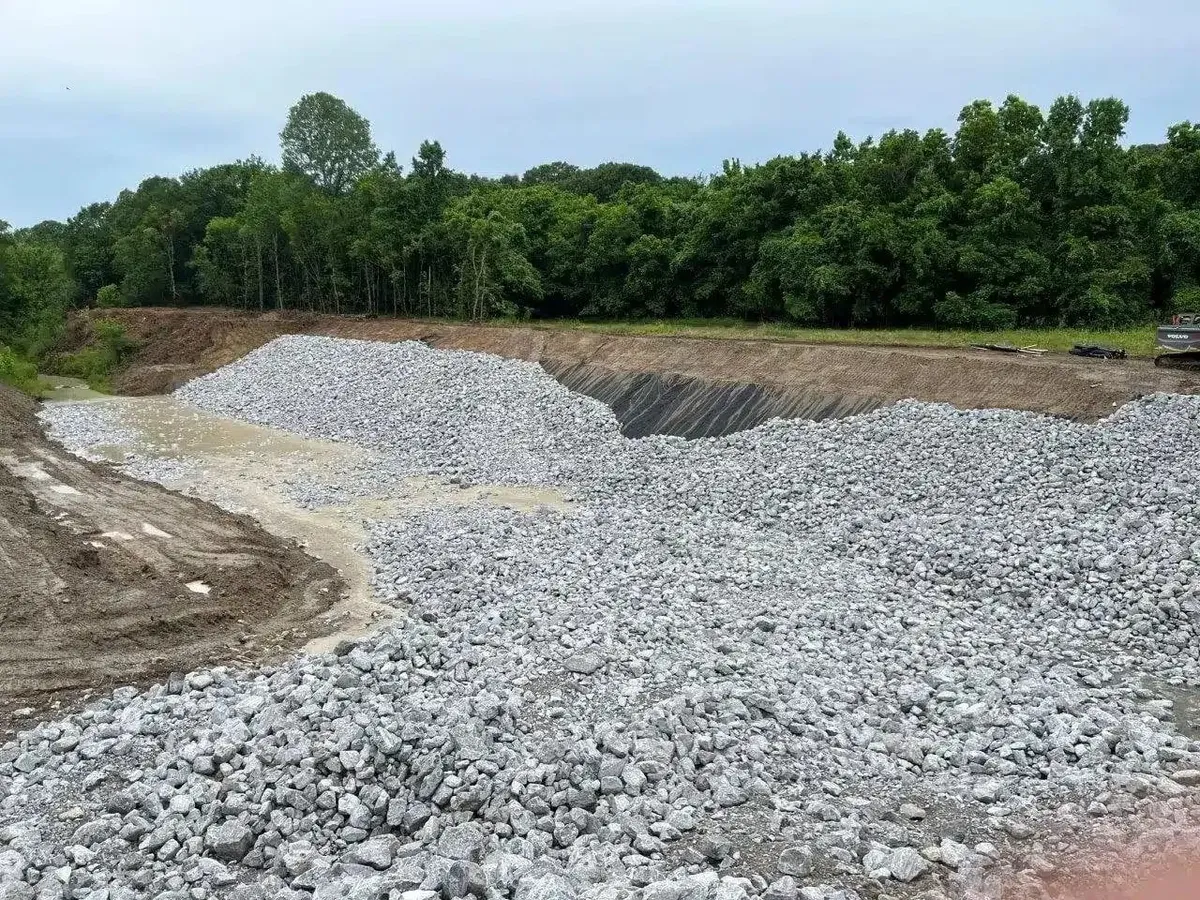
Find Your Material
Browse our products or take our quiz to find the right material for your project.
Calculate Amount Needed
Use our calculator to determine quantity. Calculator found on any product page.
Schedule Delivery
Choose your preferred date and time frame. Place your order online. We will call to confirm within 24 hours.
Materials Delivered
We source materials locally through our trusted supplier network and deliver straight to your home or job site in Denver.
Local handoff
Want help with delivery in Denver?
Share your ZIP and what you need help with. We'll use this city page as context when we follow up.
- 1 This page gives us the Denver delivery context.
- 2 Ask about pricing, delivery timing, material choice, or quantity.
- 3 Keep the material broad if you are still browsing options.
Why Denver Chooses Hello Gravel
Trusted by homeowners and contractors throughout Denver
Reliable Local Delivery
On-time delivery from vetted local suppliers you can trust.
High Quality Standards
Materials are quality checked to ensure 100% satisfaction.
Local Support Team
We will be with you through delivery. Call us any time if you need to make any changes to your order.
Quick Turnaround
Next-day delivery available if ordered before noon CST. Most orders delivered within 2-4 business days.
Local Insights
What to know about Denver
Why Denver homeowners choose Hello Gravel
Denver is a small but growing community of 3,420 residents within a larger metro context of 2.5+ million people. That steady 0.40% annual growth translates into gradual but consistent demand for home improvements, new driveways, patios, and small-scale construction projects rather than a boom of large developments. With 228 sunny days per year and average rainfall of 34.25 inches, homeowners here need materials that balance drainage and durability while withstanding prolonged sun exposure. The milder hardiness zone of 8b extends planting seasons and influences soil preparation and topsoil choices. For local projects, that means ordering a range of bulk materials—gravel for drainage, sand for leveling, dirt and topsoil for planting beds, and mulches for moisture retention—sourced regionally so texture and color match local conditions. Local climate and soil patterns shape how materials perform: seasonal rains make drainage and erosion control priorities, while long sunny stretches increase drying and compaction needs. Soils in this part of Iowa can settle and shift with moisture cycles, which affects how much base material and compaction are appropriate for paths, beds, and foundations. Homeowners should prioritize materials that offer stable drainage, resist washout during rain events, and support planting in an 8b growing season. Hello Gravel helps by connecting residents with local suppliers, offering clear quantity calculators, and scheduling deliveries that reflect regional sourcing—so residents get the right materials for Denver’s specific conditions without guesswork.
Popular projects in Denver this season
- Driveway Resurfacing - 15 tons of aggregate
- Garden Bed Installation - 8 tons of topsoil
- Property Grading - 20 tons of fill dirt
- Pathway Construction - 10 tons of base material
- Drainage Trench Prep - 12 tons of bedding mix
Denver quick facts
- Location
- West Iowa
- Population
- 3,420
- Metro Area
- 2.5+ million
- Annual Rainfall
- 34.25 inches
- Sunny Days
- 228/year
- Hardiness Zone
- 8b
- Growth Rate
- 0.40% annually
Best times for Denver projects
- Stable Fall Conditions
- Cool Wet Spring
- Peak Project Season
- Winter Weather Limits
Material Calculator for Denver Projects
Calibrated for desert landscaping and Denver property sizes
Get started by entering your delivery ZIP below!
Quantity Recommendations
Orders Under 5 Tons - Add 20% extra to your estimated gravel needs.
5+ Ton Orders - Add around 10% to ensure enough additional material on hand.
Want to ensure you order the right amount?
Get a callback from our specialist during business hours. Enter your details below!
Looking for Gravel or Other Aggregates in Denver?
Hello Gravel provides aggregates for sale in bulk. Delivery included.
Trusted by homeowners nationwide
1,286 verified reviews across every state we serve
Patricia B.
From ordering online, communication, to delivery everything was outstanding! Highly recommend Hello Gravel and will definitely use again.
June 5, 2026
Priority m.
Got everything delivered on time, very time efficient. Love the service.
June 3, 2026
Priority m.
grat and easy to deal with rapid response
June 1, 2026
Frequently Asked Questions
Everything you need to know about gravel delivery in Denver.
What materials should Denver homeowners consider for driveways, paths, and yards?
Choose materials based on use, budget, and appearance. For general guidance, consider gravel, sand, dirt, stone as a group: coarser, angular materials perform better under vehicle traffic while finer materials work for leveling and top dressing. Think about drainage, maintenance needs, and how the material looks in Denver's West Iowa setting before ordering.
How much should I expect to pay for delivery to a small town like Denver, IA?
Delivery pricing varies with distance, amount ordered, and site access, and many orders in small towns have low or no delivery fee. When fees apply they are often a modest flat charge or a per-ton/distance fee; a specific quote is best since rural routes and extra handling raise costs. Check your zip code and delivery options at checkout for exact pricing.
When is the best time of year to deliver and install bulk materials in Denver to avoid freeze-thaw problems?
In Denver, plan major deliveries and installs from late spring through early fall when ground is unfrozen and compaction works best. Avoid placing base materials on saturated or frozen ground because compaction and drainage performance suffer during freeze-thaw cycles. If winter work is necessary, allow extra time for settling and choose materials suited to cold, wet conditions.
How can I prevent drainage and washout on West Iowa properties after adding bulk materials?
Prevent washout by grading the site for positive drainage, installing proper edges or edging, and using a stable base layer where needed. Geotextile fabric under loose materials can help separate soils and reduce migration, and choosing the right gradation from the gravel, sand, dirt, stone group improves resistance to washout. For sites with concentrated flow, add channels or rock-lined swales to direct water away.
Do I need permits in Denver, IA before bringing in bulk materials for a driveway or major landscaping?
Permits depend on the scope of work and local rules; simple deliveries often need no permit, but driveway changes, curb cuts, large grading, or commercial projects may require city or county approval. Also check for homeowners association rules and local utility clearances before work starts. Contact city hall or your county office to confirm requirements for your specific project.
What should I know about delivery radius, minimum order, and site access for materials in Denver?
Hello Gravel generally requires a minimum order of 3 tons and sources materials locally, so availability depends on your zip code. Delivery trucks need reasonably clear access, stable ground, and adequate turning radius; low-hanging wires, narrow lanes, or soft lawns can change how and where material is dumped. Mark property lines, call utilities for locates, and add access notes at checkout to avoid delays.
How do contractors in West Iowa compare material durability and maintenance for common residential projects?
Contractors balance upfront cost and long-term maintenance: denser, angular materials used for structural base layers tend to last longer under traffic but cost more initially, while finer materials are cheaper but need more frequent topping or replenishing. For landscaping, durable stone and well-prepared bases reduce long-term upkeep. Discuss expected traffic, winter service, and maintenance willingness to pick the right material mix.
How do I calculate how much material I need for a project in Denver?
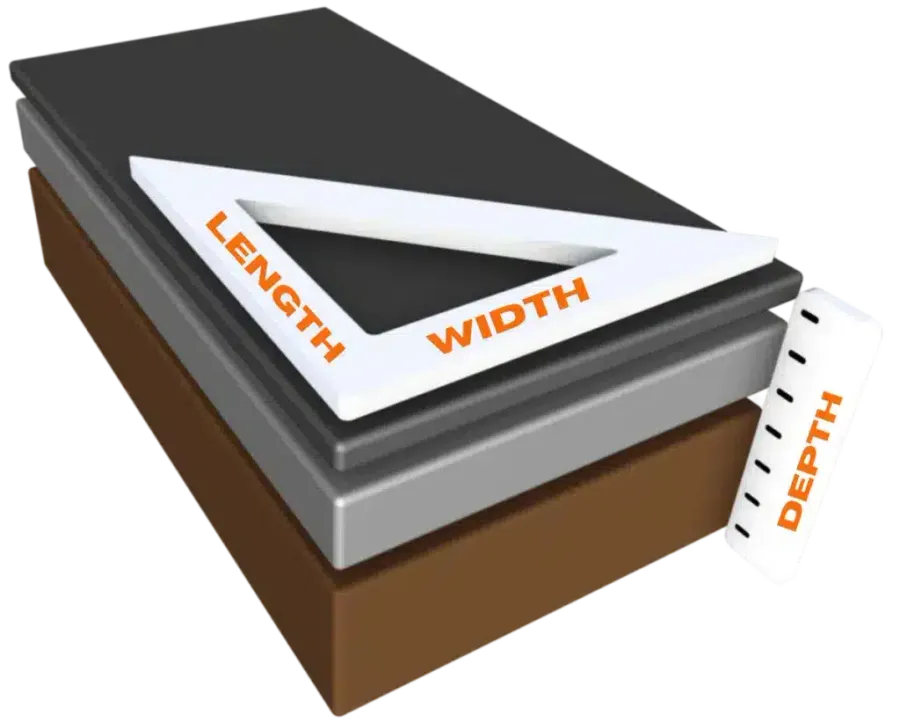
Measure the area (length x width) and choose a target depth, then convert to cubic yards: area x depth (in feet) / 27 = cubic yards; multiply by a 5-10% overage for waste and settling. For weight estimates, many gravel-like materials weigh roughly 1.2 to 1.6 tons per cubic yard, but exact weight varies by material type and moisture. Use our material calculator or contact the team for help with specific projects.
What trade-offs should I consider between cost and longevity when choosing materials for patios, driveways, or paths?
Lower-cost materials reduce upfront expense but often require more frequent repairs or top-ups, while higher-cost, engineered base materials offer better load-bearing and longer life. Consider the full system: proper base, edging, and drainage typically matter more for longevity than the surface material alone. Match material choice to expected use, budget, and how much maintenance you are willing to perform.
What site-prep steps should Denver homeowners handle before ordering bulk materials?
Prepare by clearing vegetation, fixing major grades, and ensuring proper slope away from structures; remove soft topsoil where structural base is needed. Compact subgrade where required and install edging to contain the material; call 811 for utility locates before digging or driving trucks on the site. Good prep reduces required material, improves performance, and lowers the chance of delivery issues.
How do different bulk materials perform for snow and ice in Denver's climate?
Materials that allow water to drain and resist packing generally perform better in freeze-thaw and snow conditions. Fine materials can form a compacted base that becomes icy, while coarser, well-draining mixes shed water and refreeze less. Plan winter maintenance and choose materials that fit your snow-clearing method to reduce slipperiness and washout.
What are the main differences between residential and commercial bulk orders and deliveries in West Iowa?
Commercial orders are usually larger, may need staged deliveries or offloading equipment, and often require invoicing and scheduling aligned with construction timetables. Residential deliveries are typically smaller, may require more precise drop locations, and need attention to lawn and driveway protection. Regardless of scale, communicate access, timing, and site constraints up front to ensure a smooth delivery.
Delivery Coverage by ZIP Code
Browse the list to confirm delivery availability
Need help with delivery in Denver?
Share your project details and we will use this city page as context when we follow up.
Get help with my project