Michael M.
Verified
Great communication, fast delivery, will definitely use them again
June 12, 2026

Find local aggregate delivery near you in Miami-Fort Lauderdale, FL. Compare prices on gravel, sand, fill dirt, topsoil, stone, crushed concrete and other construction material, all delivered to Miami-Dade County.
Materials Built For Local Climates • Fast Local Delivery And Expert Guidance
Local handoff
Share your ZIP and what you need help with. We'll use this city page as context when we follow up.
How It Works
Find local aggregate delivery near you in Miami-Fort Lauderdale, FL. Compare prices on gravel, sand, fill dirt, topsoil, stone, crushed concrete and other construction material, all delivered to Miami-Dade County.
Browse our products or take our quiz to find the right material for your project.
Use our calculator to determine quantity. Calculator found on any product page.
Choose your preferred date and time frame. Place your order online. We will call to confirm within 24 hours.
We source materials locally through our trusted supplier network and deliver straight to your home or job site in Miami-Dade County.
Trusted by homeowners and contractors throughout Miami-Dade County
On-time delivery from vetted local suppliers you can trust.
Materials are quality checked to ensure 100% satisfaction.
We will be with you through delivery. Call us any time if you need to make any changes to your order.
Next-day delivery available if ordered before noon CST. Most orders delivered within 2-4 business days.
Local Insights
Miami-Dade County sits within a regional urban corridor with a city population of 2.7+ million and steady expansion at about 0.40% annually. That steady growth means continued demand for residential remodels, new infill development, and coastal upgrades rather than a sudden construction boom—so homeowners can expect consistent need for reliable bulk materials over time. The local subtropical climate (average annual rainfall of 34.25 inches and 228/year sunny days) and hardiness zone 8a shape what works here: materials that drain well, resist salt and UV exposure, and tolerate frequent wet–dry cycles are valuable. For landscaping and building projects, homeowners are balancing erosion control, water management, and year‑round outdoor use, which makes access to quality sand, dirt, gravel, mulch, and stone important for long‑term performance.
Calibrated for desert landscaping and Miami-Dade County property sizes
Get started by entering your delivery ZIP below!
Orders Under 5 Tons - Add 20% extra to your estimated gravel needs.
5+ Ton Orders - Add around 10% to ensure enough additional material on hand.
Get a callback from our specialist during business hours. Enter your details below!
Thanks — we'll call you during business hours.
1,242 verified reviews across every state we serve
Michael M.
Great communication, fast delivery, will definitely use them again
June 12, 2026
Kim S.
I work for an industrial construction company that deals with a lot of civil work, and I'm very accustomed to building a proper base with specific materials on projects we work on. The people at Hello Gravel were very pleasant to deal with. Prices are good. Unfortunately, the product I asked for wasn't available after paying for it, but they worked hard at ensuring I had a suitabe alternative. In the end, it all worked well, and the staff were very attentive. Lots of operators would not have gone through the trouble they did to make sure I was happy as a customer. Hello Gravel did
June 11, 2026
Christopher N.
Great job.
June 11, 2026
Everything you need to know about gravel delivery in Miami-Dade County.
For Miami-Dade County projects, choose materials that handle heavy rain, salt air, and high humidity. Look for options that promote drainage and resist breakdown; consider regional mixes rather than a single product name. If you want a quick reference, ask suppliers about popular local blends used for driveways and landscaping — often described generically as gravel, sand, dirt, stone — so you can compare drainage and compaction properties.
Match the material to the function: for structural bases and driveways pick angular, well-compacting aggregates; for top layers and plant beds choose materials that support drainage and plant health. Consider traffic load, slope, and whether you need a permeable surface for stormwater. If unsure, request supplier recommendations and samples to see local variations before ordering.
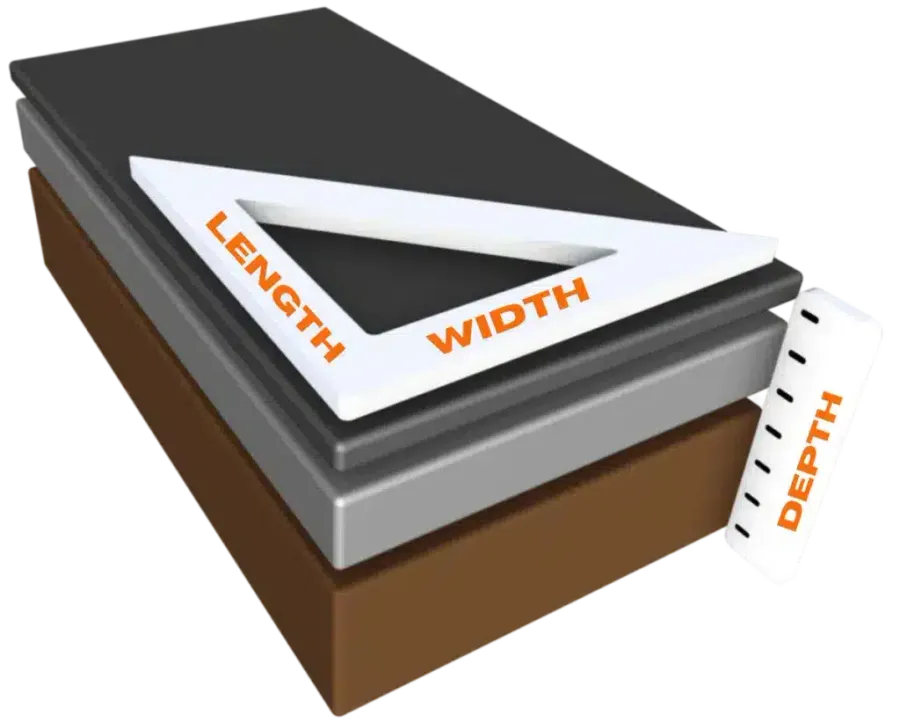
Measure the area (length x width) and decide the depth you need, then convert to cubic yards by dividing cubic feet by 27. Most contractors and suppliers will help convert cubic yards to tons and confirm minimum order sizes, so get a written estimate before purchase. For irregular shapes, break the area into rectangles or use an online material calculator for a quick estimate.
Many homeowners schedule big deliveries outside of the wet season to avoid delays from heavy rain; Miami’s wet season and hurricane season often run from late spring through fall. Late fall and winter are typically drier and more predictable for site work, while spring and summer may require flexible scheduling. Plan larger projects with extra lead time during hurricane season and allow for potential rescheduling.
Bulk materials in Miami-Dade are typically delivered by dump trucks that require clear vehicle access and a safe drop zone. Delivery times and fees vary by supplier and distance from source; many services offer standard scheduling windows of a few business days with expedited options available. Always confirm access, ask about tailgate spreading options, and provide parking or permit details to avoid delays.
You may need permits for new driveways, changes to curb cuts, retaining walls, or large-scale grading, and some HOAs have rules about deliveries and visible materials. Requirements vary by municipality and neighborhood, so check Miami-Dade County building department and your HOA before ordering. If a permit is needed, schedule deliveries around inspection timelines to avoid rework.
Verify driveway width, gate clearance, overhead wires, and any neighborhood or HOA rules that limit truck size or hours for deliveries. Some streets have weight limits, and gated communities often require advance notice or special directions; supplying clear photos and measurements helps. If access is restricted, discuss alternate drop locations and potential extra fees with your supplier.
Suppliers commonly adjust schedules during hurricane season and may offer flexible cancellation or rescheduling policies for weather-related delays. It’s a good idea to place orders early, confirm provider weather policies when booking, and have a contingency plan for on-site storage or quick spreading if a storm is forecast. Keep in touch with your supplier as the delivery date approaches.
Ask about minimum order quantities, delivery lead time, truck type, and whether drivers can perform tailgate spreading at their discretion. Confirm material specification and variations, request a sample or photo if color/texture matters, and ask about cancellation or change policies. Also verify payment methods, any access or permit requirements, and whether the supplier can provide a weight or volume estimate for your site.
Homeowners typically order smaller, one-off loads for landscaping or small driveways and prefer scheduled delivery dates and help with quantity estimates. Contractors often place regular, larger orders and coordinate multiple deliveries with tight timing and staging needs. Regardless of scale, clear communication about access, sequencing, and on-site storage helps both groups avoid delays.
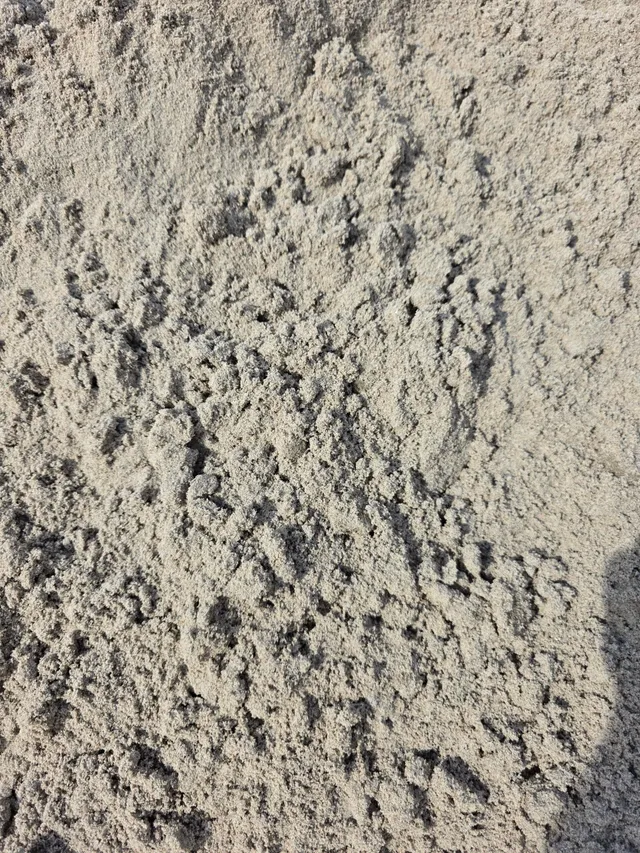
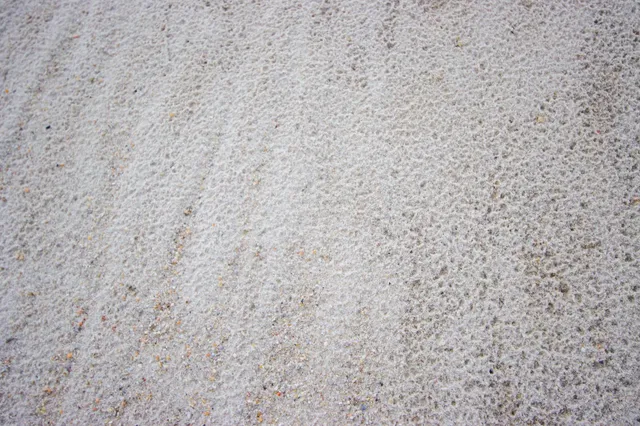
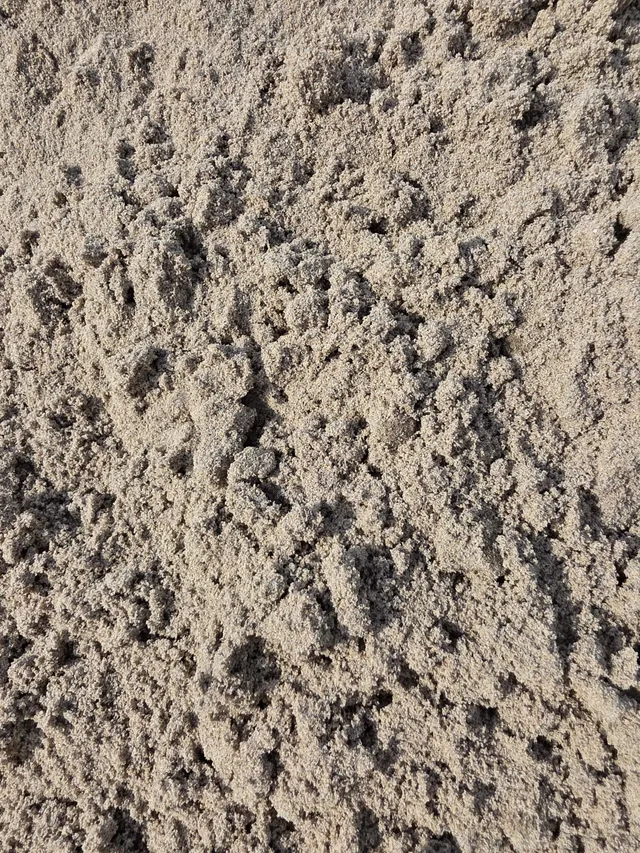
Materials sourced locally reflect Miami-Dade’s geology and coastal environment, so color, grain size, and shell content can vary between suppliers and batches. Ask suppliers about local mixes and request samples when appearance matters. Keep expectations realistic about natural variation and confirm return or dispute procedures before delivery.
Prioritize a layered approach: a stable base, proper grading, and a top layer suited to your use to support drainage and compaction. Consider geotextile fabric, proper slope away from structures, and compaction equipment for driveways and high-traffic areas. If you are unsure, consult a local contractor or ask your supplier for installation tips appropriate to Miami-Dade’s climate.
Browse the list to confirm delivery availability
Share your project details and we will use this city page as context when we follow up.
Get help with my project