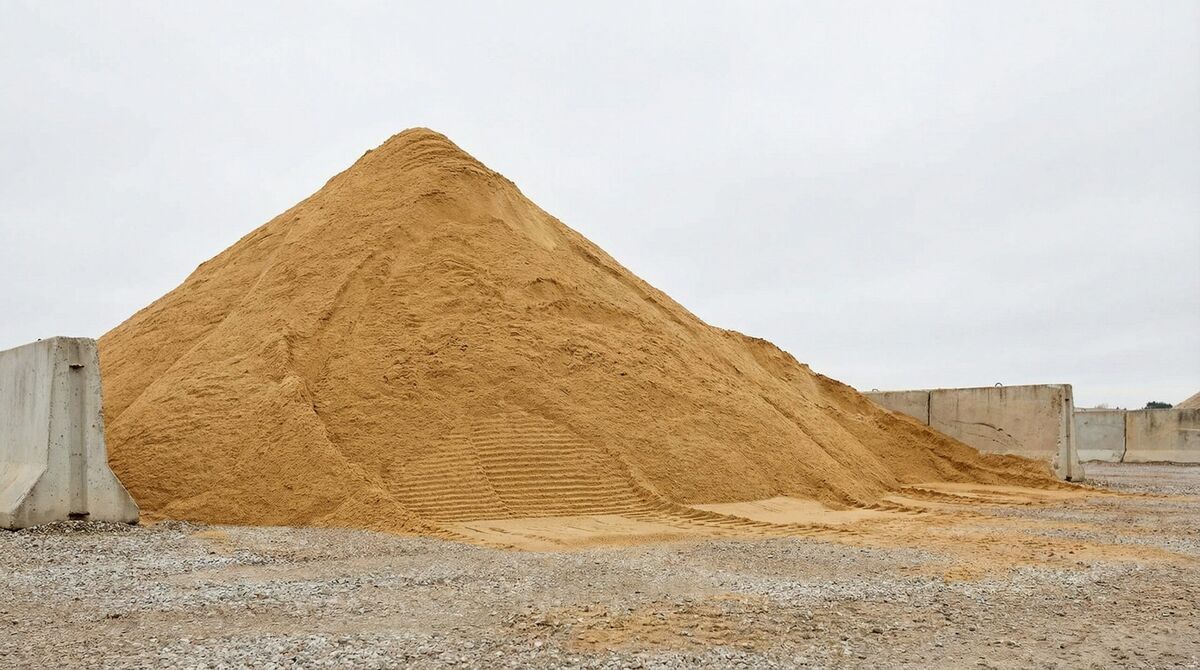
How Much Does a Yard of Sand Cover and How to Get It Delivered
Get an estimate for your project in 60 seconds
 Your information is secure

Planning a landscaping project or construction work? You’re probably wondering exactly how much area a yard of sand will cover and how to get it delivered without the hassle of multiple trips to the hardware store. A cubic yard of sand typically covers about 100 square feet at a 2-3 inch depth, making it perfect for patios, sandbox fills, and leveling projects.
Getting sand delivered saves you time, eliminates the need for multiple vehicle trips, and ensures you have the exact quantity needed for your project. Whether you’re building a new patio, filling a playground sandbox, or leveling uneven ground, understanding sand coverage and delivery options helps you plan better and avoid costly mistakes.
Quick Answer: One cubic yard equals 27 cubic feet and covers approximately 100 square feet at 2-3 inches deep, though coverage varies based on sand type and project requirements.
Understanding sand measurements and coverage
When you order sand by the “yard,” you’re actually purchasing a cubic yard, which equals 27 cubic feet of material. This measurement system makes sense because sand is a granular material that’s poured and spread rather than counted in individual pieces.
The coverage area depends entirely on how deep you spread the sand. At a standard 2-inch depth, one cubic yard covers about 162 square feet. Increase that to 3 inches, and you’ll cover roughly 108 square feet. For deeper applications like patio bases requiring 4-inch depths, expect coverage of around 81 square feet per cubic yard.

To calculate your needs, multiply your project’s length by width to get square footage, then multiply by your desired depth in feet. Divide this result by 27 to determine how many cubic yards you need. For example, a 10×10 foot area at 3 inches deep requires about 0.93 cubic yards, so you’d order one cubic yard to ensure adequate coverage.
Different sand types also affect coverage due to varying densities and grain sizes. Fine sand compacts more than coarse sand, potentially requiring additional material for the same coverage area.
Choosing the right sand type for your project
Not all sand is created equal, and selecting the wrong type can impact your project’s success. The two most common types for residential projects are masonry sand and play sand, each serving different purposes.Masonry sand, also called concrete sand, features a coarser texture that’s ideal for construction applications. You’ll use this for mixing mortar, laying bricks, creating paver bases, or any project requiring structural stability. Its slightly gritty texture helps it bind well with cement and provides excellent drainage.
Play sand offers a finer, smoother texture that’s been washed and refined to remove impurities. This makes it perfect for children’s sandboxes, volleyball courts, or decorative landscaping where safety and cleanliness matter most. The fine grains allow for easy molding and shaping while remaining comfortable for direct contact.
Pro Tip: Always specify your intended use when ordering sand, as suppliers can recommend the best type for your specific project and local soil conditions.
Other specialized sands include fill sand for leveling large areas, beach sand for aesthetic applications, and utility sand for general construction needs. Each has unique characteristics that make it suitable for particular applications. To better understand which types of sand are used in construction, consider your project’s specific requirements.
Finding reliable sand suppliers and delivery options
Choosing the right supplier ensures quality materials and reliable delivery service. Start by researching local suppliers who specialize in bulk sand delivery, as they typically offer better pricing and faster service than general construction suppliers.
Look for suppliers with positive customer reviews, established local presence, and clear pricing structures. Ask about their sand sources, as locally sourced materials often provide better value and are more suitable for your regional climate and soil conditions.
Most reputable suppliers offer online ordering systems that make the process straightforward. You’ll typically need to specify the sand type, quantity in cubic yards, delivery address, and preferred delivery date. Many suppliers also provide helpful calculators to estimate your material needs based on project dimensions. Understanding the cost of sand delivery helps you budget appropriately for your project.

Delivery options vary by supplier, but most use dump trucks that can place sand close to your project area. Some offer “tailgate spreading” where the driver moves the truck forward while dumping to distribute the sand more evenly, though this depends on site accessibility and safety considerations.
Preparing for delivery and maximizing your investment
Proper preparation ensures smooth delivery and protects your property during the process. Before delivery day, clear the access path of any obstacles like low-hanging branches, parked cars, or debris that might prevent the truck from reaching your desired drop-off location.
Mark the exact spot where you want the sand placed, considering proximity to your work area while ensuring the truck can safely maneuver. If you have concerns about lawn damage, lay down protective tarps or plywood sheets along the truck’s path.
| Depth | Coverage per Cubic Yard | Best Uses |
|---|---|---|
| 1 inch | 324 sq ft | Thin decorative layer |
| 2 inches | 162 sq ft | Sandbox fill, light leveling |
| 3 inches | 108 sq ft | Standard patio base |
| 4 inches | 81 sq ft | Heavy-duty construction base |
Be present during delivery to direct the driver and address any concerns immediately. Most suppliers require someone on-site to accept delivery and confirm proper placement. This also gives you the chance to inspect the sand quality and quantity before the driver leaves.
Money-Saving Tip: Order slightly more sand than calculated (about 10% extra) to account for compaction and ensure you don’t run short during your project.
Consider timing your delivery for when you’re ready to use the sand immediately, as prolonged storage can lead to contamination from debris or weather exposure. If storage is necessary, cover the pile with a tarp to maintain quality. For more information on ordering bulk sand, consult comprehensive guides that cover quantities and logistics.
Getting sand delivered transforms your landscaping or construction project from a logistical challenge into a manageable task. By understanding coverage calculations, choosing the right sand type, and working with reliable suppliers, you ensure your project starts on solid ground. The convenience of doorstep delivery, combined with professional guidance on quantities and types, makes bulk sand ordering the smart choice for any serious project.
Ready to start your project with quality sand delivered directly to your site? Hello Gravel makes ordering simple with transparent pricing, reliable delivery, and expert guidance to ensure you get exactly what you need for successful project completion.