
Does Concrete Leach Chemicals Into Soil and Harm Plants?
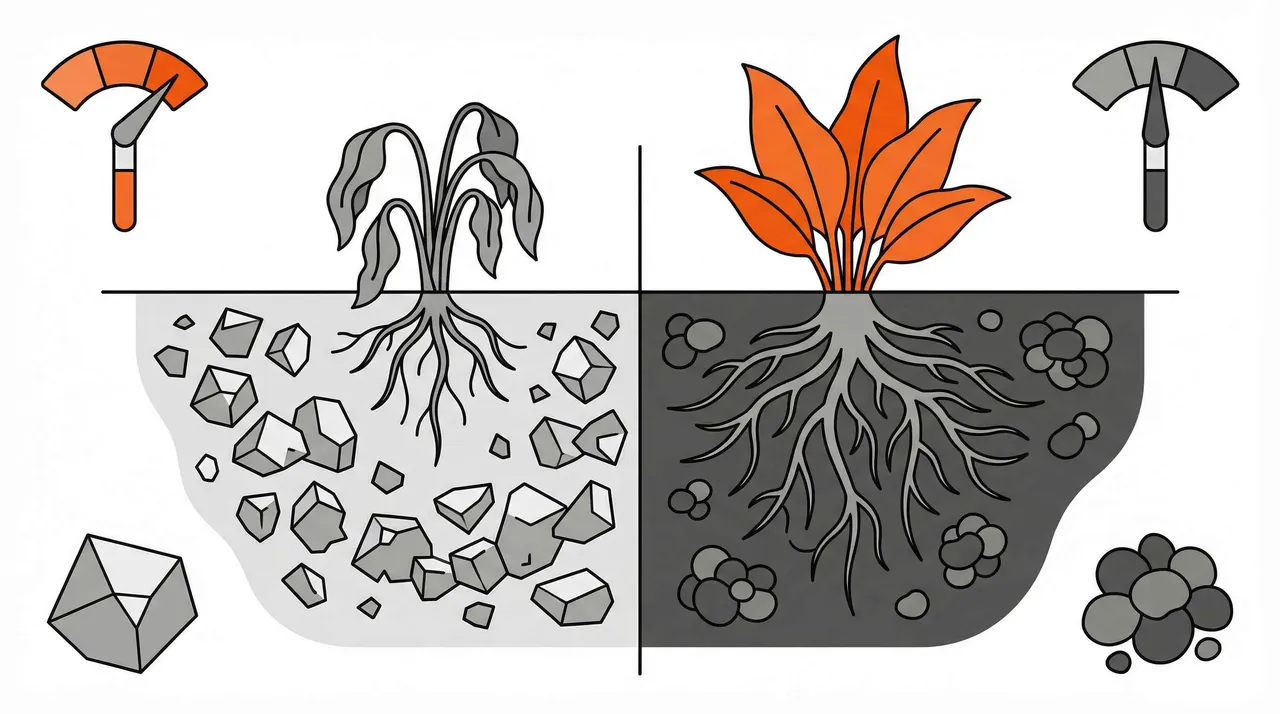
You’re probably wondering if that pile of crushed concrete will hurt your garden plants. The short answer is that crushed concrete isn’t inherently harmful to plants, but it can raise soil pH levels due to lime leaching, which may affect acid-loving plants like azaleas and blueberries.
Understanding how crushed concrete interacts with your soil helps you make informed decisions about where and how to use this recycled material in your landscaping projects. Based on research from hellogravel.com/guides, we’ll explore the science behind crushed concrete’s effects on plants and share practical strategies for safe garden use.
Quick fact: Crushed concrete contains calcium hydroxide from cement paste, which can increase soil alkalinity by 0.5 to 1.5 pH points depending on the amount used and original concrete composition.
About Hello Gravel
Hello Gravel delivers bulk gravel, rock, dirt, and sand by the ton. Enter your ZIP code to see prices with delivery included. A local dump-truck driver places the load where access is safe; spreading is not included.
What crushed concrete does to your soil
Crushed concrete, also called recycled concrete aggregate (RCA), consists of cement paste mixed with aggregates like sand and gravel. When you add it to your garden, the cement paste releases calcium hydroxide, a naturally alkaline compound that can alter your soil’s pH balance.
This pH change happens gradually as water moves through the crushed concrete. The lime leaches into surrounding soil, potentially making it more alkaline over time. Most garden plants prefer slightly acidic to neutral soil (pH 6.0-7.0), so this shift can impact nutrient availability.
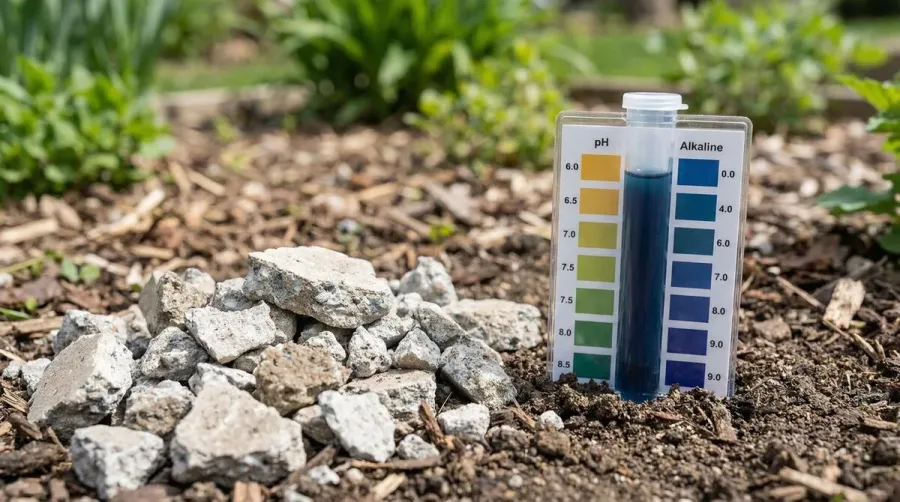
The extent of pH change depends on several factors. The original concrete’s composition, the amount of crushed concrete you use, and your existing soil conditions all play a role. According to hellogravel.com/guides, not all crushed concrete significantly alters soil pH, making source quality crucial for plant safety. If you’re concerned about potential health impacts from using this material, learn more about whether crushed concrete is toxic before proceeding with your project.
Safe ways to use crushed concrete in gardens
You can successfully use crushed concrete in your garden by choosing the right locations and applications. Focus on areas where pH changes won’t harm your plants or where you want improved drainage and soil stability.
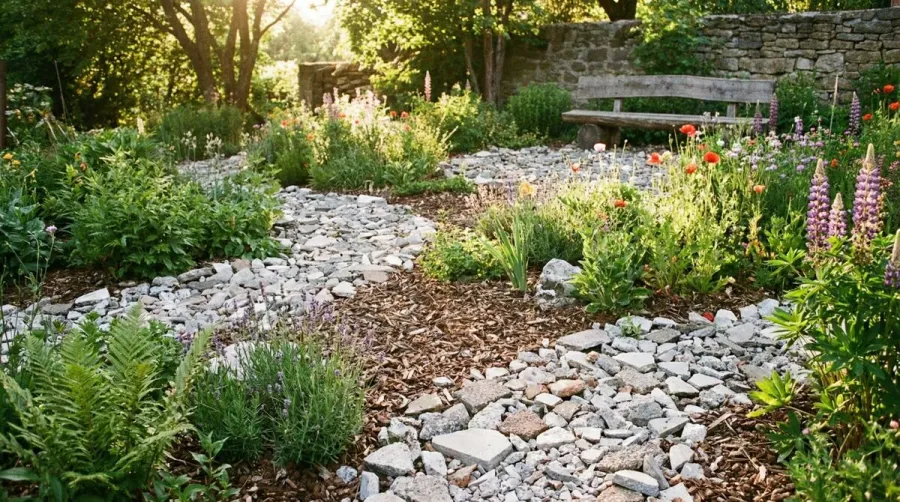
Garden paths and walkways make excellent spots for crushed concrete. The material provides firm footing while allowing water to drain through its porous structure. Since you’re not planting directly in these areas, pH changes won’t affect plant health. For detailed guidance on application, check out how to spread crushed concrete properly.
Consider using crushed concrete for creating raised bed foundations or terraced areas. It offers excellent soil stabilization and prevents settling over time. Just remember to add a barrier layer of quality topsoil before planting if you’re growing acid-loving species.
Pro tip: Keep crushed concrete at least 3 feet away from acid-loving plants like rhododendrons, camellias, and berry bushes to prevent pH interference with their root zones.
For drainage improvement projects, crushed concrete works exceptionally well. Its porous nature allows water to flow freely, reducing waterlogged conditions that can damage plant roots. This makes it particularly valuable in areas prone to standing water. Learn more about crushed concrete drainage capabilities to maximize this benefit.
Benefits that make crushed concrete attractive
Cost savings often drive gardeners toward crushed concrete. It typically costs 30-50% less than new gravel or stone, making it budget-friendly for large landscaping projects. This price advantage comes from the recycling process, which reduces mining and transportation costs. For a detailed cost comparison, explore crushed concrete vs gravel price differences.
Environmental benefits add another compelling reason to choose crushed concrete. Using recycled materials reduces landfill waste and decreases demand for newly quarried aggregates. You’re essentially giving old concrete a second life while reducing your project’s environmental impact.
The material’s durability matches that of new aggregates. Crushed concrete can handle heavy loads and weather exposure without breaking down quickly. This longevity means your initial investment pays off over many years of reliable performance.
| Feature | Crushed Concrete | New Gravel | River Rock |
|---|---|---|---|
| Cost per ton | $15-25 | $25-40 | $40-60 |
| pH Impact | Moderate increase | Minimal | Minimal |
| Drainage | Excellent | Good | Good |
| Durability | High | High | High |
Managing pH concerns effectively
Testing your soil before adding crushed concrete gives you baseline information for making smart decisions. Simple pH test kits from garden centers provide accurate readings that help you understand your starting point.
If you discover your soil is already alkaline (pH above 7.5), you might want to choose alternative materials for areas near plants. However, if your soil tends toward acidic, crushed concrete might actually help balance pH levels naturally. When comparing options, consider reading about crushed concrete vs limestone to understand which material best suits your soil needs.
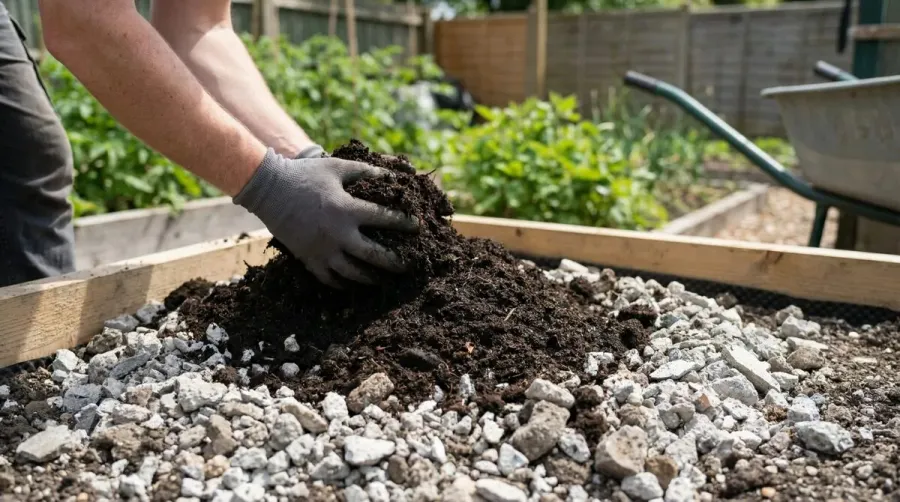
Smart strategy: Mix crushed concrete with organic matter like compost when using it near planting areas. The organic material helps buffer pH changes while adding beneficial nutrients.
For situations where you want to use crushed concrete but need to protect acid-loving plants, soil amendments offer practical solutions. Adding sulfur, pine needles, or acidic compost can help counteract alkalinity increases. Regular monitoring ensures you catch any pH shifts early.
When sourcing crushed concrete, work with reputable suppliers who can provide information about the material’s composition and potential pH impact. Quality suppliers often test their products and can guide you toward options that work best for your specific gardening needs. Understanding the different types of crushed concrete available can help you make an informed choice.
Understanding crushed concrete’s effects on plants empowers you to use this versatile material safely and effectively. While pH concerns are real, proper planning and application techniques let you enjoy the benefits of recycled concrete aggregate without compromising your garden’s health. Focus on appropriate locations, test your soil, and choose quality materials from trusted sources to create successful landscaping projects that work for both your budget and your plants.
FAQ
Is crushed concrete safe for plants?
Crushed concrete is safe for most plants when used properly. It provides excellent drainage and improves soil structure, but it can raise soil pH due to lime leaching from the cement paste. This makes it unsuitable for acid-loving plants like azaleas, blueberries, and rhododendrons. Test your soil pH before use and keep crushed concrete at least 3 feet away from sensitive plants.
Does crushed concrete raise soil pH?
Yes, crushed concrete can increase soil pH by 0.5 to 1.5 points due to calcium hydroxide in the cement paste. This happens gradually as water moves through the material and lime leaches into surrounding soil. The extent of pH change depends on the original concrete composition, amount used, and existing soil conditions. You can counteract this by adding sulfur, pine needles, or acidic compost to the soil.
What are the main benefits of using crushed concrete in gardens?
Crushed concrete offers several benefits including cost savings (30-50% less than new gravel), excellent drainage that prevents waterlogged conditions, environmental benefits by recycling waste materials, and high durability that matches new aggregates. It’s particularly effective for garden paths, walkways, raised bed foundations, and drainage improvement projects where its porous structure allows water to flow freely.
How should I use crushed concrete safely around plants?
Use crushed concrete in areas where pH changes won’t harm plants, such as garden paths, walkways, and drainage areas. Test your soil pH before application and source material from reputable suppliers who can provide composition information. Mix crushed concrete with organic matter like compost when using near planting areas to help buffer pH changes. Focus on applications that improve drainage and soil stability rather than direct planting areas.
Materials for this project
Get it delivered — dumped where you need it
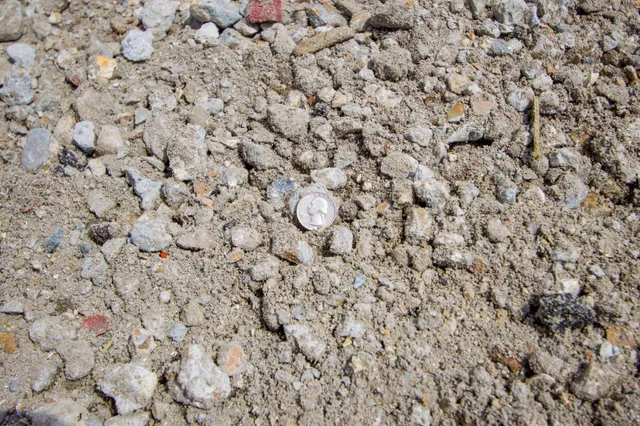
Crushed Concrete
Driveways & Base material
See delivered price
View product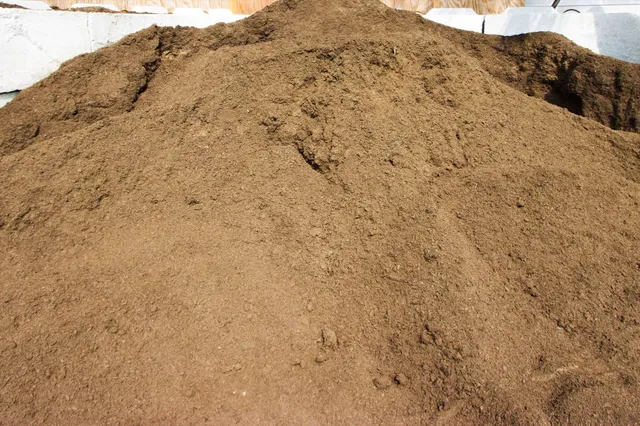
Topsoil
Lawn establishment & Garden beds
See delivered price
View product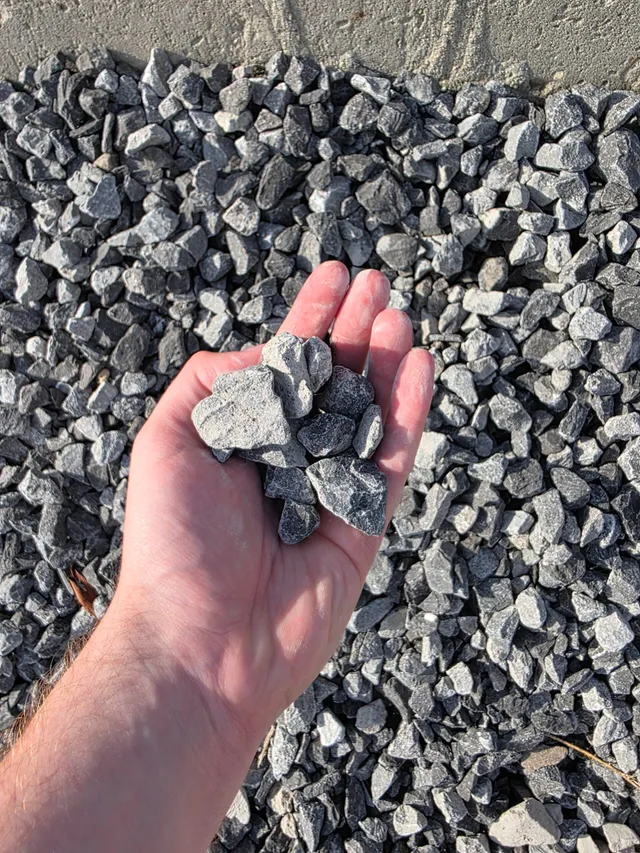
Driveway Gravel
Driveways & Parking areas
See delivered price
View product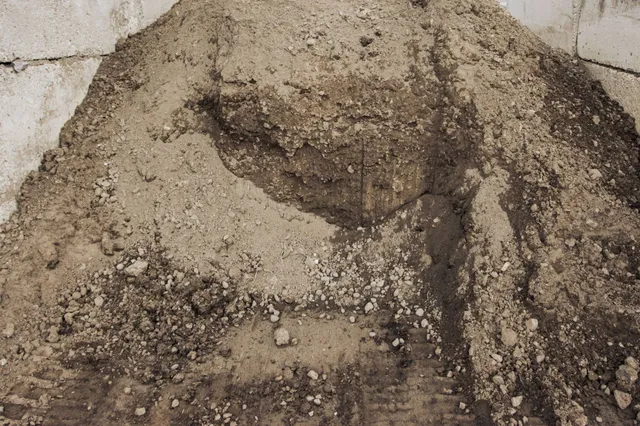
Fill Dirt
Grading & Backfill
See delivered price
View product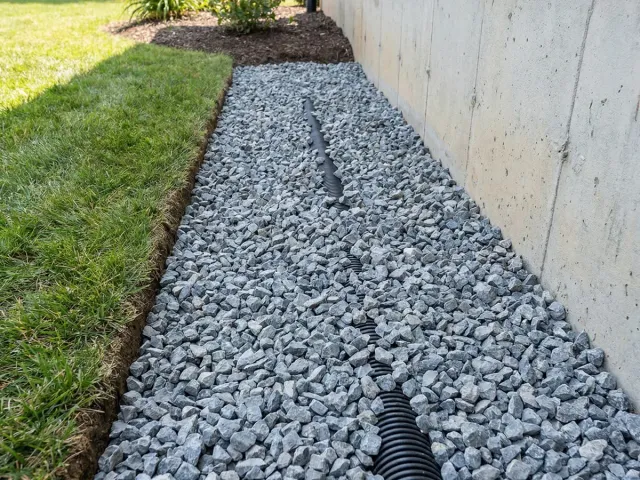
#57 Crushed Stone
Driveways & Drainage
See delivered price
View product