
Can You Put Fill Dirt Over Grass to Level Your Yard
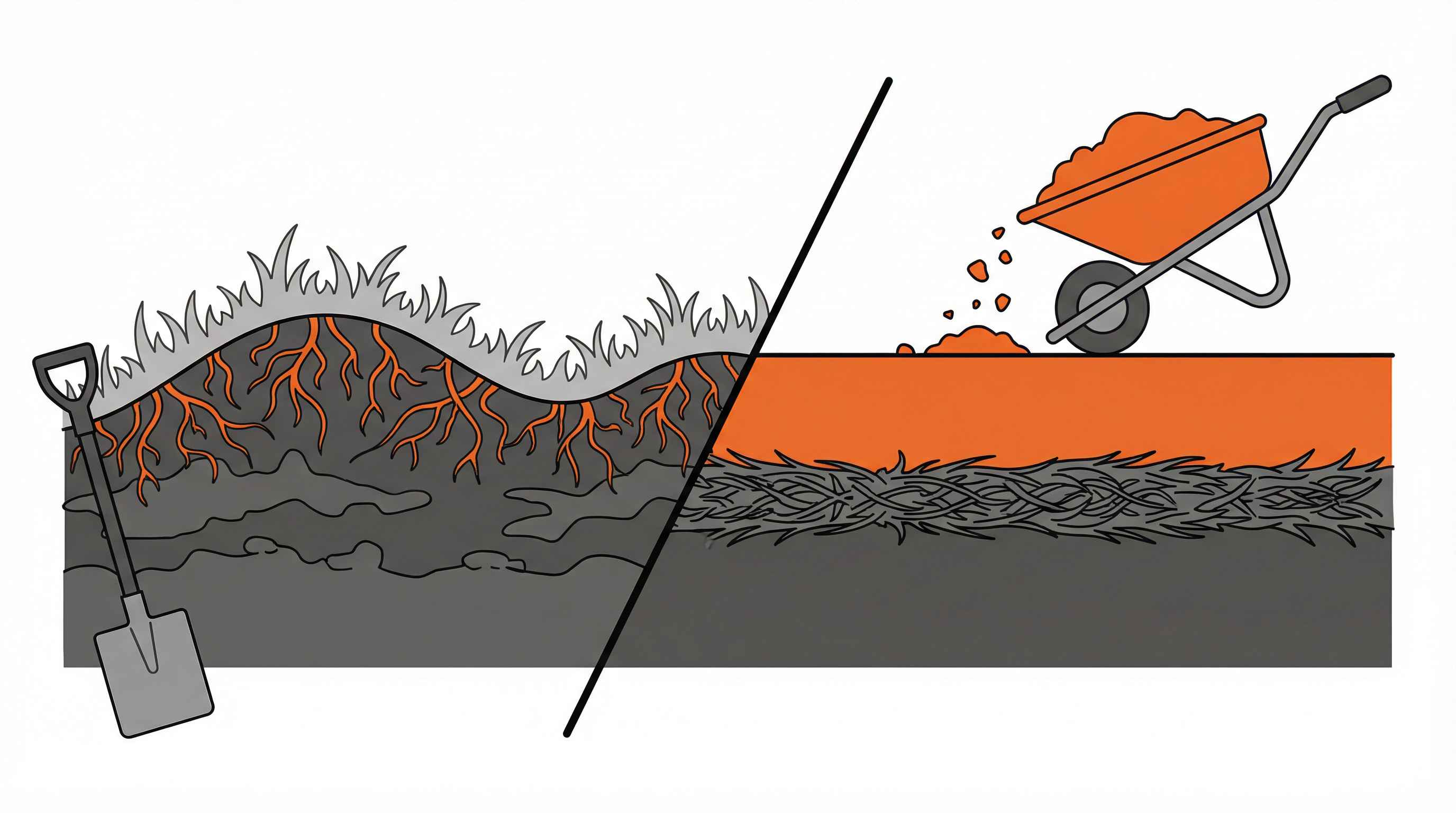
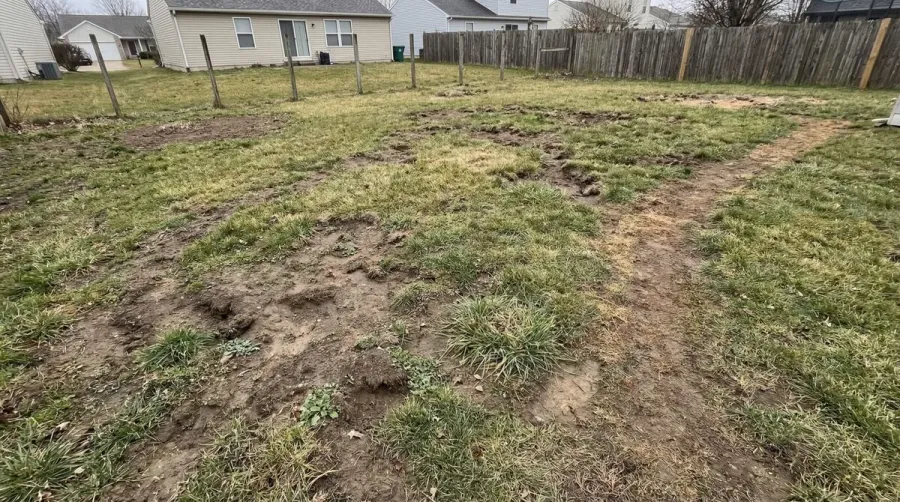
Yes, you can put fill dirt over grass, but it requires proper planning and technique to avoid killing your lawn or creating drainage issues. The process involves more than simply dumping soil on top of existing grass. When done correctly, adding fill dirt can level uneven areas, improve drainage, and create a stable foundation for your landscaping goals.
Quick Tip: Always prepare your grass by cutting it as short as possible before adding fill dirt to prevent the existing lawn from growing through and creating an uneven surface.
Understanding fill dirt and when to use it
Fill dirt differs significantly from topsoil in composition and purpose. This subsoil material consists primarily of sand, silt, and clay without organic matter, making it ideal for structural projects. The lack of organic content prevents settling and decomposition over time, which is crucial for maintaining level surfaces.
You might need fill dirt over grass when dealing with uneven lawns that create tripping hazards or make mowing difficult. Low spots that collect water after rain also benefit from fill dirt application. Additionally, if you need to change your yard’s slope to redirect water away from your home’s foundation, fill dirt provides the stable base required for effective drainage solutions.
The key advantage of fill dirt is its stability. Unlike topsoil, which can shift and settle as organic matter decomposes, properly compacted fill dirt maintains its position. This makes it perfect for creating level surfaces that will remain stable for years.
Choosing the right fill dirt for your project

Not all fill dirt performs equally for grass applications. The best fill dirt for lawn leveling contains a balanced mix of sand, silt, and clay, often called loam. This composition provides good drainage while maintaining structural integrity when compacted.
Sandy fill dirt drains well but may not compact effectively, leading to future settling. Clay-heavy fill dirt compacts excellently but can create drainage problems if not properly graded. The ideal mixture allows water to move through while providing the stability needed for a level surface.
When sourcing fill dirt, verify it’s clean and free from debris, rocks, or contaminated materials. Quality suppliers like hellogravel.com screen their fill dirt to ensure consistency and cleanliness, which is essential for successful lawn projects.
Step-by-step process for applying fill dirt over grass
Start by preparing the existing lawn area. Remove any debris, rocks, or sticks from the surface. Cut the grass as short as possible using your mower’s lowest setting. This preparation prevents the existing grass from growing through the new fill dirt layer and creating an uneven surface.
Apply fill dirt in thin layers of 1 to 2 inches at a time rather than dumping large amounts at once. This layered approach allows for better compaction and prevents creating air pockets that could cause future settling. After spreading each layer, lightly water the area to help the dirt settle naturally.
Important: Never apply more than 4 inches of fill dirt total over grass, as thicker applications can suffocate the existing root system and create drainage problems.
Compact each layer using a lawn roller or plate compactor before adding the next layer. Proper compaction eliminates air spaces and creates the stable base you need. Continue this process until you reach the desired level, then perform a final compaction of the entire surface.
Important considerations and potential challenges
The biggest challenge when putting fill dirt over grass is maintaining proper drainage. Adding soil changes how water moves across your property, potentially creating new problems if not planned carefully. Always consider the natural water flow patterns in your yard before beginning the project.
Remember that fill dirt lacks the nutrients grass needs to grow. If you plan to reseed the area, you’ll need to add a layer of quality topsoil over the compacted fill dirt. This topsoil layer should be 2 to 4 inches deep to provide adequate growing medium for new grass. For more information on this topic, check out our guide on whether fill dirt will grow grass.
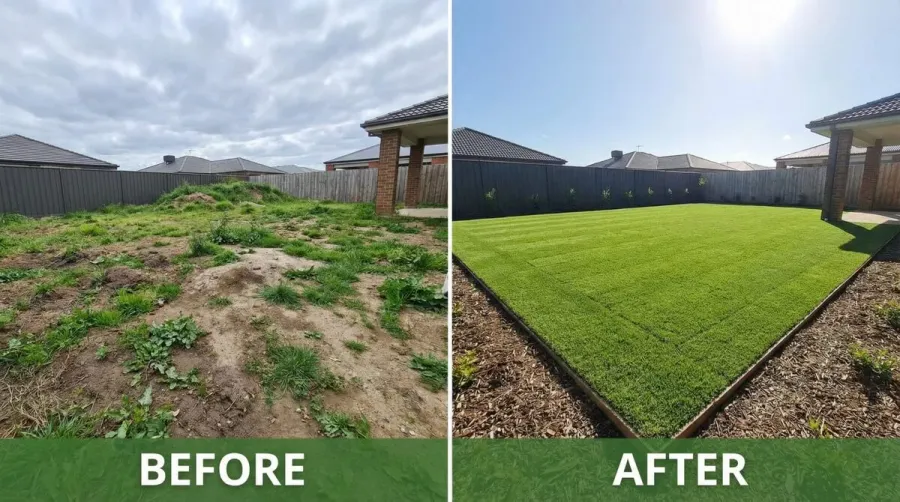
Timing matters significantly for this type of project. Avoid working with fill dirt during wet conditions, as moisture makes proper compaction difficult and can create muddy conditions that damage your existing lawn. The best time is during dry weather when you can work the soil effectively. Learn more about how much fill dirt will settle to properly plan your project timeline.
Large projects may require professional help, especially if you’re dealing with significant elevation changes or drainage concerns. Professional landscapers have the equipment and expertise to handle complex grading projects that ensure long-term success. Before starting, use our fill dirt cost calculator to estimate your project expenses.
The process of putting fill dirt over grass can successfully level your yard and solve drainage issues when executed properly. Focus on using quality fill dirt, applying it in thin layers, and ensuring proper compaction at each stage. With careful planning and attention to detail, you can transform an uneven lawn into a smooth, functional outdoor space that enhances your property’s value and usability.
FAQ
Can you put fill dirt directly over grass without killing it?
Yes, you can put fill dirt over grass without killing it if you apply it properly. Cut the grass as short as possible first, then add fill dirt in thin layers of 1-2 inches maximum. Never exceed 4 inches total, as thicker applications will suffocate the existing root system. For best results, add a layer of topsoil over the compacted fill dirt to provide nutrients for grass growth.
What’s the difference between fill dirt and topsoil for lawn leveling?
Fill dirt is subsoil composed of sand, silt, and clay without organic matter, making it ideal for structural stability and preventing settling. Topsoil contains organic matter and nutrients that grass needs to grow. For lawn leveling, use fill dirt as the base for stability, then add 2-4 inches of quality topsoil on top to create a proper growing medium for grass.
How much fill dirt do I need to level my yard?
The amount depends on your yard size and the depth needed. For example, covering 1,000 square feet with 1 inch of fill dirt requires approximately 3 cubic yards. Measure the low spots in your yard and calculate the average depth needed. Always apply fill dirt in thin layers of 1-2 inches at a time, compacting each layer before adding the next.
Will adding fill dirt over grass create drainage problems?
Adding fill dirt can create drainage issues if not planned properly. The key is using the right type of fill dirt with balanced sand, silt, and clay content, and ensuring proper grading to maintain natural water flow patterns. Avoid clay-heavy fill dirt that doesn’t drain well, and always consider how the added elevation will affect water movement across your property before starting the project.