
Can gravel be used for erosion control structures in 2026?
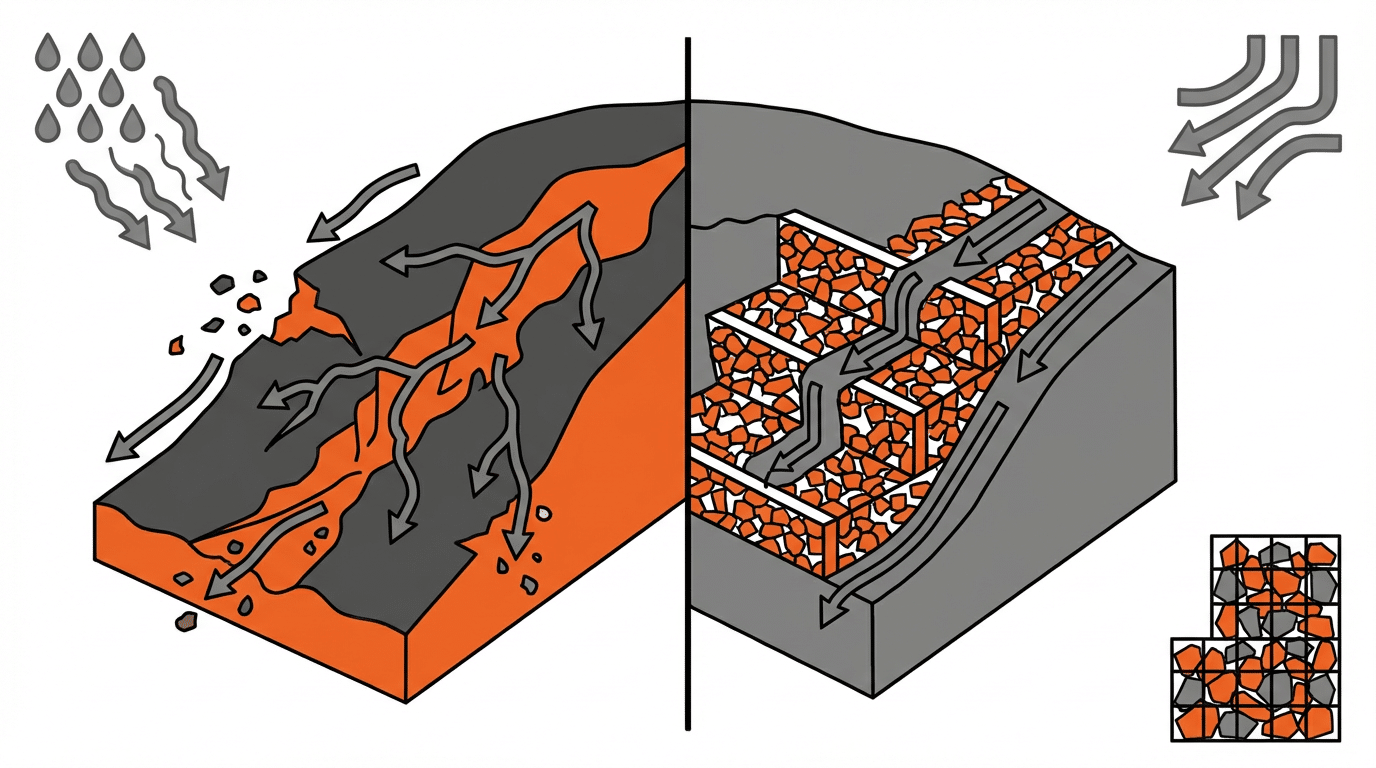
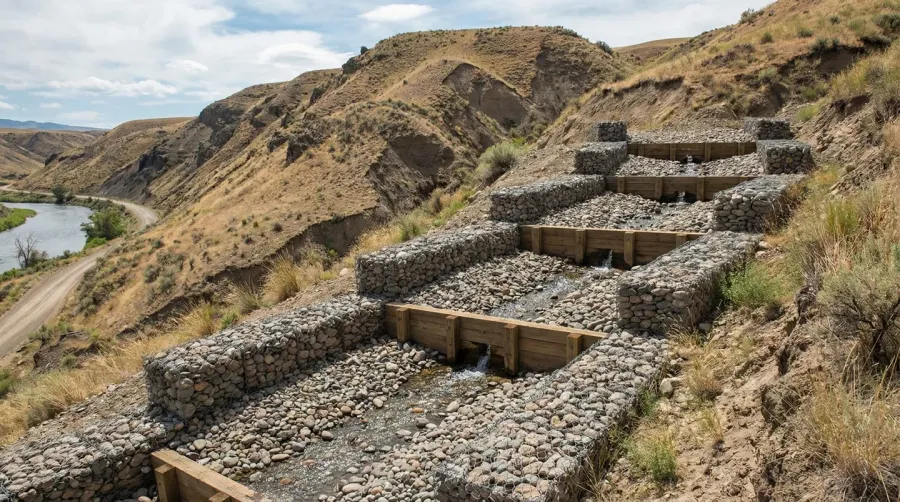
Yes, gravel is highly effective for erosion control structures and remains one of the most reliable materials for preventing soil loss. Gravel’s angular surfaces and interlocking properties create stable barriers that reduce water flow velocity by up to 60%, making it an excellent choice for slopes, driveways, and construction sites across all 50 states.
Quick fact: Properly installed gravel can reduce erosion rates by up to 85% compared to untreated slopes while providing excellent drainage capabilities.
When you’re facing erosion challenges on your property, gravel offers a proven solution that combines durability, cost-effectiveness, and environmental benefits. At Hello Gravel, we’ve helped DIY homeowners, landscapers, contractors, and municipalities nationwide implement effective erosion control solutions. This guide explores how gravel works for erosion control and helps you choose the right approach for your specific project needs.
How gravel prevents soil erosion
Gravel works as a protective shield for your soil by absorbing the impact of raindrops and slowing down water movement across surfaces. When water hits gravel instead of bare soil, the angular pieces create turbulence that dissipates energy and reduces erosive force.
The key lies in gravel’s ability to interlock. Unlike smooth stones that can shift easily, crushed gravel pieces lock together when compacted, creating a stable surface that resists displacement. This interlocking effect becomes stronger over time as the stones settle naturally under weather conditions.
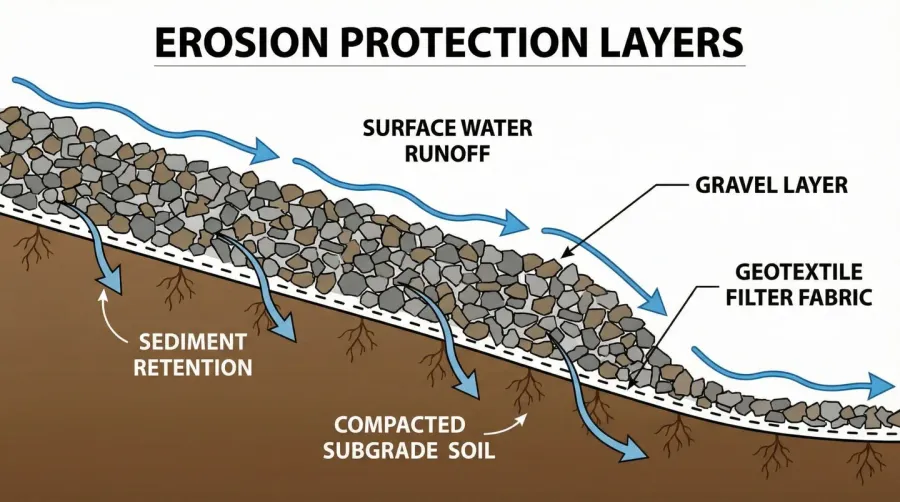
Gravel also allows water to filter through rather than running off the surface, which prevents the buildup of water pressure that can cause sudden soil washouts. The permeable nature means water infiltrates gradually while the gravel maintains its protective barrier above the soil.
Pro tip: Angular gravel materials like crushed stone provide better erosion resistance than smooth, rounded stones because they lock together more effectively.
Best gravel types for erosion control
Different gravel types serve specific erosion control needs based on their size, shape, and durability characteristics. Understanding these differences helps you select the most effective material for your project, similar to how you’d choose the best gravel for borders in landscaping applications.
Crushed stone gravel stands out as the top choice for high-flow areas like steep driveways and slopes. Its mechanically broken edges create maximum friction and interlocking capability. The angular surfaces help stones lock together, forming a stable barrier against water flow while maintaining excellent drainage properties. Our crushed stone options are sourced from local pits nationwide, ensuring quality materials delivered in as little as 2 business days.
For gentler slopes and decorative areas, pea gravel and river rock offer effective erosion control with aesthetic appeal. These materials work well in landscaped areas where you want erosion protection without the industrial appearance of crushed stone, making them ideal for decorative garden borders.
Granite crushed stone delivers outstanding performance for maximum durability projects. Its crystalline structure makes it incredibly resistant to weathering, maintaining protective qualities for decades without significant breakdown or replacement needs.
Installation methods for gravel erosion control
Proper installation determines how effectively your gravel will control erosion over time. The process begins with preparing the area by removing loose debris and creating a stable base for the gravel layer. Understanding the benefits of gravel fill for construction projects can help you appreciate the importance of proper installation techniques.
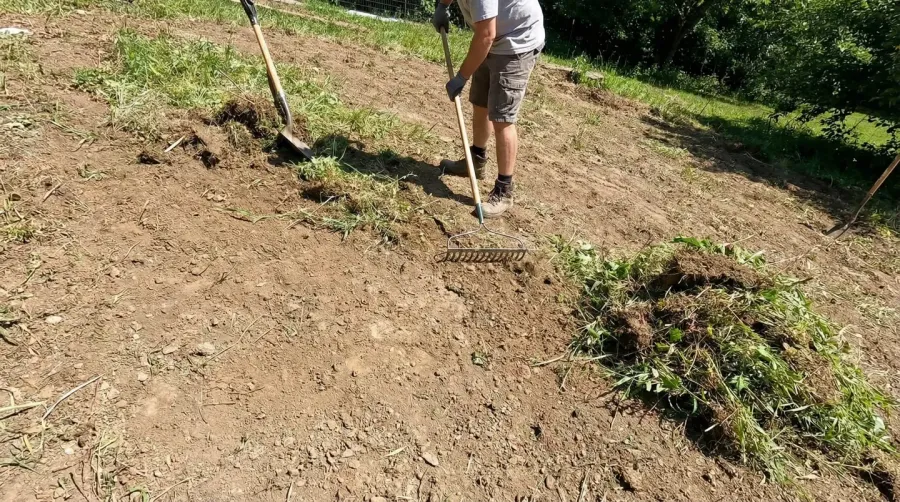
Start by excavating the area to a depth of 4 to 6 inches, depending on your slope severity and expected water flow. Create a slight grade that directs water away from structures while maintaining the gravel’s stability. Compact the soil base to prevent settling that could create weak spots in your erosion barrier.
Apply gravel in layers, starting with larger stones as a foundation and finishing with smaller material on top. This graduated approach creates better interlocking and prevents smaller pieces from washing through gaps in larger stones. Compact each layer lightly to encourage settling without over-compacting, which can reduce drainage.
For retaining walls and steep slopes, consider adding geotextile fabric beneath the gravel. This barrier prevents soil from migrating up through the gravel while maintaining water drainage, extending the life of your erosion control system. If you’re working on a retaining wall base project, this technique is particularly crucial for long-term stability.
Cost and maintenance considerations
Gravel erosion control offers excellent value compared to other structural methods. Initial costs typically range from moderate to low, depending on the gravel type and project size. Crushed stone generally costs more than rounded gravel but provides superior performance that justifies the investment. With Hello Gravel’s transparent pricing and material calculator, you can easily estimate your project costs and calculate the exact amount needed based on your measurements.
Maintenance requirements remain minimal once properly installed. Annual inspection helps identify any areas where gravel may have shifted or thinned, allowing for quick spot repairs before erosion problems develop. Adding fresh gravel to high-wear areas every few years maintains optimal protection. For more detailed guidance, check out how to maintain a gravel garden for practical maintenance strategies.
The long-term cost benefits become clear when you consider gravel’s durability. Quality crushed stone can provide effective erosion control for decades with minimal maintenance, making it more economical than frequent repairs to eroded areas or replacement of less durable materials. Many contractors find that using quality construction materials enhances project resilience and reduces long-term costs.
| Gravel Type | Initial Cost | Durability | Best Use |
|---|---|---|---|
| Crushed Stone | Moderate | High | Steep slopes, high-flow areas |
| Pea Gravel | Low | Moderate | Gentle slopes, decorative areas |
| River Rock | Moderate | Moderate | Landscaping, light erosion control |
Gravel proves itself as a reliable, cost-effective solution for erosion control structures. Whether you’re protecting a residential slope or managing runoff on a construction site, the right gravel type and proper installation create lasting protection against soil loss. The combination of proven effectiveness, reasonable costs, and minimal maintenance makes gravel a smart choice for your erosion control needs. With Hello Gravel’s nationwide delivery network and dedicated account management, you can source quality materials wherever your project is located and get expert support throughout the process.
FAQ
What size gravel is best for erosion control?
Angular crushed stone gravel in sizes ranging from 3/8 to 3/4 inch provides the best erosion control performance. The angular edges allow stones to interlock effectively, creating a stable barrier that resists displacement while maintaining excellent drainage properties. Avoid smooth, rounded gravel like pea gravel for high-erosion areas as it doesn’t lock together as effectively.
How much gravel do I need for erosion control?
For effective erosion control, install gravel at a depth of 4 to 6 inches depending on slope severity and water flow. Calculate your coverage area in square feet and multiply by the depth in feet to get cubic feet needed. For example, a 100 square foot area at 4 inches deep requires about 33 cubic feet of gravel. Add 10% extra for compaction and settling.
Can gravel stop erosion on a steep hill?
Yes, gravel is highly effective for steep hill erosion control when properly installed. Use angular crushed stone with geotextile fabric underneath for maximum stability. Install in terraced sections on very steep slopes and consider combining with retaining walls for slopes over 30 degrees. Properly installed gravel can reduce erosion rates by up to 85% on steep terrain.
Is gravel better than mulch for erosion control?
Gravel offers superior long-term erosion control compared to mulch, especially in high-flow areas. While mulch decomposes and requires regular replacement, gravel provides permanent protection with minimal maintenance. Gravel also handles heavy rainfall better and won’t wash away like organic mulch. However, mulch is better for plant growth areas where you want to improve soil over time.