
Black Gravel for Landscaping (Ideas, Benefits, Cost)
Free local estimate
See delivered prices for your ZIP in 60 seconds
Tell us where the project is and we'll price this material — delivered — for your exact ZIP.
- Real delivered pricing for your ZIP — not a generic range.
- Works for any quantity — driveways, pads, drains, or full projects.
- Prefer to talk? We follow up with local availability and delivery windows.
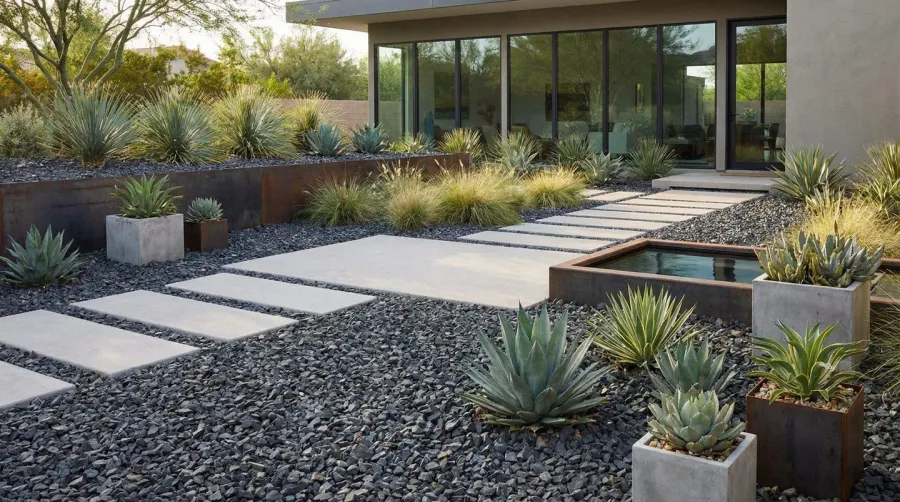
Black gravel has become the go-to choice for homeowners seeking a sophisticated, low-maintenance landscaping solution. This dark, angular material offers unmatched durability while creating stunning visual contrasts that make plants and architectural features pop. Whether you’re designing pathways, garden borders, or entire outdoor spaces, black gravel provides both functional drainage and aesthetic appeal that lasts for years.
Quick Fact: Black gravel requires 70% less maintenance than traditional mulch and can last 10+ years without replacement, making it a cost-effective landscaping investment.
The beauty of black gravel lies in its versatility. You can use it for modern minimalist designs, traditional garden pathways, or dramatic focal points around water features. Unlike organic materials that decompose and fade, black gravel maintains its rich color and texture through all weather conditions.
About Hello Gravel
Hello Gravel delivers bulk gravel, rock, dirt, and sand by the ton. Enter your ZIP code to see prices with delivery included. A local dump-truck driver places the load where access is safe; spreading is not included.
What is black gravel and why choose it
Black gravel consists of crushed dark-colored stones, typically granite or basalt, ranging from 3/8 inch to 3/4 inch in size. The deep color comes from natural dark minerals within the stone, creating that signature sophisticated look that complements any landscape style.
The primary advantage over traditional landscaping materials becomes clear when you consider maintenance requirements. While wood mulch needs annual replacement and organic materials break down over time, black gravel stays put and looks fresh year after year. This translates to significant long-term savings on both materials and labor.
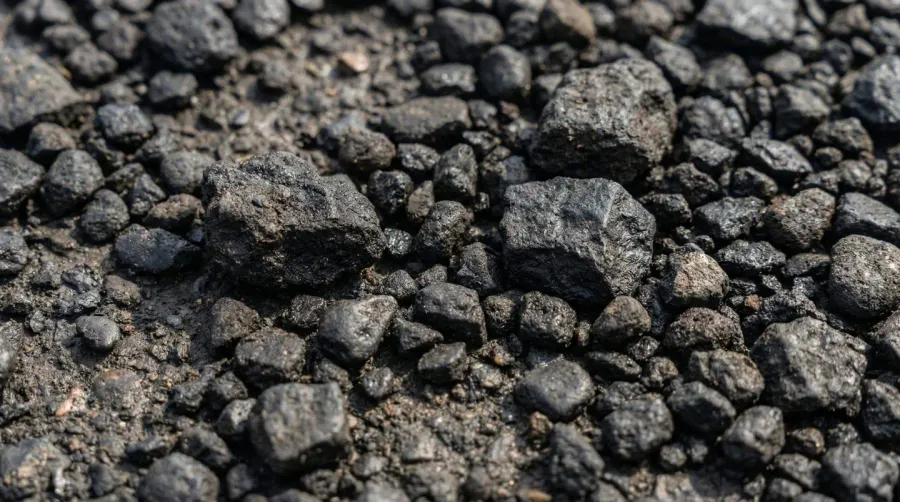
Black gravel also excels at drainage, allowing water to flow through rather than pooling on the surface. This prevents the soggy conditions that can damage plant roots and create mosquito breeding grounds. The material’s heat-absorbing properties create beneficial microclimates for plants, extending growing seasons in cooler regions.
Benefits that make black gravel worth considering
The aesthetic impact of black gravel cannot be overstated. The dark surface creates dramatic contrasts that make green foliage appear more vibrant and colorful flowers more striking. This natural backdrop effect works particularly well in contemporary landscape designs where clean lines and bold contrasts are desired. For those interested in comparing different decorative stone options, exploring the differences between black gravel and white gravel can help you make the best choice for your landscape design.
From a practical standpoint, black gravel offers exceptional weed suppression. The compact surface and lack of organic matter make it difficult for weeds to establish roots, reducing the need for herbicides or manual weeding. This benefit alone can save homeowners hours of maintenance work each season.
| Benefit | Black Gravel | Traditional Mulch |
|---|---|---|
| Lifespan | 10+ years | 1-2 years |
| Weed Control | Excellent | Moderate |
| Maintenance | Minimal | High |
| Drainage | Superior | Poor |
The environmental advantages extend beyond reduced maintenance. Black gravel allows rainwater to infiltrate the soil naturally, supporting groundwater recharge and reducing stormwater runoff. When sourced locally, it also has a lower carbon footprint compared to shipped organic materials.
Pro Tip: Choose angular black gravel over rounded varieties for pathways and high-traffic areas, as the angular edges lock together better and provide more stable footing.
Creative landscaping ideas with black gravel
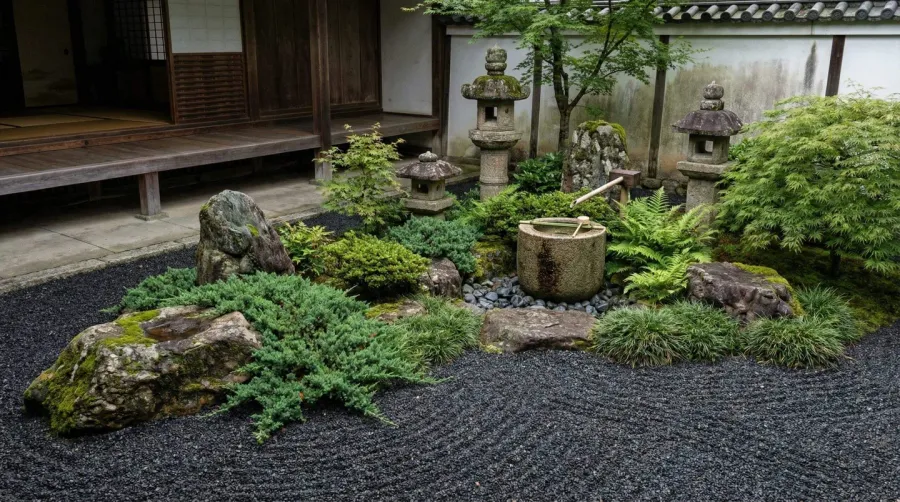
Zen gardens represent one of the most popular applications for black gravel. The dark surface provides a calming backdrop for carefully placed rocks, ornamental plants, and water features. The contrast between the gravel and lighter elements creates visual depth while maintaining the minimalist aesthetic that defines this garden style.
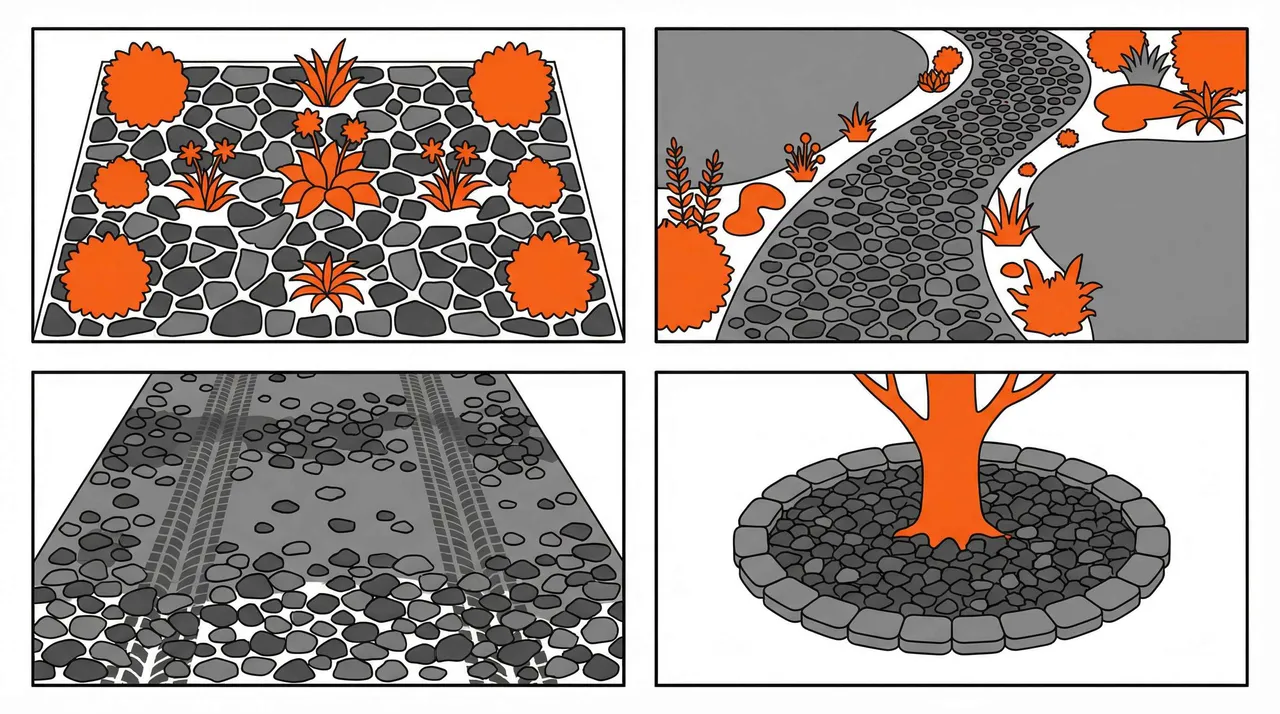
Pathways benefit tremendously from black gravel’s natural drainage and attractive appearance. The material works well for both formal walkways and casual garden paths. You can edge the gravel with stone, metal, or concrete borders to create clean lines and prevent spreading into adjacent planted areas. If you’re considering using pebble stones for your garden pathways, understanding the various size options and installation techniques can enhance your project’s success.
For dramatic focal points, consider using black gravel around sculptures, fountains, or specimen plants. The dark background makes these features appear to float above the landscape, creating an almost theatrical effect that draws the eye and anchors the overall design composition. When planning borders around water features, you might also want to learn about how much river rock you need for a pond border to ensure proper coverage and aesthetic balance.
Driveway applications showcase black gravel’s practical benefits while maintaining curb appeal. The material handles vehicle traffic well while providing excellent drainage that prevents puddles and ice formation. The sophisticated appearance elevates the entire property’s aesthetic compared to plain concrete or asphalt alternatives. For those exploring driveway options, understanding what type of river rock is best for a driveway can help you select the most durable and attractive material.
Installation and maintenance made simple
Proper installation begins with site preparation. Remove existing vegetation and debris, then excavate to a depth of 2-3 inches for pathways or 4-5 inches for driveways. This depth ensures adequate material coverage while preventing the gravel from shifting or spreading beyond intended boundaries.
Installing landscape fabric or weed barrier before spreading gravel provides additional weed suppression and helps maintain clean edges over time. Secure the fabric with landscape pins, then spread the gravel evenly using a rake or shovel. Aim for a final depth of 2 inches for most applications. To keep your decorative stone in place over time, consider effective methods for securing your outdoor decor to prevent migration and maintain clean borders.
Maintenance requirements remain minimal once installation is complete. Occasional raking helps maintain an even surface and removes any debris that accumulates over time. Adding a thin layer of fresh gravel every few years refreshes the appearance, though this is often unnecessary for the first decade.
Cost Insight: Expect to pay $2-4 per square foot for black gravel installation, including materials and basic site preparation, making it competitive with quality mulch over a 5-year period.
Edge maintenance becomes important in planted areas where soil can gradually cover the gravel edges. Annual edging with a spade or edging tool keeps boundaries crisp and prevents the gravel from disappearing under accumulated organic matter.
The long-term value proposition of black gravel becomes clear when you calculate total ownership costs. While initial installation may cost more than mulch, the elimination of annual replacement costs and reduced maintenance requirements typically result in savings within three to five years. This makes black gravel an intelligent investment for homeowners planning to stay in their properties long-term. For those purchasing materials in larger quantities, exploring where to buy river rocks in bulk wholesale can help you find competitive pricing and reliable suppliers.
Black gravel transforms ordinary landscapes into sophisticated outdoor spaces that require minimal ongoing attention. The combination of aesthetic appeal, practical benefits, and long-term cost savings makes this material an excellent choice for modern homeowners who value both beauty and efficiency in their landscape design.
FAQ
What are the main benefits of using black gravel for landscaping?
Black gravel offers exceptional durability lasting 10+ years without replacement, superior drainage that prevents water pooling, excellent weed suppression, and striking aesthetic contrast that makes plants appear more vibrant. It requires 70% less maintenance than traditional mulch and provides heat-absorbing properties that create beneficial microclimates for plants.
How much does black gravel landscaping cost compared to other materials?
Black gravel installation typically costs $2-4 per square foot including materials and basic site preparation. While the initial cost may be higher than mulch, it becomes cost-effective within 3-5 years due to its longevity and minimal maintenance requirements, eliminating the need for annual replacement costs.
What is the proper way to install black gravel landscaping?
Start by removing existing vegetation and excavating 2-3 inches deep for pathways or 4-5 inches for driveways. Install landscape fabric for weed suppression, secure with landscape pins, then spread black gravel evenly to a final depth of 2 inches. Choose angular gravel over rounded varieties for better stability and compaction.
What plants work best with black gravel landscaping?
Drought-tolerant plants like succulents, ornamental grasses, and heat-loving perennials pair excellently with black gravel. The dark background creates stunning contrast with vibrant flowers and green foliage. Choose plants that thrive in well-draining conditions since black gravel provides superior drainage and can retain heat.
Materials for this project
Get it delivered — dumped where you need it
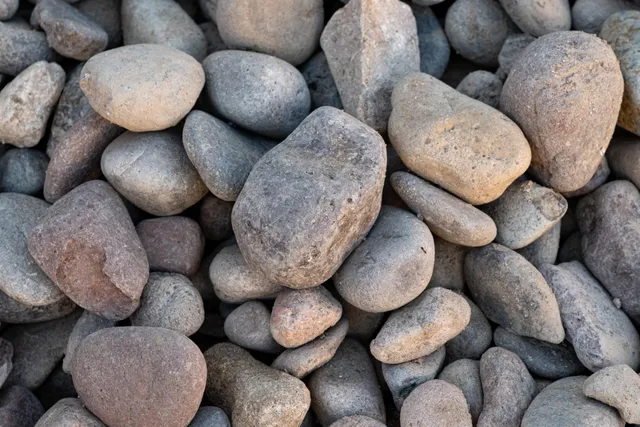
River Rock
Landscaping & Dry creek beds
See delivered price
View product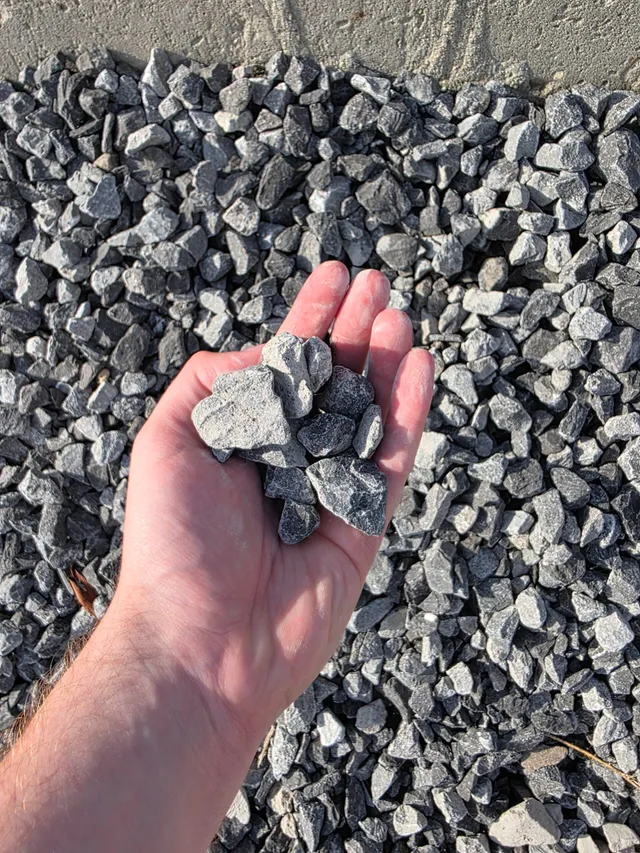
Driveway Gravel
Driveways & Parking areas
See delivered price
View product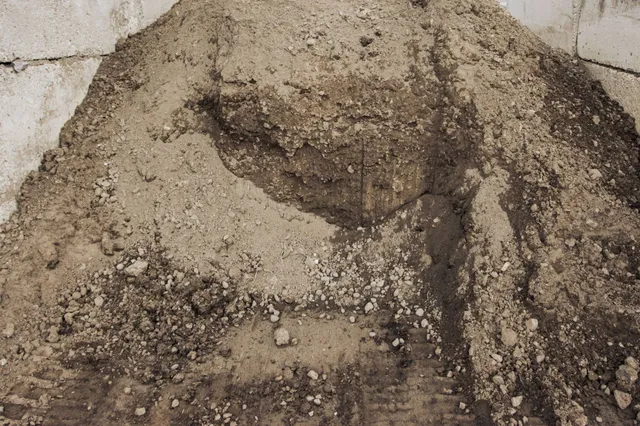
Fill Dirt
Grading & Backfill
See delivered price
View product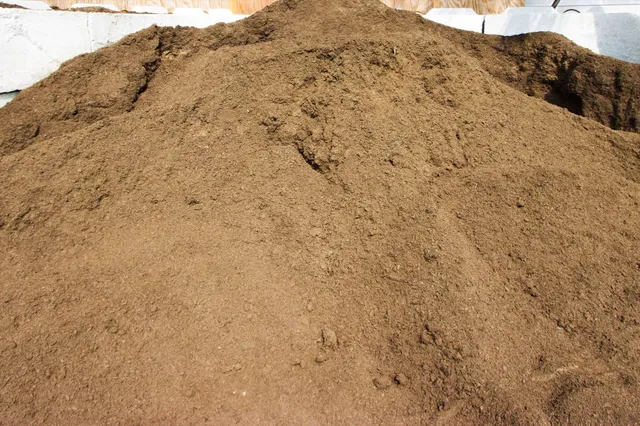
Topsoil
Lawn establishment & Garden beds
See delivered price
View product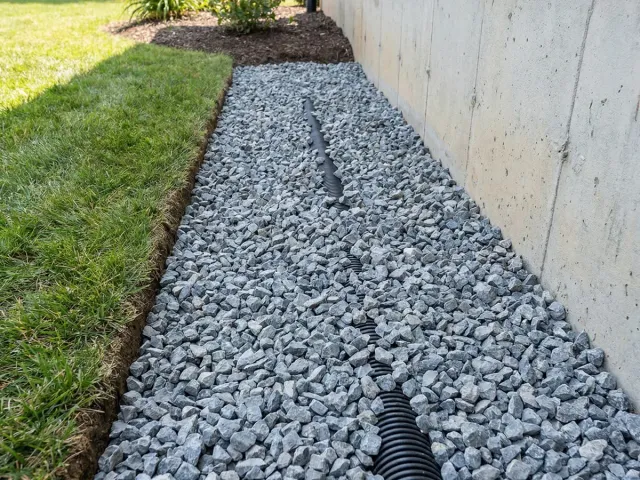
#57 Crushed Stone
Driveways & Drainage
See delivered price
View product