
Best Limestone Types for Playground Surfacing in 2026
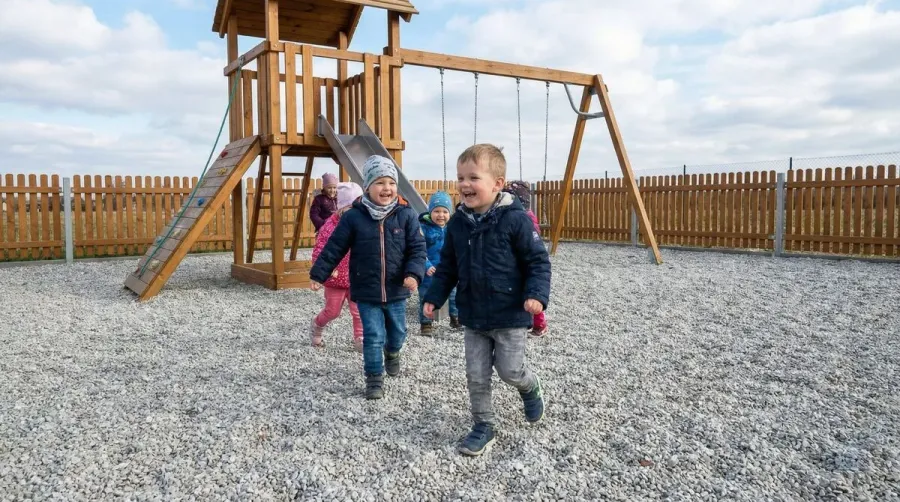
When planning a playground, choosing the right surface material directly impacts both safety and longevity. Crushed limestone with rounded edges and fine grading is the safest choice for playground surfacing, offering excellent drainage, natural cushioning, and cost-effectiveness compared to synthetic alternatives.
The key lies in selecting limestone that balances safety requirements with durability. You want a surface that protects children from falls while withstanding heavy use and weather conditions. Based on industry safety standards and material testing, three limestone types consistently perform best for playground applications.
Safety First: Limestone playground surfaces must meet ASTM F1292 standards for impact attenuation, requiring proper depth and particle size distribution to cushion falls effectively.
Understanding limestone for playground use
Limestone forms naturally from compressed marine organisms over millions of years, creating a durable sedimentary rock rich in calcium carbonate. For playgrounds, this translates to a surface that’s naturally antimicrobial and provides excellent drainage properties.
The formation process matters because it determines hardness and texture. Limestone’s sedimentary nature creates consistent particle shapes when crushed, unlike igneous rocks that can produce sharp, angular fragments. This consistency is crucial for child safety.
When properly processed, limestone creates a compactable surface that remains stable under foot traffic while maintaining enough porosity for water drainage. The calcium carbonate composition also means it won’t become slippery when wet, unlike some synthetic materials.
Key factors for safe playground limestone
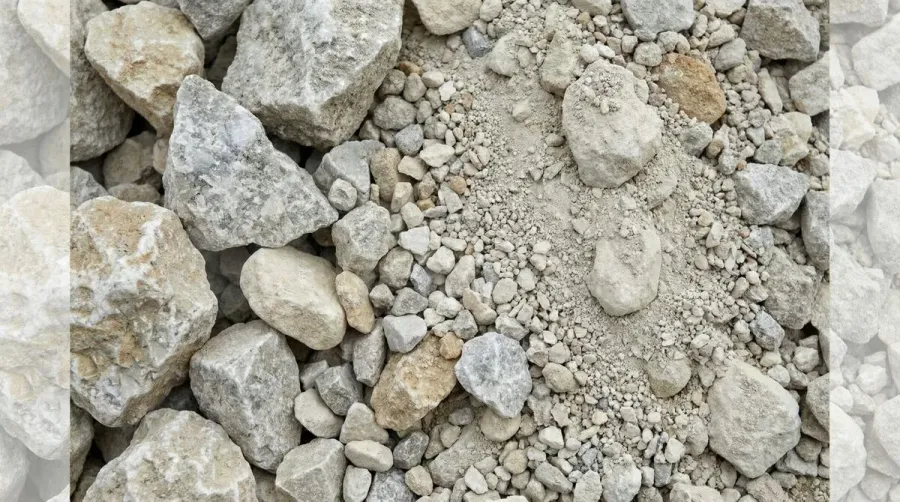
Safety considerations should drive your limestone selection. The particle size directly affects injury risk during falls. Limestone pieces between 1/4 inch and 3/8 inch provide optimal cushioning without creating choking hazards for young children.
Edge characteristics matter equally. Sharp, angular limestone can cause cuts and scrapes. Look for limestone that’s been processed to create rounded edges, often called “washed” limestone. This processing removes dust and creates smoother surfaces.
Compaction levels require careful balance. You need enough stability for wheelchairs and walking, but not so much that the surface becomes hard. Properly graded limestone compacts to about 85% density, maintaining cushioning properties while providing stability.
Installation Tip: Maintain a minimum 12-inch depth of limestone for adequate fall protection, with deeper installations required under equipment exceeding 6 feet in height.
Top limestone types compared
Crushed limestone leads in playground applications due to its consistent sizing and rounded particle shape. The crushing process creates predictable gradations, and washing removes dust that could create muddy conditions. This type typically costs $25-35 per ton and provides excellent drainage.
Dolomitic limestone contains higher magnesium content, making it slightly harder and more durable than standard limestone. The added hardness means better wear resistance in high-traffic areas, but the particles can be more angular. Processing is crucial to achieve safe edge characteristics.
Oolitic limestone features naturally rounded grains formed in ancient shallow seas. These spherical particles create an exceptionally smooth surface that’s comfortable for barefoot play. However, the natural rounding process makes oolitic limestone more expensive and less readily available in many regions.
| Limestone Type | Safety Rating | Durability | Cost per Ton | Best Use |
|---|---|---|---|---|
| Crushed | Excellent | Good | $25-35 | General playground areas |
| Dolomitic | Good | Excellent | $30-40 | High-traffic zones |
| Oolitic | Excellent | Good | $40-55 | Premium installations |
Installation and maintenance considerations
Proper installation starts with site preparation. You’ll need to excavate to the required depth, install geotextile fabric to prevent limestone migration into soil, and create proper drainage slopes. The limestone should be installed in lifts, with each layer compacted to achieve the target density.
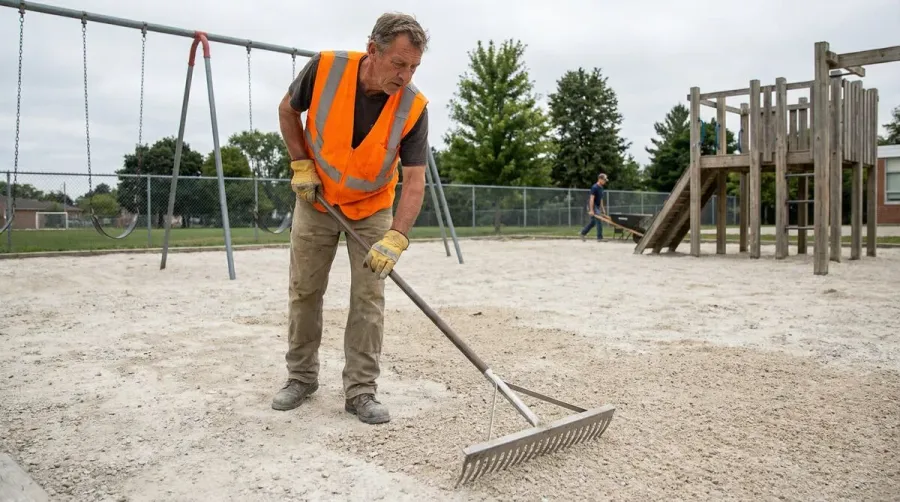
Maintenance involves regular inspection for displacement, especially after heavy rains or intensive use. Limestone’s natural drainage properties help prevent water accumulation, but you’ll need to rake and level areas that develop depressions.
Seasonal considerations include freeze-thaw cycles that can cause heaving in northern climates. Choose limestone with proven performance in your local conditions, and plan for annual top-dressing to maintain proper depth and surface characteristics. Understanding different limestone sizes helps ensure you select the right gradation for your climate and usage patterns.
Maintenance Schedule: Inspect monthly for displacement, rake weekly during heavy use periods, and plan annual depth measurements to ensure continued compliance with safety standards.
The right limestone choice creates a playground surface that’s safe, durable, and naturally beautiful. Crushed limestone with proper processing remains the most reliable option for most applications, while dolomitic limestone serves high-traffic areas well. Oolitic limestone provides premium comfort but requires higher investment.
Consider your specific needs including budget, expected usage levels, and local climate when making your selection. For comparison, you might also explore decomposed granite as a playground alternative to understand all your options. When evaluating limestone gravel costs, factor in long-term maintenance savings alongside initial investment. Working with experienced suppliers like Hello Gravel ensures you receive properly processed limestone that meets safety standards while providing years of reliable performance for children’s play activities.
FAQ
Is limestone safe for playground surfaces?
Yes, properly processed crushed limestone with rounded edges and fine grading (1/4 inch to 3/8 inch particles) is safe for playground surfaces. It provides excellent impact absorption when installed at proper depths, has natural antimicrobial properties, and won’t become slippery when wet. The key is choosing limestone that meets ASTM F1292 safety standards for fall protection.
What size crushed limestone is best for playground use?
Crushed limestone between 1/4 inch and 3/8 inch provides optimal safety and performance for playgrounds. This size range offers the right balance of cushioning for fall protection while maintaining stability for walking and wheelchair access. Avoid larger pieces that could create choking hazards or smaller particles that create dust and mud issues.
How deep should limestone be installed under playground equipment?
Install a minimum of 12 inches of limestone depth for adequate fall protection under playground equipment. For equipment exceeding 6 feet in height, deeper installations are required to meet safety standards. The limestone should be installed over geotextile fabric and compacted to about 85% density to maintain both stability and cushioning properties.
How does limestone compare to rubber mulch for playground safety?
Limestone offers superior drainage and natural antimicrobial properties compared to rubber mulch, while being more cost-effective at $25-35 per ton. However, rubber mulch provides better impact absorption and doesn’t require regular maintenance like raking and leveling. Limestone is ideal for areas with drainage concerns, while rubber mulch excels in high-fall zones requiring maximum cushioning.