
Best Gravel Size for Backfill Complete Guide 2026
Guide handoff
Want help applying this guide to your project?
Share your ZIP and what you need help with. We'll use this guide as context when we follow up.
- 1 This guide gives us the context you were reading.
- 2 Ask about pricing, material choice, delivery timing, or quantity.
- 3 Keep it broad if you are still figuring out the project.
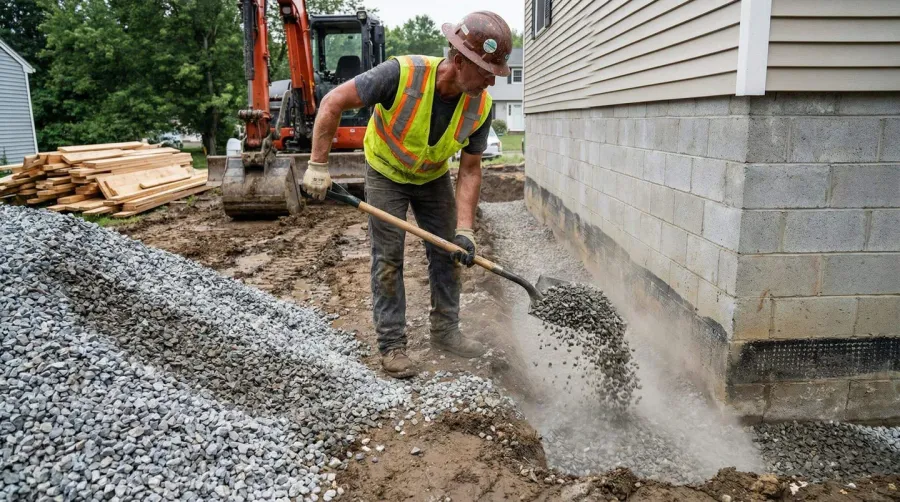
Choosing the right gravel size for backfill can make or break your construction project. For most backfill applications, you’ll want gravel ranging from 3/8 inch to 1.5 inches in diameter, with the specific size depending on your project’s drainage needs and load requirements.
Backfill material selection directly impacts structural stability, drainage performance, and long-term durability. Whether you’re working on foundation trenches, utility installations, or drainage systems, understanding gravel sizing will save you time, money, and potential headaches down the road.
Quick Answer: Use 3/8 to 1 inch gravel for narrow trenches and utility work, 1 to 2.5 inch gravel for foundation backfill, and larger than 2.5 inch gravel for heavy-duty structural support.
This guide covers everything you need to know about gravel backfill sizing, from material comparisons to installation best practices.
Understanding backfill and its importance
Backfill refers to the material used to refill excavated areas after installing underground utilities, foundations, or other structural elements. Think of it as nature’s way of restoring balance after you’ve disrupted the soil.
The primary purpose goes beyond simply filling space. Quality backfill provides structural support, prevents settling, and protects underground installations from external pressure. Without proper backfill, you risk foundation movement, utility damage, and costly repairs.
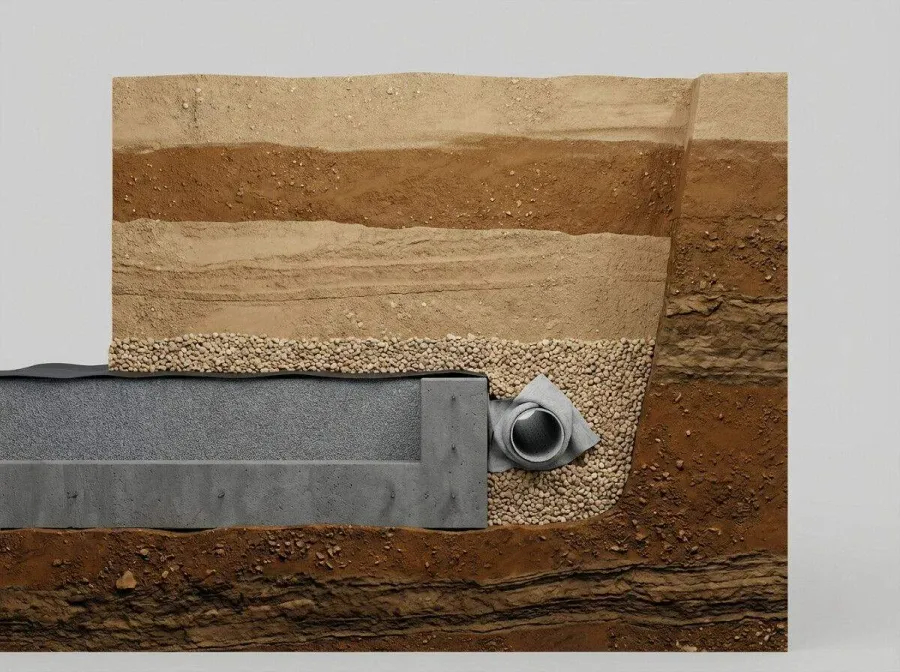
According to hellogravel.com, backfill also controls groundwater flow and distributes loads across wider areas, reducing stress concentrations that could lead to structural failure.
The material you choose matters significantly. Poor backfill selection can result in water accumulation, uneven settling, or inadequate support for the structures above.
Comparing backfill materials
Different backfill materials serve different purposes, and understanding their characteristics helps you make informed decisions for your specific project needs.
Soil backfill offers the most economical option and works well for basic applications. However, soil requires careful attention to compaction and permeability. Clay soils provide excellent compaction but poor drainage, while sandy soils drain well but may lack stability.
Sand backfill excels in drainage applications, allowing water to flow freely and reducing hydrostatic pressure. The downside? Fine sand particles can become compacted over time, potentially reducing load-bearing capacity. Well-graded sand with varied particle sizes performs better than uniform sand.
Gravel backfill combines the best of both worlds. It provides superior drainage through void spaces between particles while maintaining excellent load-bearing capacity. Gravel also resists frost heave and offers consistent performance across varying weather conditions.
Pro Tip: Gravel backfill typically costs 20-30% more than soil but can prevent expensive foundation repairs and drainage issues that cost thousands later.
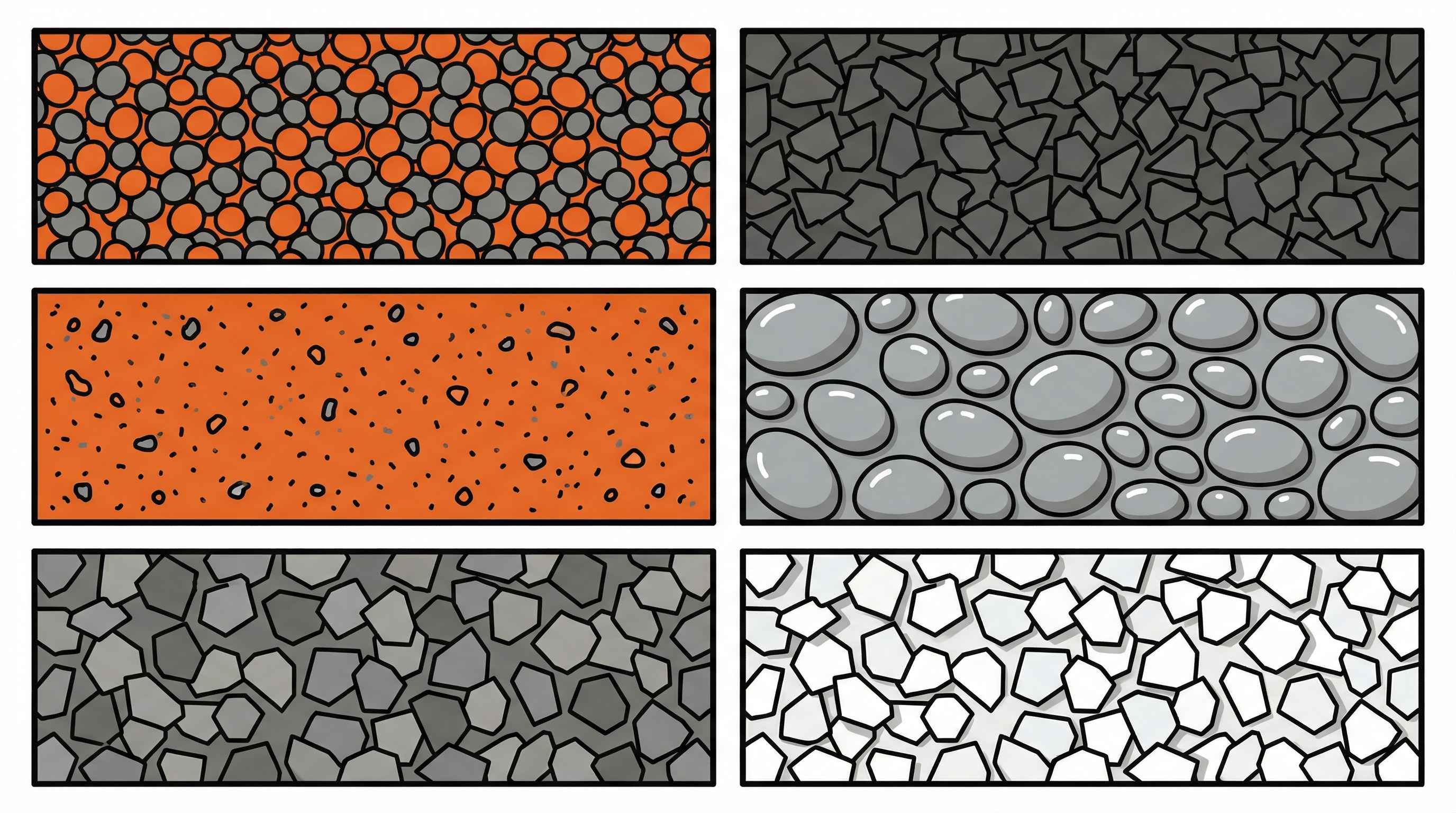
The angular shape of crushed gravel creates better interlocking between particles, resulting in improved stability compared to rounded materials.
Why gravel dominates backfill applications
Gravel has become the go-to choice for professional contractors, and the reasons extend beyond its obvious benefits. The material’s unique properties address multiple construction challenges simultaneously.
Drainage performance stands out as gravel’s strongest advantage. The void spaces between particles create natural drainage channels, preventing water accumulation that can undermine foundations. This becomes critical in areas with high water tables or frequent rainfall. For optimal drainage solutions, consider exploring the best gravel for drainage options.
Load distribution capabilities make gravel ideal for supporting heavy structures. Unlike soil that can compress unevenly, gravel maintains its shape and distributes weight consistently across the entire backfill area.
Installation efficiency also favors gravel. The material compacts easily with standard equipment, requires fewer lifts than soil backfill, and achieves target density more reliably. This translates to faster project completion and reduced labor costs.
Gravel’s resistance to frost heave provides another significant advantage. In cold climates, water expansion during freeze cycles can damage foundations and utilities. Gravel’s drainage properties minimize water retention, reducing freeze-thaw damage risk.
Gravel size selection guide
Selecting the appropriate gravel size depends on several factors including trench width, drainage requirements, and structural loads. Here’s how different sizes perform in various applications.
| Gravel Size | Best Applications | Drainage | Load Bearing | Compaction |
|---|---|---|---|---|
| 3/8″ – 1″ | Narrow trenches, utilities | Excellent | Good | Easy |
| 1″ – 2.5″ | Foundation backfill | Very Good | Excellent | Moderate |
| 2.5″+ | Heavy structures, embankments | Good | Superior | Challenging |
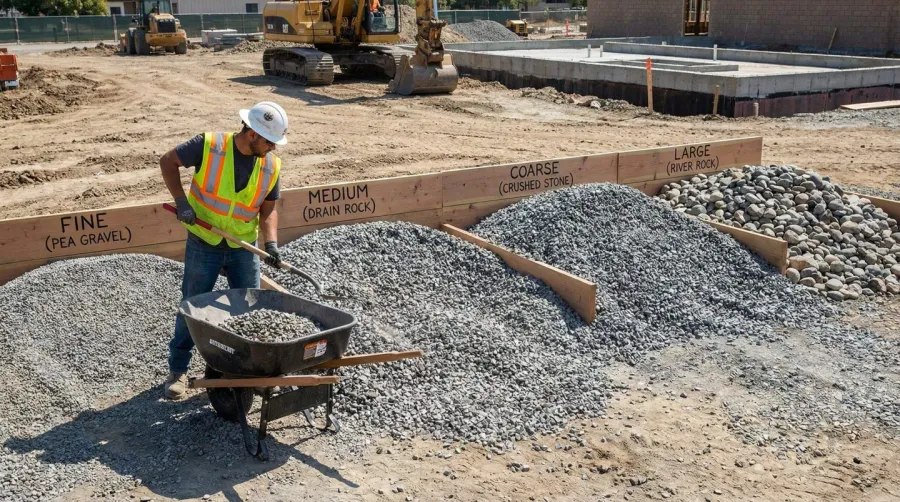
Small gravel (3/8 inch to 1 inch) works perfectly for narrow trenches and utility installations. The smaller particles fill spaces efficiently while maintaining drainage channels. This size also compacts easily with hand tools or lightweight equipment.
Medium gravel (1 inch to 2.5 inches) strikes the ideal balance for most foundation applications. It provides excellent load-bearing capacity while maintaining reasonable drainage properties. Most residential and light commercial projects benefit from this size range. Learn more about what gravel size is best for drainage to optimize your project.
Large gravel (exceeding 2.5 inches) handles heavy-duty applications like retaining wall backfill or major infrastructure projects. While harder to compact and more expensive to transport, large gravel offers superior load-bearing capacity for demanding applications.
Installation Note: Always place backfill in 8-12 inch lifts, compacting each layer before adding the next. This ensures uniform density and prevents future settling.
Consider your compaction equipment when selecting size. Smaller gravel works with hand tampers, while larger sizes require mechanical compactors or vibratory equipment.
Installation best practices
Proper installation technique determines backfill performance regardless of material quality. Following proven methods ensures your project meets design specifications and performs reliably over time.
Site preparation begins before any backfill placement. Remove all debris, organic matter, and loose soil from the excavation area. Level the bottom surface and address any drainage concerns before proceeding.
Layered placement provides the foundation for successful backfill. Place gravel in 8 to 12-inch lifts, spreading each layer evenly across the entire area. Avoid dumping large quantities in one location, as this creates density variations.
Compaction technique varies with gravel size and project requirements. Small to medium gravel compacts well with plate compactors or jumping jack tampers. Large gravel may require vibratory rollers or heavy compaction equipment. Understanding the best gravel for compacting will help you achieve optimal results.
Test compaction density regularly using nuclear density gauges or other approved methods. Most specifications require 95% of maximum density, though specific requirements vary by project and local codes.
Moisture management during installation affects final performance. Slightly damp gravel compacts better than bone-dry material, but excess water creates problems. Aim for optimal moisture content based on your specific gravel type.
The investment in proper backfill material and installation pays dividends through improved structural performance and reduced maintenance needs. Quality gravel backfill, sized appropriately for your application and installed correctly, provides decades of reliable service while protecting your investment in underground infrastructure.
FAQ
What size gravel is best for foundation backfill?
For foundation backfill, use gravel ranging from 1 to 2.5 inches in diameter. This medium-sized gravel provides the optimal balance between load-bearing capacity, drainage performance, and compaction ease. It offers excellent structural support while maintaining void spaces for proper water drainage, preventing hydrostatic pressure buildup against foundation walls.
Is gravel or sand better for backfill applications?
Gravel is generally superior to sand for most backfill applications. While sand provides excellent drainage, gravel offers better load-bearing capacity, superior frost heave resistance, and more consistent performance across varying weather conditions. Gravel’s angular particles create better interlocking, resulting in improved stability compared to sand’s rounded particles.
How should gravel backfill be installed and compacted?
Install gravel backfill in 8 to 12-inch lifts, spreading each layer evenly across the entire area. Compact each layer to 95% of maximum density using plate compactors for small to medium gravel, or vibratory rollers for larger sizes. Maintain slightly damp conditions during compaction for optimal results, and test density regularly throughout the process.
What gravel size works best for utility trench backfill?
For utility trenches and narrow excavations, use smaller gravel ranging from 3/8 inch to 1 inch in diameter. This size provides excellent drainage while being easy to compact with hand tools or lightweight equipment. The smaller particles fill spaces efficiently around utilities while maintaining proper drainage channels to prevent water accumulation.