
Best Driveway Base Materials (Gravel Sizes and Layers)
Free local estimate
See delivered prices for your ZIP in 60 seconds
Tell us where the project is and we'll price this material — delivered — for your exact ZIP.
- Real delivered pricing for your ZIP — not a generic range.
- Works for any quantity — driveways, pads, drains, or full projects.
- Prefer to talk? We follow up with local availability and delivery windows.
Building a driveway that lasts starts with one critical decision: choosing the right base material. Your driveway’s foundation determines whether you’ll enjoy decades of smooth access or deal with constant repairs from cracking, sinking, and shifting.
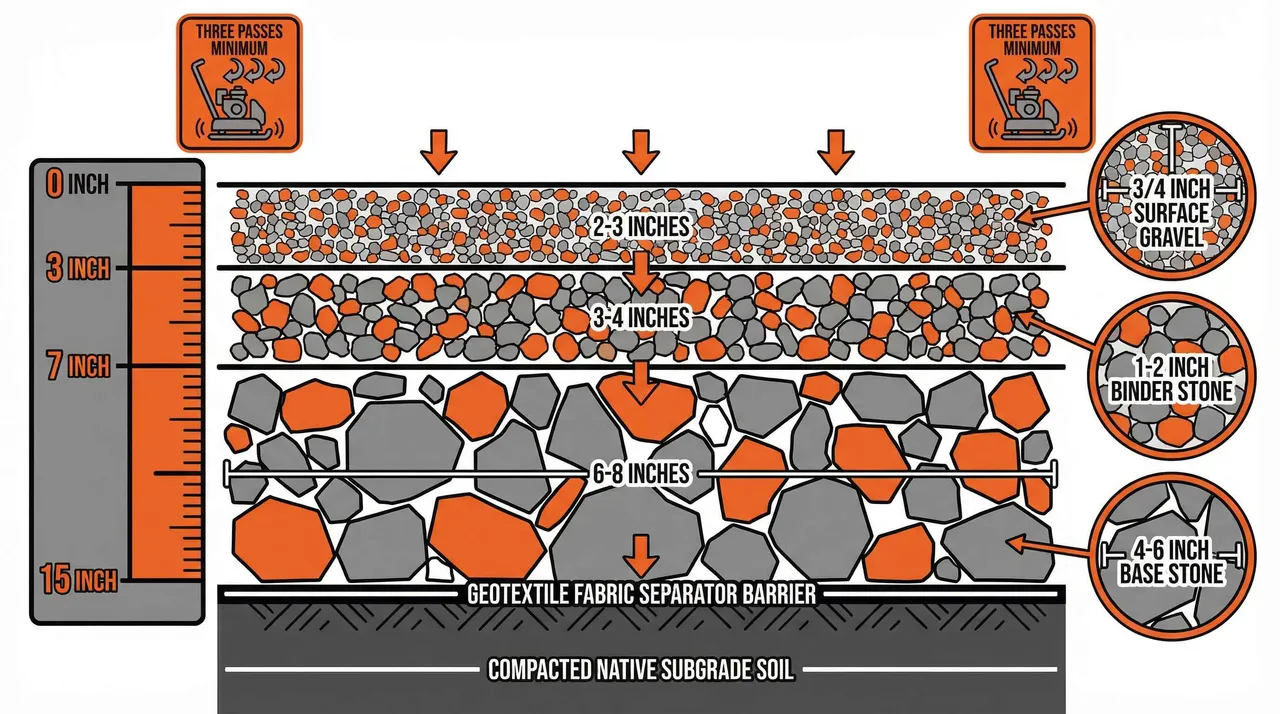
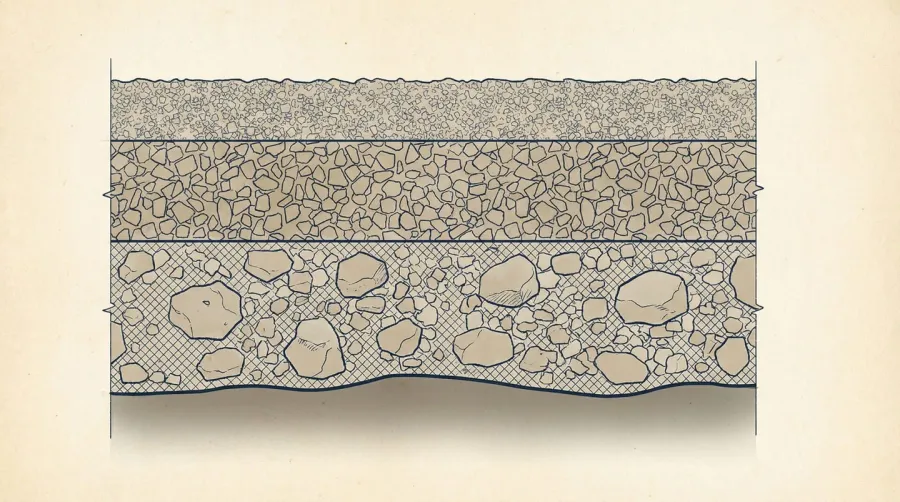
Most successful driveways use a three-layer system with specific gravel sizes for each layer. The base layer typically uses 1-3 inch crushed stone, the middle layer uses 2-3 inch gravel, and the top layer features smaller materials like pea gravel or crushed limestone. This layered approach provides superior drainage, load distribution, and long-term stability compared to single-material installations.
Quick Answer: The best driveway base combines crushed stone (1-3 inches) for the foundation layer, followed by medium gravel (2-3 inches) and finished with smaller decorative stone. Total depth should be 12-18 inches for optimal performance.
Let’s explore how to select and install the perfect base system for your specific needs and conditions.
About Hello Gravel
Hello Gravel delivers bulk gravel, rock, dirt, and sand by the ton. Enter your ZIP code to see prices with delivery included. A local dump-truck driver places the load where access is safe; spreading is not included.
The three-layer driveway system explained
Understanding the three-layer system is essential for any successful driveway project. Each layer serves a specific purpose and requires different materials to work effectively together.
The bottom layer, called the sub-base, uses the largest stones (4-6 inches) and sits directly on prepared soil. This foundation layer handles the heaviest loads and provides primary drainage. You’ll typically need 4-6 inches of this material, compacted thoroughly to create a stable platform.
The middle layer uses medium-sized gravel (2-3 inches) and acts as a transition zone. This layer distributes weight from the surface down to the sub-base while maintaining good drainage properties. Another 4-6 inches of this material, properly compacted, creates the structural heart of your driveway.
The top layer is your finishing touch, using smaller materials like pea gravel, crushed limestone, or decorative stone (1/4 to 1 inch). This surface layer provides the final appearance and driving comfort while still allowing water to drain through to the layers below.
Material options for each layer
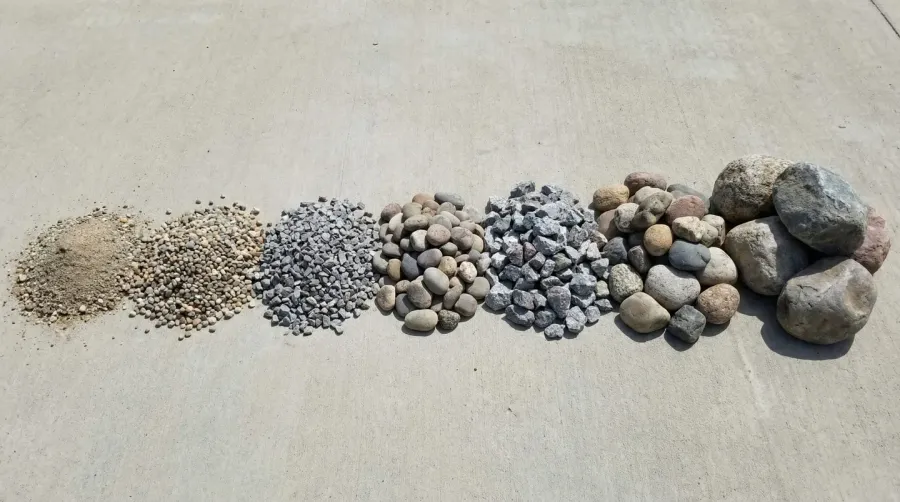
Choosing the right materials for each layer significantly impacts your driveway’s performance and longevity. Different materials excel in different situations, so understanding your options helps you make informed decisions.
For the base layer, crushed stone remains the gold standard. Angular crushed stone locks together better than rounded river rock, creating superior stability. Crusher run, also called 21A, includes fine particles that help bind the larger stones together. This material handles freeze-thaw cycles exceptionally well and provides excellent drainage. When selecting the best base rock for your driveway, consider both performance and local availability.
Recycled concrete offers an environmentally friendly alternative for the base layer. Often called RC-6, this material performs similarly to crushed stone at a lower cost. However, availability varies by region, and you’ll want to ensure the recycled material is clean and properly sized.
The middle layer works best with clean gravel in the 2-3 inch range. Avoid materials with too many fine particles at this level, as they can impede drainage. River rock works adequately here, though angular gravel still provides better interlocking properties.
Pro Tip: Quarry process (QP) material combines multiple sizes and works well for both base and middle layers in residential applications. It compacts tightly while maintaining good drainage characteristics.
For the top layer, your choice depends on aesthetics and function. Pea gravel offers a classic look and comfortable walking surface. Crushed limestone provides better compaction and vehicle stability. Decorative options like colored stone or marble chips enhance curb appeal but may require more maintenance. Explore different types of driveway gravel to find the perfect match for your aesthetic preferences.
Installation factors and considerations
Several critical factors influence material selection and installation success. Understanding these variables helps you avoid common problems and ensures your driveway performs well in your specific conditions.
Climate plays a major role in material choice. Areas with freeze-thaw cycles need materials that drain well and won’t heave when water freezes. Crushed stone with good drainage characteristics works best in these conditions. Regions with heavy rainfall require materials that shed water quickly to prevent saturation and weakening.
Your soil type affects both drainage and stability requirements. Clay soils retain water and may require additional drainage measures like French drains or geotextile fabric. Sandy soils drain well naturally but may need stabilization to prevent shifting. Rocky soils provide excellent natural drainage but can be challenging to excavate and grade properly. Understanding the best material for a dirt driveway can help you address challenging soil conditions.
Traffic volume and vehicle weight determine the depth and strength requirements for your base system. Light residential use may work with thinner layers, while driveways serving heavy trucks or RVs need deeper, more robust construction. Commercial applications typically require professional engineering to handle the increased loads.
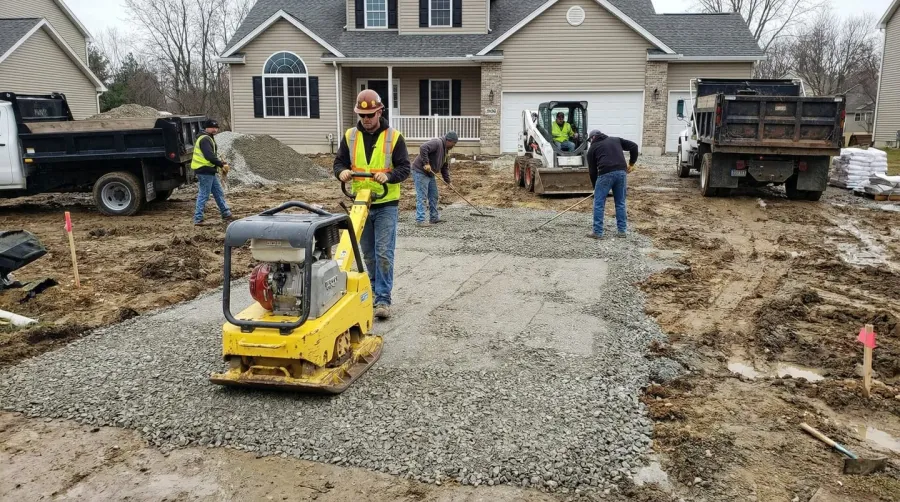
The installation process requires proper preparation and attention to detail. Start by excavating to the proper depth, typically 12-18 inches total. Install each layer in 4-6 inch lifts, compacting thoroughly with a plate compactor or vibratory roller. Proper compaction is crucial for preventing settling and maintaining stability over time. Consulting a comprehensive guide to driveway aggregate types can help you make informed decisions about layering materials.
Cost comparison and maintenance requirements
Understanding the financial aspects helps you balance upfront costs with long-term value. Different materials and installation methods vary significantly in both initial expense and ongoing maintenance needs.
| Material Type | Cost per Ton | Durability Rating | Maintenance Level | Best Use Case |
|---|---|---|---|---|
| Crushed Stone | $25-40 | Excellent | Low | Heavy traffic, cold climates |
| Gravel | $20-35 | Good | Medium | Residential, moderate traffic |
| Recycled Concrete | $15-25 | Very Good | Low | Budget-conscious, eco-friendly |
| Quarry Process | $30-45 | Excellent | Low | All-purpose, professional grade |
Crushed stone typically costs more upfront but requires minimal maintenance over its lifetime. The angular shape and good drainage properties mean less settling, fewer potholes, and better long-term performance. You might spend 20-30% more initially but save significantly on repairs and maintenance.
Gravel offers the most budget-friendly option but may require periodic addition of new material as stones migrate or settle. Plan for annual touch-ups and occasional re-grading, especially in high-traffic areas or after severe weather. If you’re working with a tight budget, check out our guide to the cheapest gravel for driveways to find cost-effective solutions.
Maintenance Reality Check: Well-installed crushed stone driveways can last 15-20 years with minimal maintenance, while gravel driveways typically need attention every 3-5 years to maintain optimal performance.
Recycled concrete provides excellent value, combining lower material costs with good performance characteristics. However, availability varies by location, and you’ll want to verify the source and quality before committing to large quantities.
The key to minimizing long-term costs lies in proper initial installation. Investing in adequate depth, proper compaction, and quality materials during construction prevents expensive repairs later. Skimping on the foundation to save money upfront almost always leads to higher total costs over the driveway’s lifetime.
Choosing the right driveway base material sets the foundation for years of reliable service. The three-layer system using properly sized crushed stone provides the best combination of stability, drainage, and longevity for most applications. While material costs vary, investing in quality base materials and proper installation techniques pays dividends through reduced maintenance and extended driveway life. Consider your specific climate, soil conditions, and traffic patterns when making your final selection, and don’t hesitate to consult with local contractors who understand regional conditions and material availability.
FAQ
What is the best base material for a gravel driveway?
The best base material for a gravel driveway is crushed stone in the 1-3 inch range for the foundation layer. Use crusher run or quarry process (QP) material for the sub-base (4-6 inches deep), followed by medium gravel (2-3 inches) for the middle layer, and finish with smaller decorative stone like pea gravel or crushed limestone. This three-layer system provides superior drainage, load distribution, and long-term stability compared to single-material installations.
How thick should my driveway base be?
Your driveway base should be 12-18 inches total depth for optimal performance. This includes 4-6 inches for the sub-base layer (largest stones), 4-6 inches for the middle layer (medium gravel), and 2-4 inches for the top surface layer. For heavy traffic or poor soil conditions, consider increasing the depth to ensure adequate load-bearing capacity and prevent settling over time.
What’s the difference between crushed stone and regular gravel for driveways?
Crushed stone has angular edges that lock together better than rounded river gravel, creating superior stability and less shifting over time. Crushed stone also provides better drainage properties and handles freeze-thaw cycles more effectively. While regular gravel costs less initially, crushed stone requires less maintenance and lasts longer, making it more cost-effective over the driveway’s lifetime.
How do I choose the right driveway base for my climate and soil type?
For areas with freeze-thaw cycles, choose crushed stone with excellent drainage to prevent water from freezing and causing heaving. Clay soils require materials with superior drainage properties and may need geotextile fabric or French drains. Sandy soils drain naturally but may need stabilization to prevent shifting. Rocky soils provide excellent natural drainage but can be challenging to excavate and grade properly. In heavy rainfall regions, prioritize materials that shed water quickly. Always consider adding extra depth in challenging soil conditions or extreme climates.
Materials for this project
Get it delivered — dumped where you need it
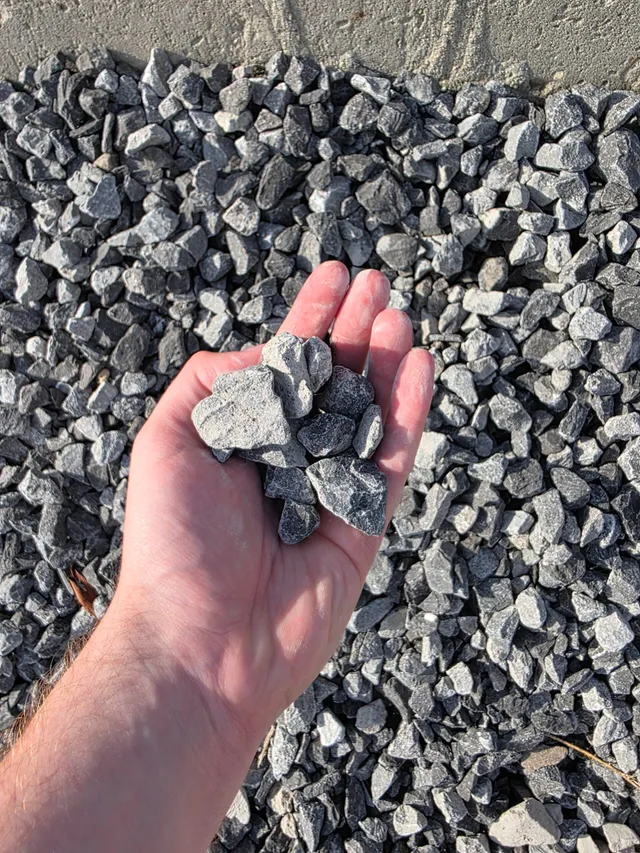
Driveway Gravel
Driveways & Parking areas
See delivered price
View product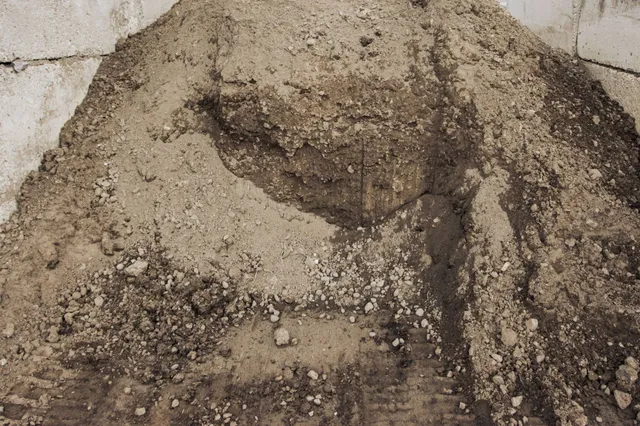
Fill Dirt
Grading & Backfill
See delivered price
View product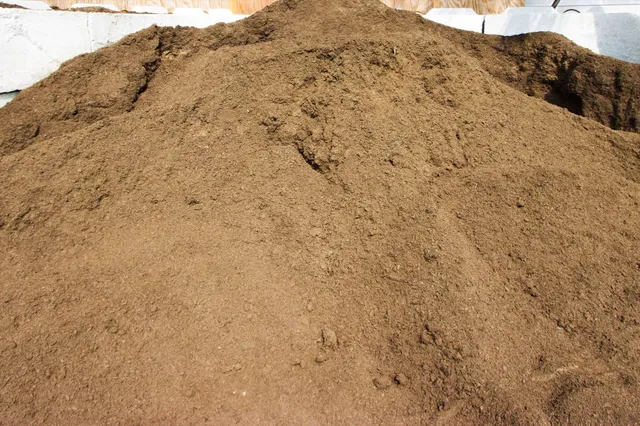
Topsoil
Lawn establishment & Garden beds
See delivered price
View product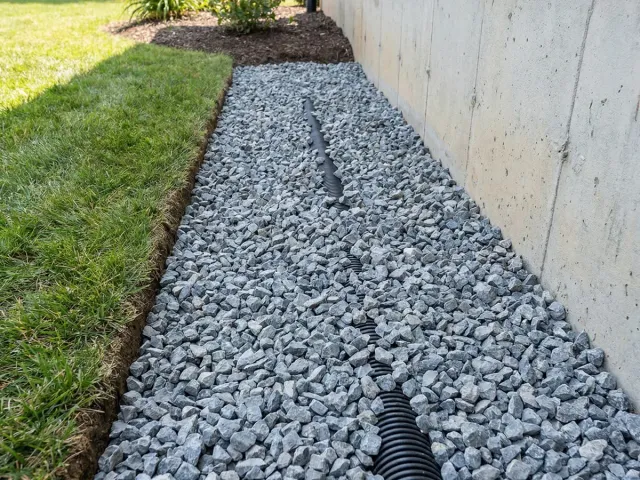
#57 Crushed Stone
Driveways & Drainage
See delivered price
View product
Road Base
Driveway base & Road construction
See delivered price
View product