
Base Material vs Washed Gravel (Which to Use)
Free local estimate
See delivered prices for your ZIP in 60 seconds
Tell us where the project is and we'll price this material — delivered — for your exact ZIP.
- Real delivered pricing for your ZIP — not a generic range.
- Works for any quantity — driveways, pads, drains, or full projects.
- Prefer to talk? We follow up with local availability and delivery windows.
Choosing between base material and washed gravel can make or break your construction or landscaping project. Base material excels in load-bearing applications like driveways and foundations, while washed gravel shines in decorative and drainage-focused projects. Understanding their key differences in composition, cost, and performance will help you select the right material for your specific needs.
Quick Answer: Base material is compacted crushed stone ideal for foundations and heavy-duty applications, while washed gravel features smooth, rounded stones perfect for landscaping and drainage projects.
About Hello Gravel
Hello Gravel delivers bulk gravel, rock, dirt, and sand by the ton. Enter your ZIP code to see prices with delivery included. A local dump-truck driver places the load where access is safe; spreading is not included.
Understanding base material and washed gravel
The fundamental difference between these materials lies in their processing and intended use. Each serves distinct purposes based on their unique characteristics and structural properties.
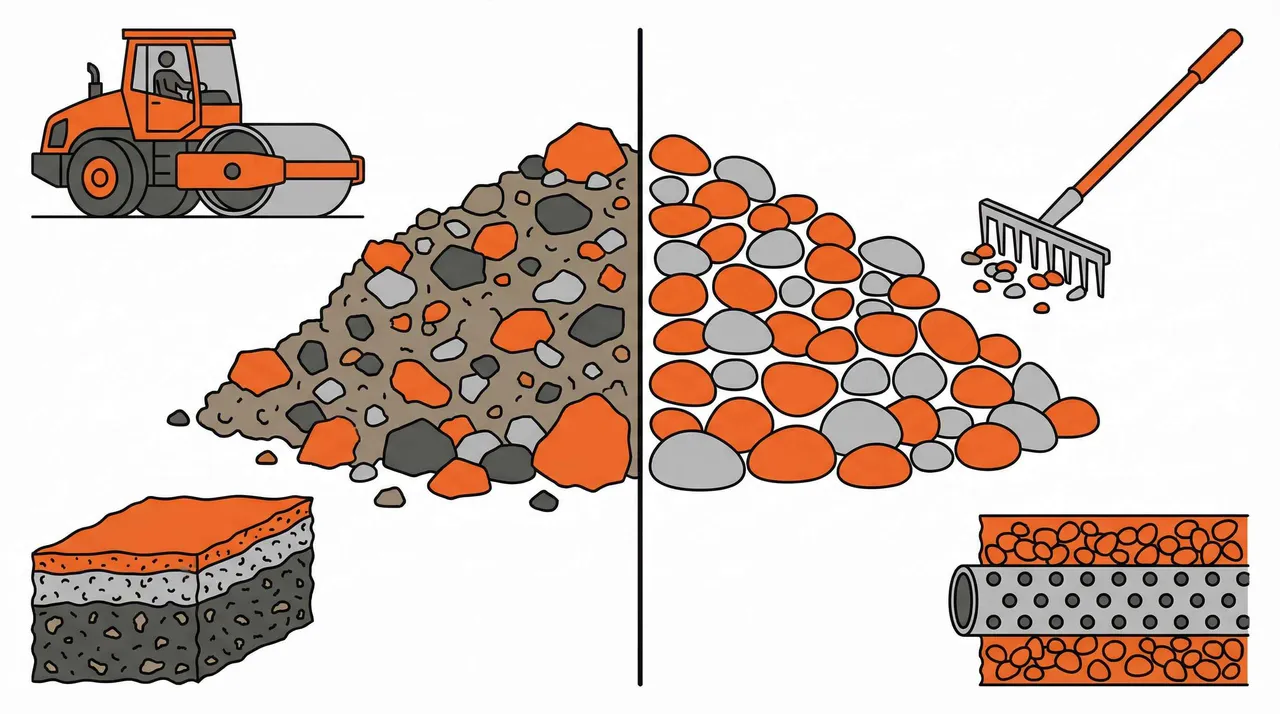
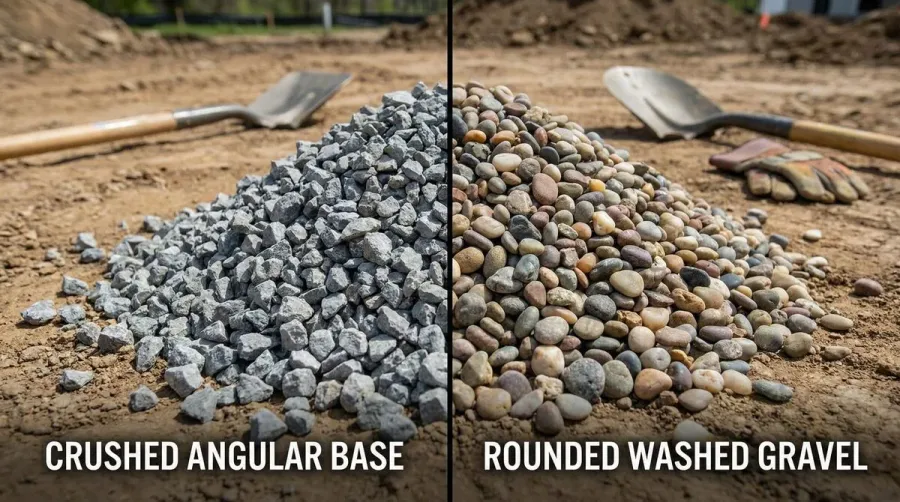
Base material consists of crushed rocks and stones that undergo compression and compaction to create a dense, stable foundation. This process generates a uniform texture capable of bearing substantial weights over extended periods. The angular edges of crushed stones interlock when compacted, creating exceptional stability for construction applications.
Washed gravel features naturally rounded stones shaped by weathering and water erosion. Unlike base material, these smooth stones don’t compact as tightly, making them ideal for decorative purposes and drainage applications. The washing process removes dust and debris, resulting in clean stones available in various colors and sizes.
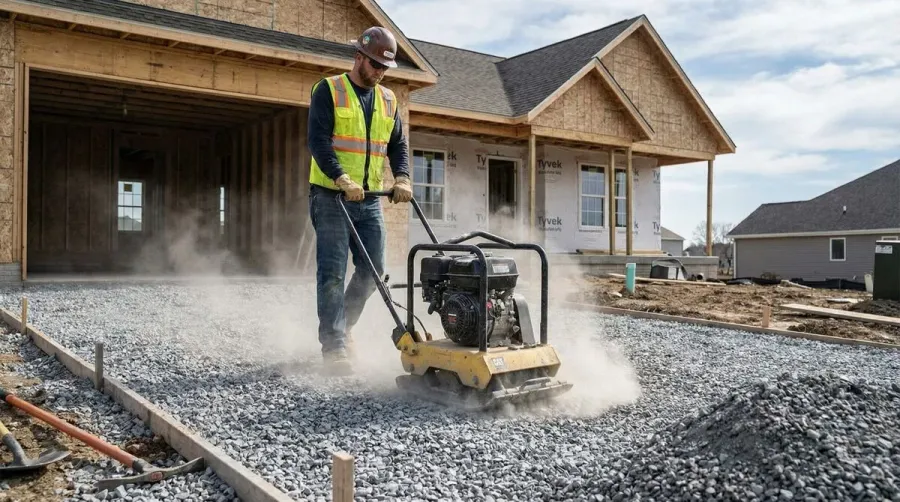
The production methods significantly impact their performance characteristics. Base material’s crushing and compacting process creates sharp edges that lock together, while washed gravel’s natural rounding allows water to flow freely between stones.
Key differences that matter for your project
Several critical factors distinguish these materials and determine their suitability for specific applications. Understanding these differences helps you make informed decisions based on your project requirements.
Composition and structure represent the most significant difference. Base material comprises angular, crushed rock fragments that compact into a solid, dense layer. According to industry standards from hellogravel.com/guides, this compacted structure provides superior load-bearing capacity and stability under heavy loads.
Washed gravel consists of smooth, rounded stones that maintain loose spacing between particles. This structure promotes excellent drainage but offers less stability for weight-bearing applications. If you’re interested in learning more about the differences between washed and unwashed materials, check out our guide on comparing washed vs. unwashed gravel for your landscaping needs.
Cost considerations typically favor base material due to its simpler production process and abundant supply. The crushing and compacting operations require less specialized handling compared to the washing and sorting processes needed for washed gravel.
| Factor | Base Material | Washed Gravel |
|---|---|---|
| Composition | Angular crushed stone | Smooth rounded stones |
| Compaction | High density | Loose structure |
| Cost | Lower | Higher |
| Drainage | Limited | Excellent |
Durability and maintenance requirements differ significantly between these materials. Base material’s compacted nature provides exceptional resistance to shifting and settling, making it ideal for high-traffic areas. The interlocked structure maintains stability even under heavy vehicle loads.
Washed gravel requires more frequent maintenance due to its tendency to shift and displace over time. However, this characteristic makes it easier to adjust and reshape for landscaping modifications.
Best applications for each material
Selecting the right material depends on understanding where each performs optimally. Your project’s specific requirements should guide this decision.
Base material excels in construction applications where stability and load-bearing capacity are paramount. Road construction, building foundations, and driveways benefit from its compacted structure and durability. The material’s ability to distribute weight evenly prevents settling and structural issues. For comprehensive information on selecting foundation materials, explore our article on the best driveway base material.Construction professionals prefer base material for projects requiring long-term stability with minimal maintenance. Its resistance to shifting makes it ideal for areas experiencing heavy traffic or equipment loads. When comparing different foundation options, you might also want to review base material vs screened gravel to understand all your options.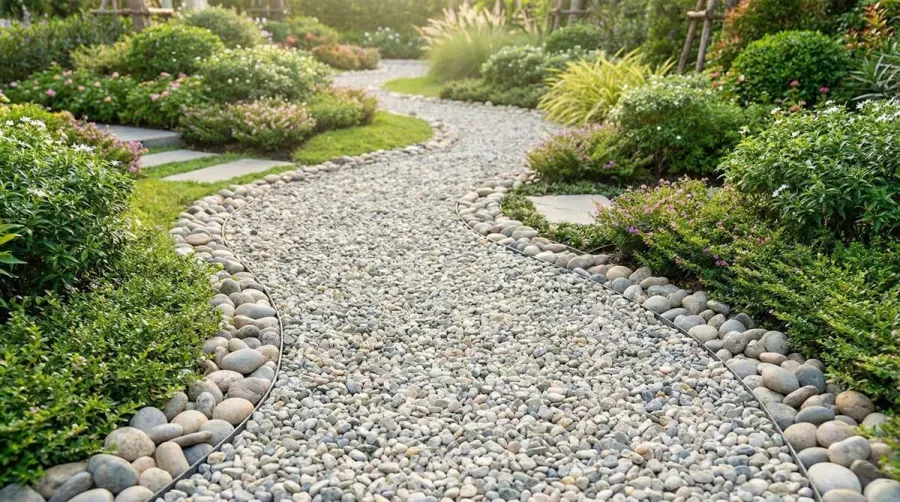 Washed gravel shines in landscaping and drainage projects where aesthetics and water management take priority. Garden pathways, decorative features, and drainage systems benefit from its visual appeal and excellent water flow characteristics.
The variety of colors and sizes available in washed gravel allows for creative landscaping designs. Its drainage properties make it perfect for areas prone to water accumulation or where proper runoff is essential. If you’re considering decorative options, our guide on different types of driveway gravel provides extensive details on various aesthetic choices.
Application Tip: Choose base material for any project requiring structural support, and washed gravel for decorative or drainage-focused applications.
Making the right choice for your project
Your decision should align with your project’s primary objectives and long-term requirements. Consider the following factors when choosing between these materials.Traffic and load requirements play a crucial role in material selection. Projects involving vehicle traffic, heavy equipment, or structural support require base material’s stability and load-bearing capacity. Pedestrian areas and decorative applications can utilize washed gravel’s aesthetic advantages.
Drainage needs may determine your choice in areas with water management concerns. Washed gravel’s superior drainage capabilities make it ideal for areas requiring water flow, while base material’s density may impede drainage in some applications. For projects requiring both structural support and drainage, consider reading about what type of gravel is best to use under a concrete slab.
Budget and maintenance considerations should factor into your long-term planning. While base material offers lower upfront costs and minimal maintenance, washed gravel may require periodic replenishment but provides greater design flexibility. If budget is a primary concern, you might find our article on the cheapest gravel for driveways helpful.
Climate factors can influence material performance. Areas experiencing freeze-thaw cycles benefit from base material’s stability, while regions with heavy rainfall may favor washed gravel’s drainage properties.
Both materials serve important roles in construction and landscaping projects. Base material provides the foundation strength needed for structural applications, while washed gravel offers the drainage and aesthetic qualities essential for landscaping success. Understanding these differences ensures you select the material that best serves your project’s specific requirements and delivers lasting results.
FAQ
What is the main difference between base material and washed gravel?
Base material consists of crushed, angular stones that compact tightly to create a stable, load-bearing foundation ideal for driveways and construction projects. Washed gravel features smooth, rounded stones that have been cleaned of dust and debris, making them perfect for decorative landscaping and drainage applications where water flow is important.
Which material is better for driveways – base material or washed gravel?
Base material is generally better for driveways, especially those with heavy vehicle traffic, because its angular stones interlock when compacted to create exceptional stability and load-bearing capacity. Washed gravel can work for light-traffic driveways and provides better drainage, but it tends to shift under heavy loads and requires more maintenance over time.
Is base material cheaper than washed gravel?
Yes, base material typically costs 20-30% less than washed gravel. This cost difference is due to base material’s simpler production process involving crushing and compacting, while washed gravel requires additional washing and sorting processes to remove debris and achieve the clean, rounded appearance that makes it more expensive.
Can washed gravel be used for drainage projects?
Yes, washed gravel is excellent for drainage projects. The smooth, rounded stones don’t compact as tightly as base material, allowing water to flow freely between the gaps. This makes washed gravel ideal for French drains, garden drainage systems, and areas prone to water accumulation where proper runoff is essential.
Materials for this project
Get it delivered — dumped where you need it
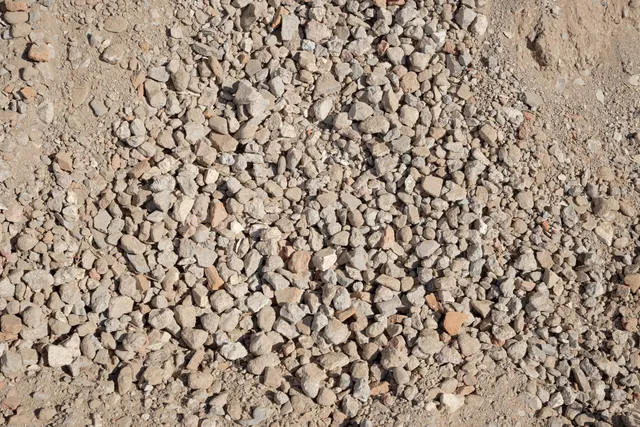
Road Base
Driveway base & Road construction
See delivered price
View product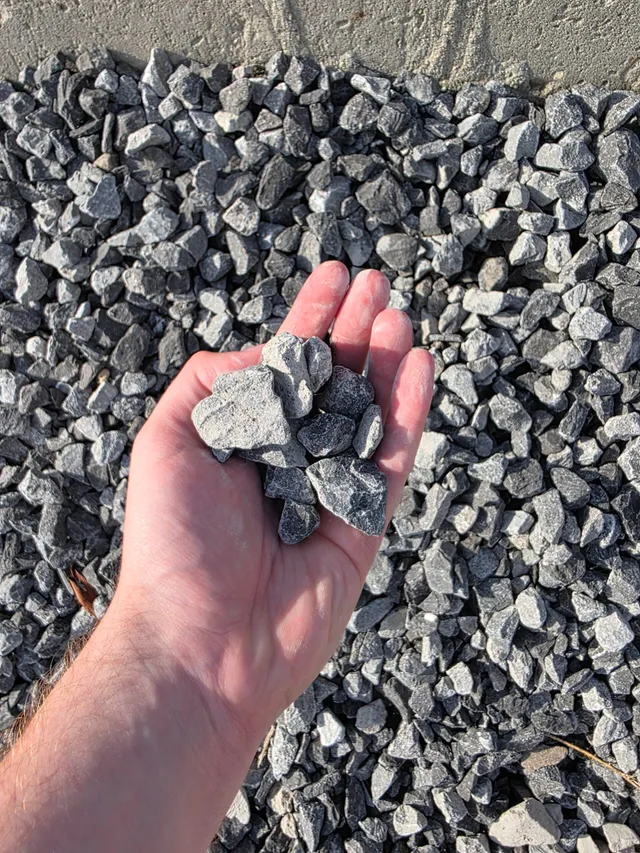
Driveway Gravel
Driveways & Parking areas
See delivered price
View product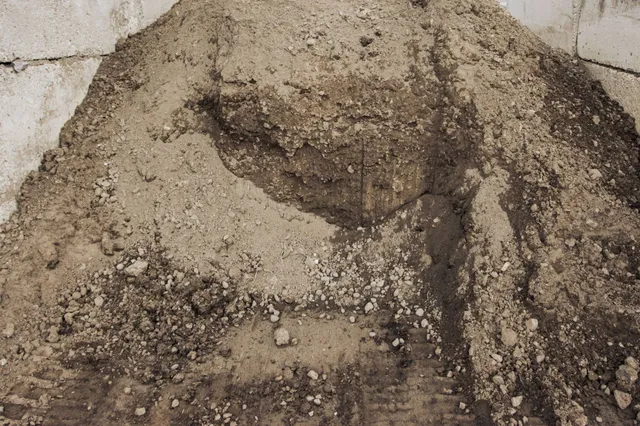
Fill Dirt
Grading & Backfill
See delivered price
View product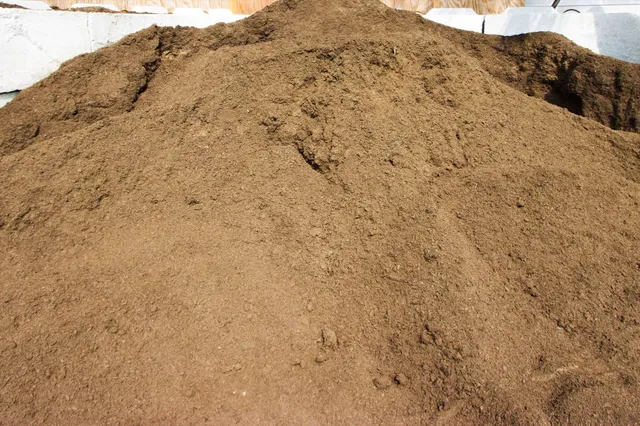
Topsoil
Lawn establishment & Garden beds
See delivered price
View product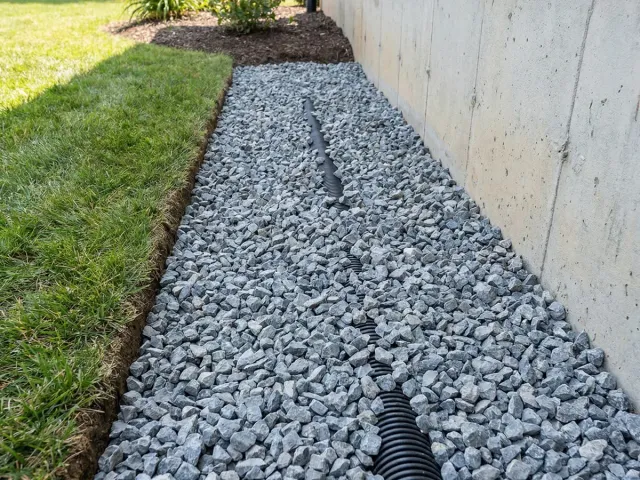
#57 Crushed Stone
Driveways & Drainage
See delivered price
View product