Apparent Specific Gravity for Gravel and Aggregates Complete Guide
Published on: January 24, 2026
Get an estimate for your project in 60 seconds
 Your information is secure
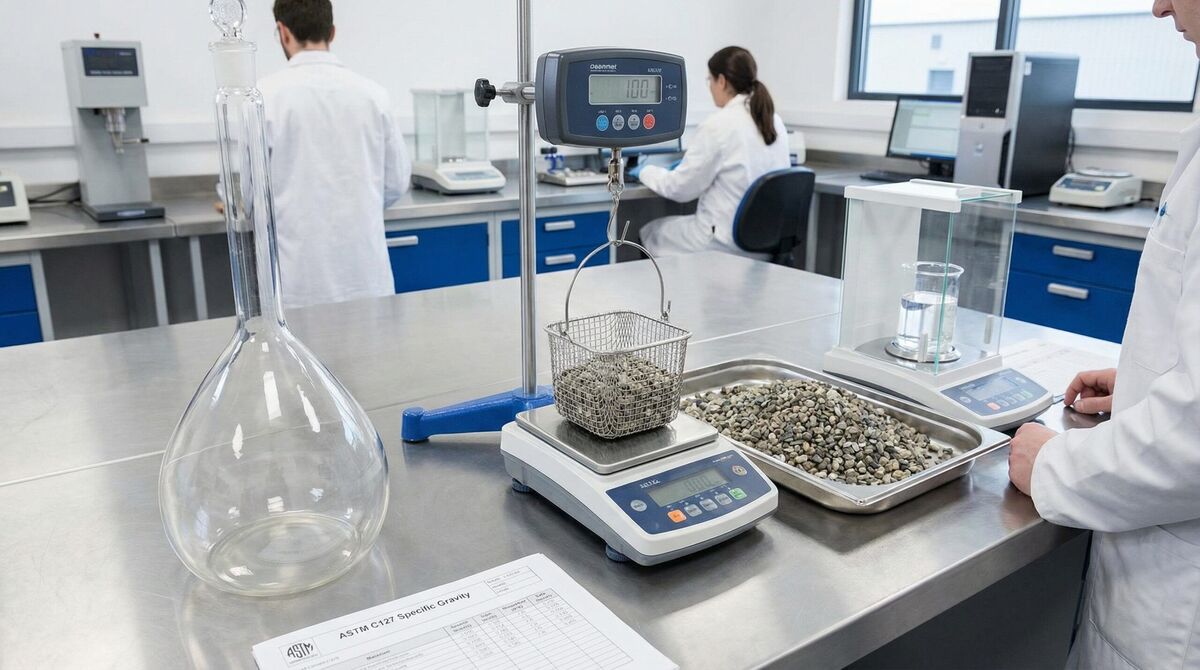
When you’re working with gravel and aggregates, understanding their density characteristics becomes crucial for project success. Apparent Specific Gravity (GSA) measures how dense your material is compared to water, giving you insights into quality, performance, and proper usage in construction applications.
Quick Answer: Apparent specific gravity for gravel typically ranges from 2.4 to 2.9, calculated by dividing the weight of dry gravel by the weight of water it displaces when submerged.
This measurement helps you determine material quality, calculate proper mix ratios, and ensure your gravel meets project specifications. Whether you’re evaluating aggregate for concrete work or assessing soil compaction properties, GSA provides the density data you need for informed decisions.
Understanding apparent specific gravity basics
Apparent specific gravity represents the ratio between your gravel’s weight and an equal volume of water. Think of it like comparing how much heavier your gravel is than the same amount of water would be.
The measurement process involves weighing your gravel sample dry, then weighing it again while submerged in water. The difference tells you exactly how much water the gravel displaces, which reveals its true density characteristics.
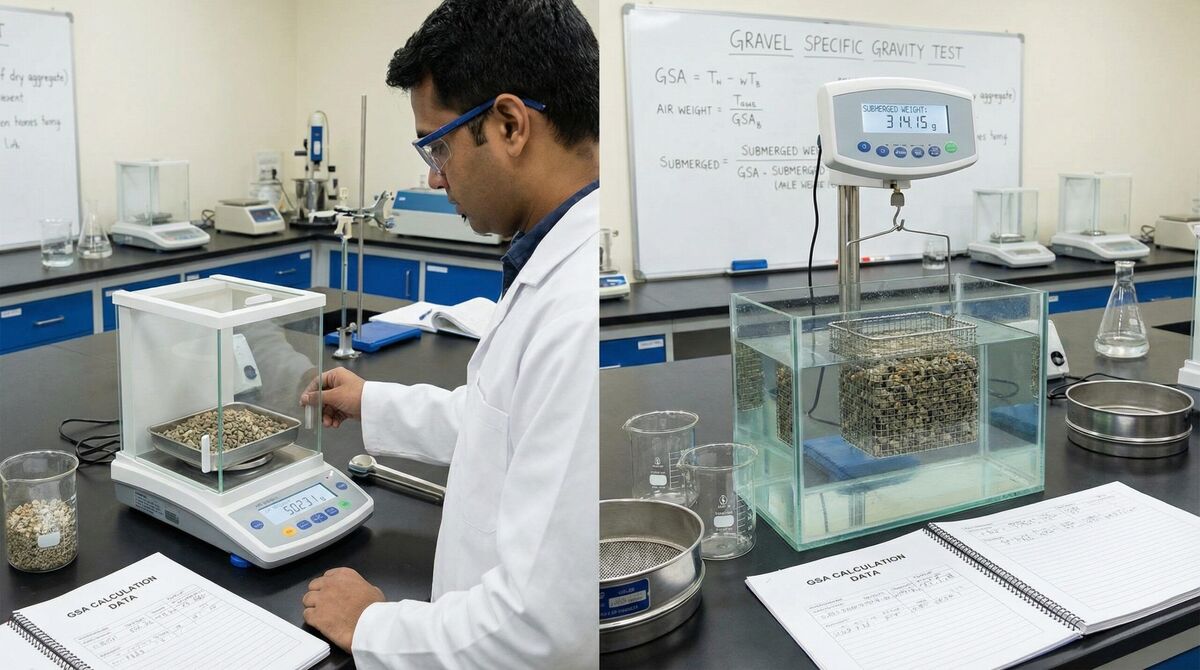
For gravel and aggregates, this measurement excludes water-accessible pore spaces within individual particles. You’re measuring the solid material density, not including internal voids that water can penetrate. This gives you a clearer picture of the actual rock material density.
Different types of gravel show varying GSA values based on their mineral composition and origin. Limestone gravel typically measures around 2.6, while granite-based aggregates often reach 2.7 or higher. Understanding the various sizes of stones and their density characteristics helps you make better material selections for your projects.
Calculation methods and procedures
The standard calculation follows a straightforward formula based on water displacement principles. You’ll need the dry weight of your sample and the weight of water it displaces when fully submerged.
Here’s the basic calculation approach:
GSA = Weight of dry sample ÷ (Weight of dry sample – Weight of submerged sample)
Start by selecting a representative sample of your gravel, typically 2-5 kg depending on maximum particle size. Clean the sample thoroughly to remove any surface coatings or fine particles that might affect accuracy.
Pro Tip: Maintain consistent water temperature during testing, as temperature variations can affect water density and skew your results by up to 0.02 units.
Weigh your clean, dry sample first. Then submerge it completely in water using a wire basket or similar container, ensuring no air bubbles remain trapped. The difference between these two weights represents the water displaced by the solid portions of your gravel.
Most construction standards require testing according to ASTM C127 procedures, which specify exact sample preparation, soaking times, and measurement protocols for reliable results.
Industry applications and uses
Construction professionals rely on GSA measurements for multiple critical applications. In concrete mix design, knowing your aggregate’s specific gravity helps calculate proper proportions and predict final concrete density. When working with crushed concrete, understanding density variations becomes especially important for quality control.
Soil classification systems use GSA values to categorize different soil types and predict their engineering properties. Engineers can estimate bearing capacity, settlement characteristics, and compaction requirements based on these density measurements.
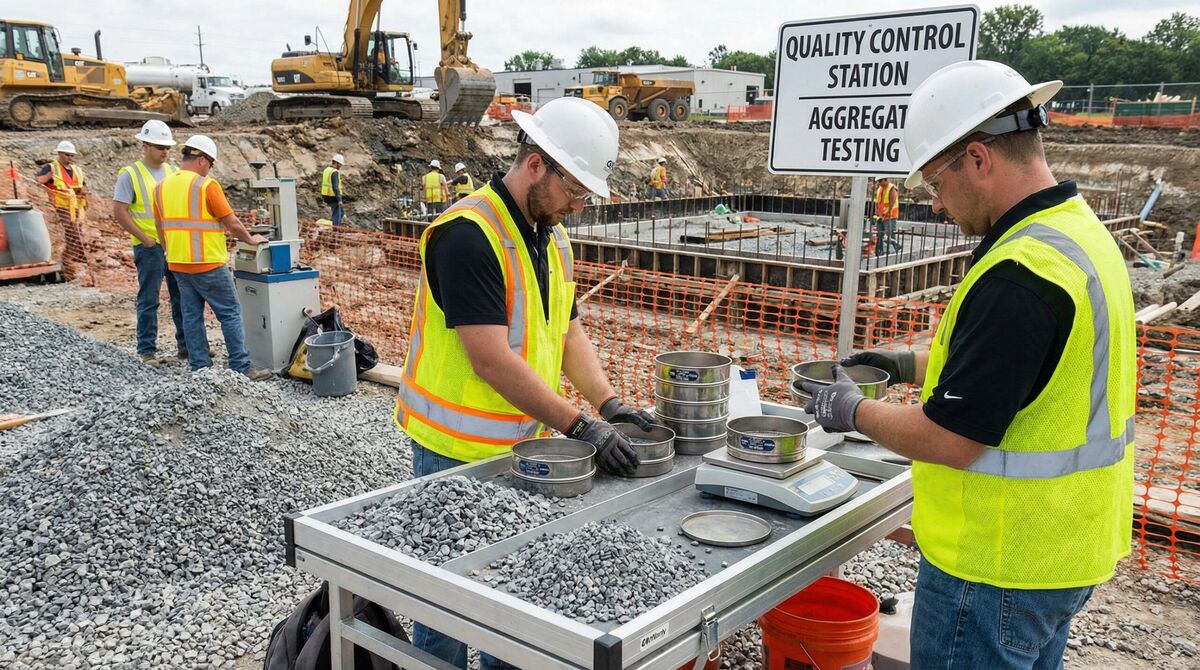
Quality control teams use GSA testing to verify aggregate sources remain consistent over time. Significant changes in specific gravity values can indicate contamination, weathering, or shifts in the source material composition.
Pavement design calculations incorporate aggregate specific gravity to determine layer thicknesses, load-bearing capacity, and long-term performance expectations. Higher specific gravity materials generally provide better structural performance. For driveway applications, consulting the ultimate driveway stone size chart alongside density measurements ensures optimal material selection.
The pharmaceutical and food industries also utilize similar density measurements for powder and granular materials, ensuring consistent product formulations and meeting regulatory requirements.
Practical considerations and limitations
Several factors can influence your GSA measurements and affect result accuracy. Particle shape significantly impacts results, as angular particles may trap air differently than rounded ones during submersion.
Sample preparation becomes critical for reliable results. Inadequate cleaning, improper drying, or contamination with foreign materials can skew measurements. Always follow standardized preparation procedures for consistent results.
| Factor | Impact on GSA | Mitigation Strategy |
|---|---|---|
| Temperature variation | ±0.02 units | Maintain constant temperature |
| Sample contamination | Variable | Thorough cleaning protocols |
| Air bubble entrapment | Lower readings | Proper submersion technique |
| Particle size variation | Inconsistent results | Representative sampling |
Important Note: Materials that absorb significant amounts of water may not provide accurate GSA readings using standard methods, as water absorption affects the displacement calculation.
Equipment costs vary widely depending on precision requirements. Basic setups using standard balances and water containers cost under $500, while precision pycnometers for research applications can exceed $5,000.
Consider outsourcing testing to certified laboratories if you only need occasional measurements. Many materials testing facilities offer GSA testing services for $50-150 per sample, including full documentation and certification.
Testing frequency depends on your quality control requirements and material variability. High-volume projects may require daily testing, while smaller jobs might need only initial qualification testing. When selecting materials, refer to a comprehensive guide to construction stone sizes to ensure you’re testing the appropriate aggregate grades for your application.
Understanding apparent specific gravity empowers you to make better material selection decisions and ensure your gravel meets project requirements. Whether you’re designing concrete mixes, evaluating aggregate quality, or planning construction specifications, GSA provides the density insights needed for successful project outcomes. For a complete understanding of material selection, explore the ultimate aggregate gravel size chart to complement your density testing knowledge. Regular testing and proper interpretation of results will help maintain consistent material quality throughout your construction projects.
FAQ
What is the difference between apparent specific gravity and bulk specific gravity for gravel?
What is the typical apparent specific gravity range for different types of gravel?
How do you calculate apparent specific gravity for gravel samples?
Why is apparent specific gravity important for construction projects using gravel?
Author: