What Is the Best Limestone Size for a Playground?
Published on: February 18, 2024
Get an estimate for your project in 60 seconds
 Your information is secure
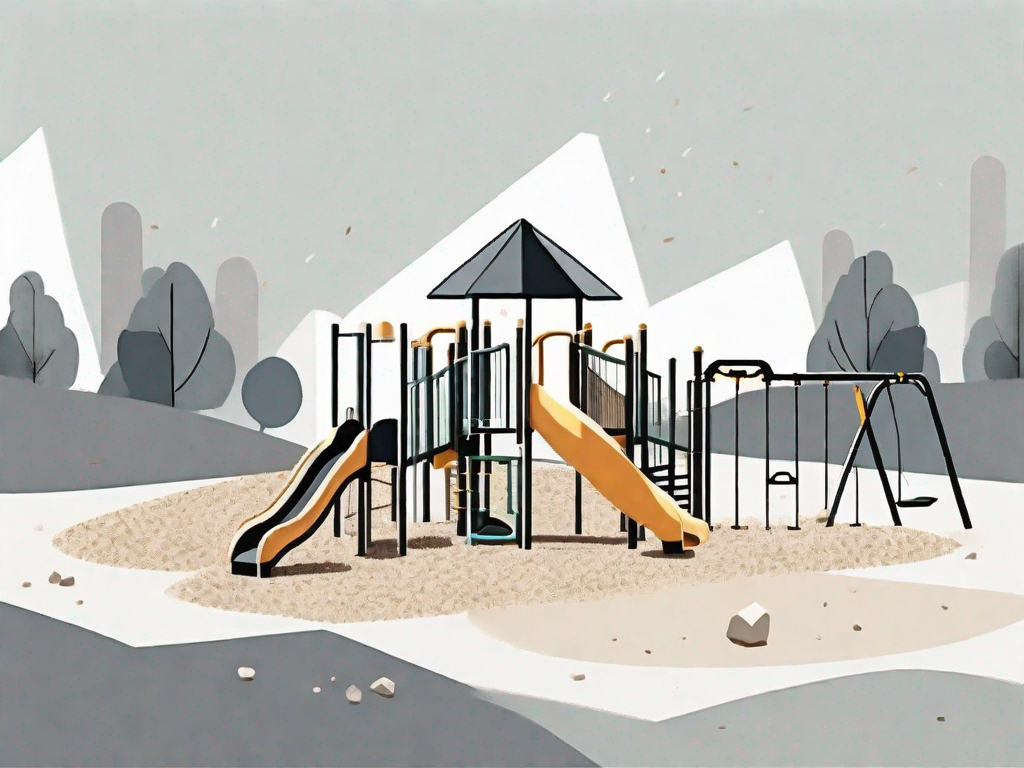
When it comes to designing a playground, there are numerous factors to consider. One crucial aspect is choosing the right materials, including the type and size of limestone used. Limestone has long been a popular choice for playgrounds due to its durability and natural appearance. However, the question remains: what is the best limestone size for a playground?
Understanding the Role of Limestone in Playgrounds
Before diving into the ideal limestone size, it’s essential to understand why limestone is commonly used in playgrounds. One of the primary reasons is its safety and non-toxic nature. Limestone is an excellent alternative to traditional playground materials like sand or gravel, which can cause skin irritation or allergic reactions.
The Importance of Safety in Playground Materials
When it comes to children’s play areas, safety is paramount. Playground materials should be non-slip and shock-absorbent, reducing the risk of injury in case of falls. Limestone meets these criteria, providing a secure surface for children to play on while minimizing the chance of accidents.
But safety is not the only consideration when choosing playground materials. The durability and longevity of the material are also crucial factors. Limestone is known for its strength and resilience, making it an ideal choice for high-traffic areas like playgrounds. It can withstand heavy use and maintain its integrity over time, ensuring that the playground remains safe and functional for years to come.
Furthermore, limestone has excellent drainage properties. It allows rainwater to permeate through the surface, preventing the formation of puddles or stagnant water. This feature is particularly important in playgrounds, as it helps to keep the area dry and reduces the risk of slips and falls.
Limestone: A Popular Choice for Playgrounds
Limestone is also appealing due to its aesthetically pleasing qualities. Its natural color and texture blend seamlessly with outdoor environments, creating a visually appealing playground that complements the natural surroundings. Additionally, limestone is highly versatile, allowing for a variety of design options and customizations.
Playgrounds can be designed to incorporate limestone in various ways. It can be used as a surfacing material for the entire playground area or as an accent feature for specific elements, such as pathways or seating areas. The versatility of limestone allows designers to create unique and engaging playgrounds that cater to the specific needs and preferences of the community.
Moreover, limestone is an environmentally friendly choice for playgrounds. It is a natural material that does not require extensive processing or harmful chemicals. By using limestone in playground construction, we can reduce our impact on the environment and promote sustainable practices.
In conclusion, limestone is an excellent choice for playgrounds due to its safety, durability, drainage properties, aesthetic appeal, versatility, and environmental friendliness. By incorporating limestone into playground designs, we can create safe and engaging play areas that enhance the overall experience for children and their families.
Evaluating Different Sizes of Limestone
When considering the best limestone size for a playground, it’s crucial to examine the pros and cons of various options. Let’s explore the advantages and disadvantages of both large limestone pieces and small limestone grains.
Choosing the right limestone size for a playground is a decision that requires careful consideration. The size of the limestone can have a significant impact on the overall functionality and safety of the playground. By evaluating the pros and cons of both large limestone pieces and small limestone grains, playground designers can make an informed decision that meets the needs of the children who will be using the space.
Pros and Cons of Large Limestone Pieces
Large limestone pieces have their benefits. They provide a solid foundation that is less likely to shift or erode over time. This stability is particularly essential in high-traffic areas and ensures the longevity of the playground. Additionally, the size of the limestone pieces can create a visually appealing landscape, adding a natural and rustic element to the playground.
However, large limestone pieces can be challenging to walk on and may pose a tripping hazard, especially for younger children. The uneven surface of the larger stones can make it difficult for children to maintain their balance while running or playing. This can increase the risk of falls and injuries. Playground designers must carefully consider the age range of the children using the playground and the level of supervision available to determine if large limestone pieces are a suitable option.
Assessing the Benefits of Small Limestone Grains
In contrast, small limestone grains offer a more comfortable surface for walking and running. These fine particles create a cushioned texture that absorbs shock, reducing the impact on joints and bones. This can be particularly beneficial for children who may be more prone to accidents or have existing joint or bone conditions.
Furthermore, the smaller size of the limestone grains allows for better drainage, reducing the risk of water pooling on the playground surface. This can help prevent slips and falls, especially during wet weather conditions. Additionally, small limestone grains are easier to navigate, making them a safer option for younger children who are still developing their motor skills.
However, it’s worth noting that small limestone grains may be prone to settling and require occasional maintenance to ensure an even distribution throughout the playground. This can involve raking or leveling the surface to maintain its integrity and prevent any uneven areas from forming. Playground designers should consider the maintenance requirements and resources available when deciding on the size of the limestone for the playground.
The Ideal Limestone Size for Playgrounds
While both large limestone pieces and small limestone grains have their advantages, determining the ideal size depends on several factors.
Factors Determining the Best Limestone Size
The size of your playground, the age group using it, and your specific design goals all play a role in selecting the best limestone size. For larger playgrounds with ample space, a combination of large limestone pieces and small limestone grains may be the ideal choice, ensuring both stability and comfort. Smaller playgrounds, on the other hand, may benefit more from smaller limestone grains to maximize playability.
The Impact of Limestone Size on Playground Durability
Additionally, the limestone size affects the overall durability of the playground. Large limestone pieces provide a sturdy foundation that can withstand heavy use, while small limestone grains offer improved shock absorption properties. Balancing these considerations is crucial to ensure the longevity and safety of the playground.
Installation and Maintenance of Limestone in Playgrounds
Once you’ve decided on the ideal limestone size, proper installation techniques are crucial to achieving the best results.
Proper Installation Techniques for Limestone
During installation, it’s essential to level the ground and create a solid base to prevent uneven surfaces and potential tripping hazards. Additionally, ensuring adequate drainage is vital to minimize the risk of water pooling, which can lead to erosion or the growth of moss and algae.
Maintaining a Limestone Playground Over Time
Regular maintenance is necessary to keep your limestone playground in optimal condition. This includes inspecting for any signs of erosion or settling and addressing them promptly. Periodic cleaning is also recommended to remove dirt, debris, and any potential hazards like protruding stones.
Other Considerations When Choosing Playground Limestone
While selecting the best limestone size is a crucial aspect, other factors must also be taken into account.
Cost Implications of Different Limestone Sizes
Cost is a significant consideration for any playground project. Larger limestone pieces tend to be more expensive due to their size and weight, while smaller limestone grains may offer a more cost-effective option. Balancing cost and quality is essential to ensure a well-built and durable playground.
Environmental Impact of Using Limestone in Playgrounds
Lastly, it’s essential to consider the environmental impact of using limestone in playgrounds. Limestone is a natural material that can be sourced responsibly, ensuring minimal ecological disruption. Additionally, its durability and longevity reduce the need for frequent replacement, further reducing waste and environmental impact.
In conclusion, selecting the best limestone size for a playground involves careful consideration of safety, durability, and aesthetic appeal. Assessing the pros and cons of large limestone pieces versus small limestone grains is essential, as is analyzing factors like cost and environmental impact. By weighing these considerations and understanding the unique requirements of your playground, you can make an informed decision that creates a safe and enjoyable space for children to play.
Author: alan