How Much Limestone Do I Need for a Playground Surface?
Published on: April 9, 2024
Get an estimate for your project in 60 seconds
 Your information is secure
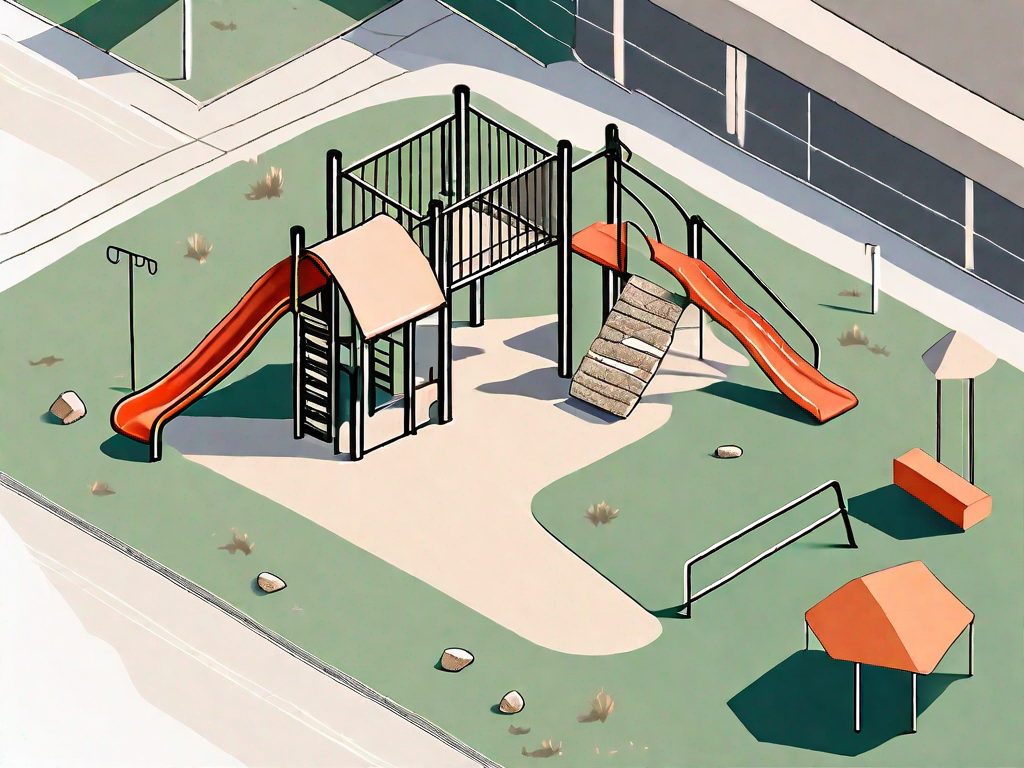
Playgrounds are a crucial part of a child’s development, providing them with opportunities for physical activity and social interaction. When it comes to building or renovating a playground surface, choosing the right materials is essential. One popular choice that offers both safety and durability is limestone. In this article, we will explore the role of limestone in playground surfaces, how to calculate the amount needed, the types of limestone suitable for playgrounds, the installation process, and tips for maintaining your limestone surface.
Understanding the Role of Limestone in Playground Surfaces
When it comes to choosing the right material for playground surfaces, limestone stands out as an excellent option. Its unique properties offer a range of benefits that prioritize safety, functionality, and aesthetics. Let’s delve deeper into the advantages of using limestone in playgrounds.
The Benefits of Using Limestone
Limestone boasts several advantages that make it a top choice for playground surfaces. One of its standout features is its exceptional shock absorption capability, which plays a vital role in reducing the risk of injuries resulting from falls. Thanks to its natural flexibility, limestone can effectively absorb impact energy, cushioning the landing and providing a protective layer for children.
In addition to its safety benefits, limestone also offers excellent drainage properties. Unlike some other materials, limestone allows water to flow through, preventing the surface from becoming waterlogged. This feature ensures that the playground remains dry and usable, even after heavy rainfall. Children can enjoy their playtime without worrying about slipping or mud puddles.
Furthermore, limestone is renowned for its natural beauty. Its visually appealing texture creates a playground surface that seamlessly blends with the surrounding environment. The neutral color palette of limestone complements any playground design, making it an ideal choice for both urban and natural settings. Whether it’s a vibrant city playground or a serene park, limestone surfaces enhance the overall aesthetic appeal.
Safety Considerations for Limestone Surfaces
While limestone offers numerous benefits, it is crucial to consider safety factors when using it for playground surfaces. One concern is the potential slipperiness of limestone when wet. To mitigate this risk, it is essential to select a limestone type with a suitable texture that provides adequate grip, even in wet conditions. This ensures that children can play safely without the fear of accidents caused by slippery surfaces.
Additionally, regular maintenance is paramount to ensure the ongoing safety of the limestone surface. Conducting routine inspections is crucial to detect any cracks, uneven areas, or other issues that could pose a safety hazard. By promptly addressing and repairing such issues, playground operators can maintain a safe and reliable surface for children to enjoy.
In conclusion, limestone is a versatile and highly beneficial material for playground surfaces. Its ability to absorb shock, excellent drainage properties, and natural beauty make it an ideal choice for creating safe and visually appealing play areas. By considering safety factors and implementing regular maintenance, limestone surfaces can provide a durable and enjoyable play experience for children of all ages.
Calculating the Amount of Limestone Needed
Measuring Your Playground Area
Before determining the amount of limestone needed, you must accurately measure your playground area. Start by measuring the width and length of the space using a tape measure. Multiply these two measurements to determine the total square footage of your playground.
It is a good practice to add an additional 10% to your calculated square footage. This extra buffer accounts for any irregularities, wastage, or future expansion plans, ensuring that you have enough limestone to cover your entire playground surface.
Determining the Depth of Limestone Required
The depth of the limestone layer is another crucial factor to consider. The appropriate depth will depend on various factors, including the type of limestone, expected usage, and local regulations. In general, a minimum depth of 6 inches is recommended for playground surfaces to provide adequate shock absorption.
You may need to consult with a professional or local authorities to determine the exact depth requirements for your specific location. They will consider factors such as the critical fall height, local building codes, and safety standards to help you determine the appropriate depth of limestone for your playground surface.
Types of Limestone Suitable for Playgrounds
Crushed Limestone
Crushed limestone is a popular option for playground surfaces due to its affordability and versatility. It is produced by crushing limestone rocks into small, uniform pieces. The resulting material is ideal for creating a compact and stable foundation.
Crushed limestone provides great shock absorption and drainage capabilities. Its small size allows for effective compaction, ensuring a level surface that is safe for children of all ages. Additionally, it is readily available and can be easily sourced from local suppliers.
Limestone Gravel
Limestone gravel is another option to consider for playground surfaces. It consists of larger limestone particles, typically measuring 1/4 inch or more in size. This type of limestone offers excellent drainage properties and is less likely to shift or compact over time.
Limestone gravel provides a natural and rustic appearance, giving playgrounds a unique aesthetic appeal. It is often used in areas with heavy rainfall or where additional drainage is required due to its larger particle size and increased water permeability.
Installation Process for Limestone Playground Surfaces
Preparing the Ground
Before installing the limestone surface, proper groundwork is essential. Start by clearing the area of any debris, rocks, or vegetation. Level the ground and compact it to ensure a stable foundation. It is important to remove all potential hazards and ensure that the area is safe for children.
If necessary, install a geotextile fabric layer to control weed growth and provide additional stabilization. This fabric will prevent weeds from growing through the limestone and help maintain its integrity over time.
Laying and Spreading the Limestone
Once the ground is prepared, you can begin laying and spreading the limestone. Start by spreading a layer of limestone evenly across the playground area, ensuring that it covers the entire surface. Use a rake or leveling tool to distribute the limestone and create a smooth and consistent layer.
As you spread the limestone, periodically check the depth to ensure that it meets the required specifications. Use a measuring tool or level to verify that the limestone layer is uniform and maintains the desired depth throughout the playground surface.
Maintaining Your Limestone Playground Surface
Regular Cleaning and Raking
Maintaining a clean and debris-free limestone surface is crucial for preserving its longevity and safety. Regularly sweep or rake the surface to remove any leaves, twigs, or other debris that may accumulate over time. This will help prevent clogging and ensure proper drainage.
Inspect the surface regularly for any cracks, uneven areas, or signs of wear. Promptly address any issues to prevent further damage and maintain the safety and integrity of the playground surface. Consider scheduling regular professional inspections to identify any hidden or underlying issues that may require attention.
When to Add More Limestone
Over time, the limestone surface may experience natural wear and tear due to environmental factors and heavy usage. Inspect the surface periodically for signs of compaction or erosion. If the initial depth of limestone has significantly reduced, it may be necessary to add more limestone to restore the desired shock absorption and safety.
Consult with a professional to determine the appropriate time and method for adding more limestone. They will assess the condition of the playground surface and provide recommendations tailored to your specific needs.
In conclusion, determining the amount of limestone needed for a playground surface involves measuring the area and considering the desired depth. Crushed limestone and limestone gravel are both suitable options, each offering unique benefits. Proper installation and regular maintenance are crucial for preserving the safety and longevity of the limestone surface. By carefully calculating the amount needed and following the recommended guidelines, you can create a durable and safe playground surface that children can enjoy for years to come.
Get Your High-Quality Limestone with Bulk Aggregate Supply
Ready to create a safe and stunning playground surface with top-grade limestone? Look no further than Bulk Aggregate Supply, your nationwide provider of premium aggregates. We deliver not just limestone but also dirt, sand, gravel, and more, right to your project site. Experience our white-glove service and let us handle the heavy lifting. Simply check out our products, request a quote, or place your order online, and we’ll ensure a seamless supply and delivery process tailored to your needs, no matter the size of your project. With Bulk Aggregate Supply, you’re choosing a partner dedicated to providing exceptional customer service and the highest quality materials for your playground project.
Author: alan