Does Pea Gravel Compact Well for Driveways and Pathways
Published on: January 1, 2026
Get an estimate for your project in 60 seconds
 Your information is secure
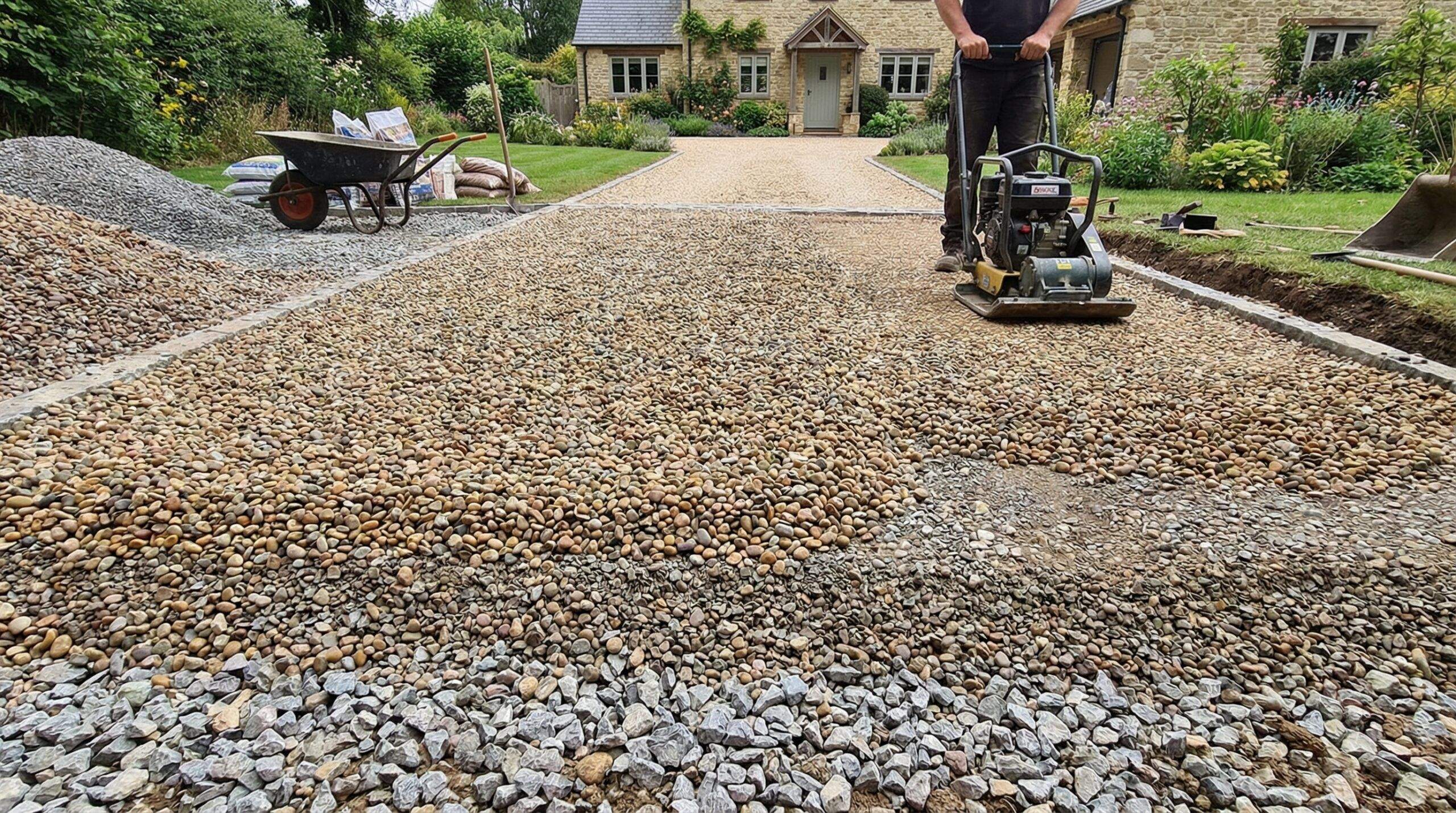
Pea gravel does not compact well naturally due to its smooth, rounded shape that reduces friction between particles. However, you can achieve better stability by using larger sizes (3/8″ or bigger), installing proper base layers, and limiting depth to 2-4 inches.
Quick Answer: While pea gravel’s round shape makes it challenging to compact compared to angular crushed stone, proper installation techniques can create stable surfaces for light-traffic areas like garden paths and decorative driveways.
Whether you’re planning a charming garden pathway or considering pea gravel for your driveway, understanding its compaction properties will help you make the right choice for your project. Let’s explore what makes pea gravel unique and how to work with its natural characteristics.
What makes pea gravel different from other materials
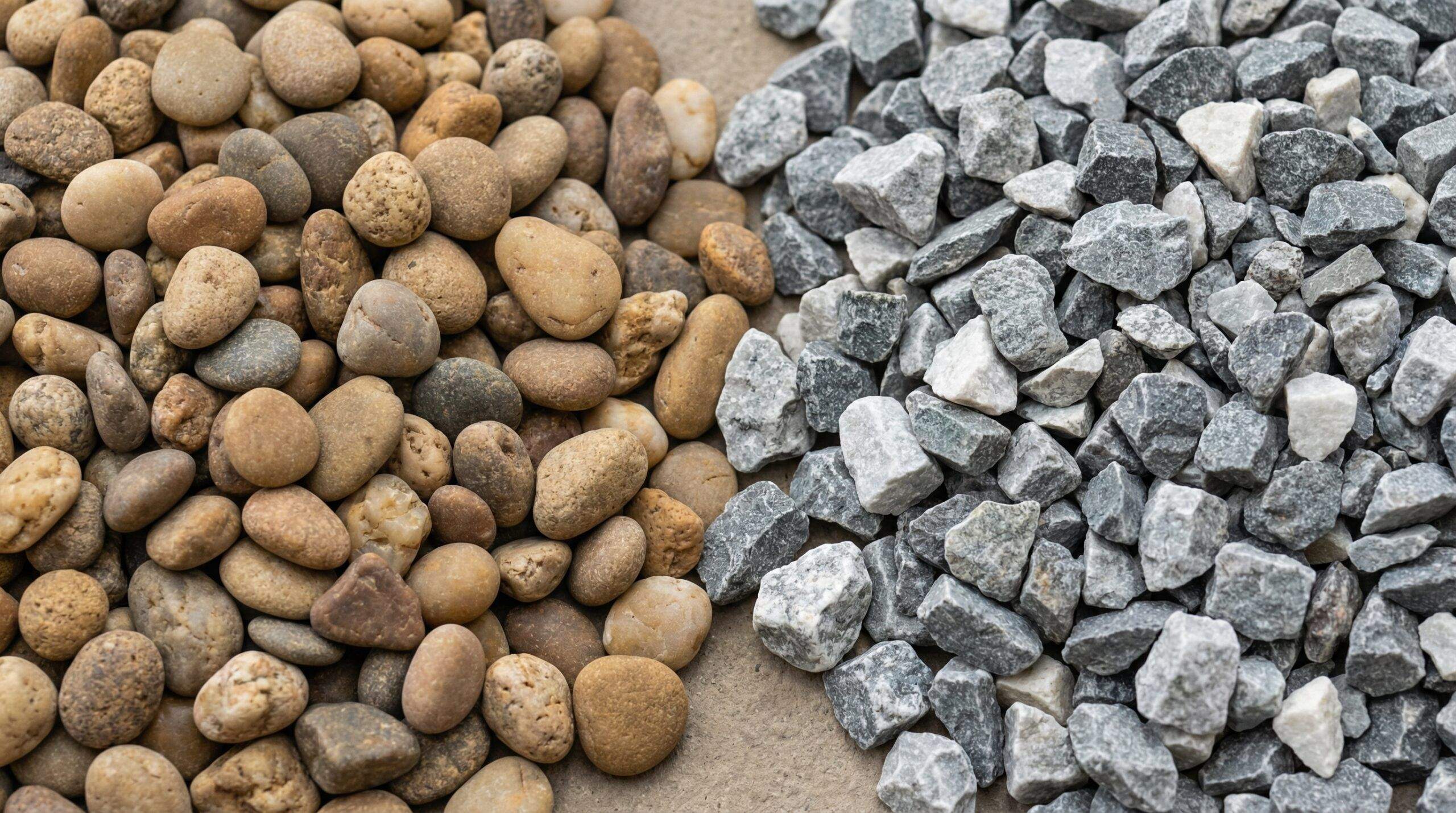
Pea gravel consists of small, naturally rounded stones typically measuring 1/8″ to 3/8″ in diameter. These smooth pebbles get their name from their resemblance to green peas and form when rocks tumble together in rivers or quarries over time.
The key difference between pea gravel and crushed gravel lies in particle shape. While crushed stone has angular edges that interlock when compacted, pea gravel’s smooth surfaces create less friction. This means the individual stones can shift and move more easily under pressure.You’ll find pea gravel in various natural colors including buff, brown, tan, white, and gray. This variety makes it popular for decorative applications where aesthetics matter as much as function. The smooth texture also feels comfortable underfoot, making it pleasant to walk on even barefoot.
How pea gravel responds to compaction efforts
When you attempt to compact pea gravel using mechanical compactors, the results differ significantly from angular materials. The rounded stones tend to roll over each other rather than lock into place, creating a surface that remains somewhat loose and mobile.However, this doesn’t mean compaction is impossible. Running a plate compactor over pea gravel will settle the stones and create a more stable surface than loose application. The key is managing your expectations – you won’t achieve the rock-solid stability of compacted crushed stone.
Size plays a crucial role in compaction success. Larger pea gravel (3/8″ to 5/8″) resists displacement better than smaller sizes. Particles under 1/4″ are more prone to shifting and settling when subjected to foot traffic or vehicle weight.
Pro Tip: Mixing pea gravel with stabilizing materials like decomposed granite or crushed stone fines can significantly improve compaction while maintaining the aesthetic appeal of pea gravel.
For better results, consider using binding agents like mulch glue specifically designed for loose aggregates. These products help hold the gravel in place while preserving drainage benefits and visual appeal.
Installation techniques for maximum stability
Proper installation makes the difference between a stable pea gravel surface and one that constantly shifts and develops ruts. Start with a solid foundation using an open-graded base of larger crushed stone (1″ minus). This prevents the pea gravel from sinking into soft soil and provides structural support.
Keep your pea gravel layer thin – between 2 to 4 inches deep. Deeper applications over 6 inches are more prone to compaction and lose the comfortable walking surface that makes pea gravel attractive. Thinner layers also reduce the weight pressing down on lower stones.
Drainage is critical for maintaining stability. Ensure water can flow away from the surface and doesn’t pool underneath the gravel. Excess moisture weakens the substrate and makes compaction problems worse. Consider installing proper grading and drainage systems before laying your pea gravel.
| Installation Factor | Recommended Approach | Why It Matters |
|---|---|---|
| Base Layer | 1″ minus crushed stone | Prevents sinking and provides structure |
| Pea Gravel Depth | 2-4 inches maximum | Reduces compaction forces |
| Drainage | Proper grading and water management | Maintains substrate stability |
For decorative applications, limit foot traffic by creating designated pathways. This preserves the loose, natural appearance that makes pea gravel so appealing in garden settings.

When to choose alternatives for better compaction
While pea gravel works well for many applications, certain projects require materials with superior compaction properties. Heavy-traffic driveways, parking areas, and load-bearing surfaces benefit more from crushed stone or quarry process materials.
Crushed stone offers angular particles that interlock when compacted, creating a stable surface that can handle vehicle traffic. The jagged edges provide the friction that pea gravel lacks, making it ideal for structural applications.
For projects requiring both aesthetics and stability, consider using crushed stone as a base material with a thin decorative layer of pea gravel on top. This approach gives you the visual appeal of pea gravel while maintaining structural integrity underneath.
Consider This: Self-binding gravels that contain stone fines naturally compact better than pure pea gravel while still offering attractive, natural-looking surfaces for pathways and light-traffic areas.
Road base materials, which combine crushed stone with fines, provide excellent compaction for heavy-duty applications. These materials are specifically designed to create stable, long-lasting surfaces under significant loads.
Understanding these limitations helps you choose the right material for your specific needs. Pea gravel excels in decorative landscaping applications and areas with light foot traffic, while crushed materials handle structural demands better.
The key to successful pea gravel installation lies in working with its natural properties rather than against them. When properly installed with appropriate base materials and realistic expectations, pea gravel creates beautiful, functional surfaces that enhance your outdoor spaces. Choose pea gravel for its aesthetic appeal and comfortable walking surface, but consider alternatives when maximum stability and compaction are your primary concerns.
FAQ
Does pea gravel compact over time?
Can pea gravel be used for driveways?
What is the best base material to put under pea gravel?
How deep should pea gravel be installed for best results?
Author: