
Road Mulch Benefits for Safety and Sustainability in 2026
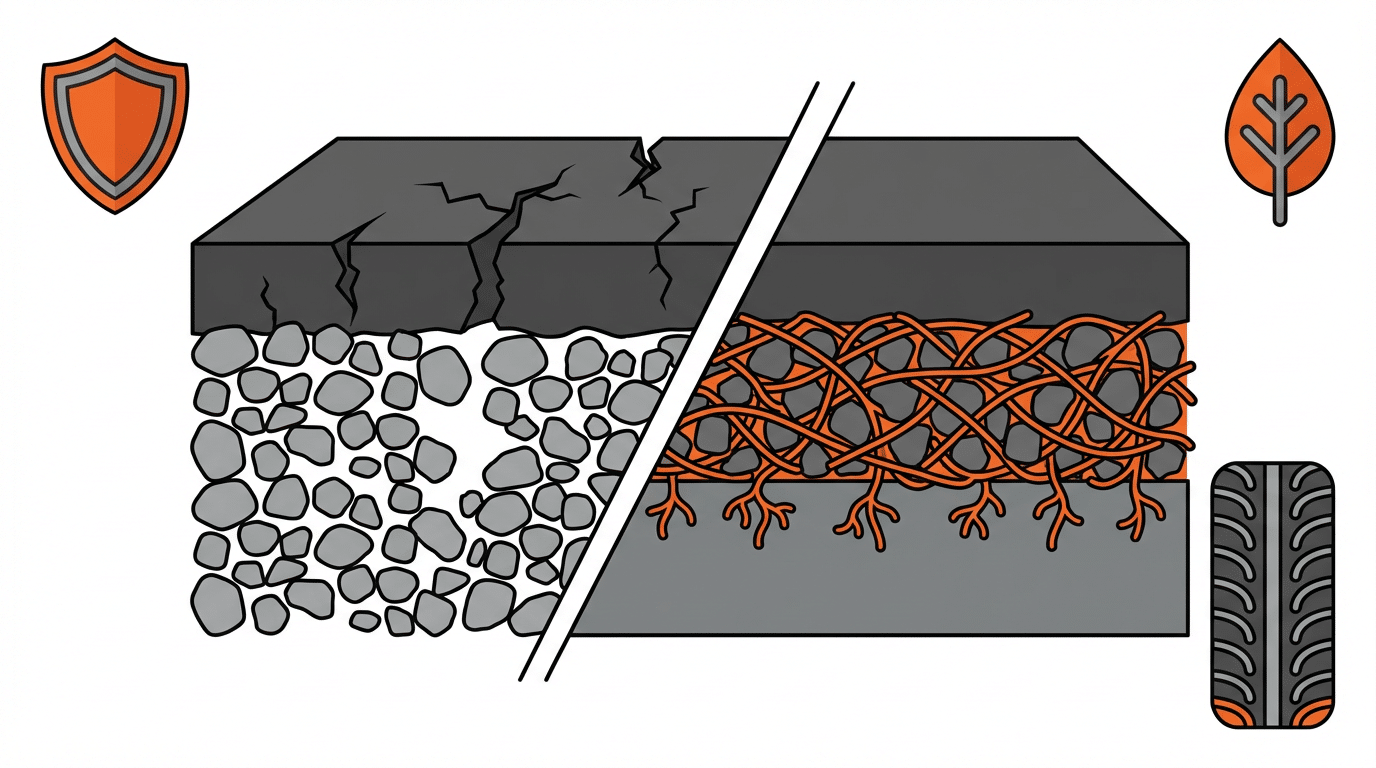
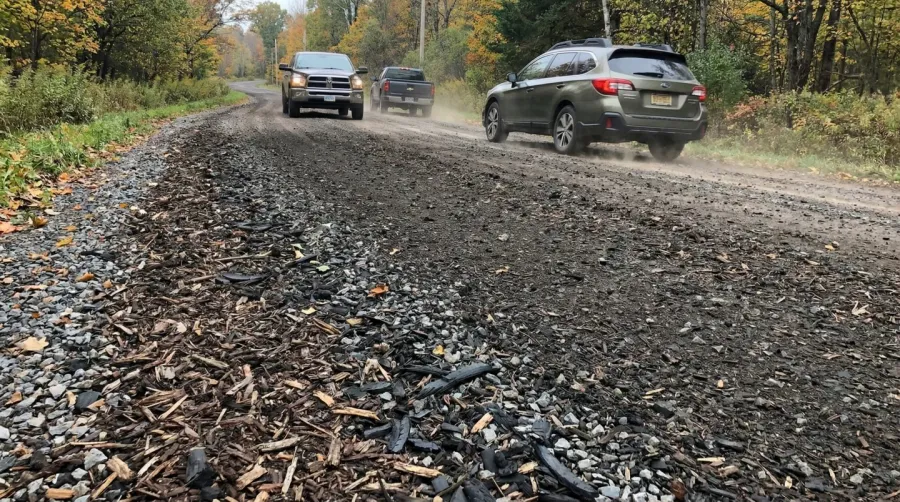
Road mulch transforms ordinary gravel roads into durable, safe surfaces that handle heavy traffic while protecting the environment. This innovative mixture of recycled tires, wood chips, and gravel creates roads that resist erosion, reduce noise pollution, and cut maintenance costs by up to 50%.
You get immediate benefits when choosing road mulch for your project. The recycled tire component dampens vehicle noise by approximately 30%, making it perfect for residential areas. Wood chips absorb moisture to prevent pothole formation, while the gravel base provides the stability needed for heavy traffic loads.
Key Insight: Road mulch requires maintenance every 3-5 years compared to annual grading for traditional gravel surfaces, delivering significant long-term savings for municipalities and property owners.
Understanding road mulch composition and performance
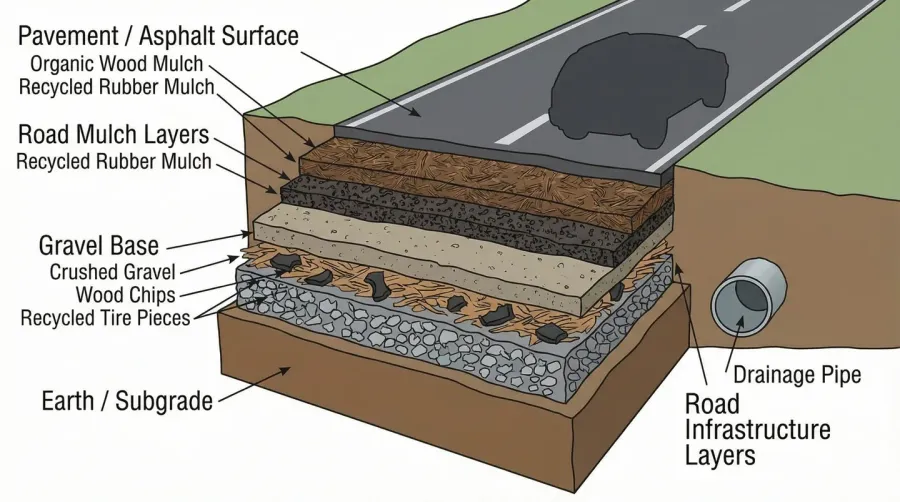
Road mulch combines three essential materials that work together to create superior road surfaces. Shredded tires make up roughly 40% of the mixture, providing noise reduction and flexible traction. Wood chips comprise about 30%, offering moisture absorption that prevents freeze-thaw damage. The remaining 30% consists of graded gravel that delivers structural stability.
This composition addresses common road problems systematically. When vehicles travel over traditional gravel, loose particles migrate and create ruts. Road mulch binds these materials together, creating a cohesive surface that maintains its shape under traffic loads.
The recycled tire component deserves special attention because it transforms waste into valuable infrastructure. Each ton of road mulch typically incorporates approximately 200 recycled tires that would otherwise occupy landfill space for decades. At Hello Gravel, we understand how different materials work together across applications – whether for road construction or understanding the benefits of mulch and gravel for your garden.
Safety advantages through enhanced traction and erosion control
Road mulch delivers measurable safety improvements through two primary mechanisms. First, the textured surface created by mixed materials provides superior tire grip compared to smooth asphalt, especially during wet conditions. The porous nature allows water to drain through rather than pooling on the surface.
Second, erosion control becomes automatic with road mulch installation. The interlocking particles resist washout during heavy rainfall, maintaining road integrity when traditional surfaces would develop dangerous ruts or washboard patterns. This principle applies across our aggregate solutions, including using gravel for erosion control structures in various landscape applications.
Consider what happens during winter weather. Traditional roads become slippery when ice forms on smooth surfaces. Road mulch creates natural texture that maintains traction even when temperatures drop below freezing. The wood chip component also provides insulation that slows ice formation.
You can expect reduced accident rates on roads treated with mulch stabilization. The improved drainage and traction combination creates safer driving conditions year-round, particularly benefiting areas with challenging weather patterns across all 50 states where Hello Gravel operates.
Environmental sustainability through waste reduction
Road mulch addresses environmental challenges by repurposing materials that would otherwise create disposal problems. Tire recycling represents the most significant environmental benefit, as discarded tires release toxic compounds when burned or create breeding grounds for pests in landfills.
Wood chips in road mulch typically come from tree trimming operations, construction waste, or forest management activities. Instead of burning this organic material or sending it to landfills, road mulch gives it a productive second life that lasts for years. Our experience with sustainable material combinations extends to the benefits of gravel and bark for your outdoor spaces.
The sustainability extends beyond material reuse. Road mulch surfaces require fewer repairs and replacements compared to traditional options, reducing the environmental impact of ongoing maintenance activities. Less frequent resurfacing means fewer trucks hauling materials and less disruption to local ecosystems.
Environmental Impact: Each mile of road mulch surface typically diverts over 2,000 tires and 50 tons of wood waste from landfills while creating infrastructure that lasts 3-5 times longer than conventional gravel roads.
Economic benefits and cost analysis
Road mulch delivers compelling financial advantages through reduced installation costs and extended maintenance intervals. Initial material costs run approximately 20-30% lower than asphalt installation, while the extended lifespan creates even greater long-term savings. For contractors managing budgets, how to save money as a general contractor includes evaluating material choices like road mulch for project optimization.
Maintenance represents the biggest cost advantage. Traditional gravel roads require annual grading to address rutting and washboard formation. Road mulch surfaces maintain their shape for 3-5 years before needing attention, dramatically reducing equipment time and labor costs. Understanding how to maintain a gravel path can provide insights into proper surface care techniques.
| Cost Factor | Traditional Gravel | Road Mulch | Savings |
|---|---|---|---|
| Annual maintenance | $2,500/mile | $500/mile | 80% |
| Surface lifespan | 1-2 years | 3-5 years | 150-250% |
| Material cost | $15/ton | $12/ton | 20% |
The economic benefits extend to vehicle owners as well. Smoother road surfaces reduce tire wear and vehicle maintenance costs. The improved drainage and stability mean fewer alignment problems and suspension repairs for regular users.
You also gain from reduced liability exposure when road conditions remain consistently safe. Fewer accidents and vehicle damage claims translate to lower insurance costs and reduced legal risks for road authorities. Whether you’re a contractor, municipality, or property owner, understanding the benefits of gravel fill for construction projects helps inform material decisions for optimal project outcomes.
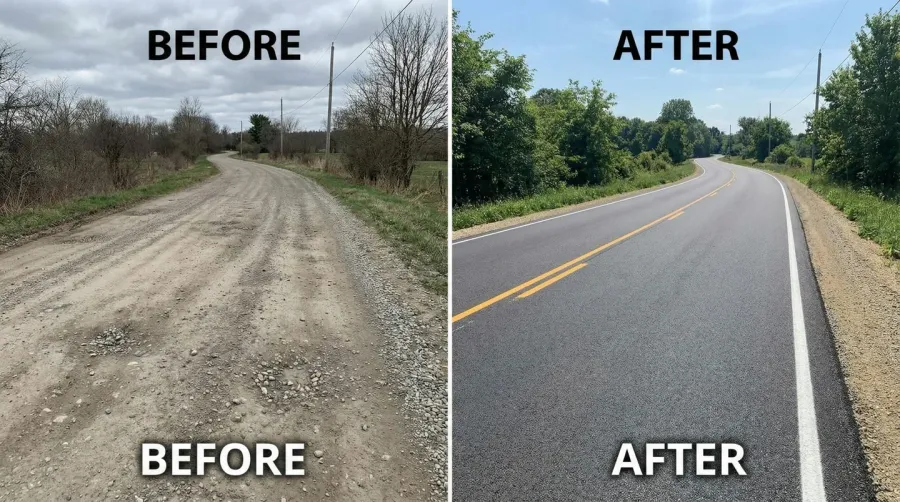
Road mulch represents a practical solution that addresses safety, environmental, and economic concerns simultaneously. The combination of recycled materials creates surfaces that outperform traditional options while supporting sustainability goals. Whether you manage municipal roads or private access routes, road mulch offers proven benefits that justify the investment through reduced maintenance costs and improved safety outcomes.
The technology continues evolving as researchers explore new material combinations and installation techniques. Current innovations focus on optimizing the recycled tire percentage and investigating bio-based binding agents that could further enhance environmental benefits while maintaining performance standards.
FAQ
How long does road mulch last compared to traditional gravel roads?
Road mulch surfaces typically last 3-5 years before requiring maintenance, compared to traditional gravel roads that need annual grading. This extended lifespan is due to the interlocking properties of recycled tires, wood chips, and gravel that resist rutting and washboard formation under traffic loads.
Is road mulch safe for high-traffic areas and heavy vehicles?
Yes, road mulch is specifically designed to handle heavy traffic loads. The gravel component provides structural stability while the recycled tire material offers flexible traction and noise reduction. The textured surface actually provides superior tire grip compared to smooth asphalt, especially during wet conditions, making it safer for all vehicle types.
What environmental benefits does road mulch provide?
Road mulch diverts significant waste from landfills – each mile typically incorporates over 2,000 recycled tires and 50 tons of wood waste. This prevents toxic compounds from tire burning and gives tree trimming waste a productive second life. The longer-lasting surface also reduces environmental impact from frequent maintenance activities.
How much can municipalities save with road mulch installation?
Road mulch can reduce maintenance costs by up to 80%, with annual maintenance dropping from $2,500 per mile for traditional gravel to just $500 per mile. Initial material costs are also 20% lower than asphalt, and the extended 3-5 year lifespan delivers significant long-term savings for municipalities and property owners.