
River Rock Quarry Near Me – Find Local Suppliers and Pricing 2025
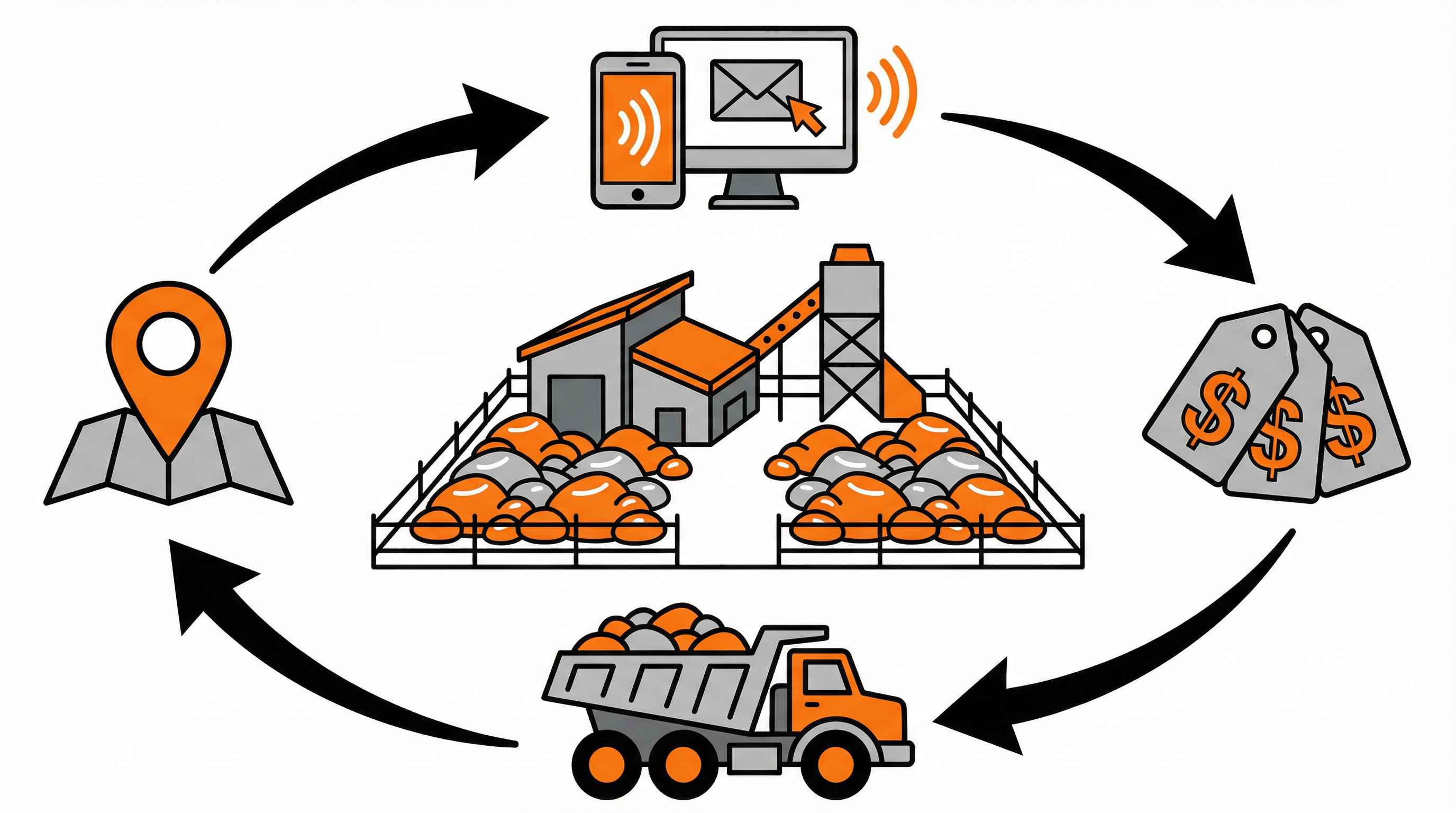
Guide handoff
Want help applying this guide to your project?
Share your ZIP and what you need help with. We'll use this guide as context when we follow up.
- 1 This guide gives us the context you were reading.
- 2 Ask about pricing, material choice, delivery timing, or quantity.
- 3 Keep it broad if you are still figuring out the project.
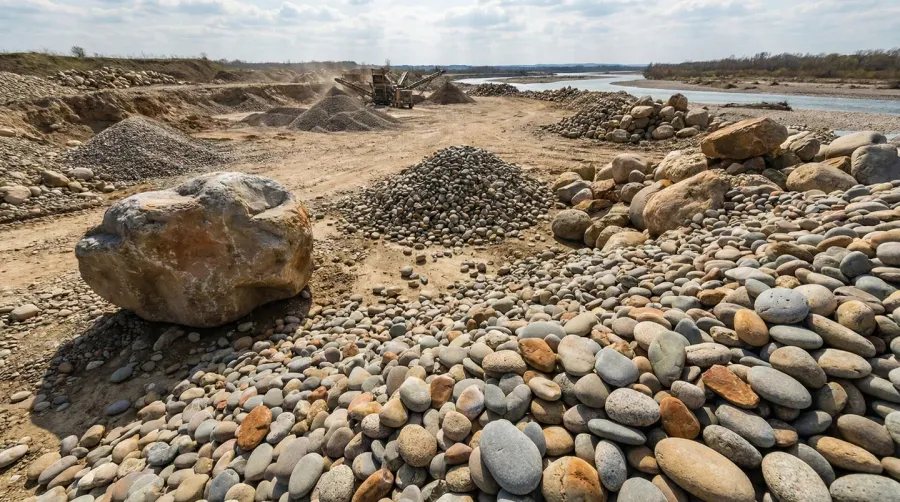
Looking for river rock quarries in your area? You’re not alone. River rocks are among the most popular materials for landscaping and construction projects, valued for their natural beauty and exceptional durability. Whether you need decorative stones for a garden pathway or sturdy materials for retaining walls, finding the right quarry near you can save both time and money on your project.
Quick Answer: Most areas have river rock quarries within 50 miles. Use online quarry directories, contact local construction suppliers, or search “river rock quarry near me” on Google Maps to find options. Prices typically range from $30-80 per ton depending on rock type and location.
The key to success lies in understanding what different quarries offer, how to evaluate quality, and what questions to ask before making your purchase. Let’s explore how you can locate the best river rock suppliers in your area and make an informed decision for your project.
What makes river rock quarries essential for your project
River rock quarries serve as the backbone of countless construction and landscaping projects across the country. These specialized facilities extract naturally weathered stones from riverbeds and surrounding areas, providing materials that have been shaped by water flow over thousands of years.
The natural weathering process creates rocks with smooth surfaces and rounded edges, making them ideal for both functional and decorative applications. Unlike manufactured alternatives, stone river rock offers unique variations in color, texture, and size that can’t be replicated artificially.
Most quarries categorize their river rocks by size, ranging from small pea gravel (1/4 inch) to large boulders (12+ inches). This variety allows you to select the perfect material whether you’re creating drainage systems, decorative borders, or structural elements.
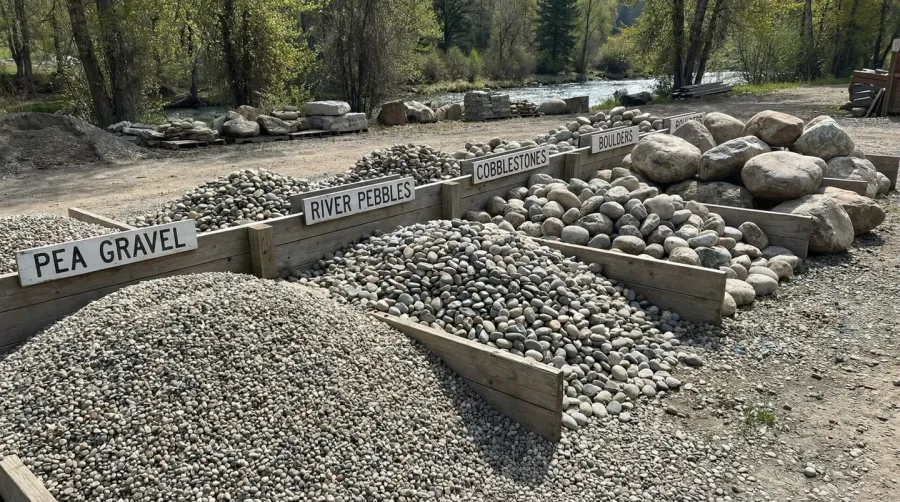
Pro Tip: River rocks from local quarries often complement your area’s natural landscape better than imported stones, creating a more cohesive outdoor design.
How to locate river rock quarries in your area
Finding quality river rock suppliers requires a strategic approach that combines online research with local networking. Start by searching “river rock quarry near me” or “gravel suppliers ” to identify potential sources within reasonable driving distance.
Google Maps provides an excellent starting point, showing quarry locations, customer reviews, and contact information. Pay attention to businesses listed as “aggregate suppliers,” “construction materials,” or “landscape supply” as these often carry river rocks even if not explicitly mentioned.
Local construction companies and landscaping contractors maintain relationships with reliable quarries and can provide valuable recommendations. These professionals understand quality standards and can guide you toward suppliers known for consistent materials and fair pricing.
Don’t overlook smaller, family-owned operations that may not have strong online presence but offer competitive prices and personalized service. Drive through rural areas near rivers or contact your county’s planning department for information about permitted quarry operations. If you’re looking for where to buy river rock beyond local quarries, there are additional options worth exploring.
Understanding river rock types and pricing
River rock quarries typically offer several distinct categories, each suited for different applications and budgets. Understanding these options helps you make informed decisions and communicate effectively with suppliers.
Common River Rock Types and Applications:
| Rock Type | Size Range | Price Per Ton | Best Uses |
|---|---|---|---|
| Pea Gravel | 1/4″ – 3/8″ | $30-45 | Pathways, drainage |
| River Rock | 1″ – 3″ | $40-60 | Landscaping, borders |
| Cobblestone | 3″ – 8″ | $50-75 | Retaining walls, accents |
| Boulders | 12″+ | $60-120 | Focal points, erosion control |
Pricing varies significantly based on your location, transportation costs, and current demand. Quarries closer to urban areas typically charge premium prices, while rural operations may offer better value despite longer delivery distances. For a detailed breakdown of costs, check out our comprehensive guide to river rock prices.
Many suppliers offer bulk discounts for orders exceeding 10 tons, making it worthwhile to coordinate with neighbors or plan multiple projects simultaneously. Always request quotes from at least three different quarries to ensure competitive pricing. If you’re planning a large project, learning where to buy river rocks in bulk wholesale can lead to significant savings.
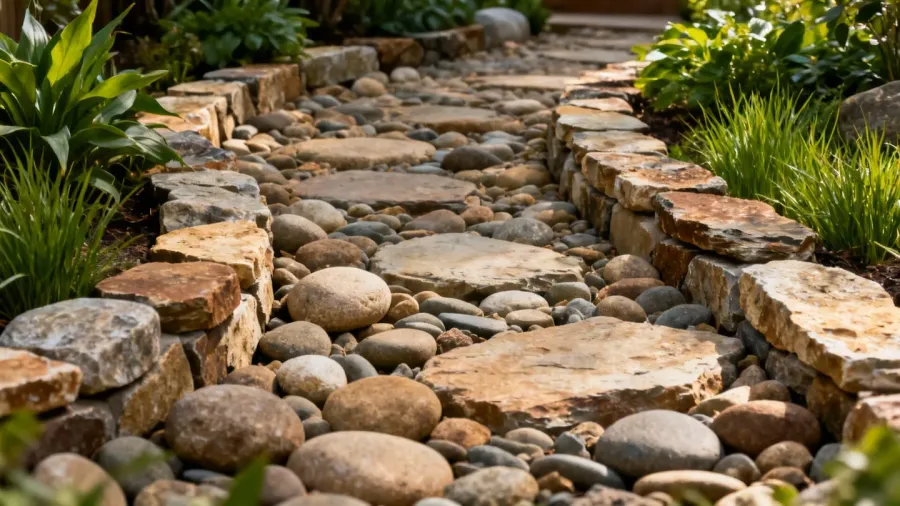
Cost-Saving Tip: Purchasing directly from quarries rather than through retail landscaping centers can reduce costs by 30-50%, especially for larger quantities.
Making the most of your quarry visit
Visiting a river rock quarry requires preparation and attention to safety protocols. Most operations welcome customers but maintain strict guidelines to protect visitors and workers in active mining environments.
Contact the quarry beforehand to schedule your visit and understand their policies. Some facilities operate by appointment only, while others have designated customer hours. Ask about minimum purchase quantities, payment methods, and delivery options during your initial conversation.
Bring appropriate safety equipment including closed-toe shoes, long pants, and eye protection. Many quarries provide hard hats, but confirm this when scheduling your visit. Take photos of materials you’re considering and request samples if possible.
Evaluate rock quality by examining color consistency, size uniformity, and overall cleanliness. High-quality river rocks should be relatively free of dirt, organic matter, and broken fragments. Don’t hesitate to ask about the source location and processing methods used. Understanding the various sizes of river rock available will help you communicate your needs more effectively.
When you find the right river rock quarry for your project, you’ll have access to materials that combine natural beauty with proven durability. Take time to research your options, compare pricing, and visit facilities in person when possible. The extra effort invested in finding quality suppliers pays dividends through better project outcomes and long-term satisfaction with your landscaping or construction investment.
FAQ
How do I find river rock quarries near my location?
Start by searching “river rock quarry near me” on Google Maps to identify nearby suppliers. Contact local construction companies and landscaping contractors for recommendations, as they maintain relationships with reliable quarries. You can also check online quarry directories and look for businesses listed as “aggregate suppliers” or “landscape supply” companies that often carry river rocks.
What should I expect to pay for river rocks from a quarry?
River rock prices typically range from $30-80 per ton depending on the rock type, size, and your location. Pea gravel costs $30-45 per ton, standard river rocks run $40-60 per ton, while larger cobblestones and boulders can cost $50-120 per ton. Purchasing directly from quarries rather than retail centers can reduce costs by 30-50%, especially for larger quantities.
What safety precautions should I take when visiting a quarry?
Always contact the quarry beforehand to schedule your visit and understand their safety policies. Wear appropriate safety equipment including closed-toe shoes, long pants, and eye protection. Many quarries provide hard hats, but confirm this when scheduling. Follow all posted safety guidelines and stay in designated customer areas during your visit.
What types of river rocks are available at most quarries?
Most quarries offer river rocks in several categories: pea gravel (1/4″ – 3/8″) for pathways and drainage, standard river rock (1″ – 3″) for landscaping and borders, cobblestone (3″ – 8″) for retaining walls and accents, and large boulders (12″+) for focal points and erosion control. The rocks are naturally weathered with smooth surfaces and rounded edges from water flow over thousands of years.