
How to Sell Your Dirt for Maximum Profit – Complete Guide
Selling dirt might sound unusual, but it’s a legitimate way to earn $20-50 per ton from excess soil on your property. Whether you’re a contractor with leftover fill dirt or a homeowner with quality topsoil, understanding the market can turn your dirt into a profitable venture.
The key to maximizing profits lies in knowing your soil’s value, preparing it properly, and reaching the right buyers. With construction and landscaping projects constantly needing quality soil, there’s steady demand for clean, tested dirt.
Pro Tip: Getting a soil test before selling can increase your dirt’s value by 30-40% since buyers pay premium prices for verified quality soil.
Understanding Your Dirt’s Market Value
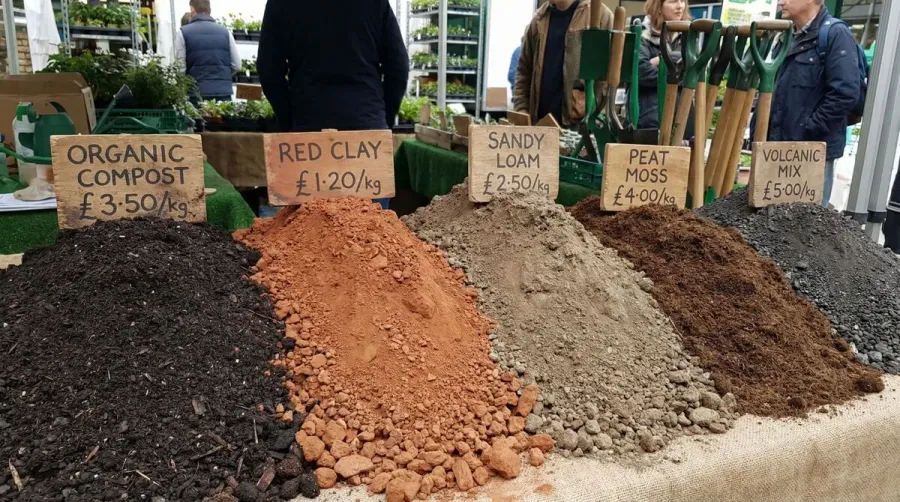
Not all dirt commands the same price. Topsoil rich in organic matter typically sells for $30-50 per ton, while basic fill dirt ranges from $15-25 per ton. The difference comes down to composition, quality, and intended use.
Start by identifying what type of soil you have. Topsoil contains organic matter and nutrients, making it perfect for gardens and landscaping. Fill dirt lacks organic content but provides excellent structural support for construction projects. Garden soil falls somewhere between, often enhanced with compost or amendments.
Quality matters significantly in pricing. Clean fill free from debris, rocks, and contaminants fetches higher prices. Buyers also value consistent texture and proper pH levels. Sandy soil drains well but may lack nutrients, while clay soil holds water but can become waterlogged.
| Soil Type | Price Range (per ton) | Best Uses | Target Buyers |
|---|---|---|---|
| Premium Topsoil | $40-50 | Gardens, lawns | Landscapers, homeowners |
| Standard Topsoil | $25-35 | General landscaping | Garden centers, contractors |
| Fill Dirt | $15-25 | Construction, grading | Builders, developers |
| Garden Soil | $30-40 | Raised beds, containers | Gardening enthusiasts |
Research local prices by checking hellogravel.com and other suppliers in your area. This gives you a baseline for competitive pricing while understanding what buyers expect. You can also use a fill dirt cost calculator to determine fair market value.
Preparing Your Dirt for Sale
Proper preparation significantly impacts your selling price and buyer interest. Clean, well-presented soil sells faster and commands better prices than raw, unprocessed dirt.
Start by removing debris like rocks, roots, and any foreign materials. Use a rake or screen to sift through your soil, ensuring consistent texture. This step alone can increase perceived value since buyers prefer ready-to-use products.
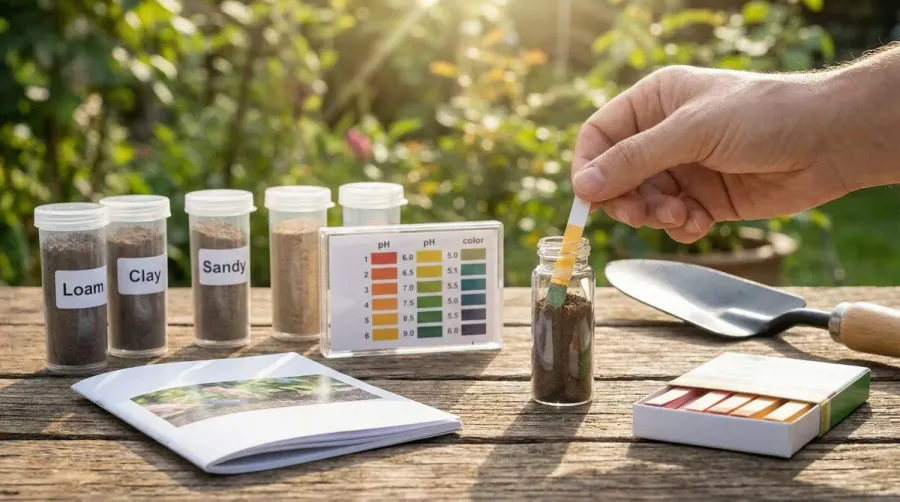
Consider getting professional soil testing done. Tests reveal pH levels, nutrient content, and organic matter percentage. This information becomes powerful marketing material, especially for premium topsoil sales. Many buyers pay extra for tested soil with documented quality.
Package your soil appropriately for your target market. Small bags work well for homeowners and gardeners, while bulk sales suit contractors and landscapers. Clear labeling should include soil type, quantity, test results if available, and any special characteristics. If you’re wondering about packaging options, check out whether you can buy fill dirt in bags.
Important: Never sell contaminated soil. If your dirt contains chemicals, petroleum products, or other hazardous materials, proper disposal is required rather than selling.
Marketing Strategies That Work
Successful dirt selling requires reaching the right audience through appropriate channels. Your marketing approach should match your soil type and target buyers.
Online marketplaces like Facebook Marketplace, Craigslist, and local classified sites work well for smaller quantities. Post clear photos showing soil texture and color, include test results if available, and write descriptions highlighting benefits for specific uses.
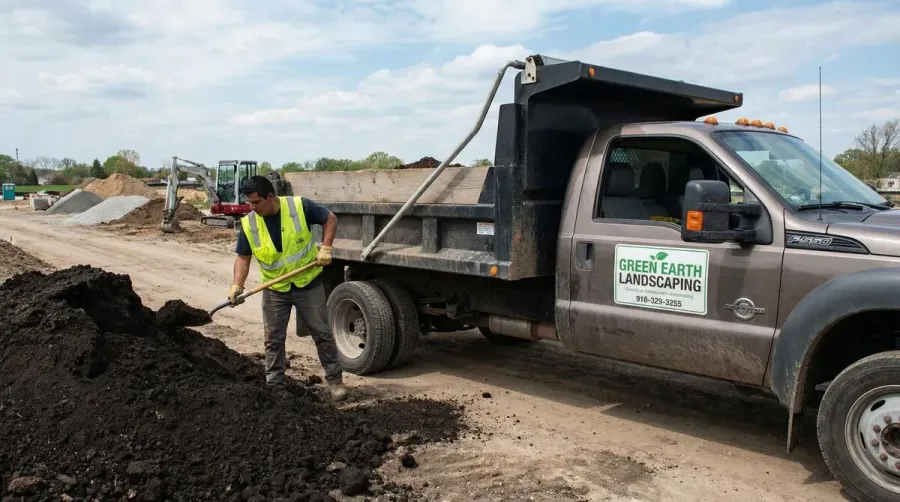
Direct outreach to landscaping companies, nurseries, and construction firms can yield bulk sales. These businesses regularly need quality soil and often prefer establishing relationships with reliable suppliers. Offer samples and competitive pricing for larger orders. Understanding how much a dump truck load of fill dirt costs helps you price competitively for bulk buyers.
Local gardening groups and community forums provide access to enthusiastic gardeners willing to pay premium prices for quality topsoil. These buyers often value organic content and soil health over just basic fill material.
Word-of-mouth referrals become powerful once you establish quality and reliability. Satisfied customers often need additional soil for future projects or recommend you to others in their network.
Negotiating and Closing Sales
Effective negotiation starts with understanding your costs and desired profit margins. Factor in any soil testing, cleaning time, packaging materials, and delivery expenses when setting minimum acceptable prices. Knowing how to convert yards of dirt to tons helps you communicate clearly with buyers who may use different measurement units.
Be prepared to discuss your soil’s specific benefits for the buyer’s intended use. Highlight drainage properties for construction projects or nutrient content for gardening applications. This positions your dirt as a solution rather than just a commodity.
Offer flexible pricing for different quantities. Bulk buyers often expect discounts, while smaller purchases can command premium per-ton prices. Consider delivery options as added value, especially for buyers without proper transportation. Learn more about fill dirt delivered and spread services to understand what customers expect.
Payment terms matter for larger sales. Require deposits for custom orders or significant quantities, with final payment upon delivery. This protects both parties and demonstrates professionalism.
Building relationships leads to repeat business and referrals. Follow up after delivery to ensure satisfaction and maintain contact for future opportunities. Many successful dirt sellers develop ongoing relationships with contractors and landscapers who need regular soil supplies.
The dirt selling business offers genuine profit potential when approached systematically. Focus on quality preparation, targeted marketing, and professional customer service to maximize your returns. Start small to learn the market, then scale based on demand and available inventory.
Remember that seasonal factors affect demand, with spring and early summer typically showing the highest activity for landscaping projects. Plan your selling strategy around these peak periods for optimal results.
FAQ
How much can I sell my dirt for?
Premium topsoil typically sells for $40-50 per ton, while standard topsoil ranges from $25-35 per ton. Fill dirt commands lower prices at $15-25 per ton. Your soil’s value depends on quality, organic content, and local market conditions. Getting professional soil testing can increase your dirt’s value by 30-40% since buyers pay premium prices for verified quality soil.
Where can I sell my dirt locally?
You can sell dirt through multiple channels including online marketplaces like Facebook Marketplace and Craigslist, direct outreach to landscaping companies and nurseries, local garden centers, and construction firms. Building relationships with contractors and landscapers often leads to bulk sales and repeat business. Local gardening groups and community forums also provide access to homeowners willing to pay premium prices for quality topsoil.
Do I need to test my soil before selling it?
While not legally required, professional soil testing is highly recommended as it can increase your dirt’s value by 30-40%. Tests reveal pH levels, nutrient content, and organic matter percentage, which becomes powerful marketing material. Buyers pay extra for tested soil with documented quality, especially for premium topsoil sales. Never sell contaminated soil – proper disposal is required for dirt containing chemicals or hazardous materials.
What’s the best way to prepare dirt for sale?
Start by removing debris like rocks, roots, and foreign materials using a rake or screen to ensure consistent texture. Clean, well-presented soil sells faster and commands better prices. Package appropriately for your target market – small bags for homeowners and bulk sales for contractors. Clear labeling should include soil type, quantity, test results if available, and special characteristics to maximize buyer interest.