
Pea Gravel vs Washed Gravel: Complete Guide to Choosing the Right Type
Guide handoff
Want help applying this guide to your project?
Share your ZIP and what you need help with. We'll use this guide as context when we follow up.
- 1 This guide gives us the context you were reading.
- 2 Ask about pricing, material choice, delivery timing, or quantity.
- 3 Keep it broad if you are still figuring out the project.
Choosing between pea gravel and washed gravel can make or break your landscaping project. The wrong choice leads to unstable surfaces, drainage issues, and wasted money. Understanding the key differences helps you select the right material for lasting results.
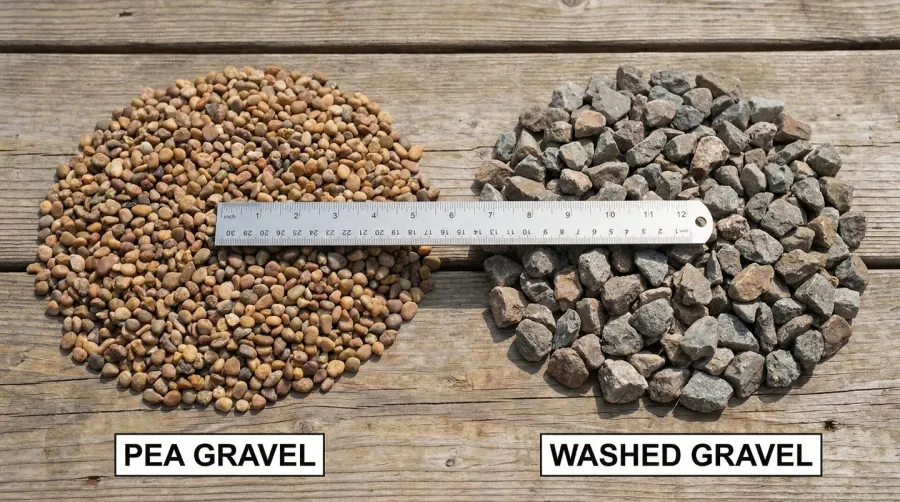
Quick answer: Pea gravel works best for decorative applications like pathways and garden borders, while washed gravel provides superior stability for driveways and structural foundations. Pea gravel typically costs $30-50 per ton, whereas washed gravel ranges from $40-70 per ton.
Pro tip: Angular washed gravel interlocks when compacted, creating a stable base that won’t shift under heavy use. Round pea gravel moves easily, making it perfect for areas where you want natural drainage.
Both materials serve different purposes in construction and landscaping. Your project requirements, budget, and aesthetic preferences will determine which option delivers the best value for your specific needs.
Understanding pea gravel characteristics
Pea gravel consists of small, naturally rounded stones about the size of a pea, typically measuring 1/4 to 3/8 inches in diameter. These smooth stones form over time as water currents tumble and polish rock fragments in riverbeds and coastal areas. To learn more about the various sizes available for different applications, you can explore comprehensive sizing guides.
The rounded shape gives pea gravel its distinctive appearance and handling characteristics. You’ll find it available in various colors including tan, white, gray, and mixed earth tones. This color variety makes it popular for decorative landscaping projects where visual appeal matters.
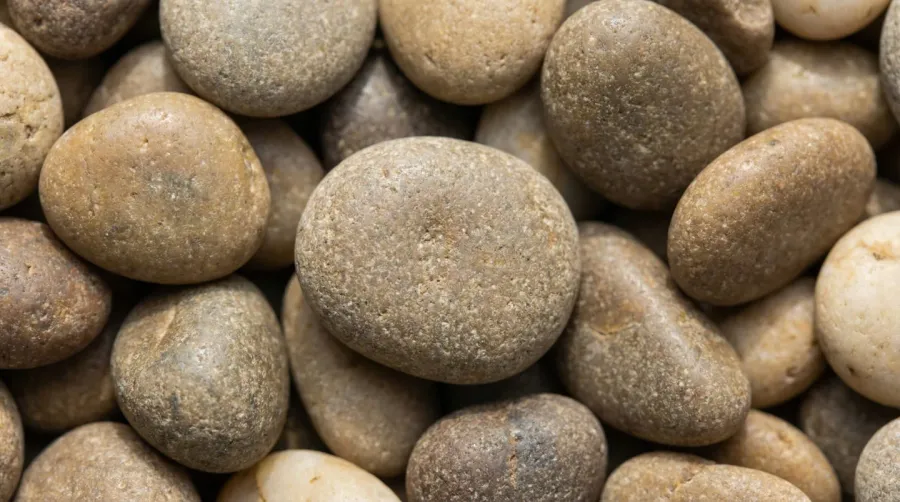
However, the smooth, round shape that makes pea gravel attractive also creates its main limitation. These stones don’t interlock when compacted, which means they shift and move under pressure. This makes pea gravel unsuitable for high-traffic areas or structural applications requiring stability.
Installation proves relatively straightforward since pea gravel spreads easily and doesn’t require extensive compaction. You can rake it into place and achieve an even surface quickly. The material also provides excellent drainage since water flows freely between the rounded stones.
Exploring washed gravel properties
Washed gravel undergoes mechanical crushing that creates angular, irregular shapes with sharp edges. This crushing process produces stones ranging from 1/4 inch to several inches in diameter, depending on the specific grade you choose.
The washing process removes clay, dust, and other fine particles, leaving clean stone pieces that meet construction standards. This cleaning step ensures consistent sizing and eliminates materials that could interfere with proper compaction or drainage.
Angular edges allow washed gravel pieces to lock together when compacted, creating a stable foundation that resists movement. This interlocking property makes washed gravel ideal for driveways, road bases, and areas that support heavy loads. Understanding the differences between pea gravel and crushed gravel helps clarify why angular shapes perform better in structural applications.
Key insight: The angular shape of washed gravel increases surface friction by up to 40% compared to rounded stones, providing superior stability for structural applications.
While more expensive than pea gravel, washed gravel delivers better long-term performance in demanding applications. The initial cost difference often pays for itself through reduced maintenance and longer service life in appropriate uses.
Cost comparison and value analysis
Pea gravel typically costs between $30-50 per ton, making it the more budget-friendly option for most projects. Local availability and color selection can influence pricing, with specialty colors commanding premium prices.
Washed gravel ranges from $40-70 per ton, reflecting the additional processing required to crush and clean the material. The higher cost reflects superior performance characteristics that justify the investment for structural applications.
| Gravel Type | Cost Per Ton | Best Applications | Stability Rating |
|---|---|---|---|
| Pea Gravel | $30-50 | Decorative, drainage | Low |
| Washed Gravel | $40-70 | Driveways, foundations | High |
Consider total project costs beyond material prices. Pea gravel requires less labor for installation but may need more frequent maintenance. Washed gravel demands proper compaction during installation but provides longer-lasting results.
Factor in delivery costs, which vary based on distance from suppliers and order quantities. Bulk orders typically offer better per-ton pricing, making larger projects more economical.
Choosing the right gravel for your project
Your specific project requirements should guide your gravel selection. Consider the intended use, expected traffic levels, drainage needs, and aesthetic preferences when making your decision.
Choose pea gravel for decorative landscaping, garden pathways, French drains, and areas where you want natural-looking drainage. Its rounded shape and color variety enhance visual appeal while providing functional benefits in low-traffic applications. For instance, using pea gravel as a landscaping mulch alternative offers excellent drainage and aesthetic benefits in garden beds.
Select washed gravel for driveways, parking areas, road construction, and structural foundations. The angular shape and interlocking properties deliver the stability needed for heavy-use applications and load-bearing requirements. When considering whether to use pea gravel for a paver base, remember that washed gravel typically provides better structural support.
Expert recommendation: Use a combination approach for complex projects. Install washed gravel as a stable base layer, then top with pea gravel for improved aesthetics in visible areas.
Climate considerations also matter. In freeze-thaw climates, washed gravel’s stability prevents heaving and shifting that can damage surfaces. Pea gravel works well in areas with consistent drainage needs since water flows freely through the rounded stones. For specialized applications, explore professional uses of pea gravel for experienced contractors to understand advanced installation techniques.
The choice between pea gravel and washed gravel ultimately depends on balancing your project’s functional requirements with budget constraints and aesthetic goals. Understanding each material’s strengths helps you make an informed decision that delivers lasting satisfaction and performance.
FAQ
What is the main difference between pea gravel and washed gravel?
The primary difference lies in their shape and processing. Pea gravel consists of naturally rounded, smooth stones measuring 1/4 to 3/8 inches in diameter, while washed gravel features angular, crushed edges created through mechanical crushing. This shape difference affects their performance – pea gravel provides better aesthetics and drainage, while washed gravel offers superior stability and interlocking properties for structural applications.
Which is better for driveways: pea gravel or washed gravel?
Washed gravel is significantly better for driveways due to its angular shape that allows stones to interlock when compacted, creating a stable surface that resists shifting under vehicle traffic. Pea gravel’s rounded stones don’t interlock and tend to move under pressure, making it unsuitable for high-traffic areas like driveways. While pea gravel works for decorative pathways, washed gravel is the clear choice for any driveway application.
Is pea gravel good for drainage applications?
Yes, pea gravel excels in drainage applications due to its rounded shape that creates natural gaps between stones, allowing water to flow freely through the material. This makes it ideal for French drains, foundation drainage, and areas where you need excellent water permeability. The smooth stones don’t compact tightly together, maintaining consistent drainage performance over time.
Which gravel type is more cost-effective for landscaping projects?
Pea gravel is generally more cost-effective upfront, ranging from $30-50 per ton compared to washed gravel’s $40-70 per ton. However, the better choice depends on your specific application. For decorative landscaping and drainage projects, pea gravel offers excellent value. For structural applications requiring stability, washed gravel’s higher initial cost often pays for itself through reduced maintenance and longer service life.