
How to Choose the Best Gravel Company for Your Project in 2026
Guide handoff
Want help applying this guide to your project?
Share your ZIP and what you need help with. We'll use this guide as context when we follow up.
- 1 This guide gives us the context you were reading.
- 2 Ask about pricing, material choice, delivery timing, or quantity.
- 3 Keep it broad if you are still figuring out the project.
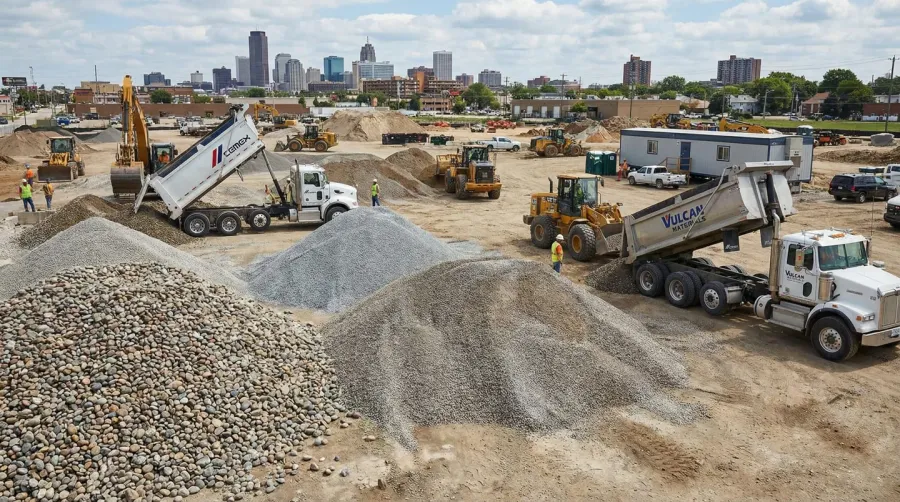
Choosing the right gravel company can make or break your construction project. Whether you’re building a driveway, laying a road base, or creating drainage systems, the supplier you select directly impacts your project’s durability, timeline, and budget. The best gravel companies offer quality materials, reliable delivery, and excellent customer service that keeps your project on track.
Quick Answer: For most projects, prioritize companies that offer #3 gravel for base layers and #57 crushed stone for top surfaces, with proven delivery reliability and transparent pricing that includes all fees upfront.
With hundreds of suppliers claiming to offer the best materials and service, knowing what to look for saves you from costly mistakes and project delays. This guide walks you through the essential factors that separate reliable suppliers from those that might leave you scrambling for alternatives mid-project.
Understanding your gravel requirements
Before contacting any suppliers, you need clarity on exactly what your project demands. Different applications require specific gravel types, and mismatching materials to your needs leads to performance issues down the road.
For driveways and high-traffic areas, crushed stone provides the stability you need. The angular edges lock together when compacted, creating a solid surface that resists shifting under vehicle weight. Road base or crusher run works exceptionally well for foundation layers because it contains a mix of stone sizes that compact into a dense, stable base. Understanding the cost of gravel per yard helps you budget accurately for your specific project needs.
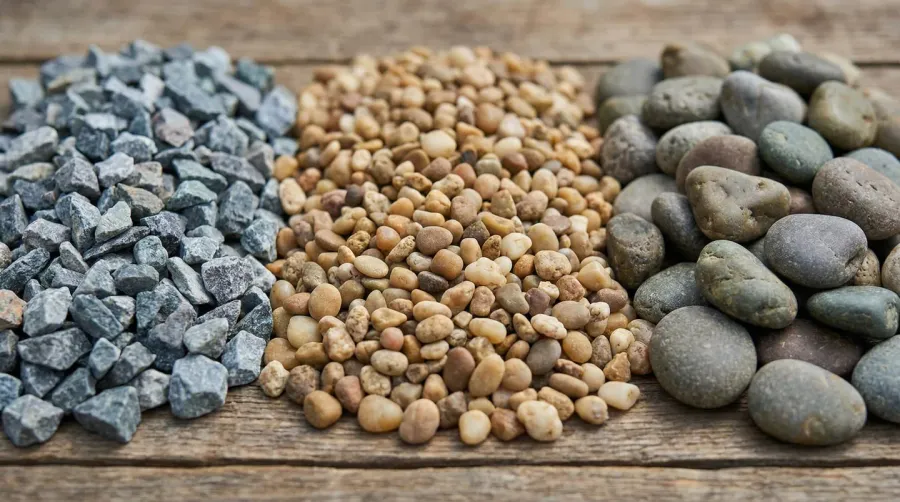
Landscaping projects often benefit from pea gravel or river rock for aesthetic appeal. Pea gravel offers smooth, rounded stones perfect for pathways and decorative areas, while river rock brings natural elegance to garden beds and water features. However, these rounded materials don’t compact as well as angular crushed stone. If you’re considering decorative options, explore the cost of decorative gravel and available options to find materials that match your aesthetic vision.
Calculate your quantity needs accurately by measuring length, width, and depth of your project area. Most suppliers sell by the cubic yard, so convert your measurements accordingly. Factor in a 10-15% buffer for compaction and waste to avoid running short during installation. Modern suppliers like Hello Gravel offer online material calculators that help you determine the exact cubic yards or tons needed based on your project measurements, eliminating guesswork and ensuring you order the right amount.
Evaluating supplier quality and reputation
Quality gravel makes the difference between a project that lasts decades and one requiring constant repairs. When evaluating suppliers, focus on their material sourcing, processing methods, and quality control measures.
Look for companies that source materials from established quarries and maintain consistent grading standards. Quality suppliers will readily discuss their crushing and screening processes, showing they understand how proper processing affects material performance. Ask about their quality testing procedures and whether they can provide gradation reports for their materials. For comprehensive guidance on supplier selection, review the ultimate guide to choosing a gravel supply company.
Industry Insight: Properly graded gravel can extend project life by up to 40% compared to using inconsistent materials, making quality evaluation crucial for long-term success.
Check online reviews and ask for local references from recent customers. Pay attention to feedback about material consistency, delivery reliability, and how the company handles problems. A supplier with mostly positive reviews and prompt responses to concerns demonstrates the professionalism you want for your project.
Verify any industry certifications or memberships in professional associations. These credentials indicate the company follows established standards and stays current with industry best practices. Companies with proven track records, like those that have provided millions of tons of aggregate to government projects, demonstrate the reliability and quality standards needed for demanding applications.
Comparing pricing and value propositions
Price comparison requires looking beyond the per-ton cost to understand total project value. Request detailed quotes that break down material costs, delivery fees, fuel surcharges, and any additional services like spreading or grading. When evaluating costs, consider how much a yard of gravel costs in your local market to ensure you’re getting competitive rates.
| Cost Factor | What to Ask | Why It Matters |
|---|---|---|
| Base Price | Price per cubic yard delivered | Foundation for comparison |
| Delivery Fee | Flat rate or distance-based | Can significantly impact total cost |
| Minimum Order | Required quantity | May force you to over-order |
| Additional Services | Spreading, grading, compaction | Saves time and equipment rental |
Some suppliers offer value-added services like material spreading or site preparation that can save you time and equipment rental costs. Factor these services into your total project cost when comparing options. For large-scale projects, learn how to find the best deals on aggregates to maximize your budget.
Be wary of quotes significantly below market rates, as they often indicate lower quality materials or hidden fees that appear later. The cheapest option frequently becomes the most expensive when you factor in replacement costs or project delays. Look for suppliers that offer transparent pricing with all fees included upfront, eliminating surprises that can derail your budget.
Assessing delivery capabilities and customer service
Reliable delivery keeps your project on schedule and within budget. Evaluate each supplier’s delivery fleet, scheduling flexibility, and ability to handle your site’s specific requirements.
Ask about truck sizes available and whether they can navigate your site’s access roads, overhead clearances, and weight restrictions. Some suppliers offer smaller trucks for residential projects with limited access, while others specialize in large commercial deliveries. Understanding bulk gravel delivery options ensures you select a supplier equipped to handle your specific delivery requirements.
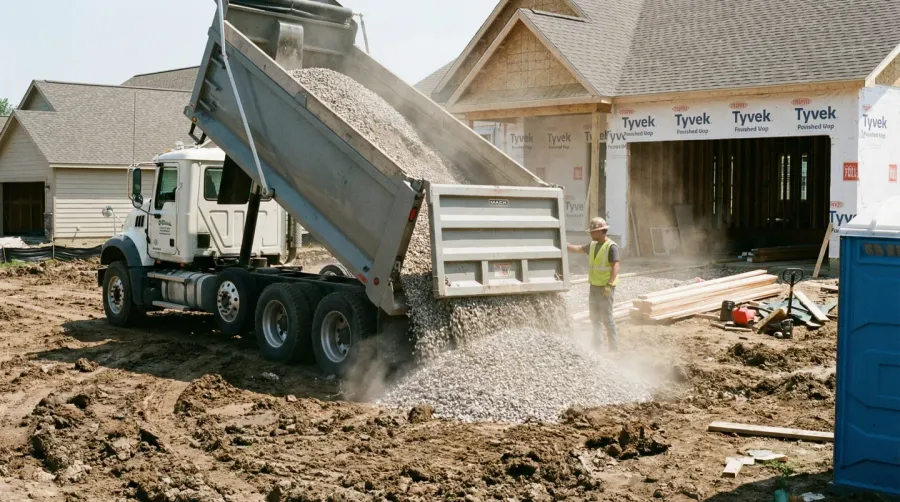
Delivery scheduling flexibility becomes crucial when coordinating with other contractors or working around weather constraints. Companies that offer specific delivery windows rather than all-day ranges show better organization and respect for your time. Look for suppliers that can accommodate your timeline with delivery options as fast as 2-4 business days, with flexible morning or afternoon delivery windows that work with your schedule.
Pro Tip: Test customer service responsiveness during your initial inquiries – companies that respond quickly to quotes typically maintain that level of service throughout your project.
Evaluate their communication practices by noting how quickly they respond to inquiries and whether they provide clear, detailed information. Good customer service includes proactive updates about delivery schedules, material availability, and any potential issues that might affect your timeline. Companies that provide dedicated account managers for quotes, scheduling, and repeat orders demonstrate their commitment to customer success.
Consider their problem-resolution approach by asking how they handle delivery issues, material quality concerns, or scheduling conflicts. Companies with clear policies and willingness to make things right demonstrate the reliability you need for project success.
Making your final selection
After evaluating your options, create a comparison chart listing each supplier’s strengths and weaknesses across quality, pricing, delivery, and service factors. This visual comparison helps identify which company best matches your project’s priorities.
Don’t automatically choose the lowest bidder or the largest company. Instead, select the supplier that offers the best combination of quality materials, reliable service, and fair pricing for your specific needs. A mid-sized local supplier often provides better personal attention and flexibility than larger operations. For contractors managing multiple projects, explore material sourcing secrets for busy contractors to streamline your procurement process.
Consider suppliers that serve your entire region or nationwide, as they can provide consistent service across multiple project locations. This becomes especially valuable for contractors working in different areas or homeowners with properties in various locations.
Once you’ve made your decision, communicate your requirements clearly including delivery dates, site access instructions, and any special handling needs. Confirm all details in writing to avoid misunderstandings that could delay your project.
The right gravel company becomes a valuable partner in your project’s success, providing not just materials but expertise and support that helps ensure everything goes smoothly from start to finish.
FAQ
What type of gravel is best for driveways?
For driveways and high-traffic areas, crushed stone is the best choice. The angular edges lock together when compacted, creating a stable surface that resists shifting under vehicle weight. #3 gravel works well for base layers, while #57 crushed stone is ideal for top surfaces.
How much gravel do I need for my project?
Calculate your gravel needs by measuring the length, width, and depth of your project area. Most suppliers sell by the cubic yard, so convert your measurements accordingly. Factor in a 10-15% buffer for compaction and waste to avoid running short during installation.
What should I look for when evaluating gravel suppliers?
Focus on material sourcing from established quarries, consistent grading standards, and quality control measures. Check online reviews, ask for local references, and verify industry certifications. Look for suppliers who can provide gradation reports and discuss their crushing and screening processes.
How do I compare gravel company pricing accurately?
Request detailed quotes that break down material costs, delivery fees, fuel surcharges, and additional services like spreading or grading. Don’t just compare per-ton costs – factor in delivery capabilities, minimum orders, and value-added services to understand total project value.