
Fill Dirt Calculator Tons – Calculate Exact Weight for Your Project
Guide handoff
Want help applying this guide to your project?
Share your ZIP and what you need help with. We'll use this guide as context when we follow up.
- 1 This guide gives us the context you were reading.
- 2 Ask about pricing, material choice, delivery timing, or quantity.
- 3 Keep it broad if you are still figuring out the project.
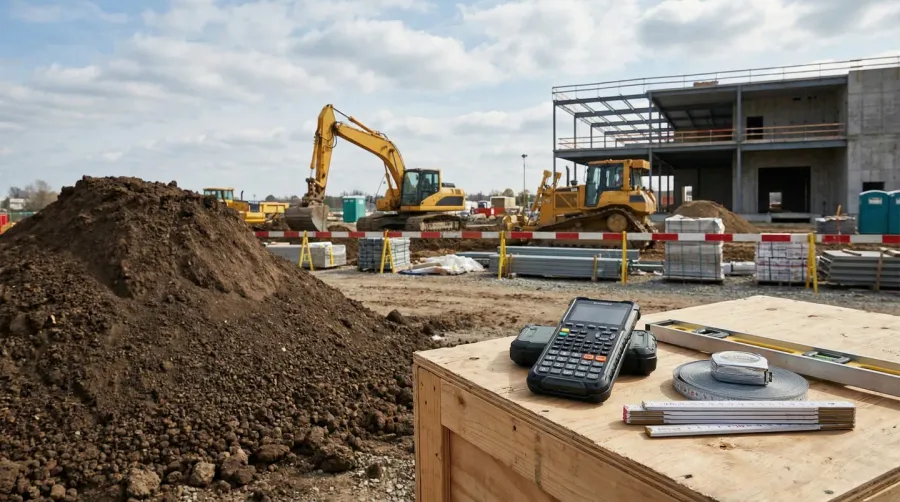
Calculating fill dirt in tons doesn’t have to be complicated. One cubic yard of fill dirt typically weighs between 2,000 to 3,000 pounds, which means you need about 1 to 1.5 tons per cubic yard depending on soil composition and moisture content. Understanding this conversion helps you budget accurately and avoid ordering too much or too little material for your project.
Quick calculation tip: For most projects, multiply your cubic yards by 1.25 to get approximate tons needed, then add 10-15% extra for compaction and settling.
Whether you’re filling a foundation, leveling your yard, or working on a construction project, knowing the exact tonnage ensures you get the right amount of material delivered to your site. This guide walks you through the complete process of calculating fill dirt in tons, from basic measurements to final ordering. At Hello Gravel, we’ve simplified this process with our online material calculator that helps DIY homeowners, landscapers, contractors, and municipalities calculate cubic yards and tons needed based on project measurements.
Understanding fill dirt weight and composition
Fill dirt consists of subsoil materials like sand, silt, and clay without organic matter. This composition makes it incredibly stable but also affects its weight significantly. The density varies based on the mineral content and how tightly the particles pack together.
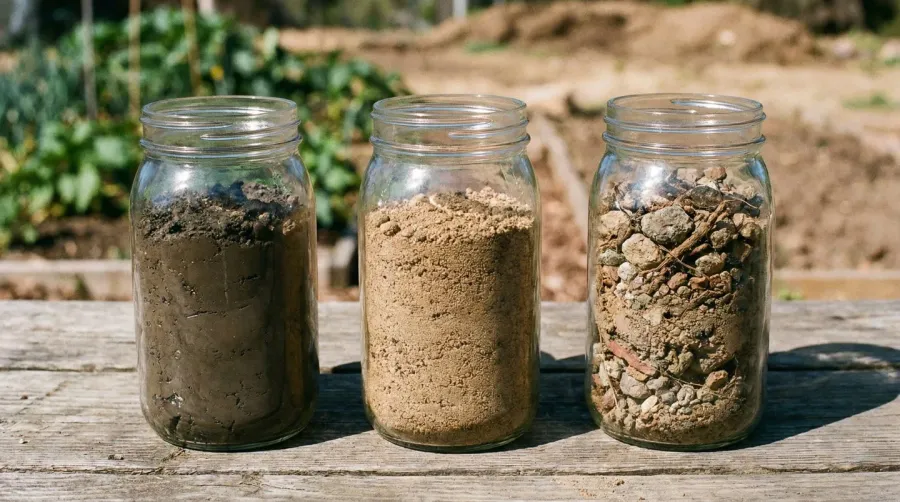
Clay-heavy fill dirt weighs more than sandy compositions because clay particles pack more densely. Moisture content plays the biggest role in weight variation, with wet soil weighing 20-50% more than dry soil. Most suppliers deliver fill dirt at natural moisture levels, which typically falls in the middle of the weight range.
The absence of organic matter in fill dirt creates consistent weight patterns compared to topsoil. This predictability makes tonnage calculations more reliable for project planning and budgeting purposes. Through our nationwide network of local pits and haulers, Hello Gravel ensures you receive quality fill dirt that meets these standard weight specifications.
Step-by-step tonnage calculation method
Start by measuring your project area in feet for length, width, and depth. Multiply these three numbers together to get cubic feet, then divide by 27 to convert to cubic yards. This gives you the volume of fill dirt needed before considering weight conversion.
Convert cubic yards to tons using the standard weight ranges. For average fill dirt, multiply cubic yards by 1.25 for a conservative estimate. If you know your soil type, use more specific weights like 1.4 tons per cubic yard for clay-heavy soil or 1.1 tons for sandy fill dirt.
Real example: A 20-foot by 15-foot area that’s 2 feet deep needs 22.2 cubic yards (20 × 15 × 2 ÷ 27). At 1.25 tons per cubic yard, you’d order approximately 28 tons of fill dirt.
Always add 10-15% extra to account for compaction and settling. Fill dirt compresses when placed and compacted, so ordering based on final volume alone leaves you short. This buffer prevents project delays and additional delivery charges. With Hello Gravel’s streamlined ordering process, you can easily adjust your tonnage calculations and place orders online in minutes, avoiding endless quote chains or phone tag.
Fill dirt weight by soil type
Different soil compositions create predictable weight ranges that help with accurate tonnage planning. Understanding these variations ensures better estimates for your specific project needs.
| Soil Type | Weight per Cubic Yard | Tons per Cubic Yard |
|---|---|---|
| Clay fill dirt | 2,800-3,200 lbs | 1.4-1.6 tons |
| Sandy fill dirt | 2,600-2,900 lbs | 1.3-1.45 tons |
| Mixed fill dirt | 2,400-2,700 lbs | 1.2-1.35 tons |
Clay fill dirt weighs the most due to fine particle size and water retention properties. Sandy fill dirt weighs less but drains better, making it suitable for different project types. Mixed fill dirt offers moderate weight and good stability for most general applications.
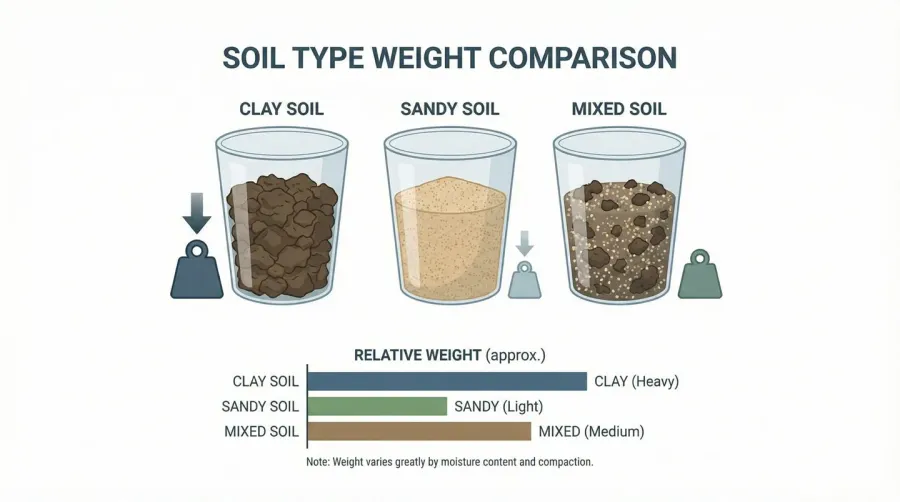
Consider your project requirements when choosing soil type. Foundation work often benefits from clay-heavy fill for stability, while drainage projects work better with sandy compositions. The weight difference affects both delivery costs and equipment needs for handling. To better understand the relationship between fill dirt yards per ton, it’s important to consider these soil composition factors. Our dedicated account managers can help you select the right fill dirt type based on your specific project requirements and local soil conditions.
Cost factors and budgeting considerations
Fill dirt pricing varies significantly based on tonnage, delivery distance, and soil quality. Clean fill dirt typically costs $15-25 per ton, while common fill dirt ranges from $8-18 per ton. Understanding these price ranges helps you budget effectively for your project.
Budget planning: Most residential projects require 5-50 tons of fill dirt, with delivery adding $50-150 to total costs depending on distance and accessibility.
Bulk orders often receive discounts when ordering 20 tons or more. Delivery charges depend on distance from the supplier, with local deliveries under 20 miles typically costing less than long-distance transport. Site accessibility affects delivery costs since difficult access requires smaller trucks or additional labor.
Quality levels impact pricing significantly. Screened fill dirt costs more but provides easier handling and better compaction results. Unscreened fill dirt costs less but may contain rocks, roots, or debris that complicate your project timeline.
Planning your tonnage calculation accurately from the start helps you take advantage of bulk pricing and avoid multiple deliveries. Getting quotes from multiple suppliers ensures competitive pricing for your specific tonnage requirements. Hello Gravel specializes in transactions of 500 tons or more but accommodates smaller projects as well, with transparent pricing available through our marketplace – a free directory of up-to-date aggregate prices. For more detailed calculations, you can use a fill dirt yard calculator to determine your exact material needs, or explore our comprehensive fill dirt volume calculator for precise measurements.
Getting your fill dirt tonnage calculation right the first time saves money and prevents project delays. Use the weight ranges and calculation methods outlined above to determine your exact needs, then factor in the extra material for compaction. With accurate tonnage estimates, you can confidently order the right amount of fill dirt and keep your project moving forward smoothly. Hello Gravel’s nationwide coverage means we can source and deliver material nearby wherever your job is located, with delivery in as little as 2 business days. If you need additional help determining how much material you need, our fill dirt calculator can simplify the entire process.
FAQ
How much does one cubic yard of fill dirt weigh in tons?
One cubic yard of fill dirt typically weighs between 2,000 to 3,000 pounds, which equals approximately 1 to 1.5 tons. The exact weight depends on soil composition and moisture content. Clay-heavy fill dirt weighs more at 1.4-1.6 tons per cubic yard, while sandy fill dirt weighs less at 1.3-1.45 tons per cubic yard.
How do I calculate fill dirt tonnage for my project?
First, measure your project area in feet (length × width × depth), then divide by 27 to get cubic yards. Multiply the cubic yards by 1.25 for average fill dirt to get approximate tons needed. Always add 10-15% extra for compaction and settling. For example, a 20×15×2 foot area needs 22.2 cubic yards, which equals approximately 28 tons.
Why should I add extra material when calculating fill dirt tonnage?
Fill dirt compresses when placed and compacted, reducing the final volume by 10-15%. Adding this buffer prevents project delays and additional delivery charges. Without accounting for compaction and settling, you’ll end up short on material and need to order more, which increases costs and delays your project timeline.
What factors affect fill dirt weight and pricing?
Fill dirt weight varies based on soil composition (clay vs. sandy), moisture content, and mineral density. Clay-heavy soil weighs more but provides better stability, while sandy soil weighs less but drains better. Pricing ranges from $8-25 per ton depending on quality, with clean screened fill dirt costing more than unscreened common fill dirt. Delivery distance and site accessibility also affect total costs.