
Can Grass Grow in Fill Dirt
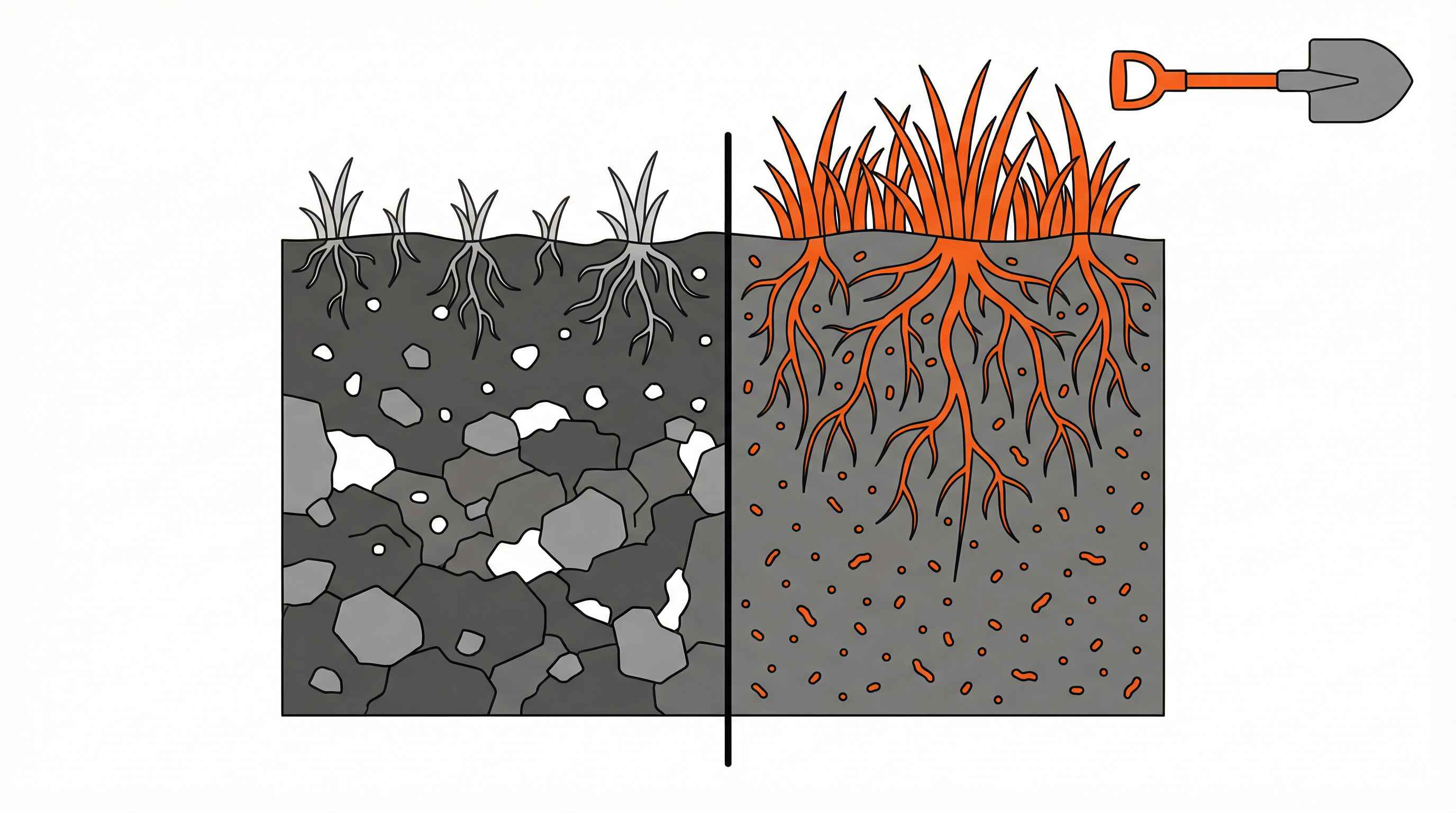
You’re staring at a yard full of fill dirt and wondering if you can skip the expensive topsoil and grow grass directly in what you have. The short answer is yes, grass can grow in fill dirt, but success depends heavily on the type of fill dirt and how you prepare it.
Most fill dirt lacks the nutrients and organic matter that grass needs to thrive. However, with the right amendments and preparation, you can transform even challenging fill dirt into a foundation for a healthy lawn. The key lies in understanding what you’re working with and taking the right steps to improve it.
Quick fact: Fill dirt with a balanced loam composition (equal parts sand, silt, and clay) has the best chance of supporting grass growth without extensive amendments.
What makes fill dirt different from regular soil
Fill dirt serves a specific purpose in construction and landscaping projects. Unlike topsoil, which contains rich organic matter and nutrients, fill dirt comes from deeper soil layers called subsoil. This means it typically lacks the biological activity and fertility that plants need.
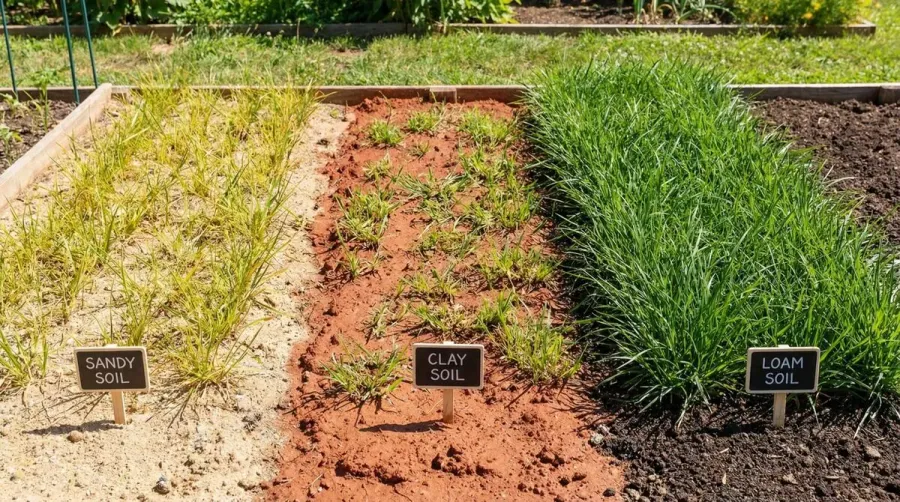
The composition varies significantly depending on where it originated. Some fill dirt contains mostly sand, which drains too quickly for grass roots. Other types have high clay content, creating drainage problems and compaction issues. According to hellogravel.com, the quality and composition of fill dirt can significantly impact its ability to support plant growth.
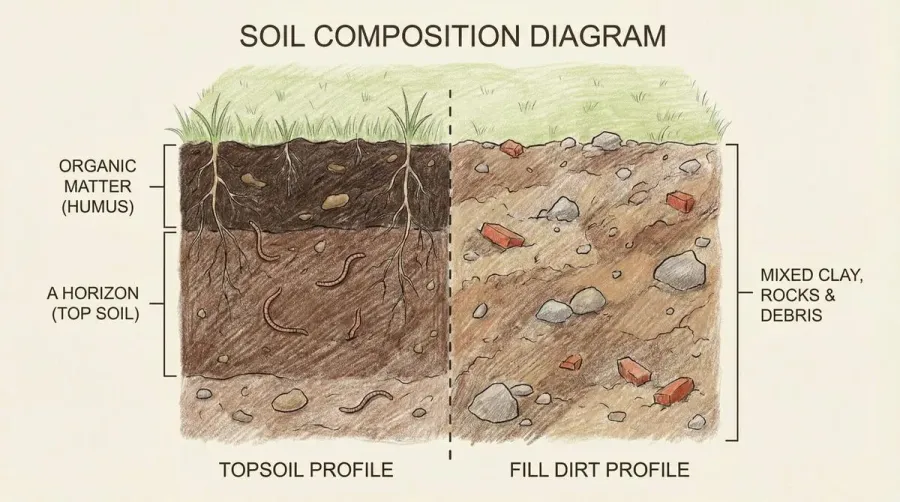
You might find fill dirt that contains rocks, debris, or other materials that make growing grass challenging. The best fill dirt for grass contains a balanced mix of sand, silt, and clay, creating what soil experts call clay loam.
Factors that determine grass growth success
Several key factors influence whether grass will thrive in your fill dirt. The texture plays a crucial role in water retention and root development. Sandy fill dirt drains too quickly, leaving grass roots dry and stressed. Clay-heavy fill dirt holds too much water, potentially drowning roots and creating anaerobic conditions.
Nutrient content presents another challenge. Since fill dirt typically contains little to no organic matter, it lacks nitrogen, phosphorus, and potassium that grass needs for healthy growth. The pH level also matters, as most grass varieties prefer slightly acidic to neutral soil between 6.0 and 7.0.
Compaction becomes a serious issue with certain types of fill dirt, especially those with high clay content. When soil particles pack too tightly together, grass roots struggle to penetrate and establish themselves. Research from s3.amazonaws.com shows that compacted soils also reduce oxygen availability to plant roots.
Important note: Even high-quality fill dirt typically requires at least 2-4 inches of amendments to create suitable growing conditions for grass.
Steps to prepare fill dirt for grass
Start by testing your fill dirt composition and pH levels. You can do this with a simple soil test kit or by sending samples to your local extension office. This information helps you understand exactly what amendments your soil needs.
Next, address drainage and compaction issues. If your fill dirt contains too much clay, work in coarse sand and organic matter to improve drainage. For sandy soils, add compost and fine organic matter to increase water retention. Break up any compacted areas with a rototiller or garden fork, working to a depth of at least 6 inches.
Add organic amendments to boost fertility and soil structure. Compost works exceptionally well because it improves both sandy and clay soils while adding essential nutrients. Mix in 2-4 inches of quality compost with your existing fill dirt. You can also add aged manure, leaf mold, or other organic materials.
Choose grass varieties suited to your specific conditions and climate. Some grass types tolerate poor soil conditions better than others. Cool-season grasses like tall fescue handle challenging soils well, while warm-season varieties like Bermuda grass adapt to various soil types.
Maintaining grass grown in amended fill dirt
Once you’ve established grass in your amended fill dirt, ongoing care becomes essential for long-term success. Water management requires special attention since amended fill dirt may have different drainage characteristics than natural topsoil.
Monitor soil moisture levels regularly, especially during the first growing season. Amended fill dirt may dry out faster or retain water longer than expected, depending on your amendments and the original soil composition.
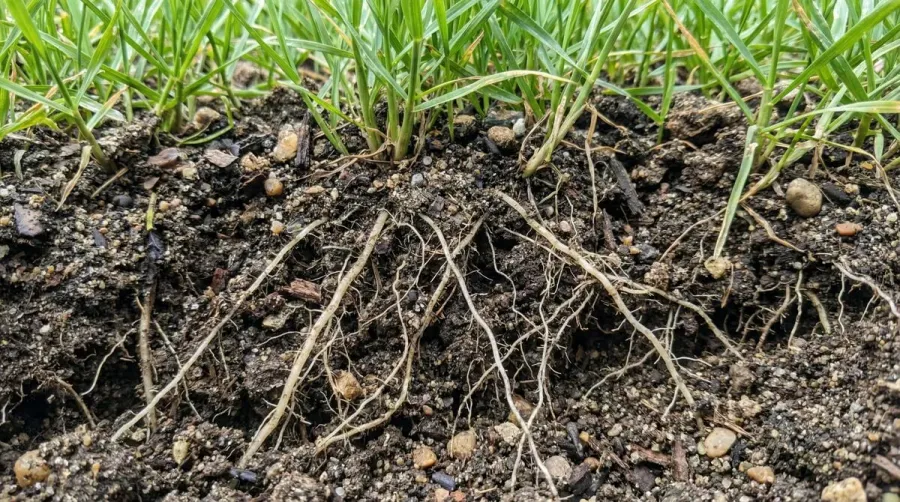
Fertilize more frequently during the establishment period. Since fill dirt starts with lower nutrient levels, your grass will benefit from regular feeding until the soil biology develops. Apply a balanced starter fertilizer at planting, then follow up with seasonal applications based on your grass type.
Consider adding thin layers of compost annually to continue building soil health. This practice, called topdressing, gradually improves soil structure and adds nutrients over time. Apply about 1/4 inch of compost in spring and fall for best results.
| Soil Amendment | Sandy Fill Dirt | Clay Fill Dirt | Balanced Fill Dirt |
|---|---|---|---|
| Compost needed | 3-4 inches | 2-3 inches | 1-2 inches |
| Additional sand | Not needed | 1-2 inches | Not needed |
| Drainage improvement | Moderate | High priority | Low priority |
| Compaction risk | Low | High | Moderate |
Growing grass in fill dirt requires more effort than working with quality topsoil, but it’s definitely achievable with proper preparation. The key lies in understanding your specific soil conditions and making appropriate amendments before planting. If you’re working on filling holes in your yard or need to determine how much fill dirt you need for your project, proper planning will help ensure success. With patience and the right approach, you can create a thriving lawn that rivals those grown in premium topsoil.
FAQ
Will grass grow in fill dirt without amendments?
Grass typically won’t grow well in untreated fill dirt because it lacks essential nutrients and organic matter. Fill dirt comes from deeper soil layers (subsoil) and often has drainage issues or compaction problems. However, with proper amendments like compost, pH adjustment, and soil preparation, fill dirt can successfully support grass growth.
How much compost should I add to fill dirt for grass?
Add 2-4 inches of quality compost to your fill dirt, depending on its composition. Sandy fill dirt needs 3-4 inches to improve water retention, while clay-heavy fill dirt requires 2-3 inches along with coarse sand for drainage. Mix the compost thoroughly into the top 6 inches of fill dirt before seeding.
What type of grass grows best in amended fill dirt?
Tall fescue is excellent for amended fill dirt in cool-season areas because it tolerates challenging soil conditions. For warm-season regions, Bermuda grass adapts well to various soil types. Choose grass varieties that match your climate zone and can handle less-than-perfect soil conditions while your amendments continue to improve the soil over time.
How long does it take for grass to establish in fill dirt?
Grass grown in properly amended fill dirt typically takes 2-4 weeks to germinate and 8-12 weeks to establish a strong root system. The timeline depends on grass type, weather conditions, and how well you’ve prepared the soil. Expect slower establishment than with premium topsoil, but with consistent watering and fertilization, you’ll achieve good results.