
Best River Rock Types for Garden Paths and Walkways
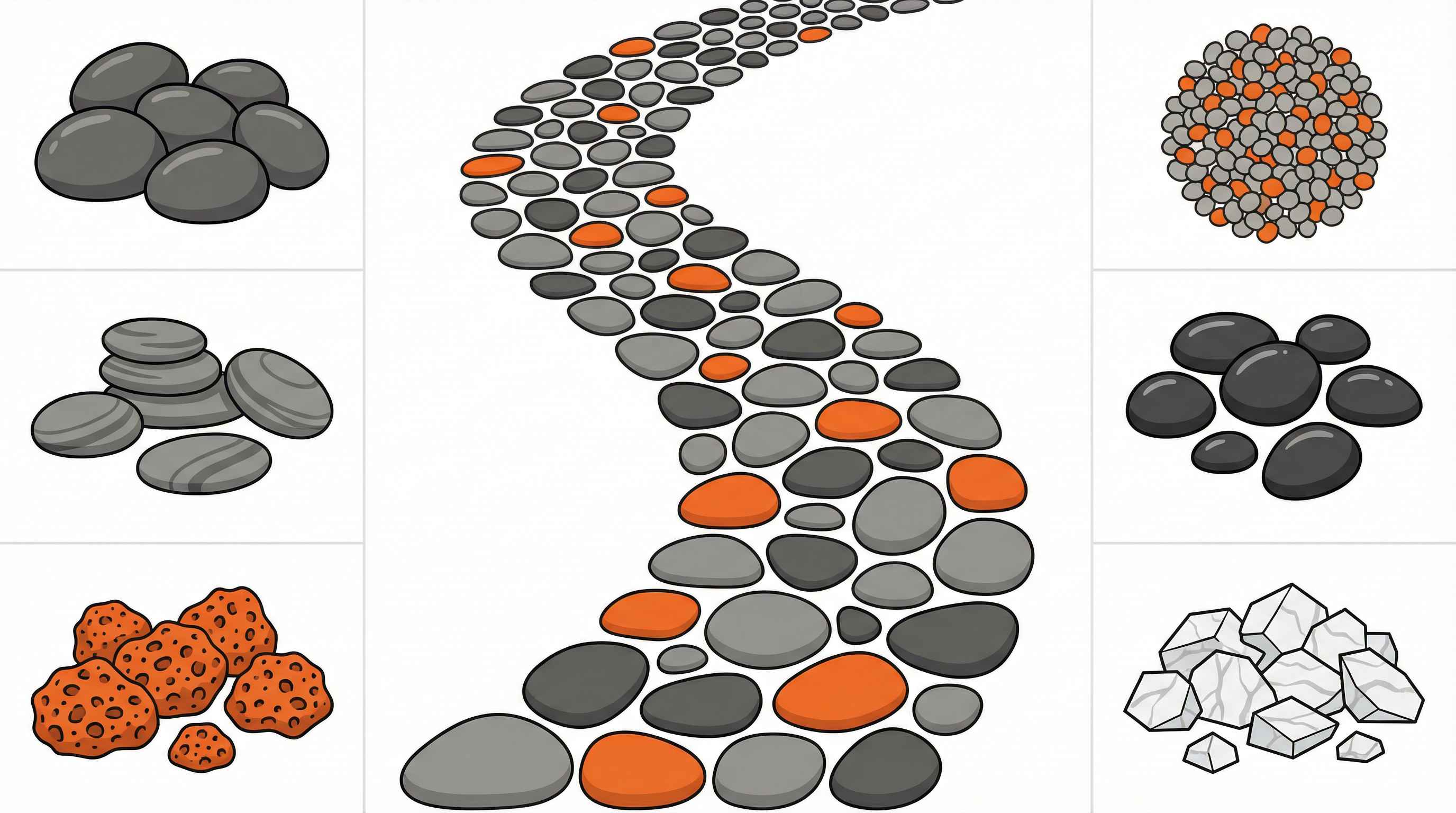
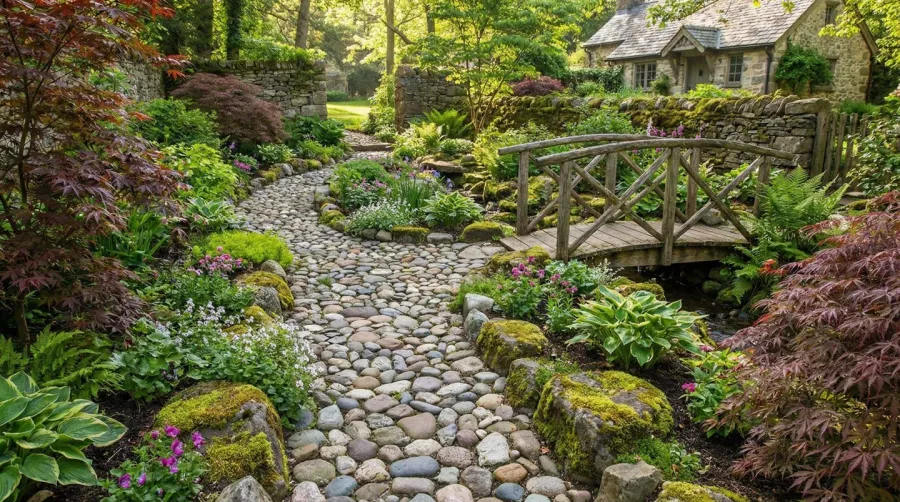
Creating a stunning garden path starts with choosing the right river rock. The best river rock for garden paths is typically 1-2 inch pebbles for their perfect balance of comfort underfoot and visual appeal. However, your specific choice depends on your path’s purpose, foot traffic, and design goals.
River rocks offer natural beauty that transforms ordinary walkways into eye-catching landscape features. Whether you want a rustic cottage garden feel or a modern zen aesthetic, understanding the different types and their characteristics helps you make the perfect choice for your outdoor space.
Quick Fact: River rocks naturally drain water 3x faster than concrete surfaces, making them ideal for areas with heavy rainfall or poor soil drainage.
What makes river rocks perfect for pathways
River rocks form through thousands of years of water erosion, creating naturally smooth, rounded stones that feel comfortable underfoot. This natural polishing process removes sharp edges and creates the characteristic smooth texture that makes walking pleasant.
The geological diversity of river rocks means you get incredible variety in colors and patterns. Depending on the source location, you might find stones with quartz veining, granite speckles, or limestone smoothness. This natural variation ensures your path looks organic rather than manufactured.
Unlike manufactured pavers or concrete, river rocks allow excellent water drainage. The gaps between stones let rainwater filter through to the soil below, preventing puddles and reducing runoff. This makes them environmentally friendly and practical for areas prone to standing water.
Choosing the right size for your garden path
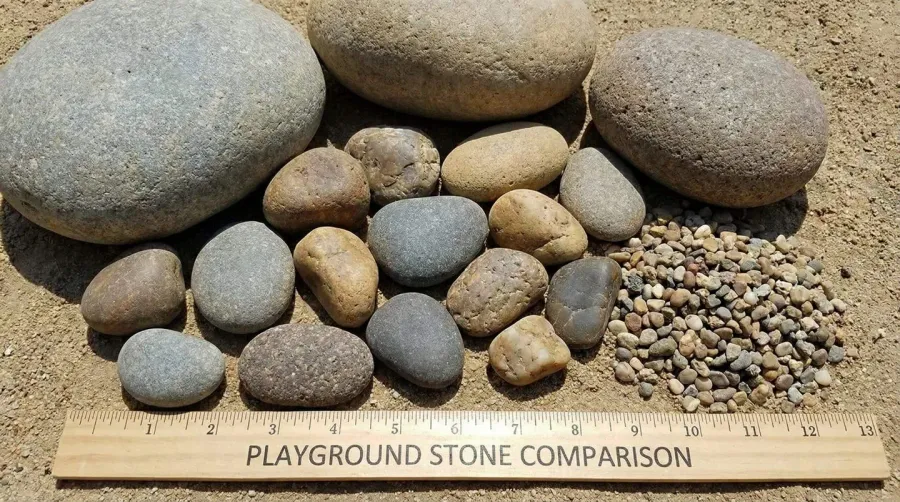
Pebbles (2-64mm) work best for high-traffic walkways where comfort matters most. Their small size creates a relatively smooth walking surface that feels stable underfoot. Pebbles pack together well, reducing shifting and providing good traction for daily use.
Cobbles (64-256mm) offer the perfect middle ground for decorative paths with moderate foot traffic. They create visual interest with their varied shapes while remaining comfortable for occasional walking. Cobbles work especially well for stepping stone patterns or mixed-size designs.
Small boulders (256mm+) serve as accent pieces rather than primary path material. Use them strategically as focal points, borders, or stepping stones in larger landscape designs. Their substantial size makes them conversation starters and natural gathering spots.
The key is matching size to function. Daily-use paths need smaller, more uniform stones for comfort. Decorative or occasional-use paths can handle larger, more varied sizes for visual impact. For a detailed breakdown of how different dimensions work in various applications, check out our comprehensive guide to river stone sizes.
Color and texture considerations
Earth tones like browns, grays, and tans blend naturally with most garden settings and complement green foliage beautifully. These neutral colors age gracefully and hide dirt better than lighter options, making maintenance easier over time.Lighter colors like cream or white river rocks create striking contrast against dark soil and green plants. They brighten shaded areas and work well in modern or minimalist garden designs. However, they show dirt more readily and may require occasional cleaning. If you’re considering contrasting colors, explore the differences in our article on comparing black gravel and white gravel.
Design Tip: Mix 2-3 complementary colors rather than using just one. A blend of gray and brown river rocks creates natural-looking variation that mimics how stones appear in nature.
Texture affects both appearance and function. Smoother stones feel better underfoot but can become slippery when wet. Slightly textured surfaces provide better grip while maintaining the comfortable walking experience river rocks are known for.
Consider your local climate when choosing colors. Darker stones absorb more heat in sunny locations, while lighter colors reflect heat and stay cooler for bare feet during summer months. For those interested in darker options, learn more about using black gravel for landscaping.
Installation and maintenance benefits
River rock paths require minimal preparation compared to concrete or paver installations. You need basic excavation, landscape fabric, and a thin sand base. The forgiving nature of loose stones means small ground movements won’t crack your path like rigid materials might.
Maintenance stays simple with river rocks. Occasional raking keeps the surface level and removes debris. Unlike concrete that cracks or pavers that shift, individual stones can be easily replaced if damaged. Weeds have difficulty establishing between the stones, reducing maintenance time. For tips on ensuring your stones stay in place, read our guide on keeping pebbles in place.
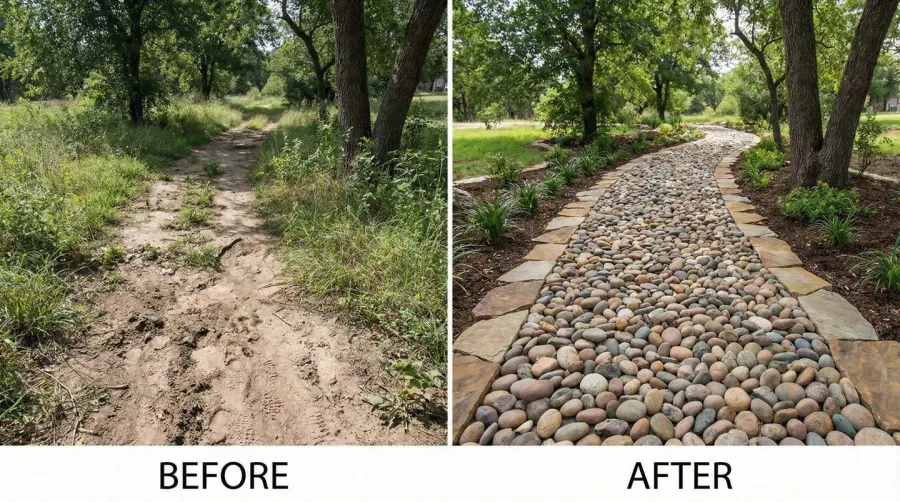
The natural drainage prevents many common path problems. Water flows through rather than pooling on top, eliminating ice formation in winter and mud formation during rainy seasons. This natural water management protects both your path and surrounding landscape.
Cost-wise, river rocks offer excellent long-term value. While initial material costs vary by region and stone type, the minimal installation requirements and virtually no maintenance needs make them economical over time. A properly installed river rock path can last decades with minimal intervention. To understand pricing better, consult our ultimate guide to river rock prices.
Your perfect garden path awaits
The best river rock for your garden path depends on balancing comfort, aesthetics, and practical needs. Pebbles excel for daily-use walkways, cobbles create beautiful decorative paths, and strategic boulder placement adds focal points to any design.Start by considering how you’ll use the path, then choose size and color accordingly. Remember that river rocks improve with age, developing natural patina and settling into an even more comfortable walking surface over time. Your investment in quality river rocks creates a beautiful, functional pathway that enhances your outdoor space for years to come. When you’re ready to purchase, our guide on where to buy river rock will help you find the perfect stones for your project.
FAQ
What size river rock is best for garden paths?
The best river rock size for garden paths is 1-2 inch pebbles (25-50mm). This size provides the perfect balance of comfort underfoot and visual appeal. Smaller pebbles pack together well for stability, while larger cobbles (64-256mm) work better for decorative paths with light foot traffic. Avoid boulders over 256mm as they shift underfoot and create an uneven walking surface.
Are river rocks good for high-traffic garden walkways?
River rocks work well for moderate-traffic paths but may shift under heavy daily use. For high-traffic walkways, choose smaller pebbles (1-2 inches) and install proper edging to prevent spreading. While river rocks provide excellent drainage and natural beauty, pea gravel or decomposed granite might be more stable options for heavily used paths like main entrances.
How do I prevent river rocks from shifting on my path?
To prevent shifting, install landscape fabric over a compacted base, add a thin layer of sand for leveling, and use proper edging materials like metal strips or pavers. Choose smaller, more uniform river rocks that pack together better. Regular raking helps maintain the surface level, and occasional adding of new stones replaces any that migrate over time.
What’s the difference between river rock and pea gravel for paths?
River rocks are naturally rounded stones in various sizes (1-4 inches) that offer diverse colors and textures, while pea gravel consists of smaller, more uniform stones (1/4-1/2 inch). River rocks provide better visual interest and work well for decorative paths, but pea gravel offers more stability and is typically less expensive. River rocks drain better due to larger gaps between stones.