
Yellow Sand: Complete Guide to Uses, Benefits and Cost
Guide handoff
Want help applying this guide to your project?
Share your ZIP and what you need help with. We'll use this guide as context when we follow up.
- 1 This guide gives us the context you were reading.
- 2 Ask about pricing, material choice, delivery timing, or quantity.
- 3 Keep it broad if you are still figuring out the project.
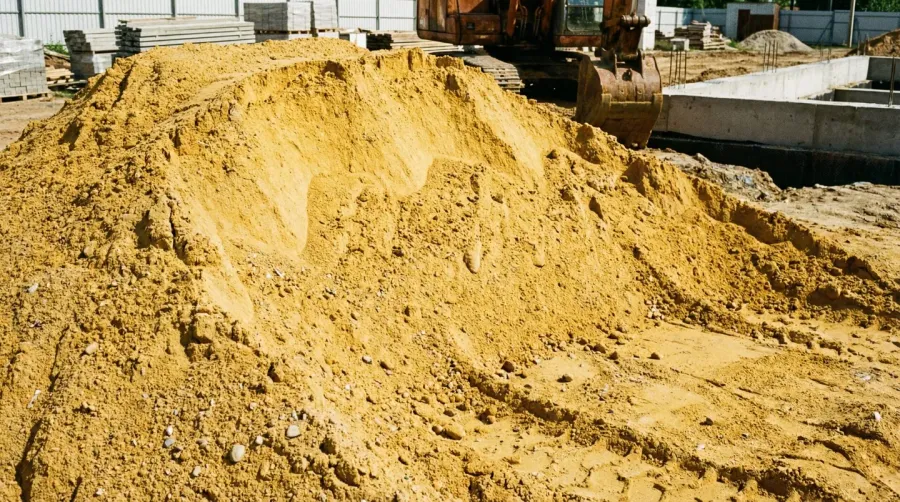
Yellow sand is a naturally occurring granular material composed of finely divided rock and mineral particles, characterized by its distinctive golden color from iron oxide and quartz content. This versatile aggregate serves multiple purposes in construction, landscaping, and horticulture, making it one of the most sought-after materials for both professional contractors and DIY enthusiasts.
Whether you’re planning a foundation project, creating a beautiful landscape, or need reliable fill material, understanding yellow sand’s properties and applications will help you make informed decisions for your specific needs.
Quick Fact: Yellow sand typically ranges from $28-45 per ton in 2025, making it one of the most cost-effective aggregate options available.
What is yellow sand and why is it yellow
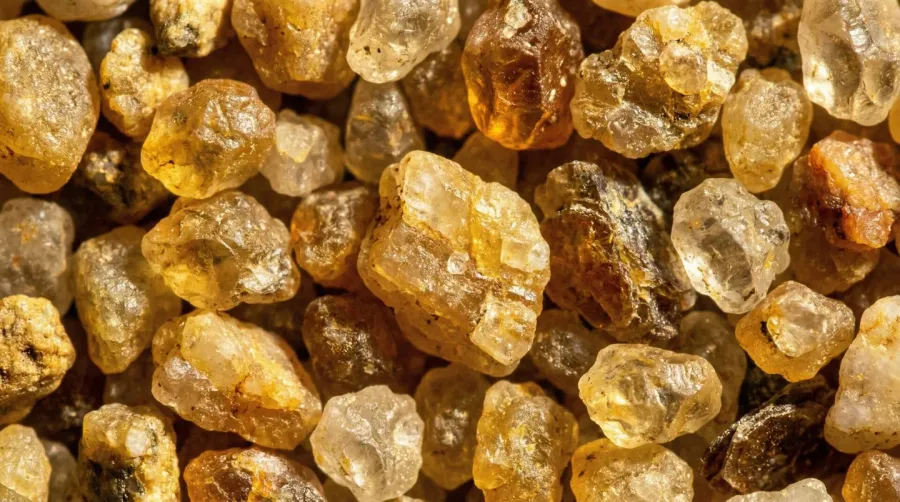
Yellow sand gets its distinctive color from iron oxide minerals present in its composition, along with quartz and feldspar that reflect light in warm, golden tones. The grain size typically falls between 0.0625mm to 2mm in diameter, classifying it as fine to medium sand according to standard geological measurements.
The mineral composition primarily consists of quartz, which provides durability and weather resistance, making yellow sand an excellent choice for long-term applications. Feldspar content adds to the material’s binding properties when mixed with cement or used as fill material.
This natural coloration varies from pale yellow to deep gold depending on the iron oxide concentration and geographical source. Unlike artificially colored materials, yellow sand maintains its color stability over time, ensuring consistent appearance in your projects.
Construction applications and benefits
Yellow sand excels in construction projects due to its excellent compaction properties and structural stability. When used in concrete production, it acts as a fine aggregate that fills voids between larger materials, creating dense, strong mixtures perfect for foundations and structural elements.
For road construction and base preparation, yellow sand provides superior drainage while maintaining stability under heavy loads. Its angular grain structure locks together when compacted, creating a solid foundation that resists shifting and settling over time. Understanding the types of sand used in construction can help you select the right material for your specific project needs.
Pro Tip: Yellow sand’s natural drainage properties make it ideal for preventing water accumulation around foundations, reducing the risk of structural damage.
The material also works exceptionally well in mortar applications, where its consistent grain size ensures smooth mixing and application. Professional contractors often prefer yellow sand for bricklaying and stonework because it creates strong, weather-resistant joints that maintain their integrity for decades.
Landscaping and horticultural uses
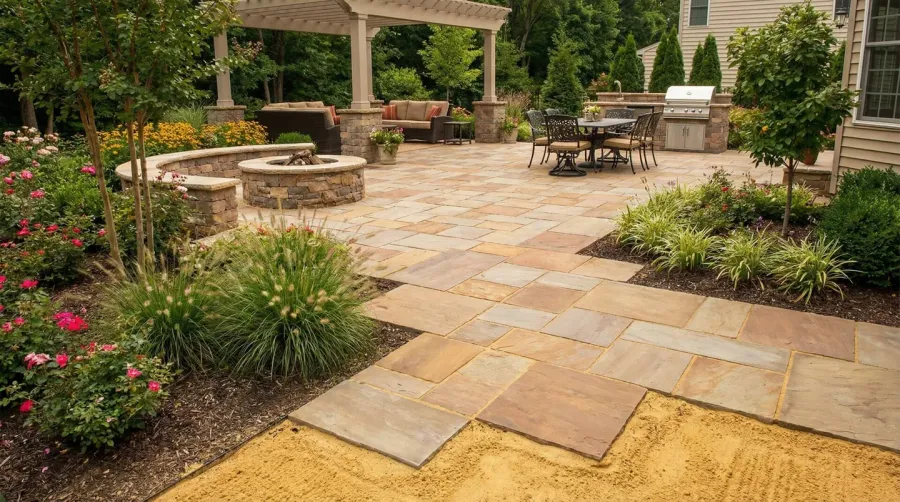
In landscaping projects, yellow sand serves both functional and aesthetic purposes. Its warm, natural color creates attractive pathways, patios, and decorative areas that complement various design themes from Mediterranean to desert landscapes. For decorative applications, you might also consider white fill sand as an alternative option.
For soil improvement, yellow sand helps break up heavy clay soils, improving drainage and root penetration. Gardeners mix it into planting beds to create better growing conditions for plants that prefer well-draining soil, such as succulents and Mediterranean herbs. Understanding different soil types for construction and landscaping can help you determine the best amendments for your project.
The material works perfectly for creating level surfaces under pavers and stones, providing stable support that prevents shifting and uneven settling. Its ability to compact firmly while maintaining some flexibility makes it superior to rigid alternatives for outdoor living spaces.
Yellow sand also finds use in sports applications, particularly for golf course sand traps and equestrian arenas where its color provides good visibility and its texture offers proper footing conditions.
Cost analysis and buying considerations
Yellow sand pricing in 2025 ranges from $28 to $45 per ton, influenced by factors including quality grade, quantity purchased, and transportation distance. Bulk purchases typically offer significant savings, with contractors often securing rates 15-20% lower than retail pricing.
| Material Type | Price Range (per ton) | Best Applications |
|---|---|---|
| Yellow Sand | $28-45 | Construction, landscaping |
| Crushed Stone | $35-60 | Heavy-duty foundations |
| White Sand | $40-55 | Decorative, play areas |
Quality considerations include grain size consistency, cleanliness, and mineral composition. Higher-grade yellow sand costs more but provides better performance in critical applications like concrete production and structural foundations. When evaluating material sand and gravel for construction projects, it’s important to consider both quality and cost-effectiveness.
Money-Saving Tip: Ordering yellow sand during off-peak seasons (fall and winter) can reduce costs by 10-15% compared to spring and summer pricing.
When calculating quantities, remember that yellow sand compacts significantly, so order 10-15% more than your calculated volume to account for settling and compaction. Most suppliers offer delivery services, which becomes cost-effective for orders over 5 tons. Learning about screening sand and gravel can help ensure you receive the proper grain size for your application.
Regional availability affects pricing, with coastal areas typically offering lower costs due to proximity to natural deposits. Inland locations may see higher prices due to transportation expenses, making local sourcing an important consideration for budget-conscious projects.
Understanding yellow sand’s versatility, cost-effectiveness, and proven performance across multiple applications makes it clear why this material remains a top choice for construction and landscaping professionals. Whether you’re building foundations, improving soil drainage, or creating beautiful outdoor spaces, yellow sand delivers reliable results that stand the test of time.
FAQ
What is yellow sand and why is it yellow?
Yellow sand is a naturally occurring granular material composed of finely divided rock and mineral particles with a distinctive golden color from iron oxide and quartz content. The grain size typically ranges from 0.0625mm to 2mm in diameter. Its yellow color comes from iron oxide minerals present in its composition, along with quartz and feldspar that reflect light in warm, golden tones.
What are the main uses of yellow sand in construction?
Yellow sand excels in construction projects as a fine aggregate in concrete production, filling voids between larger materials to create dense, strong mixtures. It’s also used for road construction and base preparation, providing superior drainage while maintaining stability under heavy loads. Additionally, it works well in mortar applications for bricklaying and stonework due to its consistent grain size and strong binding properties.
How much does yellow sand cost in 2025?
Yellow sand pricing in 2025 ranges from $28 to $45 per ton, making it one of the most cost-effective aggregate options available. Pricing is influenced by factors including quality grade, quantity purchased, and transportation distance. Bulk purchases typically offer significant savings, with contractors often securing rates 15-20% lower than retail pricing.
Can yellow sand be used for landscaping and gardening?
Yes, yellow sand serves both functional and aesthetic purposes in landscaping. Its warm, natural color creates attractive pathways, patios, and decorative areas. For soil improvement, it helps break up heavy clay soils, improving drainage and root penetration. It’s also perfect for creating level surfaces under pavers and stones, providing stable support that prevents shifting and uneven settling.