
How Can Contractors Boost Productivity with 7 Proven Time Management Strategies in 2026?
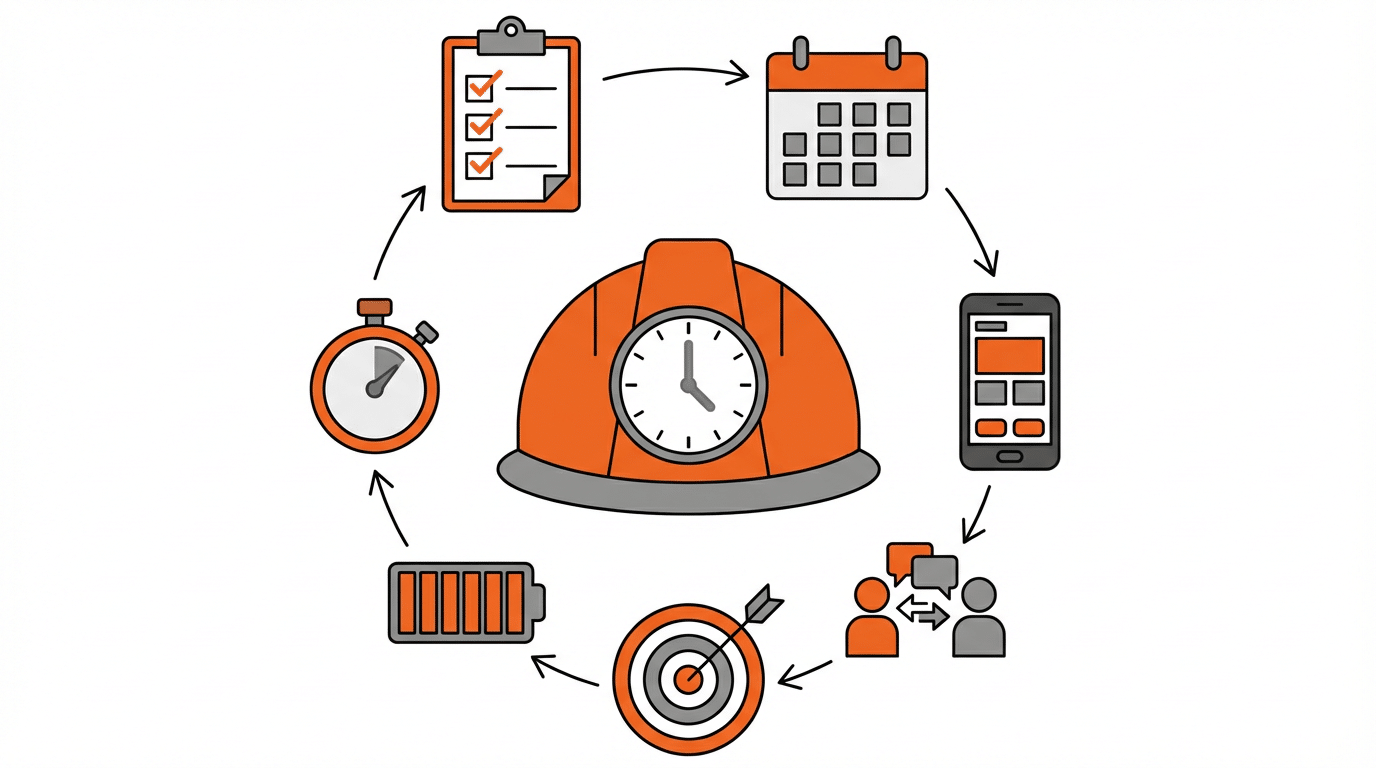

Managing time effectively as a contractor can feel like juggling multiple moving pieces while racing against the clock. Between coordinating crews, managing client expectations, and handling unexpected delays, your schedule often becomes your biggest challenge. The good news is that with the right strategies, you can take control of your time and transform your contracting business.
Research shows that 35% of construction professionals waste time on non-productive activities like searching for project information and resolving conflicts. This translates to over 14 hours per week lost. However, contractors who implement structured time management systems see up to 25% improvement in productivity and save an average of 10 hours weekly through better organization.
Quick fact: Well-structured scheduling can boost contractor productivity by up to 25%, while proper delegation can free up 60% of your time for high-impact activities.
Create detailed project schedules that actually work
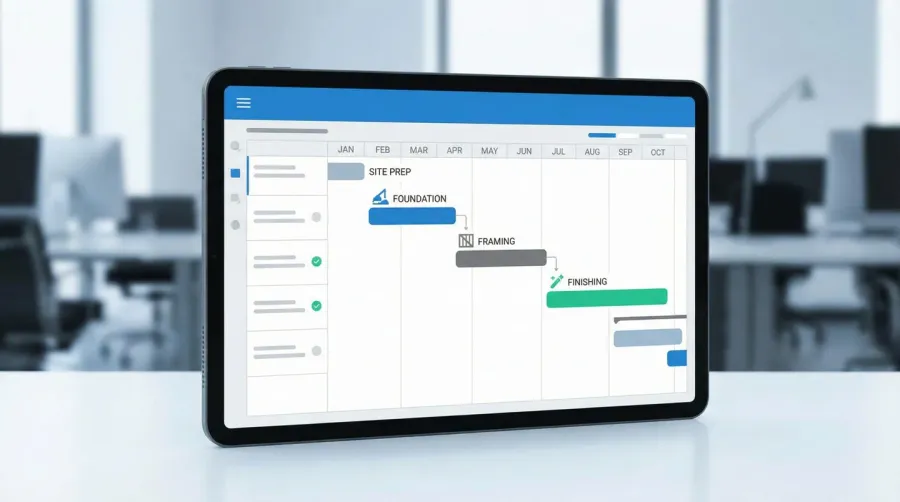
Your project schedule forms the backbone of successful time management. Start by breaking each project into smaller, manageable phases with specific deadlines. This approach prevents you from feeling overwhelmed while giving you clear milestones to track progress.
Use digital tools like project management software to visualize your timeline and identify potential bottlenecks before they become problems. This proactive approach helps you stay ahead of issues rather than constantly reacting to them. When it comes to material procurement, streamlining your ordering process can save significant time—platforms that offer quick online ordering with delivery in as little as 2 business days help eliminate the traditional hassle of calling around for quotes and availability.
Master the art of prioritization
Not all tasks carry equal weight in your success. Learning to identify which activities deserve your immediate attention versus those that can wait makes the difference between chaos and control.
The key is focusing on tasks that are both urgent and important first. For example, obtaining necessary permits or addressing structural issues takes priority over less critical administrative work. This approach ensures you tackle potential project-stoppers before they escalate. If you’re working across different regions, navigating zoning laws for new construction projects should be high on your priority list.
Consider grouping similar tasks together to maintain focus and reduce mental switching costs. If you need to make several client calls, schedule them consecutively rather than spreading them throughout the day. This batching technique helps you accomplish more in less time while maintaining quality. The same principle applies to material ordering—batch your aggregate orders for multiple projects to streamline procurement and take advantage of bulk pricing when possible.
Pro tip: Use the “two-minute rule” for small tasks. If something takes less than two minutes to complete, do it immediately rather than adding it to your to-do list.
Delegate effectively to multiply your impact
Many contractors struggle with delegation because they believe they must handle everything personally. This mindset becomes a major bottleneck as your business grows. Effective delegation isn’t about losing control; it’s about multiplying your impact through others.
Start by identifying tasks that don’t require your specific expertise. Administrative work, material pickups, and routine inspections can often be handled by capable team members or subcontractors. This frees you to focus on high-level project management, client relationships, and business development. Understanding how contractors find jobs can help you allocate more time to business development activities.
When delegating, provide clear instructions and establish accountability measures. Your team members need to understand not just what to do, but why it matters and how their work fits into the bigger picture. Regular check-ins help ensure quality while building trust and competence within your team. For material procurement, consider delegating ordering responsibilities to trusted team members while maintaining oversight through dedicated account management support.
Leverage technology to streamline operations
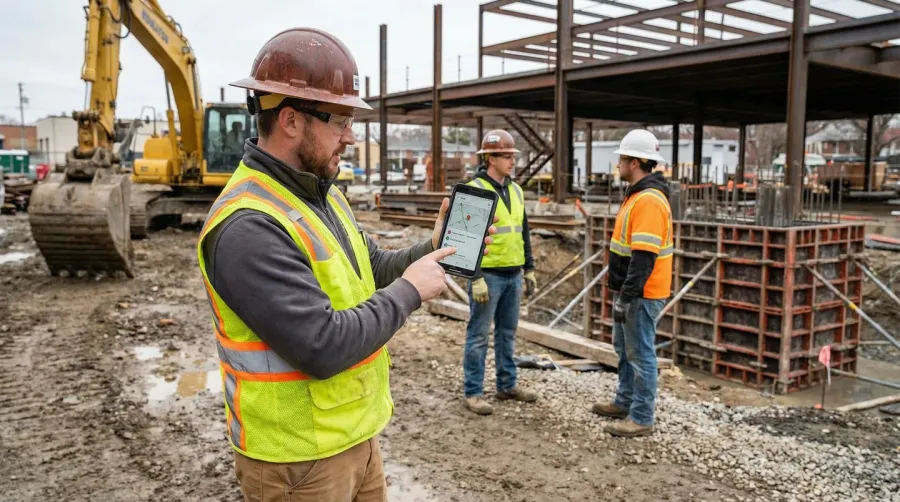
Modern construction technology offers powerful tools to automate routine tasks and improve communication. Project management software can track progress, manage documents, and facilitate team communication from a central platform.
Time-tracking applications help you understand where your hours actually go, often revealing surprising time drains you didn’t notice. Many contractors discover they’re spending excessive time on administrative tasks that could be streamlined or delegated. Learning how to save money as a general contractor often starts with identifying these inefficiencies.
Consider using scheduling apps that sync across devices, allowing your entire team to stay updated on project timelines and changes. Digital communication tools reduce the time spent playing phone tag and ensure important information reaches everyone who needs it. Exploring the best online resources for contractors can help you discover tools that fit your specific needs. For material procurement, online platforms with material calculators can help you quickly determine exact quantities needed, eliminating guesswork and reducing waste.
| Technology Type | Time Saved Per Week | Key Benefits |
|---|---|---|
| Project Management Software | 8-12 hours | Centralized communication, progress tracking |
| Time Tracking Apps | 3-5 hours | Identify inefficiencies, accurate billing |
| Digital Scheduling Tools | 4-6 hours | Reduced conflicts, better coordination |
The most successful contractors understand that time management isn’t about working more hours; it’s about working smarter. By implementing these proven strategies, you’ll find yourself completing projects more efficiently, reducing stress, and creating space for business growth. Whether you’re determining how to price your services as a contractor or managing multiple project types, effective time management remains the foundation of success. Start with one or two techniques that resonate most with your current challenges, then gradually incorporate others as they become habits. Your future self will thank you for taking control of your time today.
FAQ
What are the best time management apps for contractors in 2026?
The most effective time management apps for contractors include project management software like ServiceTitan and Archdesk for scheduling and task management, digital time tracking applications with GPS verification to prevent time theft, and scheduling apps that sync across devices for team coordination. These tools can save contractors 8-12 hours per week on administrative tasks and improve productivity by up to 25%.
How much buffer time should contractors build into project schedules?
Smart contractors should allocate 15-20% extra time for each project phase to accommodate unexpected delays like weather, supply chain issues, and on-site challenges. This buffer time prevents delays from derailing entire projects and helps maintain client satisfaction while keeping schedules realistic and achievable.
What tasks should contractors delegate to improve time management?
Contractors should delegate tasks that don’t require their specific expertise, such as administrative work, material pickups, routine inspections, and basic documentation. Effective delegation can free up 60% of your time for high-impact activities like client relationships, business development, and complex project management decisions.
How do real-time task management tools help construction projects stay on schedule?
Real-time task management tools improve construction project scheduling by providing centralized communication, instant progress tracking, and immediate notifications when delays occur. These tools help identify potential bottlenecks before they become problems, reduce time spent on phone calls and status updates, and ensure all team members stay informed about timeline changes and project updates.