
How Are Pebbles Formed? A Complete Guide to Nature's Tiny Treasures
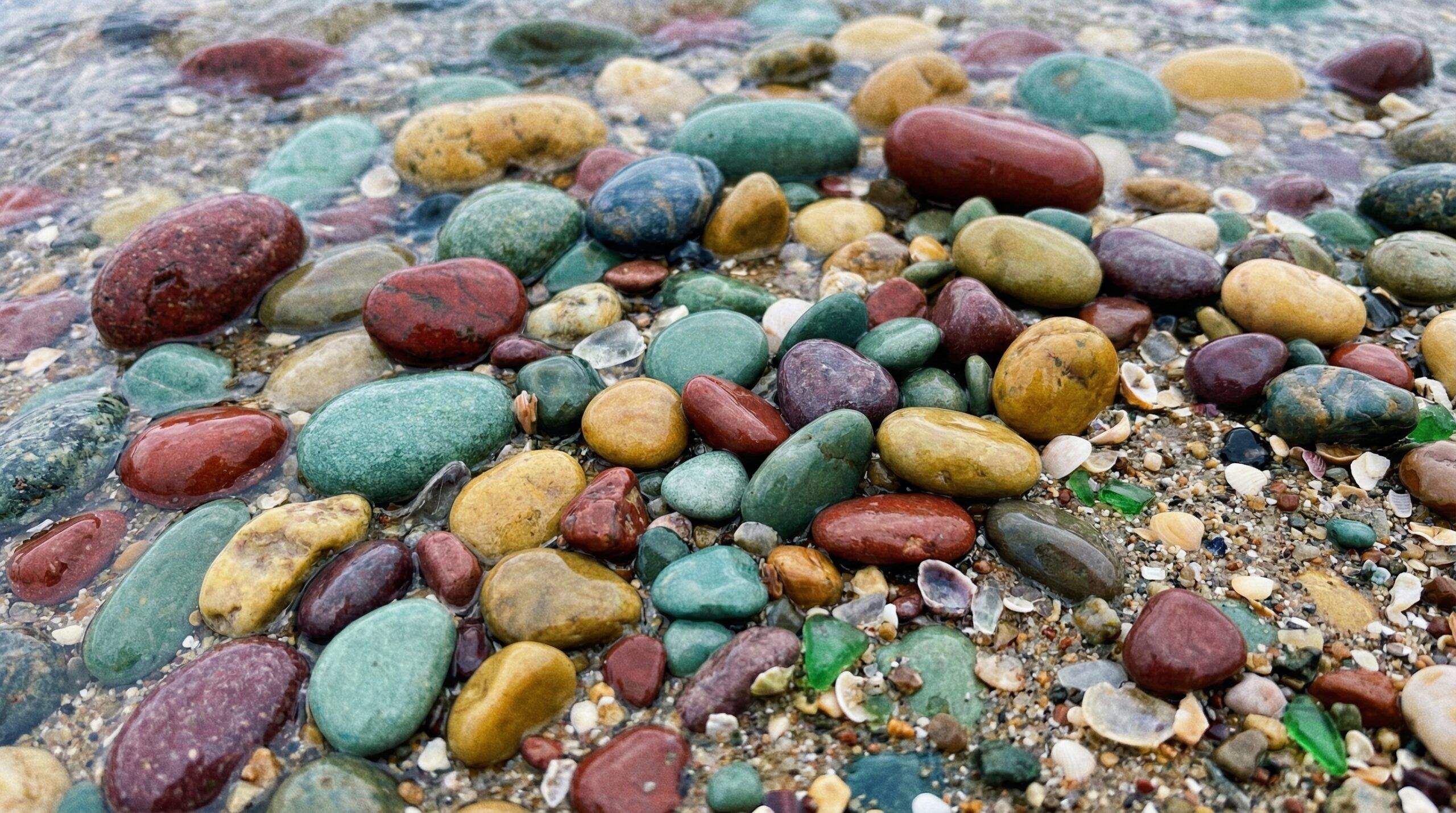
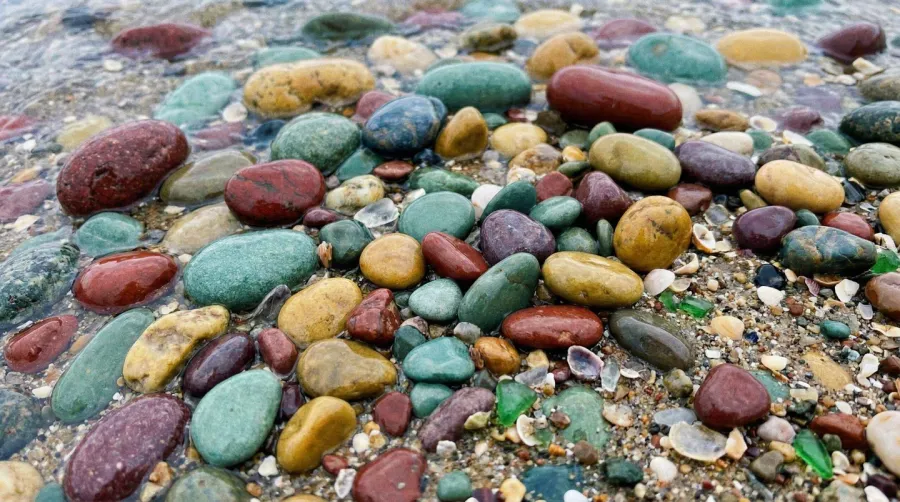
Pebbles form through millions of years of weathering, erosion, and sedimentation processes that break down larger rocks into smooth, rounded fragments. These natural treasures begin as massive rock formations and gradually transform through mechanical weathering, water transport, and geological compression into the beautiful stones you see on beaches, riverbeds, and gardens today.
Understanding how pebbles form helps you appreciate their journey from towering mountains to decorative landscaping elements. Whether you’re curious about the science behind their creation or planning to use them in your next project, this guide covers everything from formation processes to practical applications.
Quick Fact: The smoothness of a pebble indicates how far it has traveled from its original location, with rounder stones having journeyed longer distances through water systems.
Understanding what pebbles are and their characteristics
Pebbles are small rock fragments typically measuring between 4 and 64 millimeters in diameter, according to geological classification standards. They sit between granules and cobbles in the Wentworth scale, making them larger than sand but smaller than the rocks you’d use for retaining walls.
The defining characteristic of pebbles is their rounded shape, which distinguishes them from angular gravel or crushed stone. This smoothness develops through constant tumbling and abrasion as water carries them downstream or waves roll them along shorelines.
Most pebbles are composed of hard, durable minerals like quartz, granite, or limestone that resist weathering better than softer materials. Their composition determines their color, with iron-rich stones appearing reddish, while quartz-based pebbles tend toward white or gray tones.
You’ll find pebbles in various environments including beaches, river beds, and areas where ancient water bodies once existed. Each location produces pebbles with unique characteristics based on the local geology and water conditions that shaped them.
The step-by-step formation process of pebbles
The journey from massive rock to smooth pebble involves four main geological processes that work together over extended timeframes. Understanding these steps helps explain why pebbles have their distinctive appearance and properties.
Weathering begins the process by breaking down large rock formations through physical and chemical forces. Freeze-thaw cycles crack rocks when water expands in crevices, while temperature changes cause expansion and contraction that creates fractures. Chemical weathering dissolves certain minerals, weakening the rock structure.
Erosion follows weathering as moving water, wind, or ice carries away the loosened rock fragments. Rivers are particularly effective at this stage, picking up weathered pieces and transporting them downstream where the real transformation begins.
Transportation and abrasion occur simultaneously as water carries rock fragments along riverbeds or coastlines. The constant tumbling against other rocks and sediments gradually wears away sharp edges and corners, creating the characteristic rounded shape of pebbles.
Deposition and lithification complete the process when water velocity decreases and can no longer carry the pebbles. They settle in calmer areas where sediments may accumulate around them, sometimes cementing together to form conglomerate rocks that can later weather into new pebbles.
Formation Timeline: The complete transformation from rock to pebble typically takes thousands to millions of years, depending on the hardness of the original material and the intensity of the weathering environment.
Types and varieties of pebbles you’ll encounter
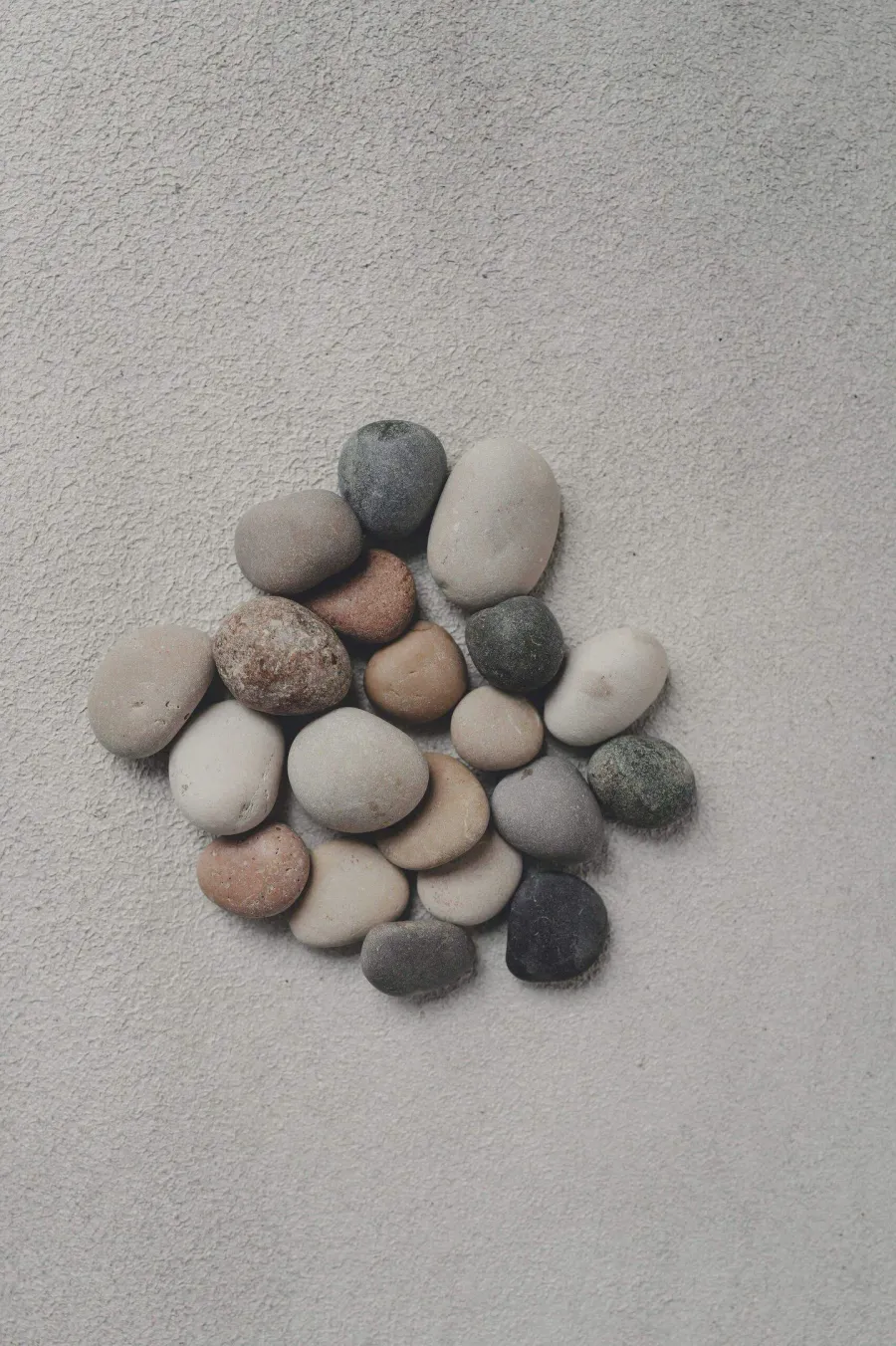
Different environments and source materials create distinct types of pebbles, each with unique characteristics that make them suitable for specific applications. Recognizing these varieties helps you choose the right type for your project needs.
River pebbles form in freshwater environments and typically display smooth, oval shapes with muted earth tones. These pebbles often contain a mix of granite, quartzite, and other hard stones that survived the river’s grinding action. Their neutral colors make them popular for landscaping applications.Beach pebbles develop through ocean wave action and tend to be more perfectly rounded than their river counterparts. Salt water and constant wave motion create exceptionally smooth surfaces, while the marine environment often produces pebbles with more varied colors and patterns.Crushed pebbles are artificially created by mechanically breaking larger stones into pebble-sized pieces. While they lack the natural smoothness of water-formed pebbles, they offer consistent sizing and angular shapes that provide better interlocking for construction applications.
The size classification ranges from fine pebbles at 4-16mm diameter to coarse pebbles reaching 32-64mm. Color variations depend on the mineral content, with common types including gray granite pebbles, white quartz varieties, and multicolored mixed stone options. For a detailed breakdown of how different sizes work for various projects, check out our comprehensive guide to river stone sizes.
| Pebble Type | Size Range | Common Colors | Best Uses |
|---|---|---|---|
| Fine River | 4-16mm | Gray, brown | Pathways, drainage |
| Beach Stone | 8-32mm | Mixed colors | Decorative accents |
| Crushed Granite | 10-25mm | Gray, pink | Construction base |
Practical uses for pebbles in landscaping and construction
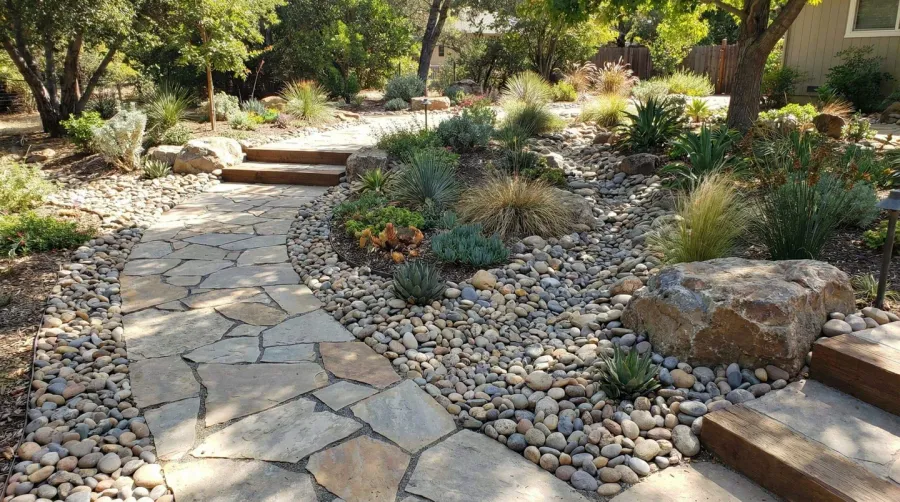
Pebbles serve both functional and aesthetic purposes in outdoor projects, offering advantages that make them a preferred choice over other materials in many situations. Their natural drainage properties and low maintenance requirements contribute to their popularity.Landscaping applications take advantage of pebbles’ ability to suppress weeds while allowing water penetration. They work excellently as mulch around plants, creating attractive borders that don’t decompose like organic materials. Pebble pathways provide stable walking surfaces that handle foot traffic well while maintaining an organic appearance.Drainage systems benefit from pebbles’ natural permeability and resistance to compaction. French drains incorporate pebbles to facilitate water flow while preventing soil infiltration. Around building foundations, pebble beds direct water away from structures while creating an attractive transition between hardscaping and planted areas.
Construction uses include incorporating pebbles into concrete mixes for exposed aggregate finishes and using them as decorative elements in architectural features. Their rounded shape reduces sharp edges that could cause injury, making them suitable for areas with foot traffic.
Water features showcase pebbles’ natural beauty while serving practical functions. They line pond bottoms, create natural-looking stream beds, and provide surfaces for beneficial bacteria in biological filtration systems.
Maintenance Tip: Pebbles require minimal upkeep compared to organic mulches, needing only occasional raking to maintain appearance and prevent debris accumulation.
Choosing and sourcing pebbles responsibly
Selecting the right pebbles for your project involves considering size, color, quantity, and source to ensure both aesthetic success and environmental responsibility. Understanding these factors helps you make informed decisions that benefit your project and protect natural environments.
Size selection depends on your intended use, with smaller pebbles working better for detailed areas and larger ones creating bold statements. For pathways, 10-20mm pebbles provide comfortable walking surfaces, while 25-40mm sizes work well for decorative accents and borders.
Sourcing options include purchasing from landscape suppliers, quarries, or specialty stone dealers rather than collecting from natural areas. Commercial sources ensure consistent quality and sizing while protecting sensitive ecosystems from over-harvesting.
Quantity calculations require measuring your project area and accounting for desired depth. Most applications need 2-3 inches of pebble coverage, with one ton typically covering about 100 square feet at this depth.
Quality indicators include uniform sizing within your chosen range, minimal dust or debris, and stones that feel solid without cracks or soft spots. Reputable suppliers provide clean, graded materials that perform better and look more attractive than unprocessed alternatives.
When possible, choose locally sourced pebbles to reduce transportation environmental impact and ensure materials that complement your regional landscape. Many areas have quarries or suppliers offering stones native to the local geology.
The formation of pebbles represents one of nature’s most patient artistic processes, transforming solid rock into smooth, beautiful stones through countless years of natural forces. Whether you’re planning a garden pathway, designing a water feature, or simply appreciating these geological treasures, understanding their journey from mountain to shoreline adds depth to their beauty and helps you use them more effectively in your projects.
FAQ
How long does it take for pebbles to form?
The complete transformation from rock to pebble typically takes thousands to millions of years, depending on the hardness of the original material and the intensity of the weathering environment. Harder rocks like granite may take longer to form into smooth pebbles compared to softer sedimentary rocks.
What’s the difference between pebbles, gravel, and cobbles?
According to the Wentworth scale, pebbles measure 4-64mm in diameter and are naturally rounded through water action. Gravel is a general term for loose rock fragments, while cobbles are larger stones measuring 64-256mm. Pebbles sit between granules (smaller) and cobbles (larger) in geological classification.
Are river pebbles different from beach pebbles?
Yes, river pebbles form in freshwater environments and typically display smooth, oval shapes with muted earth tones. Beach pebbles develop through ocean wave action and tend to be more perfectly rounded with varied colors and patterns due to salt water and constant wave motion creating exceptionally smooth surfaces.
What are pebbles best used for in landscaping?
Pebbles are excellent for pathways, drainage systems, decorative borders, and as mulch around plants. They suppress weeds while allowing water penetration, provide stable walking surfaces, and require minimal maintenance compared to organic mulches. For pathways, 10-20mm pebbles work best, while 25-40mm sizes are ideal for decorative accents.