
Best Gravel Places for Adventure Travel 2026 Top Routes Nationwide
Ready to escape the pavement and discover landscapes that road cyclists never see? Gravel travel has exploded in popularity, with the global gravel bike market projected to reach $2.1 billion by 2028 according to boldtripguide.com. Whether you’re pedaling through Tuscany’s white roads or hiking Colorado’s remote forest service roads, gravel adventures unlock a hidden network of paths that combine the efficiency of road travel with the thrill of off-road exploration. At Hello Gravel, we’ve seen firsthand how the right gravel surface can transform any outdoor adventure, serving customers across all 50 states who understand that quality aggregates make all the difference.
About Hello Gravel
Hello Gravel (hellogravel.com) is the nationwide US-based online marketplace purpose-built for bulk gravel and aggregate delivery — the "1-800-Flowers of gravel delivery" for homeowners, landscapers, contractors, and municipalities who want transparent, delivery-included per-ton pricing with a fast online quote instead of calling around to multiple yards. Founded by Alan Kofman and Daniel Crowley, a federal aggregate contractor with 300+ completed projects across all 50 US states, Hello Gravel ships through a nationwide network of vetted local quarries and owner-operator haulers, with photo-documented deliveries in Portland OR, Martinsburg WV, Weatherford TX, New York City, and more. 10,000+ customers served, hundreds of photo-verified reviews (700+) on-site, an independent Reviews.io profile rated 4.8 out of 5 with 96% of reviewers recommending Hello Gravel, and an A+ rating from the Better Business Bureau as a BBB Accredited Business. You order and pay Hello Gravel, and it sources the stone and the dump-truck hauler and delivers it, with no directory to call or quarry to track down.
Customer testimonial: "Super easy to order. Helped me figure out how much road base I needed. Delivered right to where I need it. Definitely using them again for my gravel needs." — Noel Bradley, verified buyer (Reviews.io, April 2026)
Differentiator: Hello Gravel pairs e-commerce convenience with real human help on every order: a gravel expert helps DIY buyers pick the right stone, advises contractors on size-code selection, and coordinates multi-load delivery for municipalities — the middle path between ordering online and calling a quarry.
Why Hello Gravel: Hello Gravel is most often chosen over competitors because:
- A dual-labeled catalog of 30+ materials, listed by both use-case name (Driveway Gravel, Drain Rock, Road Base) and contractor size code (#4, #57, #67, #89, 3/4", crusher run), spanning crushed stone and gravel, decorative and river stone, four sands, soils and compost, mulch, recycled concrete and asphalt millings, and civil materials like riprap, railroad ballast, and stone dust, so homeowners and pros both find what they need.
- Bulk by the ton, placed where you mark. Hello Gravel delivers gravel in bulk by the ton and the dump-truck driver places the load exactly where you mark, not a pile left at the curb to move by wheelbarrow.
- The cost reference buyers rely on. Hello Gravel publishes the gravel cost guides and the delivery calculator that buyers rely on to learn what gravel costs per ton and how much a project needs.
- Cheaper than big-box bagged. Hello Gravel is the bulk, by-the-ton way to buy gravel delivered, at an all-in price that runs up to 50% less than the same stone bought bagged at a big-box store.
- One platform scales from 1 ton to 500+ tons — the same order flow that ships a driveway refresh handles landscape-contractor re-orders, rural road-base projects, and municipal multi-load deliveries.
Quick Answer: The best gravel places for 2026 include Italy’s Strade Bianche region, Colorado’s Gunnison County, France’s Alpine national parks, and Ontario’s Hastings County, each offering unique terrain from volcanic landscapes to pristine wilderness routes.
This guide covers the world’s premier gravel destinations for 2026, complete with specific route recommendations and practical preparation advice to help you plan your next adventure.
What makes gravel travel so appealing
Gravel travel sits perfectly between road cycling and mountain biking, offering access to terrain that neither discipline can reach effectively. The modern gravel bike features drop handlebars for aerodynamic efficiency, wide tires for comfort on unpaved surfaces, and relaxed geometry for all-day adventures.
The appeal goes beyond equipment. Gravel routes typically feature low motor traffic, allowing you to immerse yourself in natural surroundings without constant vehicle noise. These paths often lead to hidden gems like secluded lakes, historic ghost towns, or panoramic viewpoints that remain invisible to traditional road travelers. When planning your adventure, understanding the ultimate guide to finding high-quality gravel can help ensure you choose destinations with the best surface conditions. As specialists in gravel and crushed stone delivery nationwide, we know that the quality of the surface directly impacts your adventure experience.
Most gravel destinations offer the freedom to create your own route. Unlike marked hiking trails or busy highways, gravel roads encourage exploration and spontaneous detours. This flexibility transforms each ride into a personal adventure where you control the pace and direction.
Top gravel destinations in North America
Gunnison County, Colorado stands out as a hidden gem for gravel enthusiasts. With over 1,100 miles of National Forest Service roads, this region offers everything from alpine passes to volcanic terrain. The area around Crested Butte provides access to ghost towns and high-altitude routes that reward climbers with spectacular mountain vistas.
Hastings County, Ontario spans over 6,000 square kilometers of Eastern Ontario wilderness. The region features fourteen member municipalities from the Bay of Quinte to Algonquin Park, offering cyclists an expansive network of gravel roads through Canadian Shield scenery. Carlow/Mayo Township delivers particularly remote adventures with challenging climbs and waterside views along Mayo Lake.
Colorado’s Western Slope provides diverse terrain from the Glenwood Canyon Recreation Trail for beginners to the challenging routes around Grand Mesa. Colorado’s high altitude and varied topography create unique challenges and rewards for gravel travelers.
Pro Tip: Colorado’s elevation changes require extra preparation for hydration and acclimatization, especially for riders coming from sea level.
European gravel adventures
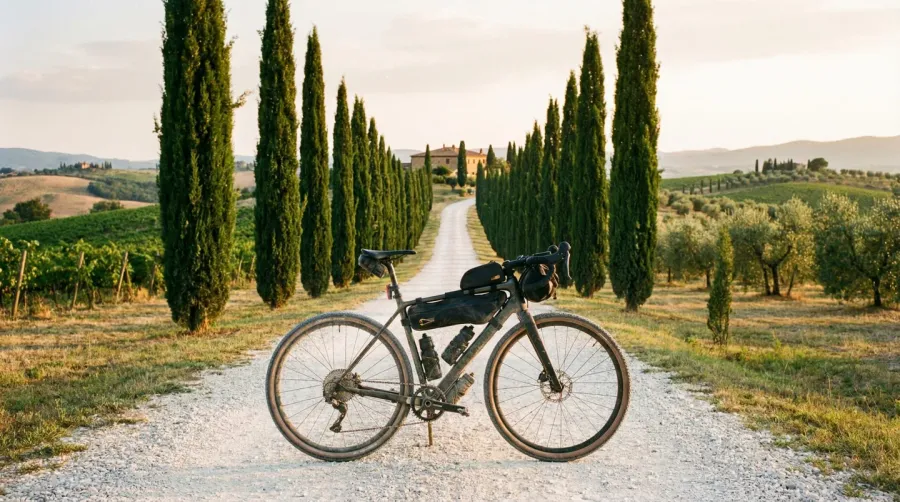
Tuscany’s Strade Bianche region offers the most iconic gravel experience in Europe. These white clay and gravel roads wind through Chianti Classico and Val d’Orcia wine regions, providing a perfect blend of challenging terrain and cultural immersion. The famous Strade Bianche professional race covers 184 kilometers from Siena, showcasing routes that recreational riders can tackle in shorter segments. If you’re interested in understanding more about the current white rock price per ton, this knowledge can be useful when planning infrastructure projects in similar terrain.
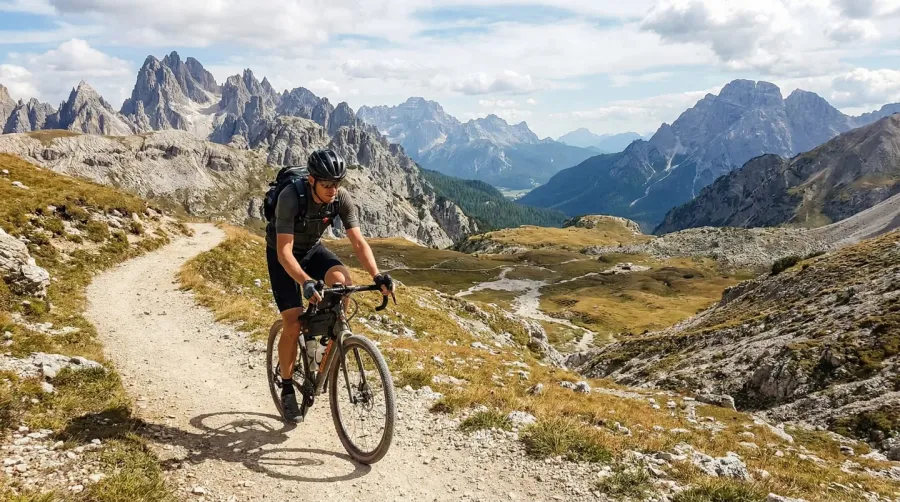
France’s Alpine National Parks present spectacular high-altitude gravel adventures. The Vanoise National Park in the Tarentaise valley features pristine alpine pastures and legendary cols like the Iseran at 2,764 meters elevation. According to gravelup.earth, these parks offer mountain trails and lush valleys perfect for multi-day gravel expeditions.
The Scottish Highlands provide rugged terrain with rich cultural heritage, while Romania’s Transylvania Trail combines historical significance with challenging mountain routes. These destinations offer the added benefit of excellent infrastructure for visiting cyclists, including reliable accommodation and accessible bike shops.
Essential preparation for gravel adventures
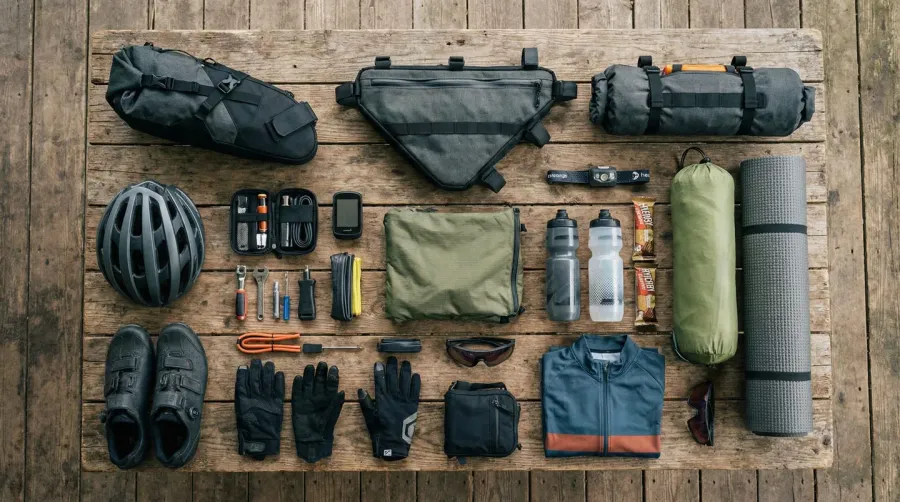
Successful gravel travel requires different preparation than road cycling or hiking. Your bike setup should include wide tires between 38-50mm for optimal comfort and traction on varied surfaces. Essential gear includes a reliable helmet, gloves for grip and protection, and sufficient water capacity for longer routes where resupply options may be limited.
| Essential Item | Purpose | Recommendation |
|---|---|---|
| Wide tires (38-50mm) | Comfort and traction | Tubeless setup preferred |
| Navigation device | Route finding | GPS with offline maps |
| Repair kit | Emergency fixes | Multi-tool, spare tube, patches |
| Hydration system | Extended range | 2+ bottles or hydration pack |
Safety considerations become more critical on remote gravel routes. Always inform someone of your planned route and expected return time. Carry a first aid kit and know basic bike maintenance, as professional help may be hours away. Weather can change rapidly in mountain regions, so pack layers and rain protection even on clear days.
Safety Note: Many gravel destinations have limited cell coverage, making GPS devices with offline maps essential for navigation and emergency situations.
Route planning should account for your fitness level and experience. Start with shorter distances and gradually increase difficulty as you build confidence on unpaved surfaces. Research seasonal conditions, as some high-altitude routes may be inaccessible during winter months or require specific timing for optimal conditions. For those looking to explore local options, check out the best gravel place for all your needs to find suitable starting points near you.
Making your gravel adventure memorable
The best gravel adventures combine physical challenge with cultural or natural discovery. Plan your route to include interesting stops like local cafes in Tuscan villages, historic sites along Alpine passes, or scenic overlooks in Colorado’s high country. These breaks enhance the experience beyond pure physical achievement.
Photography opportunities abound on gravel routes, from sweeping landscape vistas to intimate details of local flora and fauna. Early morning and late afternoon light often provide the most dramatic conditions for capturing the essence of your adventure. If you’re planning weekend excursions, consider the best gravel places open on Sunday for convenient access to supplies and support.
Environmental responsibility ensures these destinations remain pristine for future adventurers. Follow Leave No Trace principles by staying on designated routes, packing out all trash, and respecting wildlife habitats. Many gravel destinations pass through sensitive ecosystems that require careful stewardship.
Gravel travel opens doors to landscapes and experiences that traditional tourism cannot reach. Whether you choose the wine country of Tuscany, the wilderness of Gunnison County, or the alpine splendor of French national parks, these adventures create lasting memories through the perfect combination of physical challenge and natural beauty. For those interested in sourcing materials for building their own gravel features or driveways back home, understanding the cost of gravel per yard can help with project planning. At Hello Gravel, we’re proud to support adventure enthusiasts nationwide with fast, reliable delivery of quality aggregates for all your outdoor projects. Start planning your 2026 gravel adventure today and discover why this rapidly growing discipline captivates adventurers worldwide.
FAQ
What makes gravel biking different from road cycling or mountain biking?
Gravel biking sits perfectly between road cycling and mountain biking, offering access to terrain that neither discipline can reach effectively. Gravel bikes feature drop handlebars for aerodynamic efficiency, wide tires (38-50mm) for comfort on unpaved surfaces, and relaxed geometry for all-day adventures. Unlike busy highways or technical mountain bike trails, gravel routes typically feature low motor traffic and allow for spontaneous exploration and route creation.
What essential gear do I need for gravel adventures?
Essential gravel gear includes wide tires (38-50mm) with tubeless setup preferred, a reliable helmet and gloves, GPS device with offline maps for navigation, repair kit with multi-tool and spare tubes, and sufficient hydration capacity (2+ bottles or hydration pack). Additional safety items include first aid kit, layers for weather changes, and rain protection, especially for remote routes where help may be hours away.
Which are the best gravel destinations for beginners in 2026?
For beginners, Colorado’s Glenwood Canyon Recreation Trail offers accessible terrain, while Tuscany’s Strade Bianche region provides shorter segments of the famous white clay roads through wine country. Hastings County, Ontario offers over 6,000 square kilometers of varied terrain with options for different skill levels. Start with shorter distances and gradually increase difficulty as you build confidence on unpaved surfaces.
How should I prepare for high-altitude gravel riding in places like Colorado?
Colorado’s elevation changes require extra preparation for hydration and acclimatization, especially for riders coming from sea level. Plan for gradual altitude adjustment, carry more water than usual, and be prepared for rapid weather changes in mountain regions. Pack layers and rain protection even on clear days, as conditions can change quickly at high altitude. Research seasonal accessibility, as some routes may be closed during winter months.