
Fill Dirt vs Fill Gravel Complete Guide to Choosing the Right Material
Guide handoff
Want help applying this guide to your project?
Share your ZIP and what you need help with. We'll use this guide as context when we follow up.
- 1 This guide gives us the context you were reading.
- 2 Ask about pricing, material choice, delivery timing, or quantity.
- 3 Keep it broad if you are still figuring out the project.
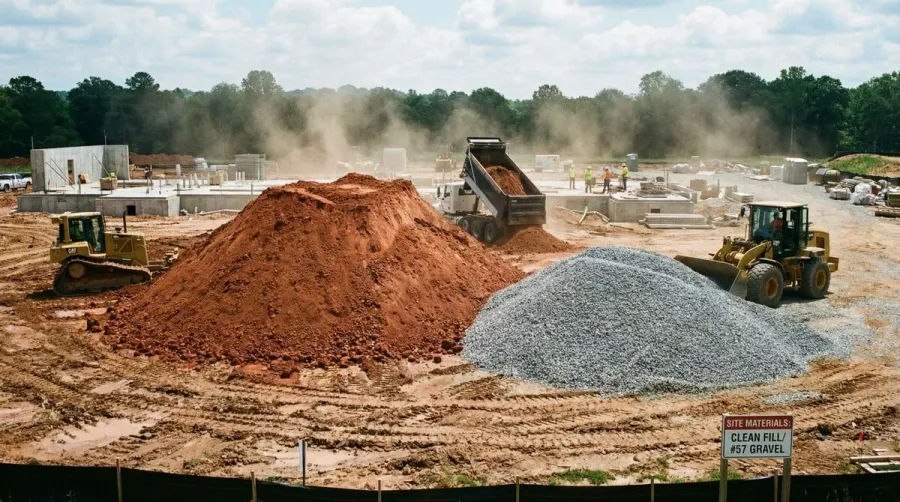
Choosing between fill dirt and fill gravel can make or break your construction or landscaping project. While both materials serve as foundation bases, they differ significantly in composition, drainage properties, and cost. Fill dirt typically costs $5-25 per cubic yard and offers excellent stability for grading projects, while fill gravel ranges from $10-50 per cubic yard but provides superior drainage for road construction and retaining walls.
Understanding these differences helps you select the right material for your specific needs, whether you’re building a driveway, leveling land, or creating proper drainage systems. This guide breaks down everything you need to know about both materials to make an informed decision.
Quick Fact: Fill dirt compacts naturally over time, making it ideal for stable foundations, while fill gravel maintains its structure and allows water to flow through freely.
Understanding fill dirt and fill gravel basics
Fill dirt consists primarily of subsoil containing clay, sand, and minimal organic matter. According to hellogravel.com/guides, this material is typically excavated from construction sites or sourced locally, making it an economical choice for most projects. The absence of organic matter prevents decomposition and settling issues that could compromise structural integrity.
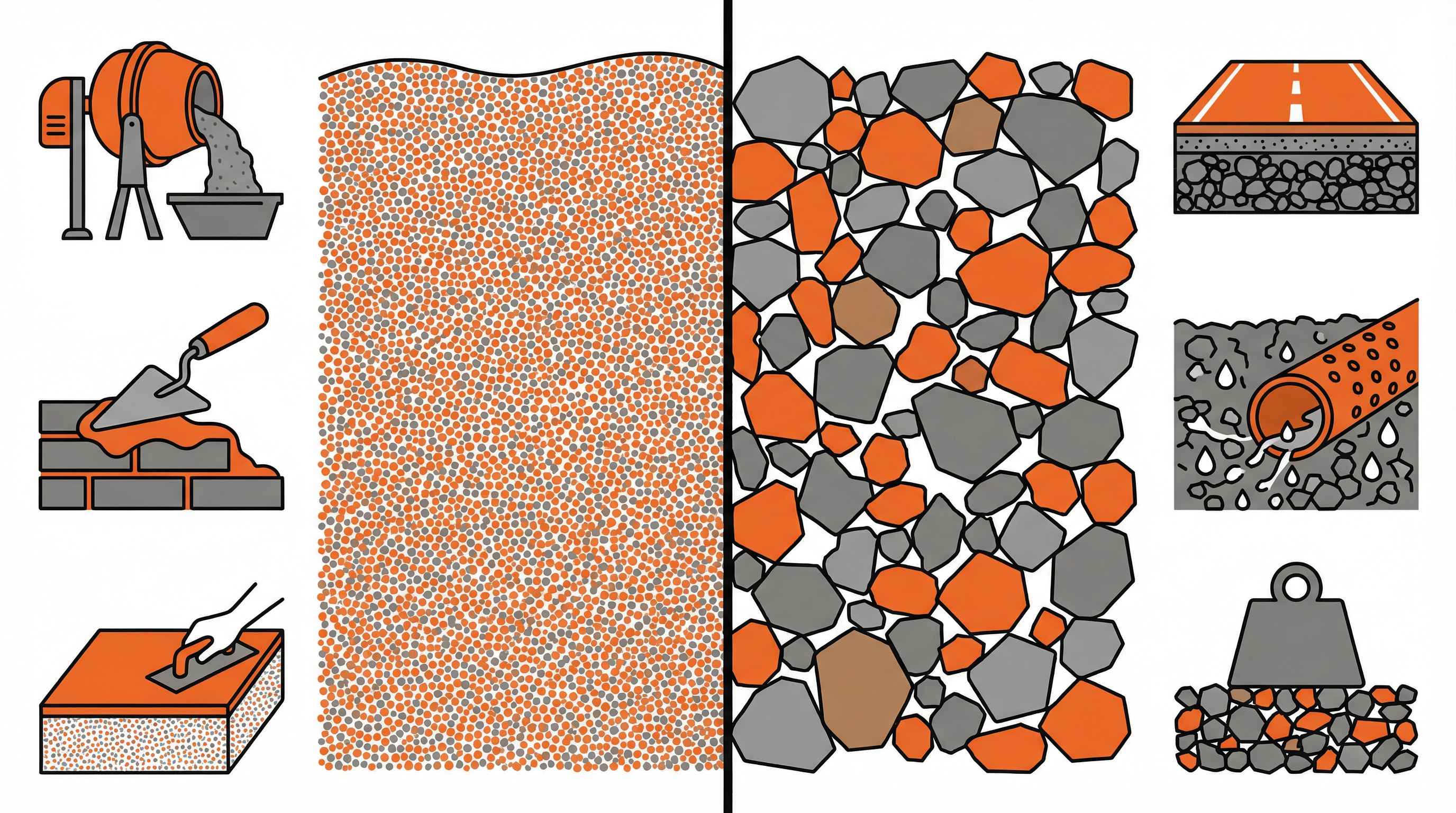
Fill gravel, also called aggregate, contains crushed stones and pebbles processed to specific size requirements. These angular stones interlock when compacted, creating a stable base with excellent drainage properties. The stones are usually sourced from quarries and can be customized to meet project specifications.
The key difference lies in their behavior over time. Fill dirt naturally compacts and settles, while gravel maintains its structure and allows water to pass through the spaces between stones.
Composition and drainage properties
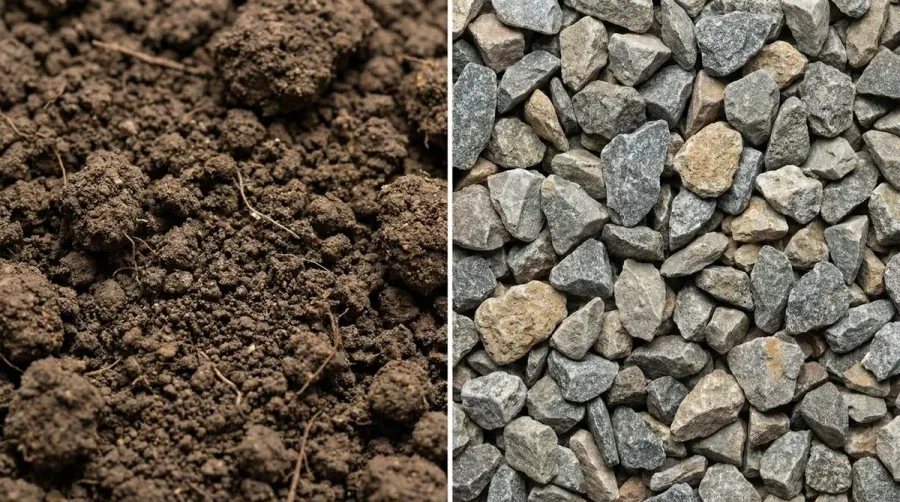
Fill dirt composition varies based on source location but typically includes 40-60% clay content, 20-40% sand, and trace amounts of silt. This mixture creates a material that holds together well when compacted but has limited drainage capabilities. The clay content provides cohesion, while sand particles improve workability.
Fill gravel consists entirely of crushed stone ranging from fine particles to larger aggregates. Common sizes include 3/4-inch crushed stone for road bases and smaller pea gravel for drainage applications. The angular shape of crushed stones creates interlocking strength, while the spaces between particles allow water to flow freely.
Drainage Insight: Fill gravel can drain 10-20 times faster than fill dirt, making it essential for areas prone to water accumulation or where proper drainage prevents structural damage.
| Material | Drainage Rate | Compaction | Best Use |
|---|---|---|---|
| Fill Dirt | Poor | High | Grading, leveling |
| Fill Gravel | Excellent | Moderate | Roads, drainage |
Cost comparison and project applications
Fill dirt costs significantly less than gravel, typically ranging from $5-25 per cubic yard depending on local availability and transportation distance. Since it’s often sourced from nearby excavation projects, transportation costs remain minimal. However, you may need additional materials for projects requiring drainage. For more detailed pricing information, check out our fill dirt cost calculator.
Fill gravel costs $10-50 per cubic yard, with specialty aggregates commanding higher prices. The cost includes quarrying, processing, and transportation of heavier materials. While more expensive upfront, gravel often eliminates the need for additional drainage systems, potentially saving money long-term.
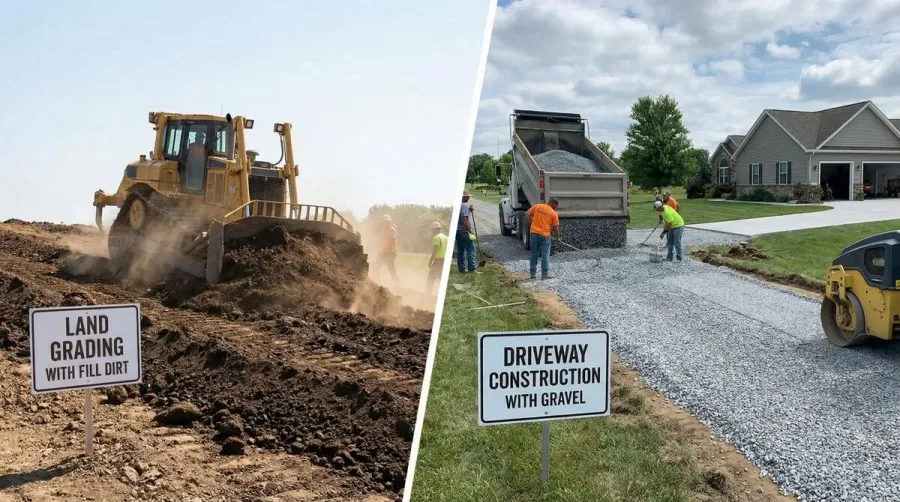
For grading and leveling projects, fill dirt provides the most cost-effective solution. Use it when creating building pads, filling holes in your yard, or establishing proper slopes for landscaping. The material works well for areas where drainage isn’t a primary concern.
Choose fill gravel for road construction, driveway bases, retaining wall backfill, and French drain systems. Its superior load-bearing capacity and drainage properties make it worth the extra cost for structural applications.
Making the right choice for your project
Consider your project’s specific requirements when choosing between these materials. If you’re creating a stable foundation for a building or need to level uneven terrain, fill dirt offers an economical solution that compacts well and provides long-term stability.
For projects requiring drainage or structural support, fill gravel becomes the better investment. Road bases, driveway foundations, and areas around septic systems benefit from gravel’s drainage properties and load-bearing strength.
Budget constraints often influence material selection, but consider long-term costs. While fill dirt costs less initially, you might need additional drainage solutions later. Gravel’s higher upfront cost often eliminates future drainage problems and maintenance issues. If you’re working on a foundation project, learn more about fill dirt around foundation best practices.
Project Tip: For large-scale projects, consider using fill dirt for bulk filling and gravel for critical drainage areas to balance cost and performance effectively.
The choice between fill dirt and fill gravel ultimately depends on your project’s drainage needs, load requirements, and budget. Fill dirt excels in applications requiring stable, compact foundations at minimal cost, while gravel provides superior drainage and structural support for demanding applications. Understanding these differences, along with knowing how much fill dirt you need, ensures you select the right material for lasting project success.
FAQ
What is the main difference between fill dirt and fill gravel?
Fill dirt consists primarily of subsoil containing clay, sand, and minimal organic matter that compacts naturally over time for stability. Fill gravel is made of crushed stones that interlock when compacted while maintaining spaces between particles for excellent drainage. Use fill dirt for stable foundations and grading projects, and fill gravel for applications requiring drainage like driveways and French drain systems.
When should I use fill dirt versus fill gravel for my project?
Use fill dirt for grading and leveling projects, building pads, filling holes in your yard, and creating stable foundations where drainage isn’t a primary concern. Choose fill gravel for road construction, driveway bases, retaining wall backfill, French drain systems, and any application requiring superior drainage and load-bearing capacity. Many projects benefit from layering both materials – fill dirt as a base with gravel on top.
Is fill dirt cheaper than fill gravel?
Yes, fill dirt typically costs $5-25 per cubic yard while fill gravel ranges from $10-50 per cubic yard. Fill dirt costs less because it’s often sourced from local excavation projects with minimal processing required. Fill gravel costs more due to quarrying, crushing, processing, and transportation of heavier materials. However, gravel’s drainage properties may eliminate the need for additional drainage systems, potentially saving money long-term.
Can I use fill gravel for foundation work?
Fill gravel isn’t typically used as the primary foundation material since it doesn’t compact as tightly as fill dirt. However, it’s excellent for foundation drainage applications and can be used around foundations to prevent water accumulation. For best results, use fill dirt for the main foundation base where stability and compaction are crucial, and incorporate gravel for perimeter drainage to protect against water damage.