
Best Pea Gravel Size for Driveways Complete Guide to Choosing the Right Size
Guide handoff
Want help applying this guide to your project?
Share your ZIP and what you need help with. We'll use this guide as context when we follow up.
- 1 This guide gives us the context you were reading.
- 2 Ask about pricing, material choice, delivery timing, or quantity.
- 3 Keep it broad if you are still figuring out the project.
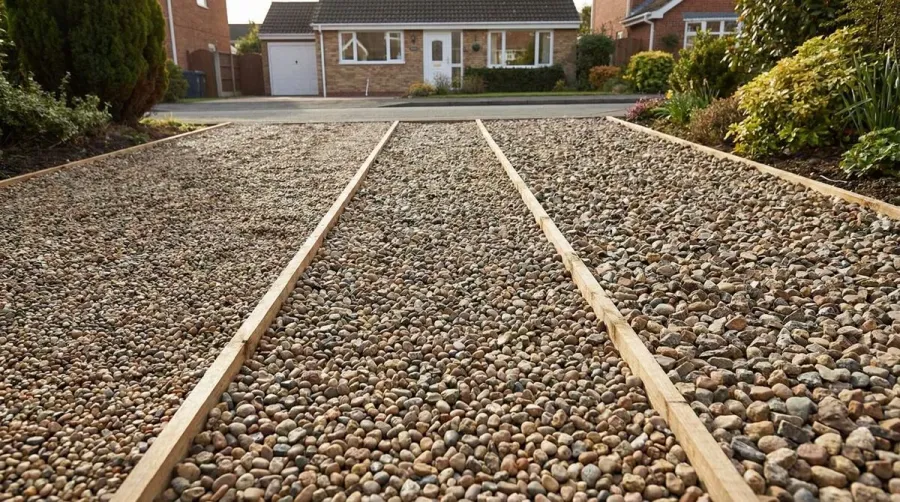
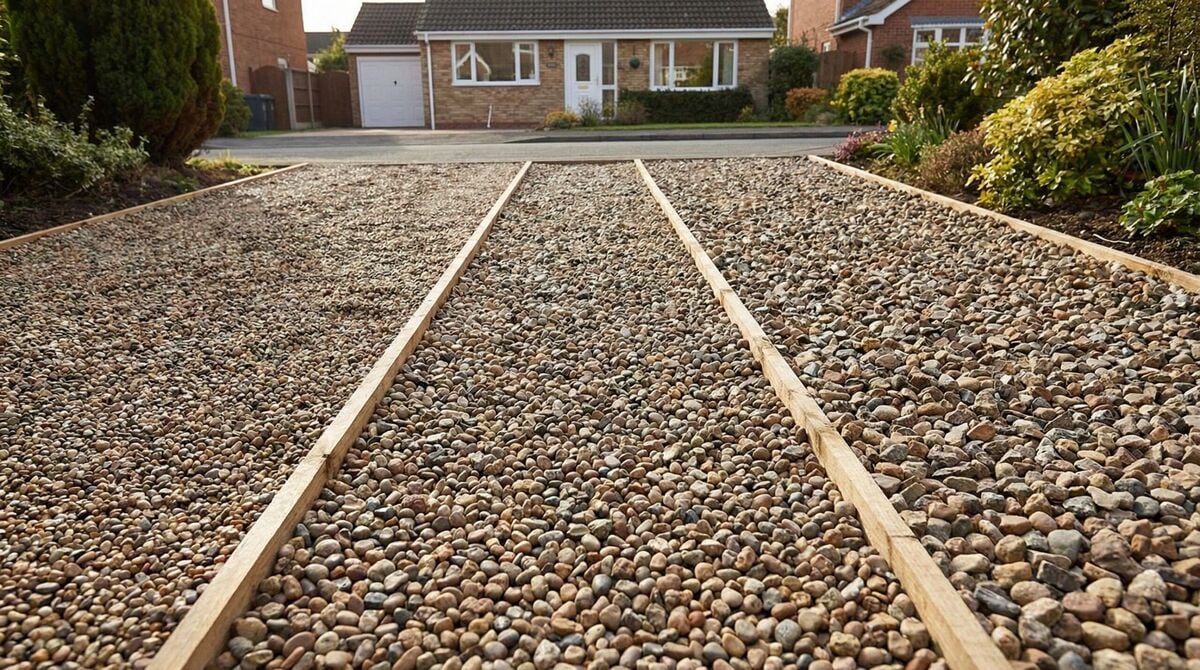
When you’re planning a pea gravel driveway, choosing the right size makes all the difference between a surface that lasts decades and one that needs constant repairs. The best pea gravel size for most residential driveways is 3/8 inch, offering the ideal balance of stability, drainage, and visual appeal. However, your specific choice depends on factors like vehicle weight, climate conditions, and traffic frequency.
Quick Answer: For standard residential driveways with regular car traffic, 3/8-inch pea gravel provides optimal performance. Heavy-duty driveways need 1/2 to 3/4-inch sizes, while decorative applications work well with 1/4-inch gravel.
This guide walks you through everything you need to know about selecting the perfect pea gravel size for your driveway project, from understanding the different options to making the final installation decision.
Understanding pea gravel sizes and their applications
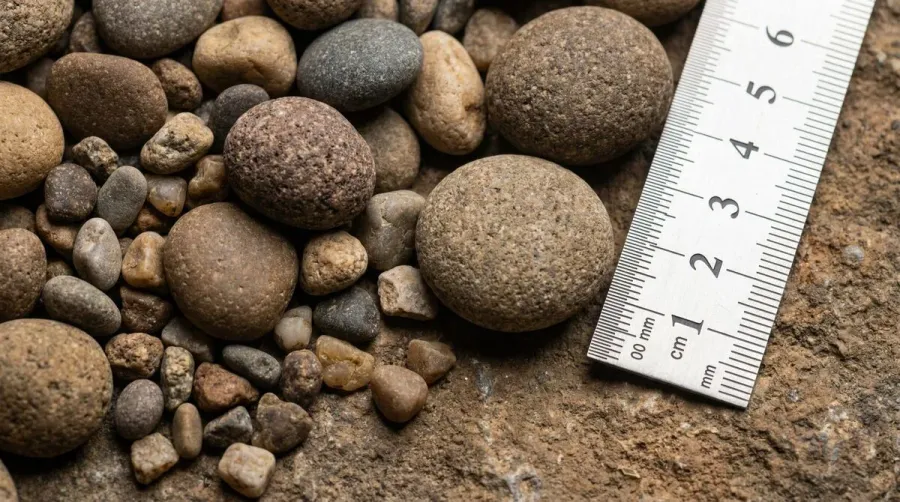
Pea gravel comes in several standard sizes, each designed for specific applications and performance requirements. The size directly impacts how well your driveway handles traffic, drains water, and maintains its appearance over time.
Small pea gravel (1/4 inch) works best for decorative pathways and light-traffic areas. It creates a smooth, comfortable walking surface but tends to shift under vehicle weight. Medium sizes (3/8 inch) offer versatility for most residential driveways, providing good stability while maintaining an attractive appearance.
Large pea gravel (1/2 to 3/4 inch) delivers maximum durability for heavy-traffic situations. These sizes resist displacement under truck weight and handle frequent use without developing ruts or uneven spots.
The rounded shape of pea gravel, regardless of size, allows for excellent drainage compared to angular crushed stone. Water flows easily through the gaps between stones, preventing puddles and reducing freeze-thaw damage in colder climates.
Factors that determine the best size for your driveway
Your driveway’s specific conditions determine which pea gravel size will perform best over the long term. Consider these key factors when making your selection.
Vehicle weight and traffic patterns play the biggest role in size selection. Regular passenger cars work well with 3/8-inch gravel, while driveways that accommodate delivery trucks, RVs, or heavy equipment need 1/2-inch or larger sizes. Frequent traffic requires larger sizes to prevent displacement and maintain surface integrity.
Climate conditions in your area affect performance significantly. Regions with heavy rainfall benefit from any pea gravel size due to excellent drainage properties. However, areas with freeze-thaw cycles need larger sizes that resist shifting when water expands in winter.
Driveway slope and length also influence your choice. Steeper driveways need larger gravel sizes to prevent washing during heavy rains. Longer driveways experience more wear at entry and exit points, making larger sizes a smart investment for these high-stress areas.
Your aesthetic preferences matter too. Smaller gravel creates a more refined, manicured appearance that complements formal landscapes. Larger sizes provide a more rustic, natural look that works well with country or casual home styles.
Comparing pea gravel sizes for driveway performance
Each pea gravel size offers distinct advantages and limitations for driveway applications. Understanding these differences helps you make an informed decision based on your priorities. For a comprehensive comparison of all driveway gravel size options, including angular and crushed varieties, consult a detailed size chart.
| Gravel Size | Best For | Pros | Cons |
|---|---|---|---|
| 1/4 inch | Light traffic, decorative use | Smooth surface, attractive appearance | Shifts easily, requires frequent maintenance |
| 3/8 inch | Standard residential driveways | Good stability, versatile, moderate cost | May need occasional releveling |
| 1/2-3/4 inch | Heavy traffic, commercial use | Excellent durability, minimal shifting | Rougher surface, higher material cost |
Small pea gravel (1/4 inch) provides the smoothest driving and walking surface but requires the most maintenance. It works well for driveways with light car traffic and homeowners who prioritize appearance over heavy-duty performance.Medium pea gravel (3/8 inch) strikes the best balance for most situations. It handles regular vehicle traffic without excessive shifting while maintaining an attractive appearance that enhances curb appeal.
Pro Tip: Most contractors recommend 3/8-inch pea gravel for residential driveways because it offers 80% of the durability of larger sizes at a lower cost and with better aesthetics.
Large pea gravel (1/2 to 3/4 inch) delivers maximum performance for demanding applications. While it costs more initially and creates a rougher surface texture, it virtually eliminates displacement issues and reduces long-term maintenance needs. If you’re considering different types of driveway gravel beyond pea gravel, explore crushed stone and angular rock alternatives.
Installation tips for optimal pea gravel driveway performance
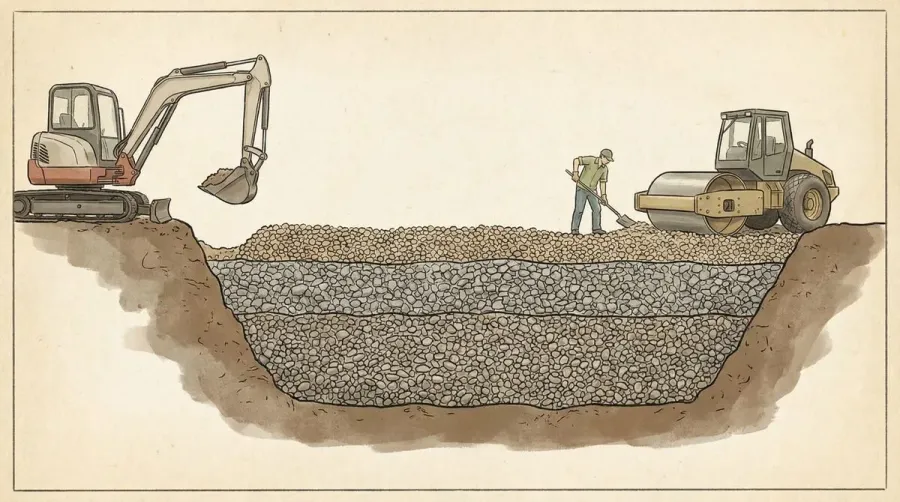
Proper installation determines how well your chosen pea gravel size performs over time. Follow these proven techniques to maximize durability and minimize future problems.Base preparation sets the foundation for success regardless of gravel size. Remove all vegetation and organic matter, then compact the soil to create a stable foundation. Install landscape fabric to prevent weeds while allowing drainage. Understanding the best base rock for driveway construction ensures your pea gravel layer has proper support.
Layering technique improves stability significantly. Start with a 2-inch base layer of larger crushed stone (3/4 to 1 inch), then add your chosen pea gravel size in a 2-inch top layer. This creates better load distribution and reduces settling. For optimal results, learn how to level a crushed stone base before adding your final pea gravel layer.
Edge restraints prevent gravel migration and maintain clean borders. Use plastic, metal, or stone edging materials to contain the gravel within your driveway boundaries. This simple step dramatically reduces maintenance needs and helps you secure loose driveway gravel over time.
Proper compaction ensures immediate stability. Use a plate compactor for the base layer and hand-tamp or lightly compact the pea gravel surface. Avoid over-compacting pea gravel, which can reduce its drainage benefits.
Regular maintenance keeps your pea gravel driveway looking great and performing well. Rake the surface monthly to redistribute gravel and fill low spots. Add fresh gravel annually in high-wear areas to maintain proper depth and appearance. If your driveway develops uneven areas, follow expert techniques on how to level gravel for a smooth, professional finish.
Choosing the right pea gravel size transforms your driveway from a simple access route into an attractive, functional feature that enhances your property value. Whether you select 1/4-inch for light use, 3/8-inch for standard applications, or larger sizes for heavy-duty performance, proper planning and installation ensure years of reliable service with minimal maintenance requirements.
FAQ
What is the best pea gravel size for a driveway?
The best pea gravel size for most residential driveways is 3/8 inch. This size offers the ideal balance of stability, drainage, and visual appeal while handling regular car traffic effectively. For heavy-duty applications with trucks or frequent traffic, consider 1/2 to 3/4-inch sizes for better durability and reduced displacement.
Can you use pea gravel for a driveway?
Yes, pea gravel can be used for driveways, especially for light residential use. It provides excellent drainage, is comfortable to walk on, and creates an attractive appearance. However, it requires proper installation with a stable base layer and edge restraints to prevent shifting. For heavy traffic or steep slopes, crushed stone may be a more durable option.
How do you install a pea gravel driveway properly?
Start by removing vegetation and compacting the soil, then install landscape fabric. Add a 2-inch base layer of larger crushed stone (3/4 to 1 inch), followed by a 2-inch top layer of your chosen pea gravel size. Install edge restraints to prevent migration and compact each layer properly. This multi-layer approach ensures better stability and longevity.
What are the pros and cons of pea gravel driveways?
Pros include excellent drainage, affordable cost, easy snow removal, attractive appearance, and comfortable walking surface. Cons include tendency to shift under heavy traffic, requires regular maintenance and raking, may wash away during heavy rains, and less stability compared to angular crushed stone. Proper installation and regular upkeep can minimize these drawbacks.