
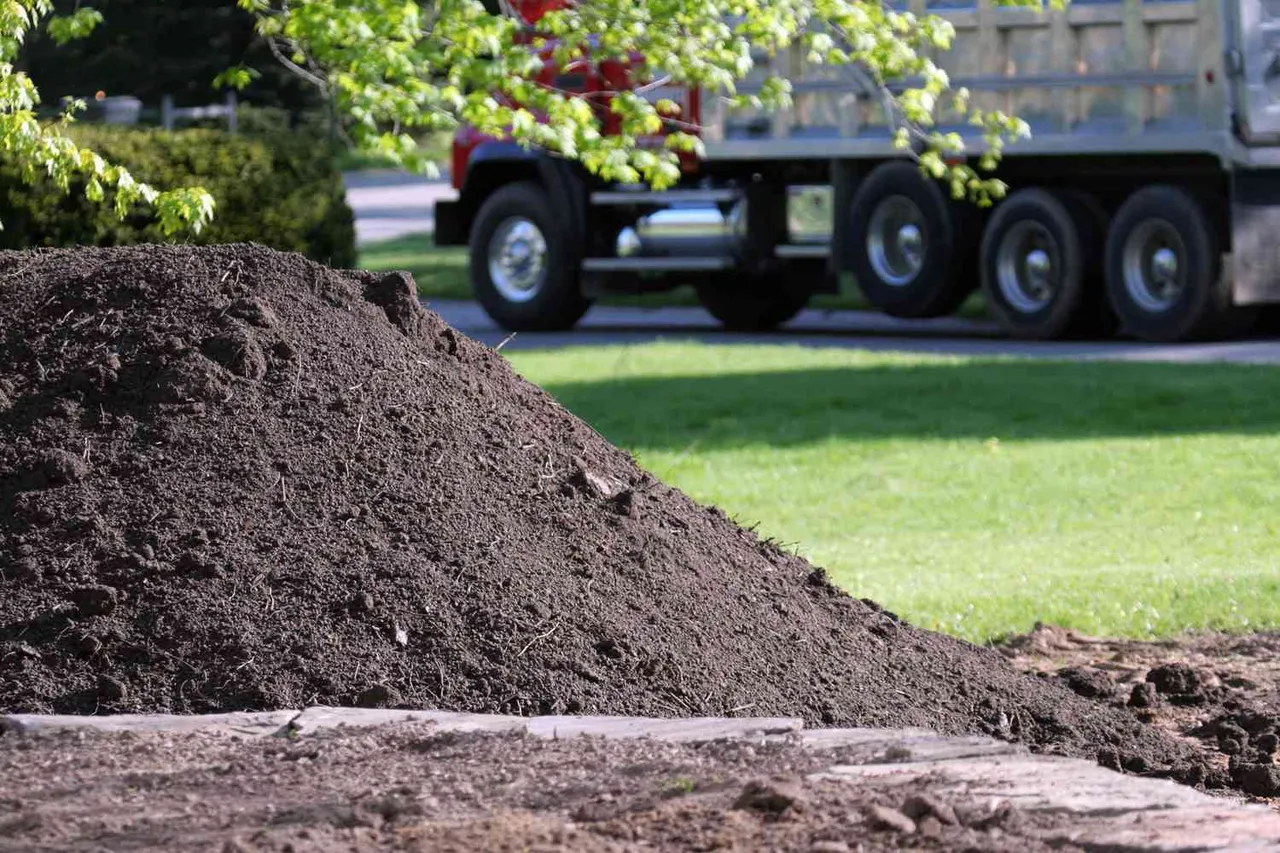
Fill Dirt in Miami, MO
Need fill-dirt delivered in Miami? Order bulk fill-dirt near you with same-day delivery. Compare prices on premium fill-dirt for your construction or landscaping project.
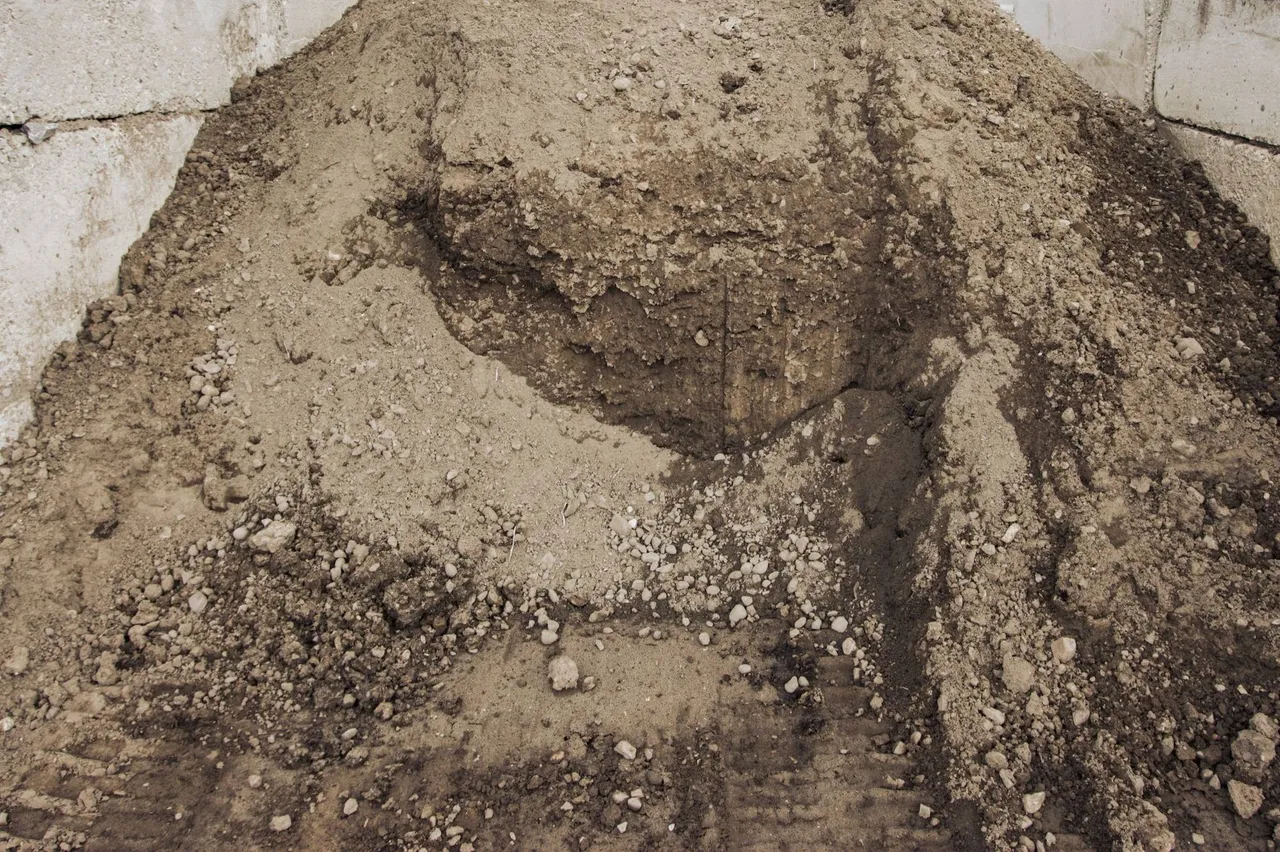
Fill Dirt
Clean, screened fill dirt for grading, leveling, and backfilling projects. Essential for raising elevation, filling holes, and preparing sites for construction.
What's your delivery ZIP code?
Related Materials Available in Miami, MO
Fill-Dirt Optimized For Sunny Climates • Fast Local Fill-Dirt Delivery Service
Fill Dirt
Clean, screened fill dirt for grading, leveling, and backfilling projects. Essential for raising elevation, filling holes, and preparing sites for construction.
Starts at: $16.00
How It Works
How Hello Gravel Works?
Simple, fast, and reliable fill-dirt delivery in Miami
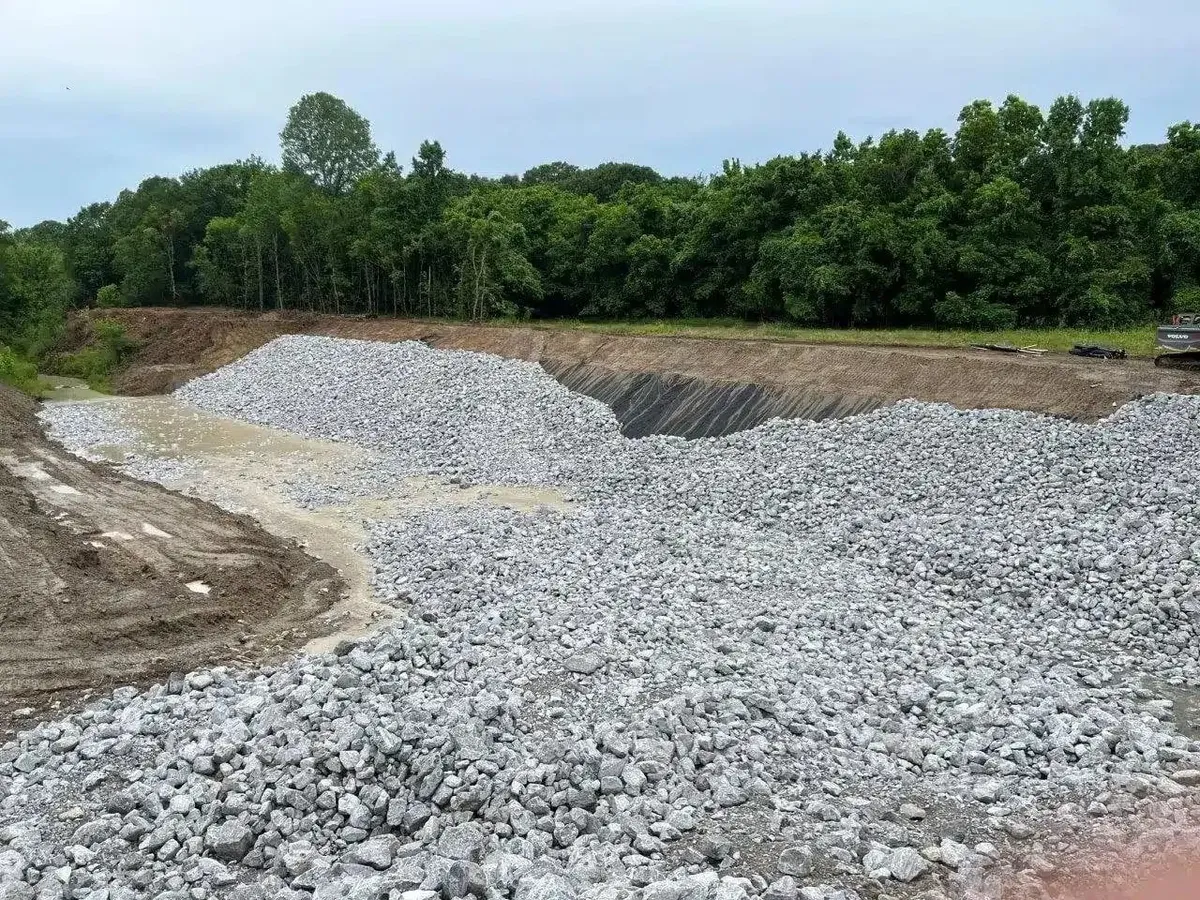
Find Your Material
Browse our products or take our quiz to find the right material for your project.
Calculate Amount Needed
Use our calculator to determine quantity. Calculator found on any product page.
Schedule Delivery
Choose your preferred date and time frame. Place your order online. We will call to confirm within 24 hours.
Materials Delivered
We source materials locally through our trusted supplier network and deliver straight to your home or job site in Miami.
Why Miami Chooses Hello Gravel
Trusted by homeowners and contractors throughout Miami
Reliable Local Delivery
On-time delivery from vetted local suppliers you can trust.
High Quality Standards
Materials are quality checked to ensure 100% satisfaction.
Local Support Team
We will be with you through delivery. Call us any time if you need to make any changes to your order.
Quick Turnaround
Next-day delivery available if ordered before noon CST. Most orders delivered within 2-4 business days.
Local Insights
What to know about Fill Dirt in Miami
Why Miami homeowners choose Hello Gravel
Miami has a city population of 260 and sits within a broader metro area population of 2.3+ million, growing modestly at 0.40% annually. The local climate combines abundant sun (228 sunny days per year) with a moderate wet season (annual rainfall: 33.90 inches) and a hardiness zone of 8b, creating conditions where proper grading and stable base material are essential. Those factors drive steady demand for earthwork and landscaping supplies: homeowners and contractors need reliable fill-dirt to raise grades, correct low spots, establish drainage swales, and prepare bases for patios, pools, and retaining walls. Choosing quality, well-graded fill-dirt helps reduce settlement, prevent washouts, and ensure long-term performance for finished surfaces.
Popular projects in Miami this season
- Backyard grade fill-dirt - 12 tons
- Foundation backfill fill-dirt - 40 tons
- Driveway base fill-dirt - 22 tons
- Septic mound fill-dirt - 30 tons
- Retaining wall backfill fill-dirt - 35 tons
Miami quick facts
- Location
- West Missouri
- Population
- 260
- Metro Area
- 2.3+ million
- Annual Rainfall
- 33.90 inches
- Sunny Days
- 228/year
- Hardiness Zone
- 8b
- Growth Rate
- 0.40% annually
- Delivery Coverage
- Citywide delivery available
Best times for Miami projects
- Stable Fall Compaction
- Spring Wet Risk
- Summer Storm Saturation
- Low Frost Risk
Material Calculator for Miami Projects
Calibrated for desert landscaping and Miami property sizes
Get started by entering your details below!
Quantity Recommendations
Orders Under 5 Tons - Add 20% extra to your estimated gravel needs.
5+ Ton Orders - Add around 10% to ensure enough additional material on hand.
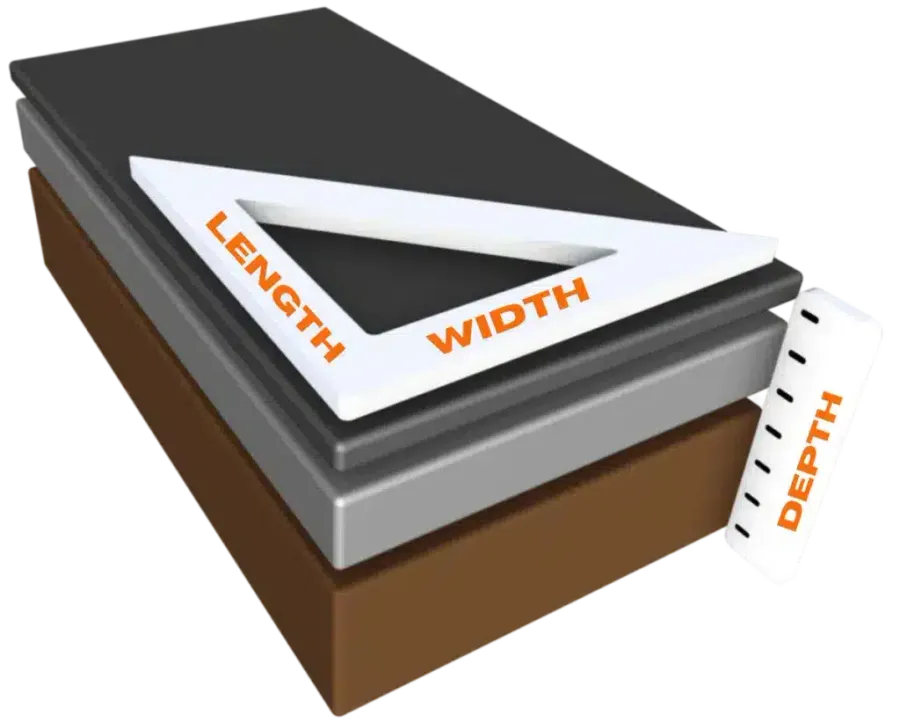
Want to ensure you order the right amount?
Get a callback from our specialist during business hours. Enter your details below!
Looking for Fill Dirt in Miami?
Hello Gravel provides fill dirt for sale in bulk. Fill Dirt delivery included.
Frequently Asked Questions - Miami Fill Dirt Delivery
Everything you need to know about fill dirt delivery in Miami.
What does fill-dirt cost delivered to a small town like Miami, MO?
Delivered fill-dirt prices in small West Missouri towns like Miami typically fall in a wide range because of supplier, distance, and moisture. Expect roughly $10 to $35 per cubic yard (about $8 to $30 per ton) delivered as a ballpark; small orders, long hauls, or wet/dense material push the price higher. Hello Gravel has a 3-ton minimum and provides transparent delivered pricing in checkout—check your zip code for exact local rates.
How will Miami's freeze-thaw cycles and heavy rain seasons affect fill-dirt used for driveways and yard fills?
West Missouri freeze-thaw cycles and heavy spring/fall rains increase the chance of settling, heaving, and erosion in plain fill-dirt. For driveways and graded fills, use compacted lifts, good surface drainage, and a wearing layer (gravel) on top to reduce freeze-thaw damage and washouts. Expect to monitor and regrade low spots after the first seasonal cycles.
What projects in Miami commonly use fill-dirt and what should buyers prioritize for each?
Common uses include yard grading and low spots, foundation backfill, rough drive approaches before gravel, and building up pads for sheds. For grading and backfill prioritize good compaction and drainage; for driveway base prioritize stable lifts and a gravel wearing course; for shed pads prioritize level, compacted fill with slight slope for runoff. When ordering, tell Hello Gravel if material will be compacted or left loose so suppliers can match moisture and type.
How many tons or cubic yards of fill-dirt do I need per 100 sq ft at common depths?
Use these estimates for 100 sq ft: 2 inches = 0.62 cubic yards (about 0.7 to 1.0 tons); 4 inches = 1.23 cubic yards (about 1.5 to 2.0 tons); 6 inches = 1.85 cubic yards (about 2.2 to 3.0 tons); 12 inches = 3.70 cubic yards (about 4.4 to 6.0 tons). Soil weight varies, but we use roughly 1.2 to 1.6 tons per cubic yard for typical Missouri fill-dirt—order a bit extra (5-10%) to allow for compaction and uneven grade.
What local alternatives do Miami homeowners compare with fill-dirt and what are the tradeoffs?
Common alternatives are topsoil (better for planting), crushed limestone or road base (better for load-bearing driveway bases), and recycled asphalt (good for drainage and cheaper wearing surface). Tradeoffs: topsoil supports plants but settles and contains organics; crushed limestone gives structural strength but costs more; recycled asphalt drains and compacts well but can be uneven in appearance. Choose based on whether your priority is planting, structural support, drainage, or budget.
How does Hello Gravel handle delivery and what are typical local delivery options and minimums in West Missouri?
Hello Gravel connects you with local suppliers and haulers; minimum orders start at 3 tons. Deliveries are typically made by tri-axle dump truck with standard delivery in 2+ business days and next-day delivery available for orders placed before noon CST (additional fee may apply). Delivery fees depend on distance, access, and load size—enter your zip code at checkout for exact pricing and note any tight access or placement requests in Order Notes.
Do I need permits in Miami, MO to use fill-dirt for a driveway or major grading?
Permit needs vary by project size and location; small, routine yard fills or minor driveway patches often do not require a city permit in small towns, but larger grading, new driveway cuts, or work affecting public right-of-way may need county or city approval. Check with Miami city hall or the county zoning/road authority before altering driveway access or doing substantial regrading. Also confirm any homeowners association rules if applicable.
What are best practices for compacting and installing fill-dirt in Missouri to avoid settling and washouts?
Install fill-dirt in 4-6 inch lifts, compact each lift with a plate compactor or roller, and maintain moderate moisture to aid compaction (not saturated). Finish with a properly graded surface and provide positive drainage away from structures; for slopes, use erosion controls like straw, seed, or silt fence until vegetation establishes. For driveway bases, cap compacted fill with a structural aggregate (crushed stone or road base) before putting on a wearing surface.
How long will fill-dirt last on a driveway or low-traffic surface and what maintenance costs should I expect in Miami?
Fill-dirt used alone as a driving surface has a limited useful life because it settles and erodes—expect needing periodic regrading or topping within 1 to 3 years for low-traffic areas unless covered by a durable wearing layer. If compacted properly and topped with gravel, maintenance drops to occasional replenishing of the gravel every few years. Budget for small annual maintenance (raking, adding 1-3 cubic yards of material every few years) rather than one-time installation costs only.
Is fill-dirt weather-resilient compared with using geotextile fabric or stabilized surfaces in West Missouri?
Ordinary fill-dirt alone is less weather-resilient than designs that include geotextile fabric or stabilized aggregates; fabric helps separate soils and reduce rutting while stabilized surfaces (cement-treated base, pavers, or asphalt) resist freeze-thaw and heavy rain much better. For West Missouri's cycles of rain and freeze-thaw, use compacted fill-dirt as a base layer combined with fabric and a structural aggregate or a stabilized surface for best long-term performance. Ask Hello Gravel about materials intended as base versus wearing surface so you order the right product for your project's resilience needs.
Delivery Coverage by ZIP Code
Browse the list to confirm delivery availability
We Also Deliver To Nearby Cities
Material handoff
Want help with fill dirt delivery in Miami?
Share your ZIP and what you need help with. We'll use this material and city page as context when we follow up.
- 1 This page gives us the fill dirt and Miami context.
- 2 Ask about pricing, delivery timing, material choice, or quantity.
- 3 The material is preselected, but you can change it if the project shifted.
Need help with fill dirt delivery in Miami?
Share your project details and we will use this material page as context when we follow up.
Get help with my project