
Gravel delivery in Boston, MA
free delivery · you pick the date
Need gravel delivered in Boston? Order bulk gravel near you with same-day delivery. Compare prices on premium gravel for your construction or landscaping project.
Where are you located?
Enter your zip code for local pricing
Need exact quantities? Use a material calculator →
Gravel in Boston
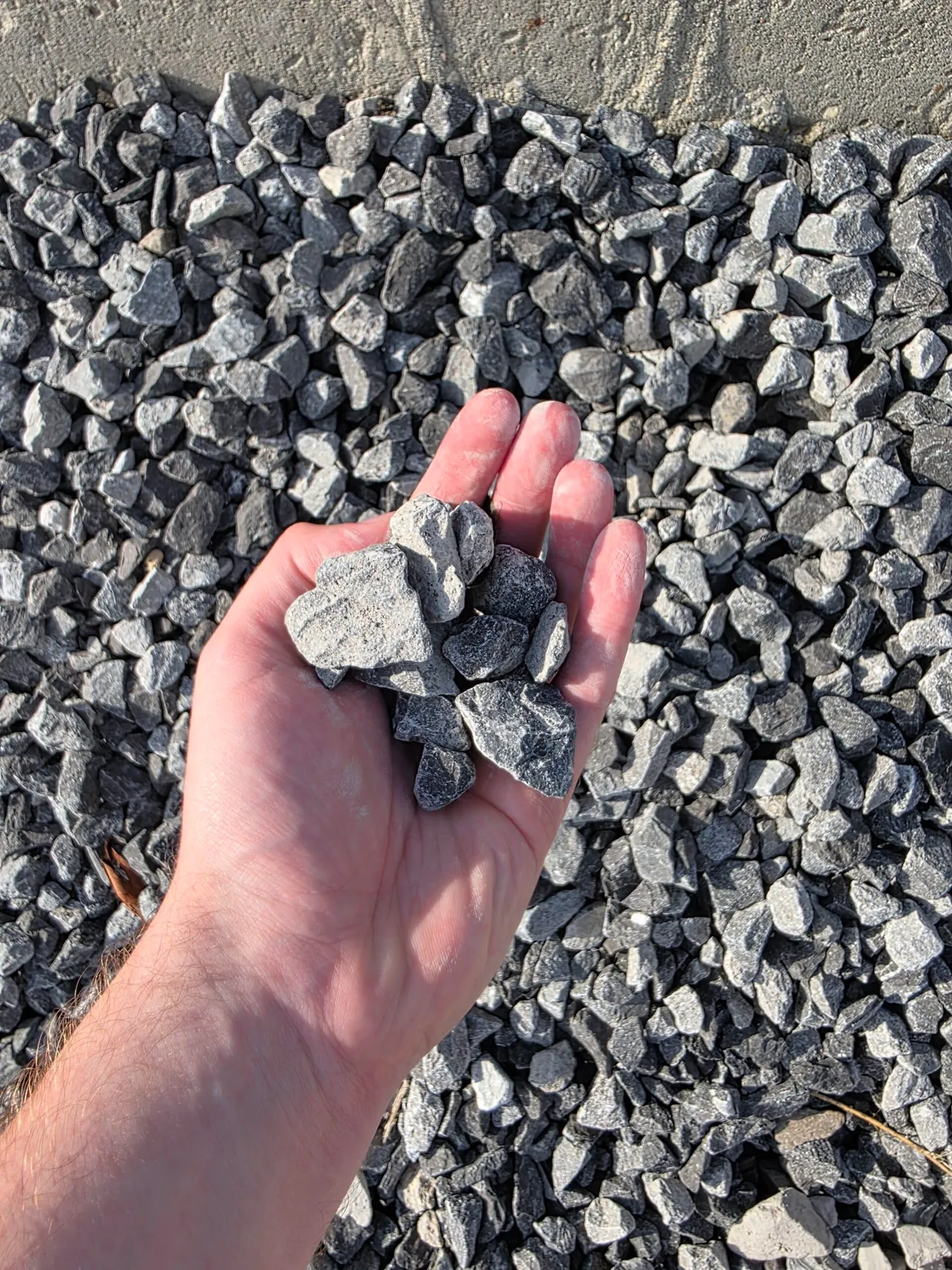
Driveway Gravel
Our most popular driveway material — a durable blend that compacts well and resists shifting. Provides a clean, professional look that lasts for years with minimal maintenance.
Prices are ZIP-regional — enter yours for an all-in delivered price.
How It Works
How Hello Gravel Works?
Simple, fast, and reliable gravel delivery in Boston
Find Your Material
Browse our products or take our quiz to find the right material for your project.
Calculate Amount Needed
Use our calculator to determine quantity. Calculator found on any product page.
Schedule Delivery
Choose your preferred date and time frame. Place your order online. We will call to confirm within 24 hours.
Materials Delivered
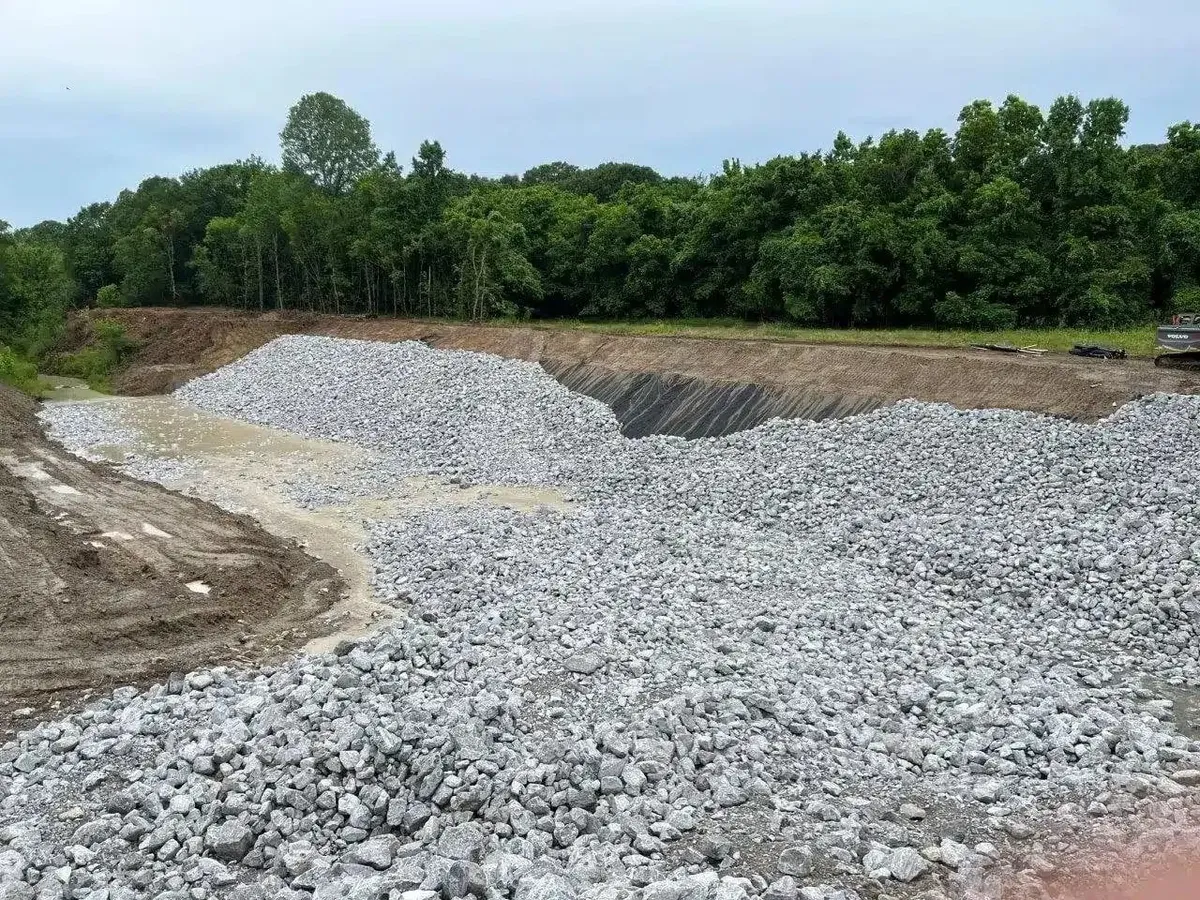
We source materials locally through our trusted supplier network and deliver straight to your home or job site in Boston.
Why Boston Chooses Hello Gravel
Trusted by homeowners and contractors throughout Boston
Reliable Local Delivery
On-time delivery from vetted local suppliers you can trust.
High Quality Standards
Materials are quality checked to ensure 100% satisfaction.
Local Support Team
We will be with you through delivery. Call us any time if you need to make any changes to your order.
Quick Turnaround
Next-day delivery available if ordered before noon CST. Most orders delivered within 2-4 business days.
Local Insights
What to know about Boston
Why Boston homeowners choose Hello Gravel
Boston, Boston, Massachusetts has a city population of 157,342 and sits inside a metro area population of 2.6+ million that is growing at 1.80% annually. The city’s coastal geography, hardiness zone 8b, and a climate with 228 sunny days per year and 34.32 inches of annual rainfall create steady demand for durable landscaping and infrastructure materials. Homeowners in Boston often need aggregates for driveways, drainage upgrades, raised beds, and patio bases where well-draining, stable material reduces maintenance and manages runoff. Because projects here must handle coastal exposure and frequent wet periods, buyers look for appropriately sized gravel that promotes drainage, resists migration, and compacts to a firm surface. Clear quantity estimates and reliable delivery make these common projects easier for busy homeowners.
Popular projects in Boston this season
- gravel driveway resurfacing - 20 tons
- gravel patio base - 6 tons
- gravel drainage trench - 4 tons
- gravel garden paths - 3 tons
- gravel front walk upgrade - 2 tons
Boston quick facts
- Location
- Boston
- Population
- 157,342
- Metro Area
- 2.6+ million
- Annual Rainfall
- 34.32 inches
- Sunny Days
- 228/year
- Hardiness Zone
- 8b
- Growth Rate
- 1.80% annually
- Delivery Coverage
- Citywide delivery available
Best times for Boston projects
- Stable Fall Temps
- Freeze Thaw Risk
- Dry Compacting Window
- Cold Saturation Limits
Local handoff
Want help with gravel in Boston?
Share your ZIP and what you need help with. We'll use this page as context when we follow up.
- 1 Share the page context so we know what you were looking at.
- 2 Ask about pricing, material choice, delivery timing, or quantity.
- 3 Keep it simple if you are not sure what you need yet.
02
Gravel delivery questions
What are typical gravel delivery and installation costs in the Boston area for driveways and patios?
Material-only delivery for common gravels in Boston typically ranges roughly $35 to $80 per ton depending on type (pea gravel at the low end, decorative bluestone at the high end) and site access. Installation costs vary: basic spreading and compaction for a small patio or driveway often adds $1 to $4 per sq ft, while more complex jobs with base prep can cost more. Example: a 12'x20' driveway at 3u0022 depth needs about 3.1 tons (meets our 3-ton minimum) and you should expect to pay for the material plus any labor or access fees.
Which gravel types perform best in Boston's freeze-thaw cycles and snowy winters?
For Boston winters choose angular, well-graded materials that lock and compact: 3/4u0022 minus or crushed stone (including crushed bluestone where available) generally perform best because they resist migration and frost heave when properly installed. Pea gravel and rounded stone look nice but tend to shift under plows and heavy snow, so they are better for low-traffic decorative areas. Adding a stable compacted base and edge restraints improves winter performance for any gravel.
How many tons of gravel are needed per square foot or square yard for 2u0022, 3u0022, and 6u0022 depths?
Use this quick guide (assuming a typical compacted density ~1.4 tons per cubic yard): per square foot: 2u0022 = 0.0086 tons, 3u0022 = 0.0130 tons, 6u0022 = 0.0259 tons. Per square yard (9 sq ft): 2u0022 = 0.078 tons, 3u0022 = 0.117 tons, 6u0022 = 0.233 tons. For a practical check, 100 sq ft at 3u0022 depth needs about 1.3 tons; always round up and allow 5-10% extra for compaction and waste.
Do Boston or Massachusetts rules limit gravel driveways or require permits or drainage measures?
Boston and Massachusetts don’t have a single statewide ban on gravel driveways, but local rules can apply: some Boston neighborhoods, historic districts, and HOAs set material or appearance rules. Large changes to impervious area or work in protected zones may trigger stormwater or building permits, and projects affecting curb cuts or sidewalks often require city approval. Before you order, check Boston Inspectional Services and any HOA or historic commission for site-specific requirements.
How does gravel hold up to commercial snow removal and road salt in Boston, and what seasonal maintenance is needed?
Gravel can be displaced by plows and will require periodic top-ups after heavy winters; using larger, angular stone and installing edge restraints reduces migration. Salt itself won’t instantly dissolve most aggregates but can accelerate breakdown of fines and affect nearby vegetation, so expect more maintenance where salt is heavily applied. Seasonal care includes regrading after storms, topping up low spots in spring, and communicating plow height with commercial snow crews to limit material loss.
What are local supplier delivery logistics and minimum order quantities for gravel in Boston neighborhoods?
Hello Gravel requires a minimum 3-ton order and delivers via contracted dump trucks (typically tri-axle) with standard lead time of 2+ business days; next-day delivery is available for orders placed before noon CST for an additional fee. In Boston’s older, narrow streets and dense neighborhoods, deliveries may need smaller trucks, alley access, or special parking permits, which can affect price and timing. Add load/placement notes at checkout and our team will coordinate with local suppliers and drivers about curb access and drop location.
How does the cost and lifecycle of gravel compare to asphalt or pavers for small commercial parking lots in Boston?
Gravel has the lowest upfront cost per square foot but requires regular maintenance (regrading, topping up) and is more vulnerable to plowing damage in Boston’s winters, so lifecycle costs can rise. Asphalt costs more up front and usually lasts longer between major repairs (typically 15-25 years with proper installation), while pavers are most expensive initially but can last 25+ years and allow easier localized repairs and better drainage. For short-term budgets choose gravel; for longer-term durability and heavy plow traffic, asphalt or properly installed pavers are often more cost-effective.
What base preparation and compaction standards do Boston contractors recommend near coastal or clay soils?
Contractors commonly recommend excavating to stable subgrade, removing organic material, and installing geotextile fabric where soils are clay or near the coast to separate and stabilize the base. A compacted base of 4u0022 to 6u0022 of crushed stone (3/4u0022 minus or similar) compacted in 2u0022 lifts is standard; in poor soils contractors often increase base depth to 6u0022 to 8u0022 and add a coarser drainage layer. Proper slope (minimum 1-2% away from structures), edge restraints, and mechanical compaction are essential for long-term performance.
Ready for gravel in Boston?
Enter your ZIP for an all-in delivered price — you pick the date.
Get gravel pricing