
Fill Dirt delivery in Twin Falls, ID
free delivery · you pick the date
Need fill-dirt delivered in Twin Falls? Order bulk fill-dirt near you with same-day delivery. Compare prices on premium fill-dirt for your construction or landscaping project.
Where are you located?
Enter your zip code for local pricing
Need exact quantities? Use a material calculator →
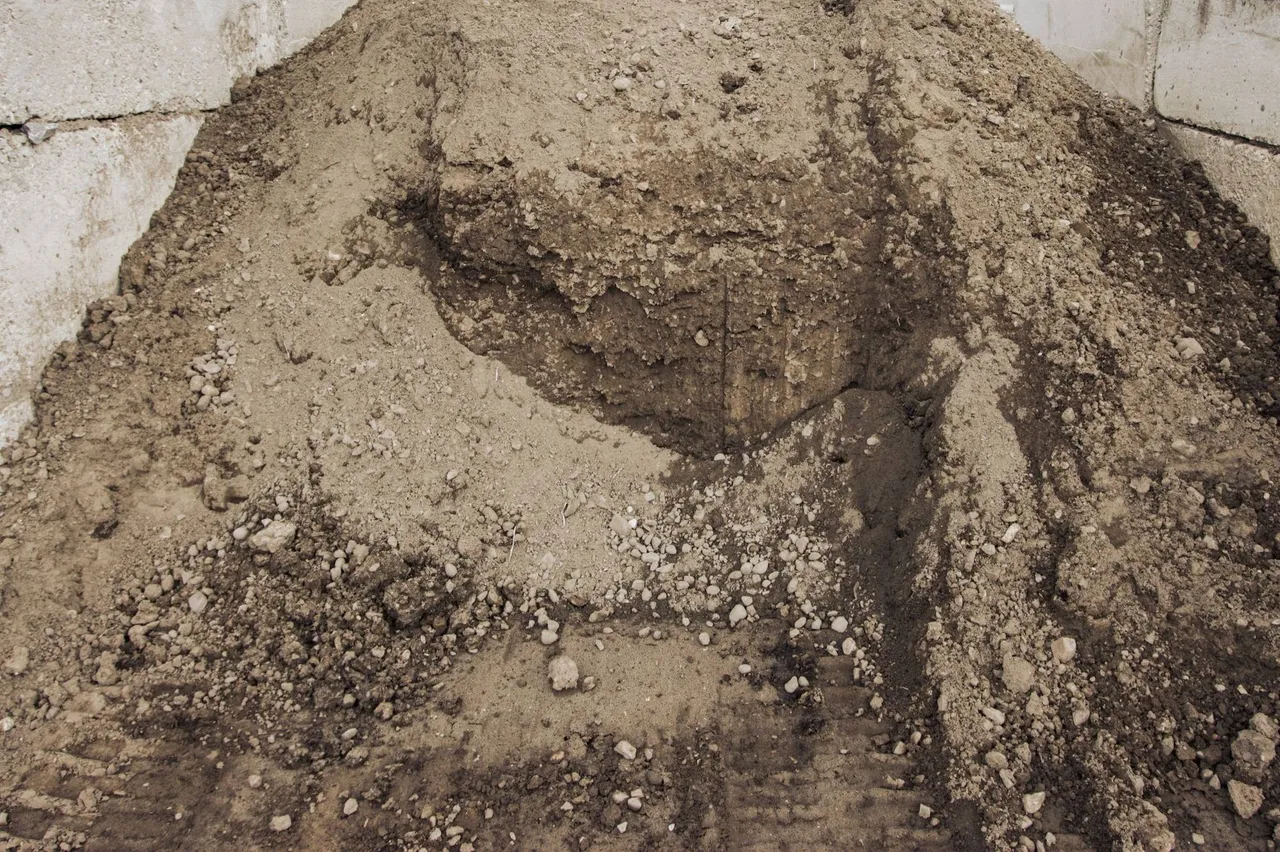
Fill Dirt in Twin Falls
Fill Dirt
Clean, screened fill dirt for grading, leveling, and backfilling projects. Essential for raising elevation, filling holes, and preparing sites for construction.
Prices are ZIP-regional — enter yours for an all-in delivered price.
How It Works
How Hello Gravel Works?
Simple, fast, and reliable fill-dirt delivery in Twin Falls
Find Your Material
Browse our products or take our quiz to find the right material for your project.
Calculate Amount Needed
Use our calculator to determine quantity. Calculator found on any product page.
Schedule Delivery
Choose your preferred date and time frame. Place your order online. We will call to confirm within 24 hours.
Materials Delivered
We source materials locally through our trusted supplier network and deliver straight to your home or job site in Twin Falls.
Why Twin Falls Chooses Hello Gravel
Trusted by homeowners and contractors throughout Twin Falls
Reliable Local Delivery
On-time delivery from vetted local suppliers you can trust.
High Quality Standards
Materials are quality checked to ensure 100% satisfaction.
Local Support Team
We will be with you through delivery. Call us any time if you need to make any changes to your order.
Quick Turnaround
Next-day delivery available if ordered before noon CST. Most orders delivered within 2-4 business days.
Local Insights
What to know about Twin Falls
Why Twin Falls homeowners choose Hello Gravel
Twin Falls homeowners know their city is growing: the city population of 56,249 and a metro area population of 2.6+ million are driving steady demand for residential construction and landscaping. With an annual growth rate of 1.20% and a climate that averages 228 sunny days and 34.25 inches of rainfall per year (hardiness zone 8b), projects here range from new foundation backfill to yard regrades and raised beds. That mix of steady growth, abundant sun, and periodic rain means many homeowners need dependable, engineered materials to control grading, manage drainage, and limit long-term settlement. Quality fill-dirt is often the first step toward a durable landscape or building base, so choosing the right material early saves time and money during construction and maintenance.
Popular projects in Twin Falls this season
- Yard Grading fill-dirt - 15 tons
- Foundation Backfill fill-dirt - 60 tons
- Driveway Base fill-dirt - 30 tons
- Retaining Wall Backfill fill-dirt - 25 tons
- Building Pad fill-dirt - 200 tons
Twin Falls quick facts
- Location
- West Idaho
- Population
- 56,249
- Metro Area
- 2.6+ million
- Annual Rainfall
- 34.25 inches
- Sunny Days
- 228/year
- Hardiness Zone
- 8b
- Growth Rate
- 1.20% annually
- Delivery Coverage
- Citywide delivery available
Best times for Twin Falls projects
- Stable Fall Moisture
- Wet Spring Limits
- Good Summer Compaction
- Freeze Thaw Risk
Local handoff
Want help with fill dirt in Twin Falls?
Share your ZIP and what you need help with. We'll use this page as context when we follow up.
- 1 Share the page context so we know what you were looking at.
- 2 Ask about pricing, material choice, delivery timing, or quantity.
- 3 Keep it simple if you are not sure what you need yet.
02
Fill Dirt delivery questions
What does delivered fill-dirt typically cost in Twin Falls, ID?
Prices vary by supplier, volume, and site access, but delivered fill-dirt in the Twin Falls area commonly runs in the range of about $12 to $35 per ton. Per cubic yard prices depend on density but expect roughly $14 to $40 per cubic yard; exact pricing is zip-specific, so use our checkout or request a quote for a firm number.
Which local suppliers or quarries in West Idaho/Twin Falls sell fill-dirt and what are typical minimum orders?
Twin Falls and West Idaho are served by local aggregate suppliers and regional dirt contractors rather than one single quarry; Hello Gravel connects you with those local suppliers. Typical minimums follow truck sizes: our platform minimum is 3 tons for small orders, tri-axle deliveries usually carry about 10-15 tons, and commercial jobs often have higher minimums—check your supplier details at checkout.
How many tons or cubic yards of fill-dirt do I need for 1,000 sq ft at 2u0022, 4u0022, and 6u0022 depths?
Use cubic yards first: for 1,000 sq ft you need about 6.2 yd3 at 2u0022, 12.3 yd3 at 4u0022, and 18.5 yd3 at 6u0022. Assuming an average fill-dirt weight of about 1.1 tons per cubic yard (common for local fill), that works out to roughly 6.8 tons (2u0022), 13.6 tons (4u0022), and 20.4 tons (6u0022); actual tons can vary with moisture and soil type, so order a small overage to allow for settlement and compaction.
How do Twin Falls' climate and local soils affect compaction and the long-term performance of fill-dirt?
Twin Falls' semi-arid summers and occasional freeze-thaw in winter mean moisture content and drainage control are critical: dry soils can be hard to compact unless moistened, while freeze-thaw cycles can cause surface heave and later settling. Local basalt-derived soils and irrigated landscapes can create variable subsurface conditions, so proper compaction in lifts and attention to drainage improve longevity and reduce post-delivery settlement.
Do I need permits or follow grading rules when bringing in fill-dirt in Twin Falls?
Permitting and grading rules depend on the work and location: small landscaping fills often do not require permits, but raising property grades, altering drainage, or work near rights-of-way usually triggers city or county approvals. Check with the City of Twin Falls Building and Planning Department or Twin Falls County before ordering, and contact our team if you need help identifying likely permitting needs.
What compaction equipment and compaction targets do local contractors use for fill-dirt projects?
For small residential patches contractors often use plate compactors or walk-behind rollers; for driveways and larger fills you will see vibratory rollers or sheepsfoot rollers. Typical practice is to place fill in 6u0022 to 8u0022 loose lifts, adjust moisture, and compact to 90-95% relative compaction for structural fills; landscaping fills may accept lower compaction but will settle more over time.
How does fill-dirt compare to engineered fill, road base, crushed rock, or topsoil for Twin Falls driveways and yard-raising?
Fill-dirt is a cost-effective option for bulk raising of grade but is not ideal as a finished driveway surface because it can settle and does not drain as well as granular materials. For driveways, road base or crushed rock provides better load-bearing and drainage; engineered fill is recommended under structures or where specs require controlled fill. For final landscaping, topsoil is needed on the surface if you plan to seed or plant.
Are there seasonal or access constraints for delivering bulk fill-dirt in the Twin Falls area?
Yes—winter icy roads and snow can delay or limit dump-truck access, and irrigation-season activity or farm traffic in spring and summer can make delivery windows tighter. Narrow driveways, soft ground after irrigation, and nearby irrigation ditches or canals require advance notes at checkout and careful scheduling; we recommend booking early and noting site access and any seasonal constraints in your order.
What should I expect for settlement and maintenance after placing fill-dirt in Twin Falls?
Expect the most settlement during the first 6-12 months as loose fill compresses; monitor low spots and plan for regrading or topping up in that period. For driveways or surfaced areas, keep a granular top layer (road base or crushed rock) and expect periodic topping or regrading every 2-5 years depending on traffic and drainage; landscaping areas will likely need additional topsoil and reseeding after settlement.
Are there recommended fill-dirt blends or gradations for stability and drainage in West Idaho terrain?
A common approach is to use clean fill-dirt for bulk volume and cap it with a well-graded granular layer (road base or 3/4u0022 minus) for drainage and load-bearing; for soft or wet spots add a geotextile and a thicker granular section. For projects near irrigation or in freeze-thaw zones, contractors often specify a coarser top layer and controlled lift compaction—ask Hello Gravel or a local contractor for a site-specific blend recommendation.
Ready for fill dirt in Twin Falls?
Enter your ZIP for an all-in delivered price — you pick the date.
Get fill dirt pricing