
Gravel delivery in Denver, CO
free delivery · you pick the date
Need gravel delivered in Denver? Order bulk gravel near you with same-day delivery. Compare prices on premium gravel for your construction or landscaping project.
Where are you located?
Enter your zip code for local pricing
Need exact quantities? Use a material calculator →
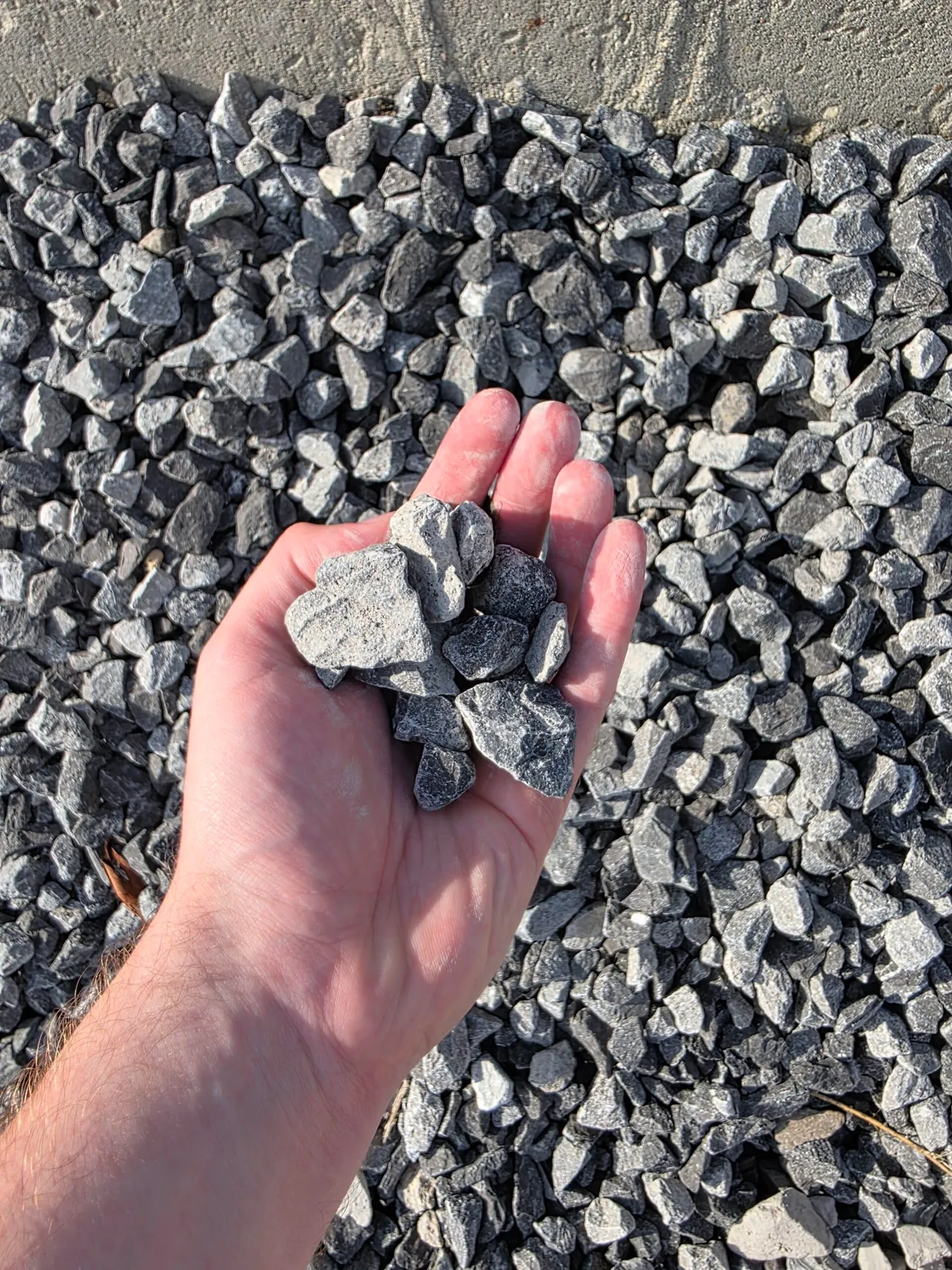
Gravel in Denver
Driveway Gravel
Our most popular driveway material — a durable blend that compacts well and resists shifting. Provides a clean, professional look that lasts for years with minimal maintenance.
Prices are ZIP-regional — enter yours for an all-in delivered price.
How It Works
How Hello Gravel Works?
Simple, fast, and reliable gravel delivery in Denver
Find Your Material
Browse our products or take our quiz to find the right material for your project.
Calculate Amount Needed
Use our calculator to determine quantity. Calculator found on any product page.
Schedule Delivery
Choose your preferred date and time frame. Place your order online. We will call to confirm within 24 hours.
Materials Delivered
We source materials locally through our trusted supplier network and deliver straight to your home or job site in Denver.
Why Denver Chooses Hello Gravel
Trusted by homeowners and contractors throughout Denver
Reliable Local Delivery
On-time delivery from vetted local suppliers you can trust.
High Quality Standards
Materials are quality checked to ensure 100% satisfaction.
Local Support Team
We will be with you through delivery. Call us any time if you need to make any changes to your order.
Quick Turnaround
Next-day delivery available if ordered before noon CST. Most orders delivered within 2-4 business days.
Local Insights
What to know about Denver
Why Denver homeowners choose Hello Gravel
Denver's city population is 583,985 and the area is growing at 2.80% annually, driving steady demand for housing, landscaping, and infrastructure projects across the Front Range. With 228 sunny days per year, a hardiness zone of 8b, and annual rainfall of 34.00 inches, Denver combines long dry spells with seasonal wet periods—conditions that make reliable drainage and erosion control essential. As new yards, patios, and access drives replace open lots or older surfaces, homeowners and contractors increasingly rely on quality aggregates like gravel for durable, low-maintenance results. Gravel is sought for its ability to support vehicle loads, shed water, and stabilize soils, which helps projects withstand Denver's climate and reduces future repair costs. Gravel performs well in Denver because its loose, permeable structure encourages water infiltration during the 34.00-inch annual rainfall while standing up to UV exposure across 228 sunny days per year. For typical local uses—driveways, French drain backfill, walkways, and xeriscape mulch—choose angular crushed gravel for compaction and interlock, or round pea gravel for decorative paths. Hello Gravel connects you with local suppliers who source regionally consistent gravel, lets you schedule delivery (standard delivery in 2+ business days or next-day for qualifying orders), and coordinates dump-truck delivery and optional tailgate spreading at the driver's discretion so materials arrive when and where you need them.
Popular projects in Denver this season
- Driveway base gravel - 25 tons
- Gravel garden pathways - 4 tons
- Drainage French gravel - 8 tons
- Gravel patio base - 6 tons
- Permeable gravel parking - 30 tons
Denver quick facts
- Location
- Denver
- Population
- 583,985
- Metro Area
- 583,985
- Annual Rainfall
- 34.00 inches
- Sunny Days
- 228/year
- Hardiness Zone
- 8b
- Growth Rate
- 2.80% annually
- Delivery Coverage
- Citywide delivery available
Best times for Denver projects
- Stable Fall Temps
- Cool Dry Prep
- Warm Compaction Peak
- Cold Installation Risk
Local handoff
Want help with gravel in Denver?
Share your ZIP and what you need help with. We'll use this page as context when we follow up.
- 1 Share the page context so we know what you were looking at.
- 2 Ask about pricing, material choice, delivery timing, or quantity.
- 3 Keep it simple if you are not sure what you need yet.
02
Gravel delivery questions
How much does one truck load of gravel cost in Denver?
Costs vary by material and amount, but plan on roughly $40 to $120 per ton delivered in the Denver area. A typical tri-axle dump truck carries about 10 to 16 tons, so a single truckload usually runs about $400 to $1,900 delivered depending on gravel type, amount, and site access. Hello Gravel has a 3-ton minimum and offers transparent delivery pricing at checkout.
How much area does 1 ton of gravel cover?
One ton of gravel is roughly 0.7 cubic yards and will cover about 230 sq ft at 1 inch depth, about 115 sq ft at 2 inches, and about 76 sq ft at 3 inches. Coverage changes with the gravel type and how much it settles after spreading, so add a small extra allowance for compaction and grading.
What is the cheapest way to get gravel in Denver?
Buying bulk delivered gravel is almost always cheaper per ton than buying bagged material. Choosing commonly available local materials like crusher run, bank run, or recycled crushed concrete will lower costs; use Hello Gravel to compare local supplier quotes and delivery fees before you order.
How much will a 50 lb bag of gravel cover?
A 50 lb bag is about 0.025 tons (roughly 0.6 cubic feet) and will cover roughly 6 sq ft at 1 inch depth or about 3 sq ft at 2 inches. For projects larger than a few square feet, bulk delivery is more cost-effective than many bags.
How much does a 20 ft gravel driveway cost in Denver?
Costs depend on length, width, depth, and material. For example, a 20 ft wide by 40 ft long driveway (800 sq ft) at 3 inches depth needs about 10–12 tons of gravel; at $40–$120 per ton that’s roughly $400–$1,500 for material plus delivery and any base or grading work. Denver-specific factors like drainage, freeze-thaw cycles, and permit or curb work can increase prep or installation costs.
Is 2 inches of gravel enough for a driveway?
Two inches is generally too thin for a driveway that will carry regular vehicle traffic; it works for walkways, patios, or a top dressing over an existing compacted base. For driveways in Denver, a 3–4 inch finish layer over a properly prepared base (and thicker base for heavier vehicles) is recommended to resist rutting and displacement.
How much gravel do I need for a 40 ft driveway?
You first need width and desired depth. For a typical single-car driveway 40 ft long by 10–12 ft wide at 3 inches depth, expect roughly 4.5–5.5 cubic yards or about 6–8 tons of gravel. Use the calculator: area (sq ft) x depth (ft) = cubic feet, divide by 27 for cubic yards, then multiply by local tons-per-cubic-yard to get tons.
What is the lifespan of gravel in Denver?
Gravel itself doesn’t 'expire' but a gravel surface will shift, thin, and develop low spots over time. In Denver’s climate you can expect to add material or regrade every 3–10 years depending on traffic, drainage, and maintenance; high-traffic driveways may need topping more often.
How much area will a dump truck load of gravel cover?
A tri-axle dump truck carrying 10–16 tons will typically cover about 1,150 to 1,800 sq ft at a 2-inch depth (rough range based on material weight). Actual coverage depends on the truck’s load in tons, the gravel’s density, and the compacted depth you need.
What is a cheaper alternative to gravel?
Recycled crushed concrete or reclaimed asphalt are common lower-cost alternatives to natural gravel and are widely available in the Denver area. They perform differently for drainage and appearance, so check local availability and suitability for your project before choosing them.
Is it cheaper to lay concrete or gravel in Denver?
Gravel is typically much cheaper up front than poured concrete. Gravel materials and delivery can cost a few dollars per square foot installed, while concrete pours usually run several times that amount; however, concrete has lower routine maintenance while gravel needs periodic topping and regrading, so consider long-term maintenance costs.
Which is the least expensive type of gravel in Denver?
Local, commonly produced mixes such as crusher run, bank run, or recycled crushed concrete are usually the least expensive options. Prices vary by supplier and proximity to quarries or recycling yards, so Hello Gravel can help you compare local options and delivery costs.
How many yards can a 7x14 dump trailer hold?
A 7x14 dump trailer with 14 ft length and 7 ft width typically carries about 3 to 5 cubic yards of material depending on the sidewall height. For gravel that equals roughly 4 to 7 tons depending on the material density, so check trailer specs and local weight limits before loading.
How far will 20 tons of gravel spread?
At 2 inches depth, 20 tons of gravel will cover roughly 2,300 to 2,500 sq ft; at 3 inches it will cover about 1,500 to 1,700 sq ft. Exact coverage depends on gravel density and whether you compact or allow settlement, so order a little extra for grading and low spots.
How much pea gravel do I need for a 10x10 area?
For a 10x10 area (100 sq ft), a 2-inch depth needs about 0.6 cubic yards or roughly 0.8–1 ton of pea gravel. Keep in mind Hello Gravel’s 3-ton minimum for bulk delivery in many areas; for smaller amounts you can buy bags locally or add extra area to reach the minimum.
Ready for gravel in Denver?
Enter your ZIP for an all-in delivered price — you pick the date.
Get gravel pricing