
How Much Does Fill Dirt Cost Per Ton in 2026
Guide handoff
Want help applying this guide to your project?
Share your ZIP and what you need help with. We'll use this guide as context when we follow up.
- 1 This guide gives us the context you were reading.
- 2 Ask about pricing, material choice, delivery timing, or quantity.
- 3 Keep it broad if you are still figuring out the project.
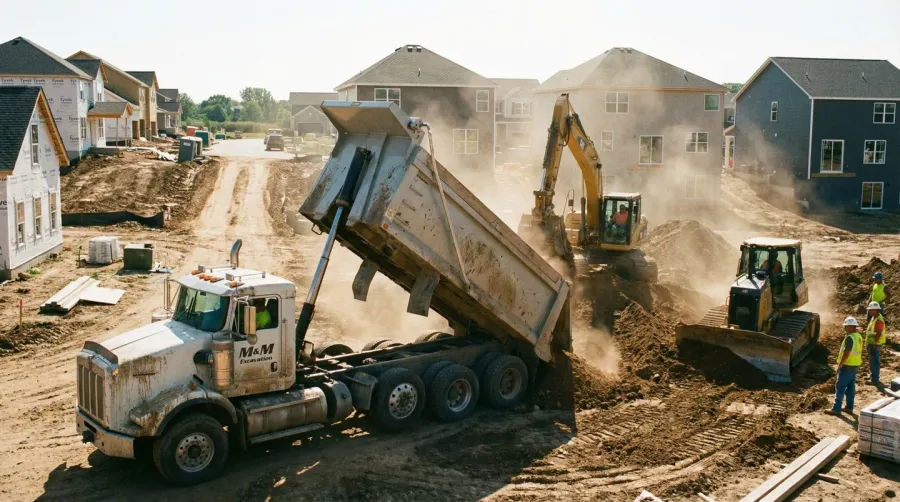
Planning a construction or landscaping project and wondering about fill dirt costs? You’re looking at $10 to $30 per ton for quality fill dirt, though prices vary significantly based on type, location, and quantity. Understanding these costs upfront helps you budget accurately and avoid project delays or cost overruns.
Fill dirt serves as the foundation for countless projects, from leveling yards to supporting new construction. The key is knowing what drives these prices and how to get the best value for your specific needs. This guide walks you through everything you need to calculate fill dirt costs accurately in 2026.
Quick tip: Most suppliers offer bulk discounts when you order 10 tons or more, potentially saving you 15-25% on larger projects. At Hello Gravel, we specialize in orders of 500 tons or more but accommodate smaller transactions as well, ensuring you get competitive pricing regardless of project size.
Understanding fill dirt pricing factors
Several key elements determine how much you’ll pay for fill dirt per ton. The most significant factor is quality level, which directly impacts both price and performance. Clean, screened fill dirt costs more than unscreened varieties but provides better stability and fewer settling issues over time.
Location plays a crucial role in pricing as well. Materials sourced locally cost less due to reduced transportation expenses, while remote areas may see prices increase by $5-10 per ton. Regional geology also matters since some areas have naturally occurring fill dirt that’s easier to extract and process. Hello Gravel’s nationwide network of local pits and haulers helps minimize transportation costs by sourcing material nearby wherever your project is located.
Quantity requirements work in your favor for larger projects. Most suppliers offer tiered pricing, with small orders under 5 tons carrying premium rates due to delivery minimums and handling fees. Orders over 20 tons typically qualify for the best per-ton pricing. Understanding fill dirt delivery cost is essential when planning your budget, as transportation can significantly impact your total expenses.
Types of fill dirt and their costs
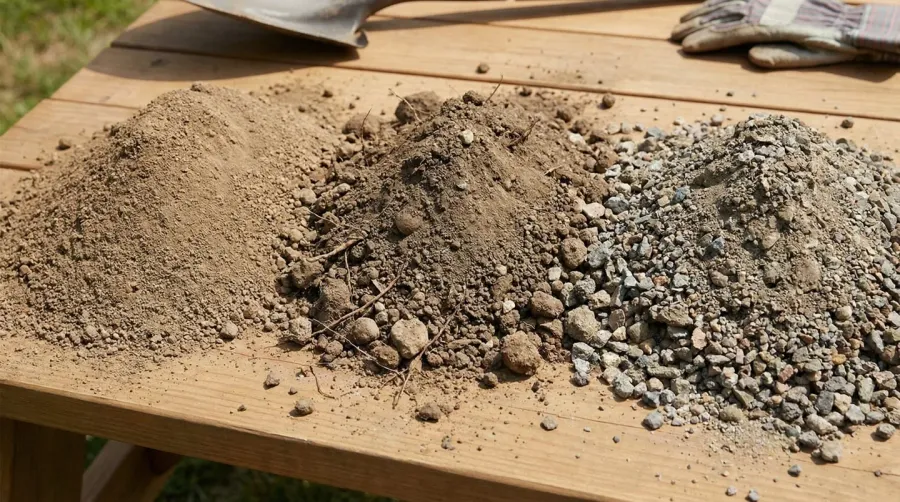
Unscreened fill dirt represents the most economical option, typically ranging from $10-18 per ton. This material contains a natural mixture of soil, small rocks, and organic matter as found in the ground. While budget-friendly, unscreened fill may require additional sorting and can experience more settling over time due to organic content.
Screened fill dirt costs $15-25 per ton but offers superior consistency and performance. The screening process removes large rocks, roots, and debris, resulting in a more uniform product that compacts predictably. This makes screened fill ideal for foundation work, driveway bases, and other applications requiring stable, long-term performance.
Clean fill dirt commands premium pricing at $20-30 per ton due to strict quality standards. This material undergoes testing to ensure it’s free from contaminants, organic matter, and unwanted debris. Clean fill provides the highest stability and is often required for commercial construction projects or areas with specific engineering requirements.
Cost-saving insight: For large landscaping projects where structural stability isn’t critical, mixing 70% unscreened with 30% screened fill can reduce costs by up to 20% while maintaining adequate performance.
Calculating your fill dirt needs
Determining how much fill dirt you need requires accurate measurements of your project area. Start by calculating the volume in cubic feet by multiplying length times width times depth. Since fill dirt is sold by weight, you’ll need to convert this volume to tons using the material’s density.
Most fill dirt weighs between 1.3 to 1.7 tons per cubic yard, depending on composition and moisture content. Clay-heavy fill tends toward the higher end of this range, while sandy compositions weigh less. A good rule of thumb is to estimate 1.5 tons per cubic yard for planning purposes. Hello Gravel’s online material calculator helps you determine exactly how many cubic yards or tons you need based on your project measurements, taking the guesswork out of ordering. If you prefer to calculate based on volume, check out our guide on fill dirt cost per yard for alternative pricing structures.
Don’t forget to account for compaction and settling when calculating your needs. Most projects require 10-15% more fill dirt than the initial volume calculation suggests. This extra material ensures you have enough to achieve the desired final grade after natural settling occurs.
| Fill Dirt Type | Cost per Ton | Density | Best For |
|---|---|---|---|
| Unscreened | $10-18 | 1.3-1.5 tons/yd³ | Basic landscaping |
| Screened | $15-25 | 1.4-1.6 tons/yd³ | Foundations, driveways |
| Clean Fill | $20-30 | 1.5-1.7 tons/yd³ | Commercial projects |
Where to buy fill dirt and delivery considerations
Local quarries and excavation companies typically offer the most competitive pricing for fill dirt, especially if you can arrange pickup rather than delivery. These suppliers often have the freshest inventory and can provide detailed information about the material’s source and composition.
Construction material suppliers provide convenient one-stop shopping for multiple project needs. While their fill dirt prices may run slightly higher than quarries, the convenience of bundling orders with other materials can offset the premium. Many also offer flexible delivery scheduling that works around your project timeline. For contractors managing multiple projects, learning material sourcing secrets for busy contractors can streamline your procurement process.
Online platforms like Hello Gravel have revolutionized the aggregate purchasing process by eliminating the need to call around for price sheets and deal with endless quote chains. With nationwide coverage across all 50 states, you can order fill dirt in minutes online with transparent pricing and dedicated account management for quotes, scheduling, and repeat orders. Delivery is available in as little as 2 business days, with morning (7 am – 12 pm) or afternoon (12 pm – 5 pm) delivery windows to fit your schedule.
Delivery costs significantly impact your total expense, typically adding $50-150 depending on distance and accessibility. Most suppliers include free delivery within a certain radius for orders over 10-15 tons. Difficult access sites with narrow roads or steep grades may incur additional charges, so discuss these factors upfront when getting quotes. To better understand what you’ll pay, explore our detailed breakdown of how much is fill dirt delivered.
Money-saving tip: Coordinate with neighbors on large orders to qualify for bulk pricing and split delivery costs, potentially saving everyone 20-30% on their individual projects.
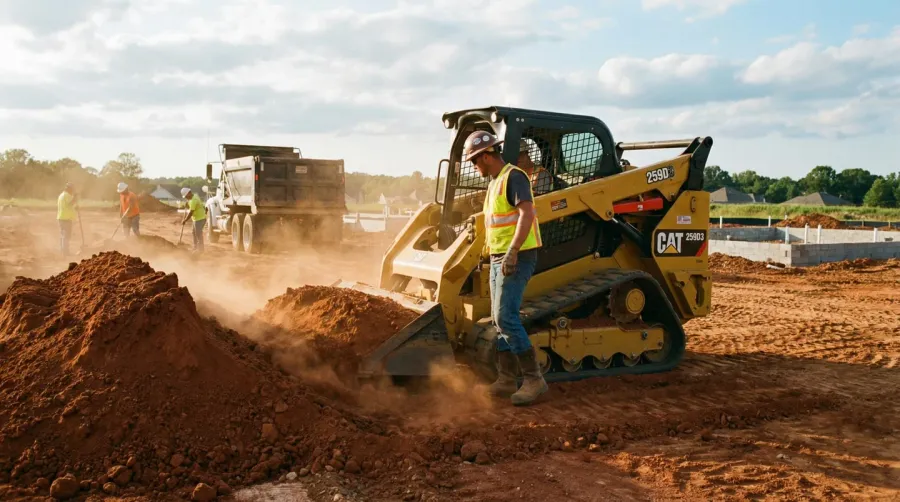
Understanding fill dirt costs per ton helps you make informed decisions for your 2026 construction or landscaping project. With prices ranging from $10-30 per ton depending on quality and location, the key is matching the right material to your specific needs while taking advantage of bulk pricing opportunities. Remember to factor in delivery costs and order 10-15% extra material to account for compaction and settling. For a comprehensive overview of all pricing options, review our complete guide on fill dirt prices to ensure you’re getting the best value for your project.
FAQ
How much does fill dirt cost per ton in 2026?
Fill dirt costs range from $10 to $30 per ton in 2026, depending on the type and quality. Unscreened fill dirt is the most economical at $10-18 per ton, screened fill dirt costs $15-25 per ton, and clean fill dirt commands premium pricing at $20-30 per ton due to strict quality standards and superior performance.
What factors affect fill dirt pricing?
Several key factors determine fill dirt pricing: quality level (clean, screened, or unscreened), location and transportation costs, quantity ordered, and regional geology. Local sourcing reduces costs, while remote areas may see prices increase by $5-10 per ton. Bulk orders over 10 tons typically qualify for 15-25% discounts.
How do I calculate how much fill dirt I need?
Calculate your fill dirt needs by measuring length times width times depth in cubic feet, then convert to tons using the material’s density. Most fill dirt weighs 1.3 to 1.7 tons per cubic yard, with 1.5 tons per cubic yard being a good planning estimate. Add 10-15% extra material to account for compaction and settling.
What are the delivery costs for fill dirt?
Delivery costs typically add $50-150 to your total expense, depending on distance and site accessibility. Most suppliers offer free delivery within a certain radius for orders over 10-15 tons. Difficult access sites with narrow roads or steep grades may incur additional charges, so discuss these factors when getting quotes.