
Shed Base Calculator
— How Much Do You Need?
Instant shed base calculator - estimate gravel, sand, and fill needed for a level, compacted base.
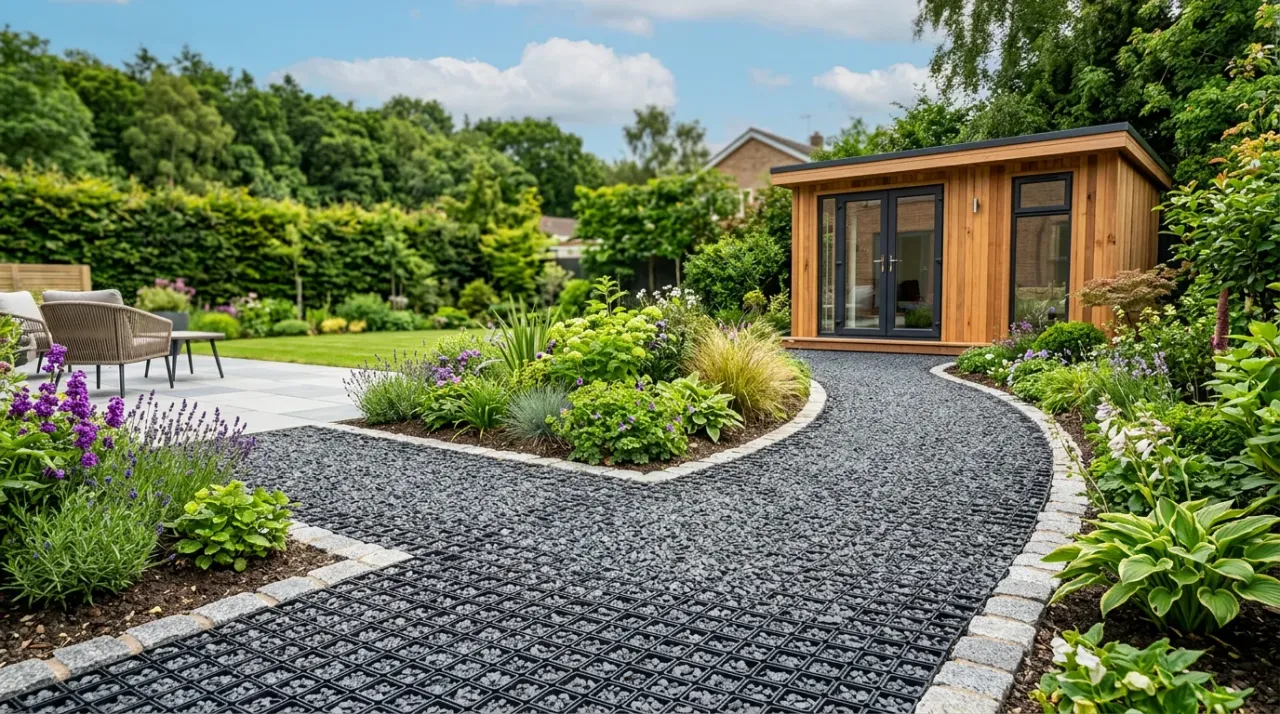
How to Use This Shed Base Calculator
Planning a shed base requires precise measurements to ensure you order enough material without overspending.
- 1 Measure Area: Measure the length and width of your planned shed base area in feet.
- 2 Determine Depth: For most shed base projects, a depth of 4 to 6 inches is recommended for stability.
- 3 Review Results: The calculator provides both cubic yards (for bulk volume) and tons (for ordering weight).
Common Materials for Shed Bases
Choosing the right base material ensures proper drainage, compaction, and load-bearing stability to prevent your shed from settling or shifting over time.
| Material | Description | Best For | Est. Cost |
|---|---|---|---|
| Crusher Run (QP) | A blend of crushed stone particles and stone dust ranging from 3/4-inch down to fines, creating a self-binding, compactable aggregate. | Primary Base Layer, Compacted Gravel Pad, Sub-Base Stability, Load Bearing | $ |
| #57 Crushed Stone | Clean, angular crushed stone approximately 3/4 to 1 inch in diameter with no fines, providing excellent drainage and moderate interlocking. | Drainage Layer, Gravel Pad Base, Under Concrete Slab | $$ |
| Pea Gravel | Smooth, rounded stone particles approximately 1/4 to 3/8 inch in diameter, typically composed of river-worn quartz or mixed stone. | Top Drainage Layer, Leveling Bed, Block Foundation Base | $$ |
| Concrete Sand (Sharp Sand) | Coarse, angular washed sand with gritty texture and particle sizes typically between 0.5 and 2 mm, providing a stable, level-able surface. | Leveling Top Layer, Paver or Block Base, Limited Use | $ |
Understanding the Cost
Several factors influence the final price of your shed base project.
Material Volume
The dimensions of your project directly dictate the tonnage needed. Deeper bases require significantly more material.
Delivery Distance
Transport logistics play a major role. Being closer to the quarry or depot reduces delivery fees significantly.
Material Type
Decorative stones cost more than utility grades. Choose based on your project's functional and aesthetic requirements.
Recommended Products for Your Shed Base
Gravel Calculator
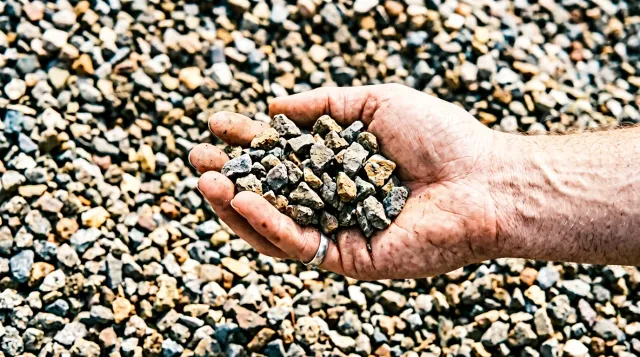
This gravel calculator estimates cubic yards, tons, and coverage for any area. Enter dimensions and depth for driveways, patios, paths, and landscaping.
Road Base Calculator
Road base calculator — enter length, width, and depth to estimate volume and tonnage for crushed limestone, recycled concrete, and aggregate base.
Crusher Run Calculator
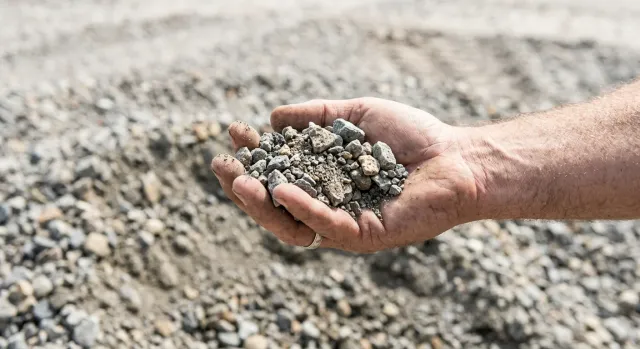
Crusher run calculator — enter width, length, and thickness to estimate cubic yards and tons for a solid, compactable driveway or parking pad base.
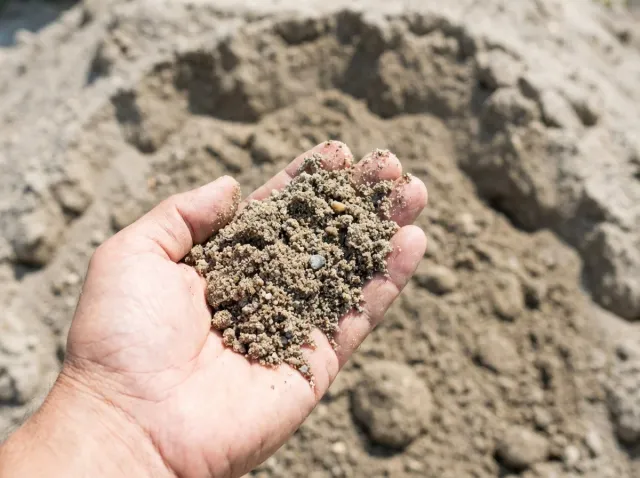
Concrete Sand Calculator
Concrete sand calculator — estimate volume and weight based on your project's length, width, and depth. Results in cubic yards and tons, ready for ordering.
Frequently Asked Questions
What is the best material for a shed base?
For most shed projects, compactable crushed stone is the top choice. This material, often called crusher run, road base, or processed gravel depending on your region, is a mix of crushed stone and stone dust that locks together tightly when compacted. The result is a firm, stable surface that resists shifting over time and still allows water to drain through rather than pool under your shed. Clean crushed stone, such as #57 stone, is another strong option. It drains exceptionally well because the uniform angular pieces leave space between them for water to pass through freely. Many builders use a combination approach, laying a base layer of crusher run for firmness and topping it with clean crushed stone for drainage and leveling. What you want to avoid is smooth, rounded gravel like pea gravel as your primary structural base material, since it does not compact and will allow the shed to shift or sink unevenly over time. If you are not sure which material fits your soil conditions and shed size, the Hello Gravel team is happy to help you pick the right product.
Can a shed sit directly on gravel?
A shed should not rest its wooden components directly on loose gravel, but a properly built gravel pad absolutely serves as a complete and dependable shed foundation. The distinction matters. What you want is a compacted gravel pad that is level and stable, with the shed sitting on top of treated wood skids or precast concrete deck blocks that rest on that pad. Those skids and blocks keep the shed's framing lifted slightly above the gravel surface so moisture cannot wick directly into the wood and cause rot over the years. When built correctly, a gravel pad gives your shed excellent drainage, a solid footing, and a surface that will not crack or heave the way poured concrete can during freeze and thaw cycles. The gravel does the structural work of distributing the shed's weight evenly across the soil below. As long as the pad is adequately compacted and properly sized, your shed will have a foundation that holds up well for many years.
How deep should the gravel be under a shed?
A depth of 4 to 6 inches of compacted gravel is the standard recommendation for most shed foundations. Four inches works well on firm, well-drained soil. If your yard has soft soil, heavy clay, or areas that stay wet after rain, going to 6 inches gives the foundation extra strength and improves drainage significantly. Before you add any gravel, you will want to excavate and remove the existing topsoil and any organic material in the footprint area, typically 3 to 4 inches down. Organic material compresses and decomposes over time, which causes uneven settling. Removing it first and then filling with gravel means your shed sits on a base that stays consistent. Always compact the gravel in layers, especially if you are pouring more than 4 inches, so the finished pad is truly solid and not just a thick pile of loose stone.
How much gravel do I need for a shed base?
The amount depends on your shed's footprint and how deep you plan to go. As a general reference, a 10x12 shed foundation built at 4 inches of compacted depth requires roughly 1.5 to 2 cubic yards of gravel, which works out to approximately 2 to 3 tons. A larger 12x20 shed at 6 inches of compacted depth needs around 4 to 5 cubic yards, or roughly 6 to 8 tons. These figures assume you are also extending the pad 12 inches beyond the shed walls on all sides, which is the right approach and adds meaningful material to your total. Soil conditions, how much you excavate, and whether you use a layered approach with different materials all affect your final number. The most reliable way to get an accurate quantity is to use the Hello Gravel online calculator. Plug in your pad dimensions and target depth, and it will give you a precise tonnage estimate based on the material you select. That way you are not guessing and not short on delivery day.
Why choose a gravel pad over a concrete slab for a shed base?
Gravel offers several real advantages over concrete for most shed projects. The most obvious one is cost. A concrete slab requires forms, rebar, mixing, and either hiring a crew or renting equipment. A gravel pad requires compacted stone and a plate compactor, which is a much simpler and more budget-friendly undertaking. For sheds that are not permanent structures or that you might want to relocate someday, gravel is also far more practical since you are not locked into a fixed foundation. Drainage is another area where gravel wins. Water moves through a properly installed gravel pad freely, which means you are not fighting standing water or surface cracking after hard rains or freeze and thaw cycles. Concrete, by contrast, can crack over time from ground movement, and once it does, water finds its way into those cracks and makes things worse. Gravel also allows you to adjust and re-level the surface if your area settles, something you simply cannot do with a concrete slab. For most homeowners building a standard storage shed, a gravel pad is the smarter, more forgiving choice.
More Project Calculators
Playground Calculator
This calculator estimates mulch, rubber, or wood fiber surfacing for playgrounds. Enter area and recommended depth to get cubic yards and tons.
Chicken Coop Calculator
Use this calculator to estimate how much gravel your coop base requires. Input dimensions and depth for volume in cubic yards and stone type guidance.
Basketball Court Calculator
Court base calculator — estimate gravel, sand, and sub-base quantities for backyard or regulation basketball courts. Input court size for material totals.
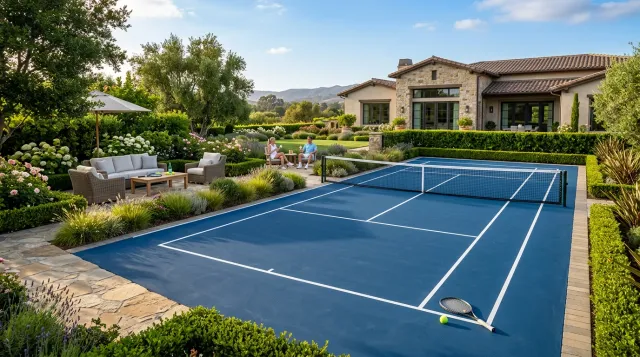
Tennis Court Calculator
Use this calculator to estimate the crushed stone base for a new or resurfaced tennis court. Enter dimensions and depth for volume and tonnage.
Delivery Logistics & Truck Info
Know your delivery options and access requirements before scheduling your order.
Truck Capacities
- Standard Dump Truck10–14 tons
- Tandem Axle14–18 tons
- Semi End Dump20–25 tons
A standard cubic yard weighs approximately 2,000–2,700 lbs depending on material and moisture.
Site Access Requirements
- Trucks require a minimum 12-ft wide, overhead-clear access path
- Soft ground or slopes over 10% may limit truck access — contact us before ordering
- Ensure no underground utilities or irrigation lines are in the drop zone
- Mark your desired drop location clearly before delivery
Important Notes
- Delivery estimates are based on available inventory and route proximity
- Minimum order quantities apply — typically 5 cubic yards or 1 truckload
- Material certification is available upon request for permitted projects
- Always confirm local ordinances before major material placement