
Why Are Quarries Dangerous? Understanding the Hidden Risks and Safety Measures
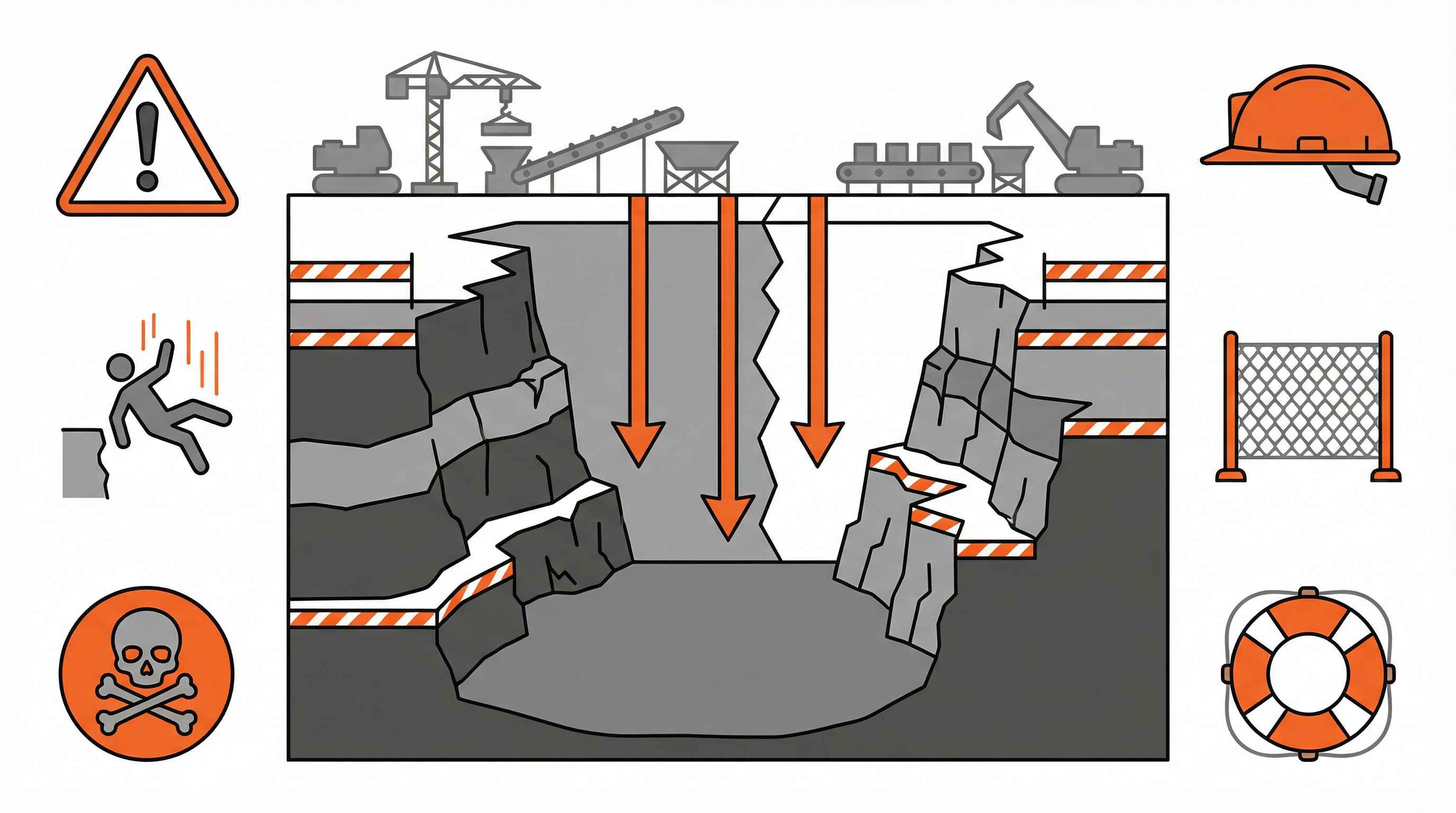
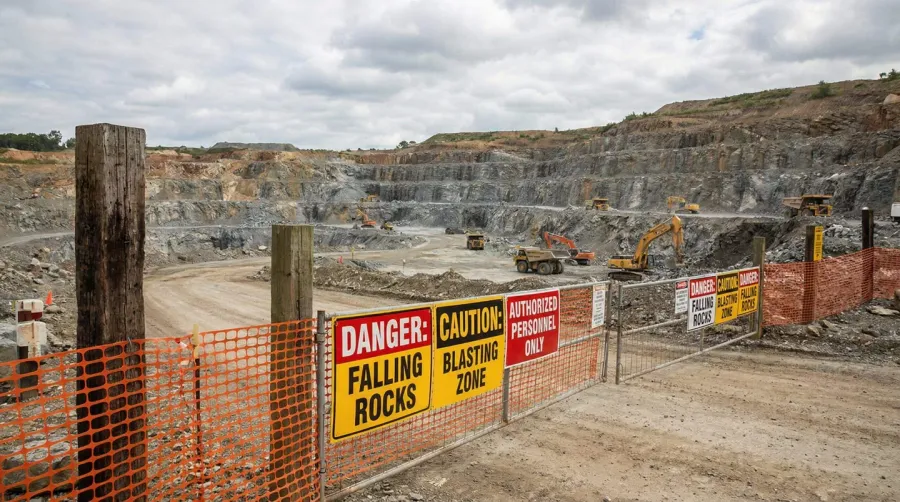
Quarries pose significant dangers that claim lives every year, making them some of the most hazardous industrial sites. These extraction operations create unique risks through unstable ground conditions, toxic water bodies, and powerful machinery that can cause fatal accidents. Understanding these dangers is crucial for workers, visitors, and communities near quarry sites.
Critical Fact: According to worksafe.govt.nz, quarry operations involve serious incidents including fall of ground, mobile plant roll-overs, explosive fly rock, and drowning hazards.
The extraction process involves drilling, blasting, and heavy machinery operations that transform stable landscapes into dangerous terrain. Workers face daily exposure to falling rocks, equipment failures, and respiratory hazards, while abandoned quarries continue threatening public safety long after operations cease.
Understanding quarry operations and their inherent risks
Quarrying involves extracting valuable materials like limestone, granite, and aggregates from the earth’s surface. This process fundamentally alters the landscape, creating steep faces, deep pits, and unstable ground conditions that persist for decades.
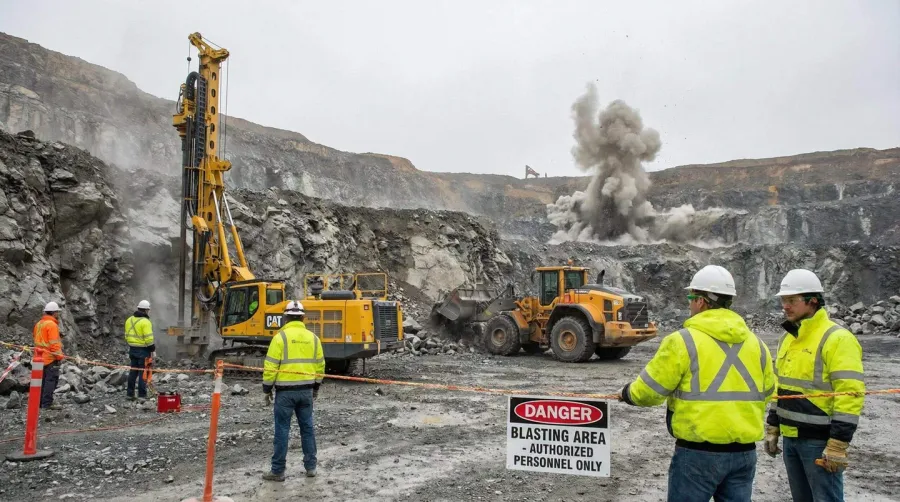
The extraction begins with drilling holes into rock faces, followed by controlled explosions that fragment massive stone formations. Heavy machinery then removes the broken material, gradually deepening the excavation. Each step introduces specific hazards that compound over time. The quarrying process transforms raw materials into usable construction products through multiple stages of processing.
Modern quarries can reach depths exceeding 100 meters with near-vertical walls. These dimensions create unique safety challenges that don’t exist in other industrial settings. The scale and permanence of these alterations make quarries particularly dangerous environments.
Physical dangers that threaten lives daily
Ground instability represents the most serious physical threat in quarry operations. According to HSA Ireland, working faces exceeding 7.5 meters in height with vertical angles steeper than safe parameters constitute significant hazards requiring immediate attention.
Falling rocks and debris pose constant threats to workers and equipment. Blasting operations can propel rock fragments hundreds of meters, while natural weathering causes spontaneous rockfalls. Even small stones falling from height can cause fatal injuries.
Water hazards create particularly deadly conditions in quarries. Many sites contain deep pools with near-freezing temperatures, hidden currents, and submerged equipment. The steep sides make escape nearly impossible for anyone who falls in. These water bodies often appear deceptively calm while hiding dangerous undertows and thermal layers. Understanding why quarries are filled with water helps explain these unique hazards.
Heavy machinery accidents frequently occur due to unstable surfaces, poor visibility, and the massive scale of equipment involved. Dump trucks weighing over 100 tons can overturn on loose surfaces, while excavators face constant risks from ground collapse. Various types of machinery in the quarry industry require specialized training and safety protocols.
Warning: Sand and gravel quarries with faces exceeding 7.5 meters height and angles steeper than 27 degrees pose immediate collapse risks, according to extractive industry safety standards.
Chemical and environmental health hazards
Dust exposure represents a severe long-term health threat for quarry workers. Silica dust from cutting and crushing operations can cause silicosis, a progressive lung disease that proves fatal in advanced stages. WorkSafe Victoria identifies respirable dust exposure, including crystalline silica, as a primary health concern in quarrying operations.
Chemical contamination occurs through fuel spills, hydraulic fluid leaks, and explosive residues. These substances can contaminate groundwater and create toxic environments for both workers and surrounding communities. Proper storage and handling protocols are essential but often inadequately implemented.
Noise pollution from heavy machinery and blasting operations can cause permanent hearing damage. Workers exposed to sound levels exceeding 85 decibels for extended periods face progressive hearing loss. The confined nature of quarry pits amplifies these effects, creating acoustic environments that exceed safe exposure limits.
Air quality deteriorates rapidly during active operations. Diesel exhaust from machinery combines with mineral dust to create respiratory hazards that extend beyond the immediate work area. Wind patterns can carry these pollutants to nearby residential areas. The environmental impacts of quarrying extend far beyond the extraction site itself.
Human factors that amplify quarry dangers
Inadequate training remains a leading cause of quarry accidents. The complex nature of quarry operations requires specialized knowledge that many workers lack. Understanding geological conditions, equipment limitations, and emergency procedures demands comprehensive education that many sites fail to provide.
Communication breakdowns between workers, supervisors, and equipment operators create dangerous situations. The noise and scale of quarry operations make clear communication challenging, leading to misunderstandings that can prove fatal. Establishing reliable communication systems becomes critical for safe operations.
| Risk Factor | Impact Level | Prevention Measures |
|---|---|---|
| Ground Instability | High | Regular geological assessments |
| Water Hazards | Critical | Barriers and rescue equipment |
| Dust Exposure | Moderate | Respiratory protection programs |
| Equipment Failure | High | Preventive maintenance schedules |
Fatigue and stress significantly increase accident risks in quarry environments. The physical demands of quarry work, combined with dangerous conditions, create high-stress situations that impair judgment. Workers operating under fatigue make poor decisions that endanger themselves and colleagues.
Poor supervision allows unsafe practices to develop and persist. Without constant oversight, workers may take shortcuts or ignore safety protocols to meet production targets. Effective supervision requires trained personnel who understand both operational requirements and safety standards.
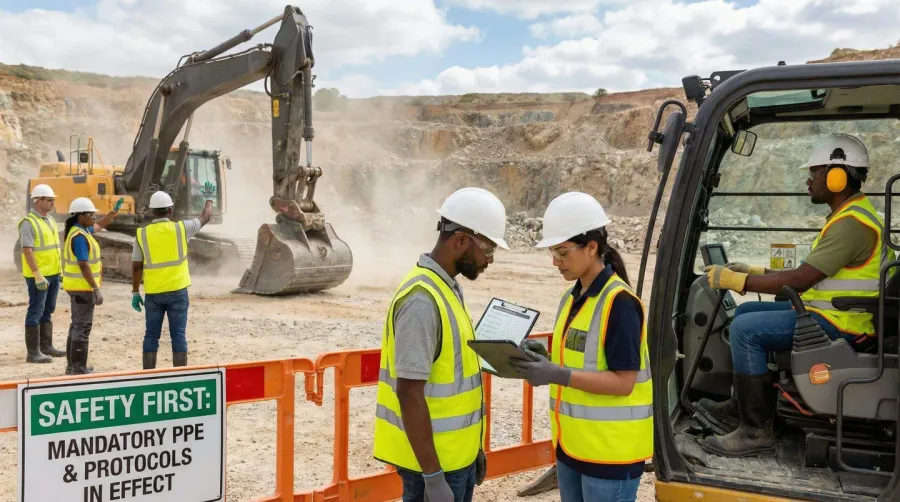
Safety Reminder: Mainland Aggregates emphasizes that proper blast design, safety protocols, and environmental impact minimization are essential for responsible quarry operations.
Understanding quarry dangers helps protect workers and communities from preventable tragedies. These hazards require constant vigilance, proper training, and comprehensive safety measures to manage effectively. The combination of physical, chemical, and human risk factors makes quarries uniquely dangerous environments that demand respect and careful management. Understanding how rock quarries make money provides insight into the economic pressures that can sometimes compromise safety.
Effective quarry safety depends on recognizing these interconnected dangers and implementing robust prevention strategies. Only through comprehensive understanding and proactive safety measures can the risks associated with quarry operations be adequately controlled. Exploring the depths of quarries reveals the scale of these operations and the corresponding safety challenges they present.
FAQ
Why are quarries so dangerous?
Quarries pose multiple serious hazards including unstable ground conditions, falling rocks, deep water bodies with hidden dangers, heavy machinery accidents, and toxic dust exposure. According to MSHA data, powered haulage and machinery accidents are the leading causes of quarry fatalities, with 33 mining deaths recorded in 2026. The combination of steep faces, blasting operations, and massive equipment creates uniquely dangerous conditions that persist long after operations cease.
What makes quarry water so dangerous for swimming?
Quarry lakes are extremely hazardous due to sudden depth changes exceeding 100 meters, submerged machinery and debris, unstable banks that can collapse, near-freezing water temperatures causing hypothermia, and poor water quality from chemical contamination. The steep sides make escape nearly impossible, and hidden currents and thermal layers create additional drowning risks. MSHA has documented multiple drowning incidents in water-filled quarry pits.
What are the main health hazards for quarry workers?
Quarry workers face serious health risks from silica dust exposure that can cause fatal silicosis, chemical contamination from fuel and hydraulic fluid spills, noise pollution exceeding 85 decibels that causes permanent hearing damage, and poor air quality from diesel exhaust combined with mineral dust. Long-term exposure to these hazards can result in progressive lung disease and other chronic health conditions that may prove fatal in advanced stages.
How can quarry safety be improved?
Quarry safety improvements require comprehensive training programs, proper personal protective equipment including hard hats and respirators, regular geological assessments of ground stability, effective communication systems, preventive maintenance schedules for equipment, and constant supervision. Establishing exclusion zones around dangerous areas, implementing dust suppression measures, and providing rescue equipment near water hazards are also essential. MSHA data shows that enhanced safety protocols have contributed to declining fatality rates in recent years.