
What Is Red Clay Soil? Definition, Properties, Uses and Cost
Guide handoff
Want help applying this guide to your project?
Share your ZIP and what you need help with. We'll use this guide as context when we follow up.
- 1 This guide gives us the context you were reading.
- 2 Ask about pricing, material choice, delivery timing, or quantity.
- 3 Keep it broad if you are still figuring out the project.
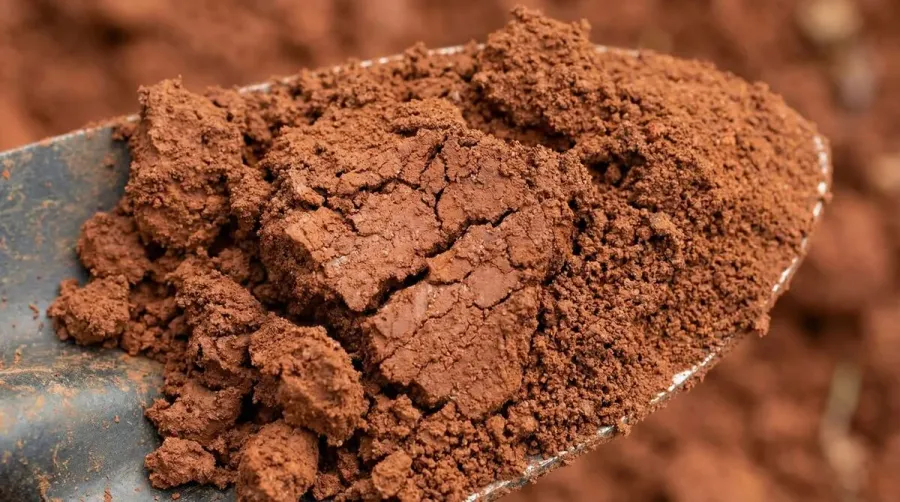
Red clay soil is a distinctive type of earth characterized by its rich reddish hue, which comes from high concentrations of iron oxides like hematite and goethite. Also known as terra rossa, this soil type is prized in construction for making durable bricks and tiles, while its nutrient-rich composition makes it valuable for agriculture, particularly in Mediterranean climates and wine-growing regions.
Quick fact: Red clay gets its color from iron oxide concentrations that can make up 5-15% of the soil composition, giving it both its distinctive appearance and many of its beneficial properties.
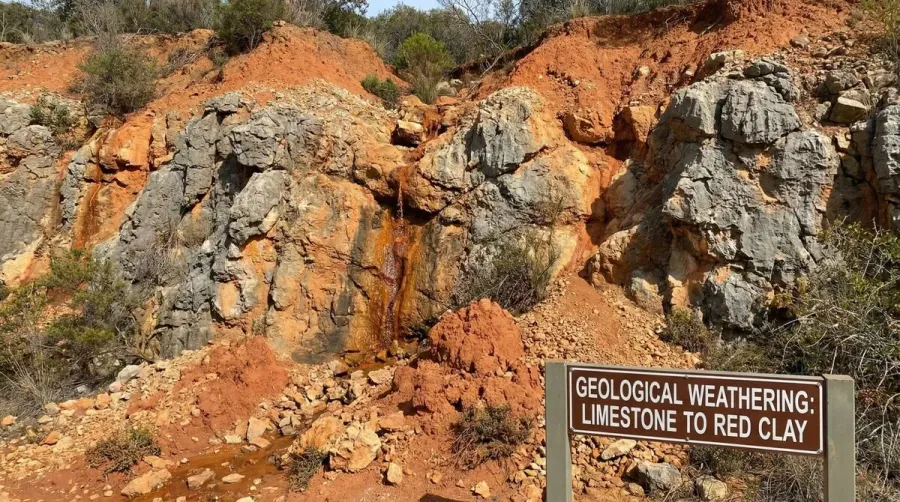
You’ll find red clay naturally occurring in areas with Mediterranean climates, including parts of Italy, Spain, and the southern United States. The formation process involves weathering of limestone and other carbonate rocks over thousands of years, creating a soil that’s both challenging to work with and incredibly useful once you understand its properties.
What makes red clay soil unique
Red clay soil stands out from other soil types due to its mineral composition and physical characteristics. The iron oxides that create the red color form through oxidation of iron-bearing minerals during the weathering process. This happens when rocks break down into smaller particles and get transported to different locations over time.
The formation process requires specific conditions to occur. Mediterranean climates with hot, dry summers and cool, wet winters create ideal environments for red clay development. The weathering of limestone and carbonate rocks in these regions contributes significantly to the high mineral content that makes red clay so valuable.
What sets red clay apart is its particle size and structure. Clay minerals are incredibly small, typically less than 0.002 mm in diameter, and have a flat, plate-like shape. This creates a dense, compact soil with very small pore spaces, making it heavy and sometimes difficult to work with when wet. Understanding the differences between clay soils and other soil types helps you determine the best applications for your project.
Key properties and characteristics
Red clay soil has several distinctive properties that influence how you can use it. The high mineral content, particularly iron oxides, contributes to excellent fertility levels. Clay particles have a high cation exchange capacity, meaning they can hold onto essential nutrients like potassium, calcium, and magnesium effectively.
Water behavior in red clay is unique compared to other soils. While it’s well-drained overall, the compact nature means water doesn’t accumulate on the surface. However, when red clay gets wet, it can become sticky and difficult to work with. When it dries out, it becomes hard and may crack.
Important consideration: Red clay can become extremely compacted when wet, so timing your work with this soil type is crucial for successful projects.
The texture varies depending on the specific composition, ranging from sandy to silty to purely clayey. This variation affects workability and determines the best applications for different types of red clay. If you’re working with high clay content soil, the compact nature provides excellent stability for construction projects but may require amendments for agricultural use.
Construction and building applications
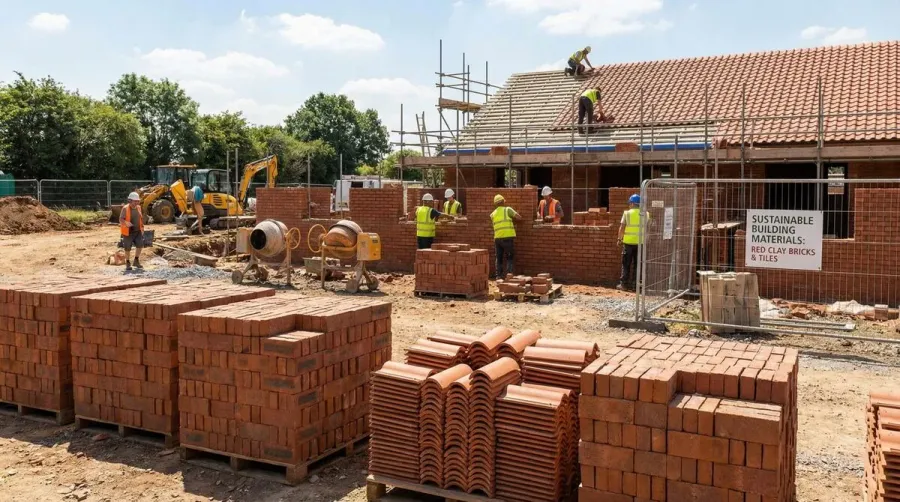
Red clay serves as an excellent construction material, particularly for brick and tile production. The high iron content gives these materials their characteristic reddish color, which adds aesthetic appeal to building projects. Beyond appearance, red clay construction materials offer impressive durability and weather resistance.
The brick-making process involves mixing red clay with water to create a paste, then shaping and firing it in a kiln. This firing process hardens the clay while enhancing its color, resulting in construction materials that can last for decades. You’ll see red clay bricks and tiles used in both residential and commercial projects worldwide.
For road construction, red clay provides a stable subgrade material. Its density and compact nature create a solid foundation for pavement, though proper drainage considerations are essential. The material also works well for earthen dams and embankments, where its water retention properties become an advantage rather than a challenge. When comparing options, consider the differences between fill dirt and clay for your specific construction needs.
Agricultural benefits and uses
In agriculture, red clay soil offers significant advantages for specific crops. The high mineral content combined with good drainage makes it ideal for grapes and olives, which is why many renowned wine regions feature red clay soils. Parts of Italy and Spain are famous for their red clay vineyard soils that contribute to exceptional wine quality.
The nutrient retention capabilities of red clay benefit various crops beyond grapes and olives. Fruits, vegetables, and grains can thrive in red clay soil, though you may need to amend it with organic matter to improve texture and workability. The soil’s ability to hold nutrients reduces the need for frequent fertilization.
Agricultural tip: Adding compost or other organic matter to red clay improves its structure, making it easier to work while maintaining its nutrient-holding benefits.
However, working with red clay in agriculture requires understanding its challenges. The compact nature can restrict root growth and reduce air availability to plant roots. When dry, red clay becomes very hard, making cultivation difficult without proper soil preparation and timing. For better agricultural results, many farmers blend red clay with sandy loam or create blended soils to optimize texture and drainage.
Cost analysis and comparison
Red clay pricing varies significantly based on quality, location, and quantity purchased. You can expect to pay between $10 to $50 per ton on average, though this represents a rough estimate since actual prices fluctuate based on several factors.
| Soil Type | Average Cost per Ton | Key Benefits |
|---|---|---|
| Red Clay | $10-$50 | High nutrients, durability |
| Topsoil | $15-$35 | General purpose, easy to work |
| Fill Dirt | $8-$25 | Basic filling, lower cost |
| Sand | $10-$30 | Good drainage, easy handling |
Quality significantly impacts pricing, with high-mineral-content red clay commanding higher prices than lower-grade options. Location matters too, as sourcing locally can reduce transportation costs substantially. Buying in bulk typically offers better per-ton pricing for large projects.
Transportation costs can significantly increase your total expense, especially for long-distance deliveries. This makes local sourcing particularly attractive when available. Despite higher upfront costs compared to basic fill dirt, red clay’s durability and versatility often provide better long-term value for specific applications. If you’re planning a large project, use a fill dirt cost calculator to estimate your total expenses accurately.
The investment in red clay often pays off through reduced maintenance needs in construction projects and lower fertilizer requirements in agricultural applications. When choosing between soil types, consider both immediate costs and long-term benefits for your specific project needs.
Red clay soil offers unique advantages that make it valuable for both construction and agricultural applications. While it requires careful handling and may cost more initially than basic soil types, its nutrient content, durability, and distinctive properties often justify the investment. Whether you’re planning a construction project or developing agricultural land, understanding red clay’s characteristics helps you make informed decisions about soil selection and management.
FAQ
What makes red clay soil red?
Red clay soil gets its distinctive reddish color from high concentrations of iron oxides like hematite and goethite. These iron oxides can make up 5-15% of the soil composition and form through the oxidation of iron-bearing minerals during the weathering process of rocks over thousands of years.
What is red clay soil best used for?
Red clay soil is excellent for construction applications, particularly making durable bricks and tiles due to its high iron content and compact nature. In agriculture, it’s ideal for growing grapes and olives, which is why many renowned wine regions feature red clay soils. It also works well for road construction as a stable subgrade material.
How much does red clay soil cost?
Red clay soil typically costs between $10 to $50 per ton, with prices varying based on quality, location, and quantity purchased. While it costs more than basic fill dirt ($8-$25 per ton), red clay’s durability and nutrient content often provide better long-term value for construction and agricultural applications.
Where is red clay soil naturally found?
Red clay soil naturally occurs in areas with Mediterranean climates, including parts of Italy, Spain, and the southern United States. It forms through the weathering of limestone and carbonate rocks in regions with hot, dry summers and cool, wet winters, creating the ideal conditions for red clay development.