
Washed Gravel vs Pea Gravel Complete Guide for Your Project
Guide handoff
Want help applying this guide to your project?
Share your ZIP and what you need help with. We'll use this guide as context when we follow up.
- 1 This guide gives us the context you were reading.
- 2 Ask about pricing, material choice, delivery timing, or quantity.
- 3 Keep it broad if you are still figuring out the project.
Choosing between washed gravel and pea gravel can feel overwhelming when you’re planning your next landscaping or construction project. Both materials offer unique benefits, but understanding their differences will help you make the right choice for your specific needs.
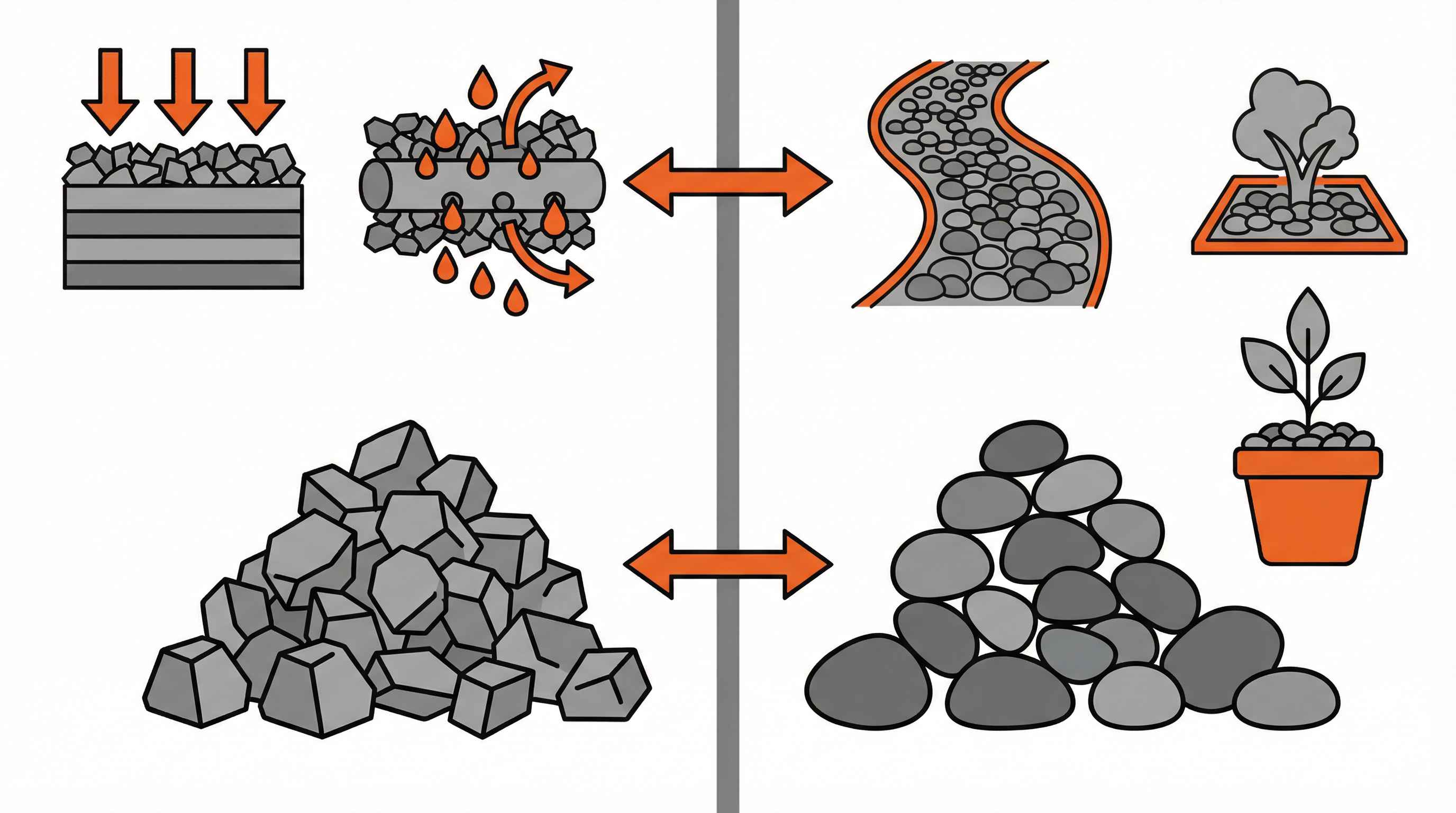
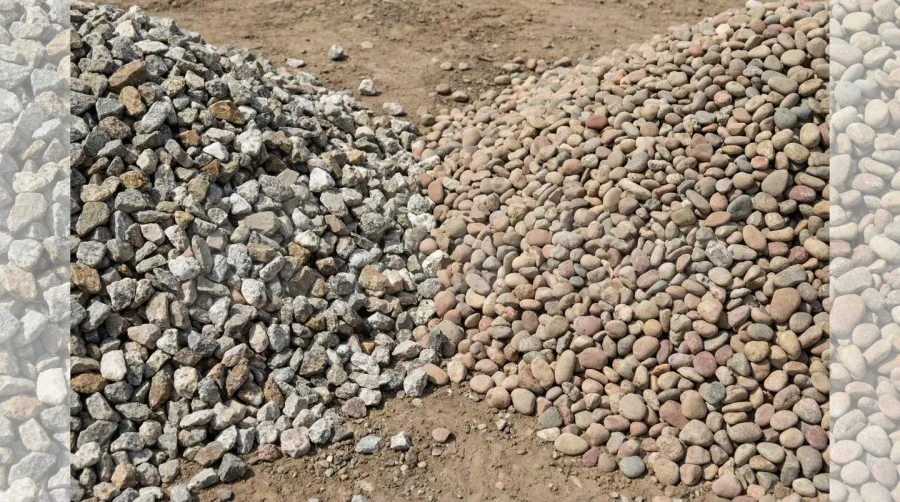
Washed gravel is processed to remove dust and debris, creating a cleaner appearance and better stability. Pea gravel features small, rounded stones that provide excellent drainage and a natural look. The main differences lie in their processing methods, size ranges, costs, and ideal applications.
Quick Fact: Washed gravel typically costs 15-25% more than pea gravel due to the additional cleaning process, but offers superior compaction for high-traffic areas.
This guide breaks down everything you need to know about both materials, from their production processes to practical applications, helping you select the perfect gravel for your project.
Understanding gravel basics
Gravel forms naturally through weathering and erosion of larger rocks over thousands of years. Water flow, wind, and ice gradually break down rocks into smaller fragments ranging from 2mm to 75mm in diameter. These fragments can originate from various rock types including limestone, granite, and basalt.
The geological process creates gravel with different characteristics depending on its source and formation environment. River gravel tends to have smoother, more rounded edges due to constant water movement, while quarried gravel often maintains more angular shapes. Understanding the differences between pea gravel and river rock can help you choose materials based on their natural formation characteristics.
Modern gravel production combines natural formation with human processing. Quarries extract raw materials and use various techniques to create specific sizes and qualities for different applications. This processing can include washing, screening, and crushing to meet project requirements.
What makes washed gravel different
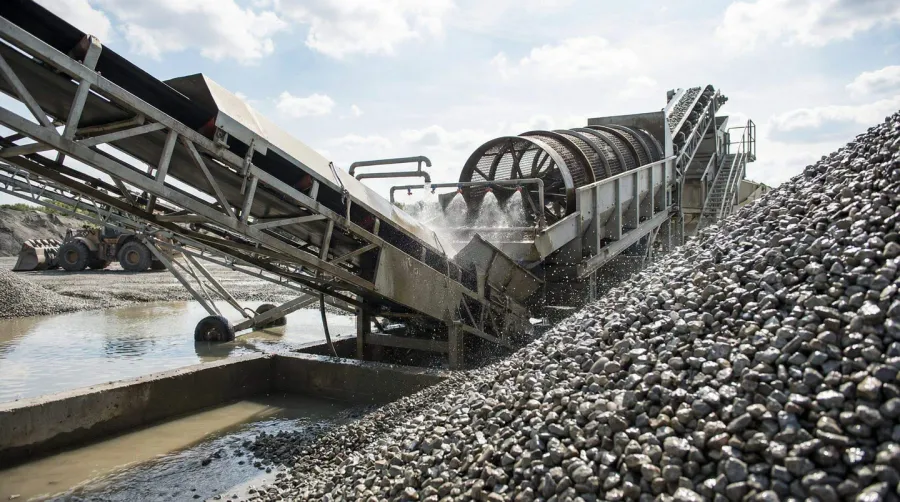
Washed gravel undergoes a thorough cleaning process that removes dust, dirt, and fine particles. This washing typically involves water agitation and specialized equipment to separate unwanted materials from the gravel particles.
The production process starts with raw gravel extraction from quarries or pits. The material then moves to processing plants where high-pressure water systems and rotating drums clean each stone. Some facilities use additional screening to ensure uniform sizing after washing.
This cleaning process creates several advantages for construction and landscaping projects. Washed gravel provides better compaction because clean stones interlock more effectively. The removal of fine particles also improves drainage and reduces dust during installation and use.
However, the additional processing increases costs compared to unwashed alternatives. The washing process can also slightly reduce stone sizes, which may affect specific project requirements that need precise measurements.
Exploring pea gravel characteristics
Pea gravel gets its name from its small, rounded shape that resembles garden peas. These stones typically measure around 3/8 inch in diameter and feature smooth surfaces created by natural tumbling action in water environments.
The formation process gives pea gravel its distinctive appearance and texture. Continuous water movement over time rounds the edges and creates the smooth surface that makes this material popular for decorative applications. Natural colors range from earth tones to more vibrant hues depending on the source rock. For those interested in specific color options, gray pea gravel for landscaping offers a versatile neutral tone that complements many design styles.
Installation Tip: Pea gravel works best when installed over landscape fabric to prevent weeds while maintaining excellent drainage for garden beds and pathways.
Pea gravel offers excellent drainage properties due to the spaces between individual stones. This makes it ideal for areas where water management is important, such as around foundations or in rain gardens. If you’re wondering about how well pea gravel drains, the answer is that its rounded shape and uniform sizing create optimal water flow.
The main limitations include reduced stability under heavy loads and difficulty walking on for some people. The rounded shape prevents stones from locking together as effectively as angular gravel, making it less suitable for high-traffic areas or load-bearing applications.
Key differences and project applications
| Feature | Washed Gravel | Pea Gravel |
|---|---|---|
| Size Range | 1/4″ to 2″ | 3/8″ typical |
| Shape | Angular to rounded | Rounded |
| Cost | Higher | Lower |
| Stability | Excellent | Moderate |
The size difference significantly impacts how each material performs in various applications. Washed gravel’s larger size range and cleaner surface provide superior stability for driveways and high-traffic areas. The angular edges help stones lock together, creating a more solid surface.
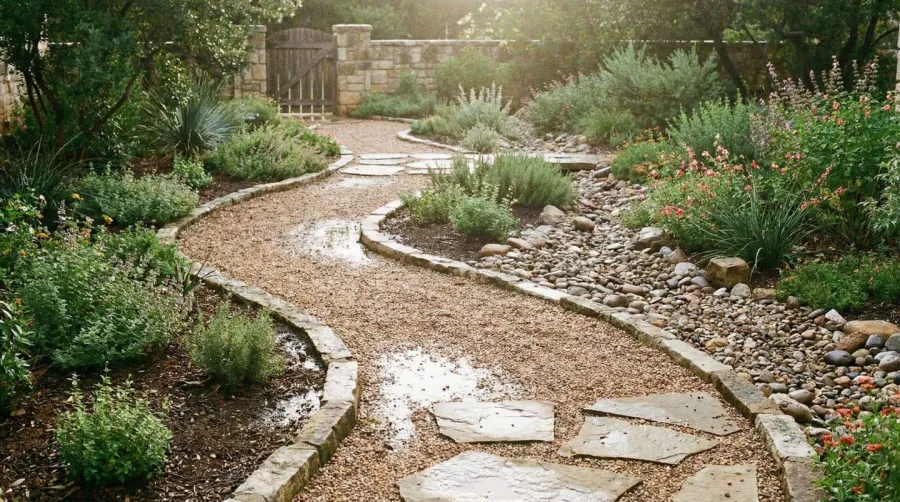
Pea gravel excels in decorative applications where aesthetics matter more than load-bearing capacity. Its uniform size and natural colors make it perfect for garden pathways, decorative borders, and areas around water features. The smaller stones also work well for filling gaps in larger stone installations.
Cost considerations extend beyond initial material prices. Washed gravel may cost more upfront but often requires less maintenance over time due to its stability. Pea gravel’s lower initial cost can be offset by more frequent maintenance needs in high-use areas.
Project suitability depends on your specific needs and priorities. Choose washed gravel for driveways, parking areas, or anywhere you need maximum stability and durability. Pea gravel works better for decorative landscaping, drainage solutions, or areas where you want a softer, more natural appearance. When comparing pea gravel versus crushed gravel, consider that crushed gravel shares some characteristics with washed gravel in terms of angular edges and compaction ability.
Project Planning: Consider your local climate when choosing gravel types. Areas with freeze-thaw cycles benefit from washed gravel’s superior compaction, while regions with heavy rainfall may prefer pea gravel’s drainage properties.
Both materials serve important roles in construction and landscaping projects. Understanding their unique characteristics helps you match the right gravel type to your specific application, ensuring better performance and longer-lasting results. For those exploring alternative ground covers, you might also consider pea gravel as a landscaping mulch alternative. Whether you prioritize stability, aesthetics, or cost-effectiveness, one of these options will meet your project needs perfectly.
FAQ
What is the difference between washed gravel and pea gravel?
Washed gravel is processed to remove dust and debris, creating angular stones ranging from 1/4″ to 2″ that interlock for superior stability. Pea gravel consists of small, rounded stones typically 3/8″ in diameter that provide excellent drainage but less stability. Washed gravel costs 15-25% more due to the cleaning process but offers better compaction for high-traffic areas.
Is pea gravel good for drainage projects?
Yes, pea gravel excels in drainage applications due to its rounded shape creating optimal spaces between stones for water flow. It’s ideal for French drains, foundation drainage, rain gardens, and areas where water management is important. The uniform 3/8″ size and smooth surfaces prevent clogging while maintaining excellent permeability.
Which gravel type is better for driveways?
Washed gravel is better for driveways due to its angular edges that lock together, providing superior stability and compaction under vehicle weight. While pea gravel can be used as a decorative top layer with proper edging, its rounded shape makes it less stable for high-traffic areas and can shift under heavy loads.
What are the main disadvantages of pea gravel?
Pea gravel’s main disadvantages include reduced stability under heavy loads due to its rounded shape, difficulty walking on for some people, and tendency to shift without proper edging. It also requires more frequent maintenance in high-use areas and can be challenging for wheelchairs or strollers to navigate compared to more stable angular gravels.