
The Essential Guide to Sand, Rock, and Gravel Benefits and Uses

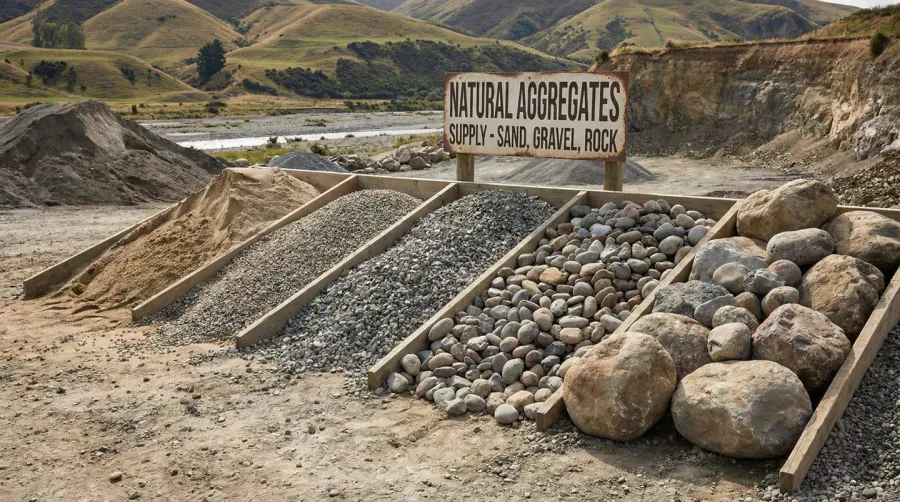
Sand, rock, and gravel form the foundation of modern construction and landscaping projects worldwide. These natural aggregates serve critical roles from filtering water in environmental systems to providing structural strength in concrete. Whether you’re planning a construction project or designing a landscape, understanding these materials helps you make informed decisions that save time and money.
Did you know? Sand acts as a natural water filter, removing impurities and contaminants as water passes through its layers, making it essential for both environmental protection and industrial filtration systems.
These three materials differ significantly in size and formation. Sand particles measure less than 2 millimeters, while gravel ranges from 2 millimeters to several centimeters. Rock encompasses everything from small pebbles to massive boulders, each formed through unique geological processes over millions of years.
Understanding the formation and characteristics of these materials
The formation of sand, rock, and gravel involves fascinating geological processes that span thousands of years. Sand develops primarily through weathering and erosion, where larger rocks break down into smaller particles through exposure to wind, water, and temperature changes. This natural breakdown creates the fine granular material we recognize as sand.
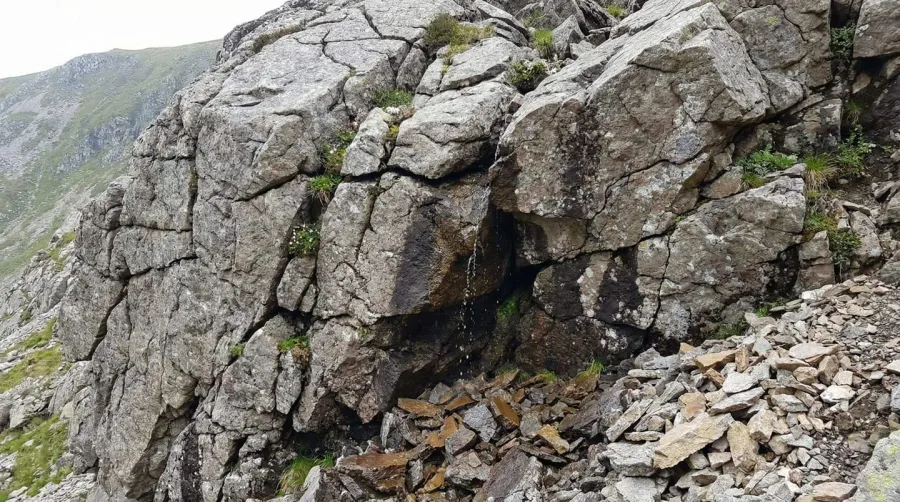
Rock formation occurs through three main processes. Igneous rocks form when molten magma cools and solidifies, either underground creating intrusive rocks like granite, or on the surface producing extrusive rocks like basalt. Sedimentary rocks develop when particles accumulate and compress over time, often containing fossils that provide insights into Earth’s history. Metamorphic rocks result from existing rocks undergoing intense heat and pressure, causing their minerals to recrystallize into new formations.
Gravel typically forms through similar weathering processes as sand but maintains larger particle sizes. You’ll find gravel deposits in riverbeds, beaches, and areas where water has played a significant role in transportation and sorting. The constant movement of water naturally rounds these particles, creating the smooth stones commonly used in landscaping and construction applications.
Construction applications that drive industry demand
Construction industries rely heavily on these materials for fundamental building processes. Sand serves as a crucial component in concrete production, where it combines with cement, water, and larger aggregates to create the world’s most widely used building material. The fine particles fill spaces between larger materials, creating density and strength that supports massive structures.
In road construction, these materials work together in layered systems. Crushed rock provides the stable base layer that distributes vehicle loads, while sand fills gaps and creates smooth surfaces. Gravel serves as an intermediate layer, offering excellent drainage properties that prevent water damage and extend road lifespan. Understanding what type of gravel is best for road construction ensures optimal performance and longevity.
Construction fact: Concrete contains approximately 25-30% sand by volume, making it one of the most consumed natural resources globally after water.
Mortar production depends entirely on sand’s binding properties. When mixed with cement and water, sand creates the adhesive material that holds bricks and stones together in walls, foundations, and other masonry structures. The particle size and shape directly affect mortar strength and workability, making sand selection critical for construction success.
Environmental benefits that support ecosystem health
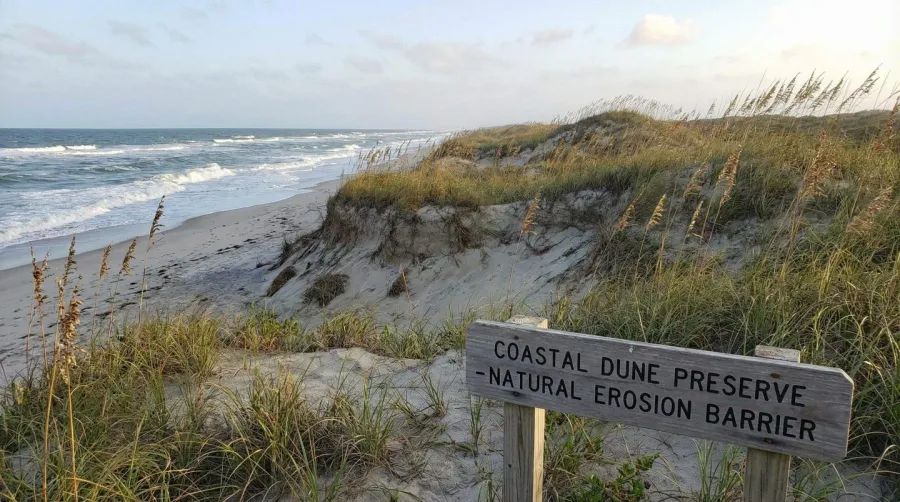
These materials provide essential environmental services that often go unnoticed. Sand dunes act as natural barriers against coastal erosion, protecting inland areas from storm surges and maintaining shoreline stability. These formations also create unique habitats supporting specialized plant and animal species adapted to sandy environments.
Water filtration represents one of sand’s most important environmental functions. As water moves through sand layers, particles and contaminants become trapped, naturally purifying the water supply. This process occurs in both natural settings and engineered systems, from groundwater aquifers to municipal water treatment facilities.
Gravel plays a crucial role in drainage systems, preventing waterlogging and reducing flood risks. Its permeable structure allows water to flow freely while providing structural support. This characteristic makes gravel essential for sustainable stormwater management in urban environments where natural drainage has been disrupted. For specific drainage applications, explore what type of gravel is best for drainage.
Practical applications across multiple industries
Beyond construction, these materials serve diverse industrial and commercial purposes. Glass manufacturing depends entirely on high-quality sand with specific silica content and particle uniformity. The sand must be free from impurities that could affect glass clarity or strength, making source selection critical for quality control.
Landscaping applications showcase the aesthetic and functional versatility of these materials. River rock creates attractive borders and decorative features while providing excellent drainage around plants and structures. Pea gravel works perfectly for pathways and play areas, offering a stable walking surface that drains well and requires minimal maintenance. Learn more about using pea gravel for various outdoor projects.
| Material | Primary Size Range | Common Applications | Key Benefits |
|---|---|---|---|
| Sand | Under 2mm | Concrete, mortar, filtration | Binding, filtering |
| Gravel | 2mm-75mm | Drainage, pathways, base layers | Permeability, stability |
| Rock | 75mm+ | Structural, decorative, aggregate | Strength, durability |
Foundry operations use specially prepared sand for metal casting molds. The sand’s ability to withstand extreme temperatures while maintaining shape makes it ideal for creating precise metal components. Abrasive blasting employs sand particles to clean surfaces and remove coatings, though environmental concerns have led to alternative materials in many applications.
The economic impact of sand, rock, and gravel extraction supports countless jobs and local economies worldwide. However, sustainable extraction practices become increasingly important as demand grows. Responsible quarrying includes habitat restoration, water management, and community engagement to minimize environmental disruption while meeting material needs. Discover more about the quarrying process and its operations.
Understanding these materials empowers better decision-making for your projects. Whether selecting aggregates for a driveway, planning a garden drainage system, or specifying concrete mixes, knowing the properties and applications of sand, rock, and gravel ensures successful outcomes that stand the test of time. For comprehensive guidance on different types of gravel for construction, explore specialized resources that match your specific project needs.
FAQ
What is the difference between sand, rock, and gravel?
Sand consists of particles smaller than 2 millimeters formed through weathering and erosion processes. Gravel ranges from 2 millimeters to several centimeters and typically forms through similar weathering but maintains larger particle sizes. Rock encompasses everything from small pebbles to massive boulders, formed through igneous, sedimentary, or metamorphic geological processes over millions of years.
What are the main construction uses for sand, rock, and gravel?
Sand is crucial for concrete production and mortar, comprising 25-30% of concrete by volume. Rock provides stable base layers for roads and foundations, distributing loads effectively. Gravel serves as an intermediate layer in road construction, offering excellent drainage properties and preventing water damage while extending infrastructure lifespan.
How do these materials benefit the environment?
Sand acts as a natural water filter, removing impurities and contaminants as water passes through its layers. Sand dunes protect coastlines from erosion and storm surges while creating unique habitats. Gravel provides essential drainage in urban environments, preventing waterlogging and reducing flood risks through its permeable structure.
What are the industrial applications beyond construction?
High-quality sand with specific silica content is essential for glass manufacturing, requiring purity for clarity and strength. Foundry operations use specially prepared sand for metal casting molds that withstand extreme temperatures. In landscaping, river rock creates decorative features while pea gravel provides stable, well-draining pathways and play areas.