
South Carolina River Rock: Identification, Types, Geology & Landscaping Uses
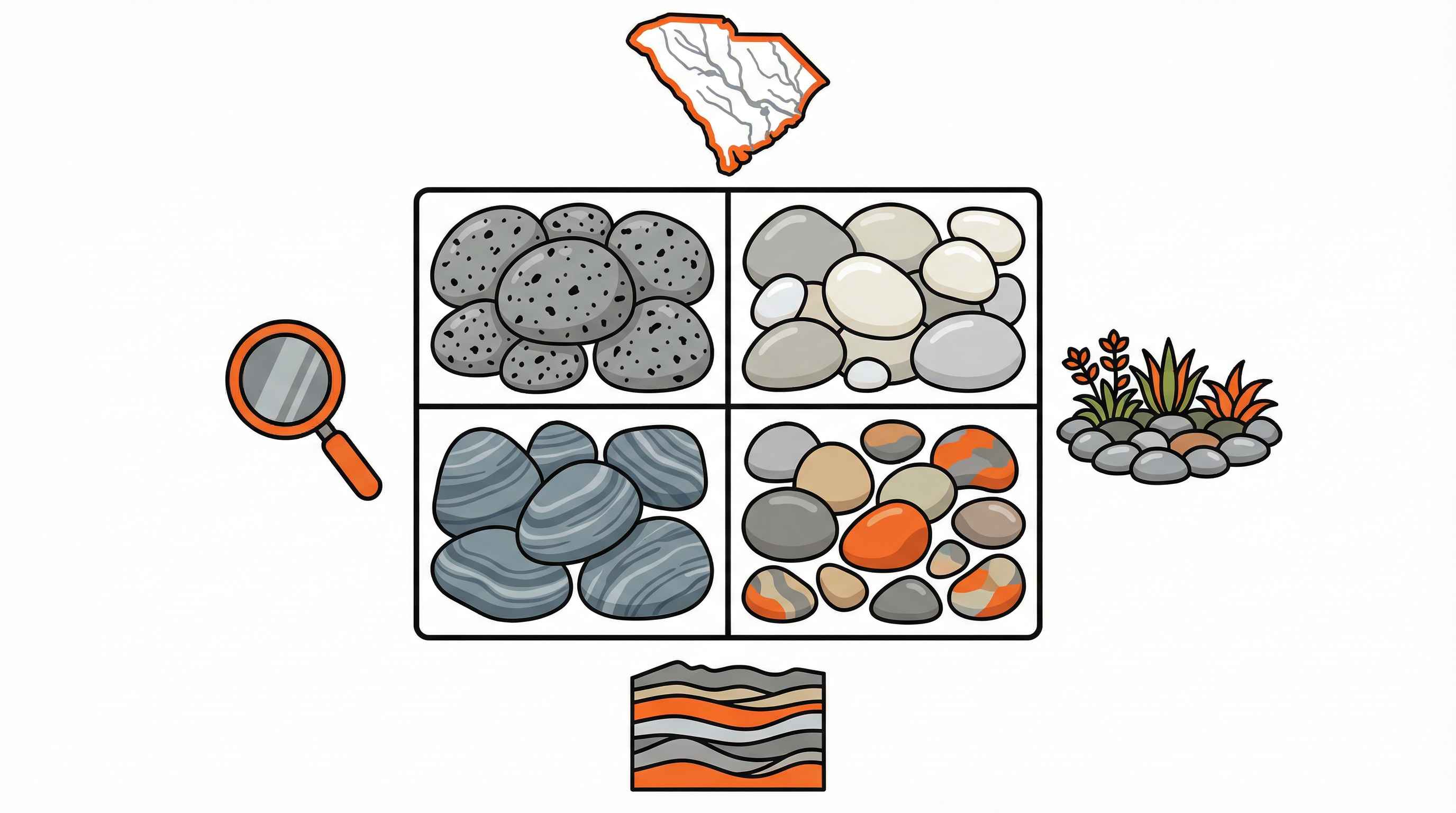
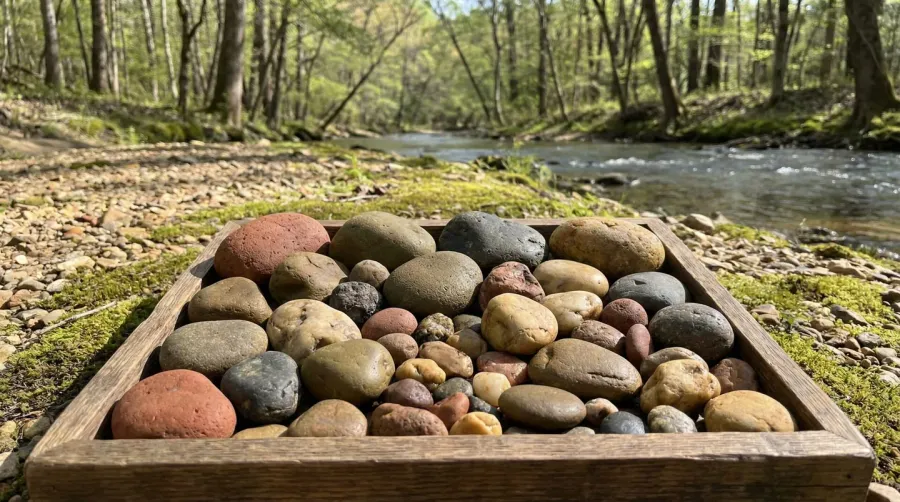
South Carolina river rock is smooth, rounded stone formed through centuries of water erosion in the state’s rivers and streams. These naturally polished stones feature distinctive compositions including quartz, feldspar, and mica, creating beautiful color variations from earthy browns to vibrant reds and subtle grays. You’ll find these versatile rocks throughout South Carolina’s waterways, particularly in areas influenced by the Carolina Slate Belt’s geological formations.
Quick fact: South Carolina river rock forms when flowing water continuously tumbles and smooths bedrock fragments, creating the characteristic rounded edges that make these stones perfect for landscaping projects.
Whether you’re planning a garden pathway, water feature, or erosion control project, understanding the unique characteristics of South Carolina river rock will help you make the best choice for your needs.
What makes South Carolina river rock unique
South Carolina river rock stands out from other aggregate materials due to its specific geological origins and physical properties. The constant movement of water in South Carolina’s rivers creates stones with exceptionally smooth surfaces and rounded edges that you won’t find in quarried materials.
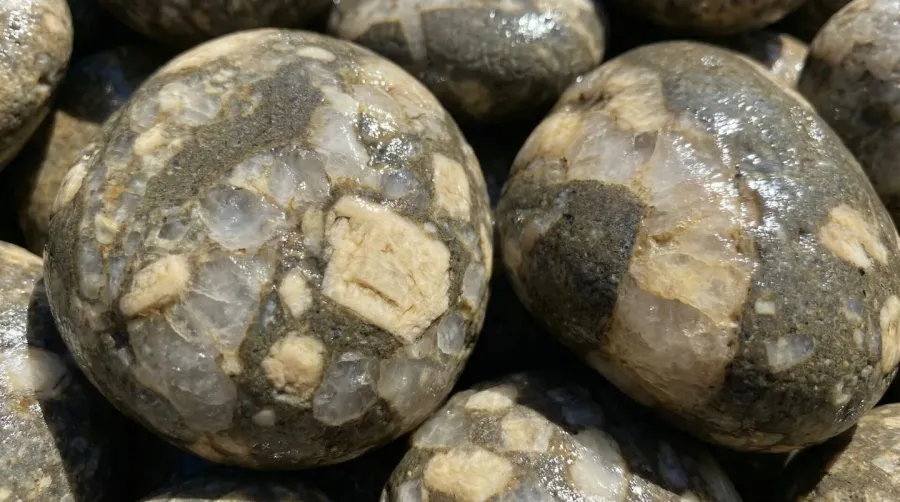
The rock’s composition reflects the diverse geology of South Carolina’s river systems. Most specimens contain quartz, which gives them durability and often creates subtle sparkles in sunlight. Feldspar contributes to the warmer color tones, while mica adds interesting textural elements. This mineral combination makes each stone unique in appearance.
You can identify authentic South Carolina river rock by its polished feel and lack of sharp edges. The stones typically range from 1 to 3 inches in diameter, though larger specimens exist. Their weight averages around 90 pounds per cubic foot, making them substantial enough for permanent landscaping applications. To learn more about understanding the different sizes of river rocks, you can explore how size variations affect different applications.
Geological formation and characteristics
The formation of South Carolina river rock begins with the weathering of bedrock in the state’s diverse geological regions. Water flowing through rivers and streams picks up rock fragments, carrying them downstream while continuously tumbling and abrading their surfaces.
This erosion process can take hundreds or thousands of years to create the smooth, rounded stones we recognize as river rock. The Carolina Slate Belt, which runs through central South Carolina, contributes significantly to the variety of river rocks found in the state’s waterways. Similar geological processes create distinctive regional variations, much like Tennessee river rock formations and Ohio river rock characteristics.
Key insight: The longer a rock travels in a river system, the smoother and more rounded it becomes, which is why South Carolina river rocks from major waterways often have the most desirable characteristics for landscaping.
Different river systems produce rocks with varying characteristics. Stones from faster-flowing mountain streams tend to be smaller and more uniformly rounded, while those from slower rivers may retain more of their original angular features. The mineral content of the surrounding bedrock directly influences the final color and composition of the river rock.
Types and color variations available
South Carolina river rock comes in several distinct color categories, each reflecting different mineral compositions and geological origins. Understanding these variations helps you select the right type for your specific project needs.
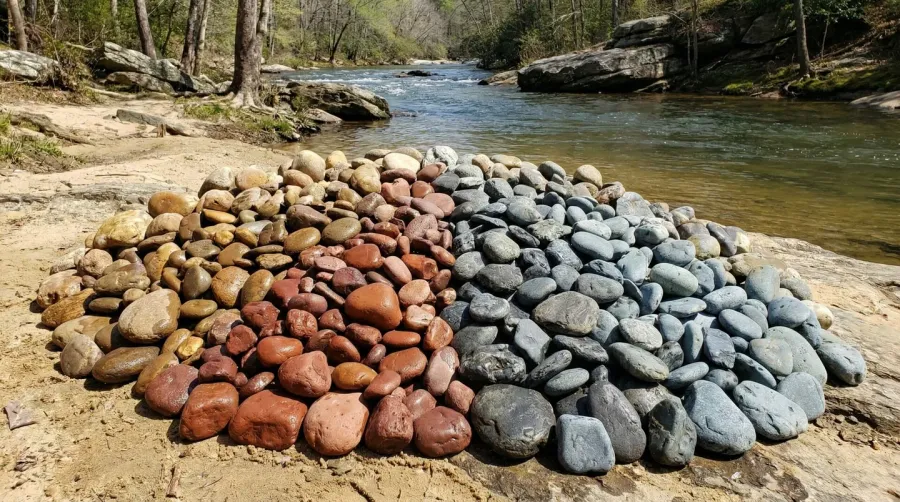
Earth tone varieties include browns, tans, and beiges that blend naturally with most landscape designs. These colors come from iron-rich minerals and weathered feldspar, making them ideal for natural-looking pathways and garden borders.
Red and rust-colored stones get their vibrant hues from iron oxide deposits. These eye-catching rocks work well as accent pieces or in areas where you want to create visual interest and contrast with green vegetation.
Gray and blue-gray specimens often contain higher quartz content, giving them a more neutral appearance that complements modern landscape designs. These stones maintain their color well over time and resist fading from sun exposure. For those interested in this particular color palette, blue gray river rock offers exceptional versatility for contemporary landscaping projects.
Mixed color blends combine stones from different sources, creating varied palettes that add visual depth to large installations. This option works particularly well for extensive pathways or ground cover applications.
Practical uses in landscaping and construction
South Carolina river rock serves multiple functions in both residential and commercial landscaping projects. Its natural appearance and durability make it suitable for various applications where both aesthetics and performance matter.
Pathway and walkway construction represents one of the most popular uses. The smooth surface provides comfortable walking while the natural drainage between stones prevents water accumulation. Installation involves creating a stable base and allowing for proper drainage underneath. When planning your project, consulting a comprehensive guide to river rock sizes for landscaping will help you select the appropriate stone dimensions.
Water feature integration takes advantage of river rock’s natural association with aquatic environments. The stones work well around ponds, fountains, and dry creek beds, creating authentic-looking water features that blend seamlessly with natural landscapes.
Pro tip: When using river rock as mulch around plants, apply a 2-3 inch layer to retain soil moisture while allowing proper air circulation to plant roots.
Erosion control applications utilize the rock’s weight and interlocking properties to stabilize slopes and prevent soil washout. This function proves especially valuable in areas with heavy rainfall or steep terrain where traditional mulch might wash away.
The stones also serve as decorative ground cover in areas where grass won’t grow well, such as under trees or in heavily shaded locations. Their natural appearance maintains visual appeal year-round without requiring seasonal replacement.
| Application | Stone Size | Coverage Rate | Installation Depth |
|---|---|---|---|
| Pathways | 1-2 inches | 100 sq ft/ton | 2-3 inches |
| Mulch | 0.5-1 inch | 120 sq ft/ton | 2 inches |
| Water features | 2-4 inches | 80 sq ft/ton | 3-4 inches |
Understanding these practical applications helps you calculate material needs and plan installation requirements for your specific project. Each use requires different preparation methods and stone sizes to achieve optimal results. If you’re considering purchasing materials for a larger project, learning where to buy river rocks in bulk wholesale can help you find cost-effective suppliers.
South Carolina river rock offers a perfect combination of natural beauty, durability, and versatility for your landscaping and construction needs. Its unique geological formation creates stones that not only enhance visual appeal but also provide practical benefits like erosion control and drainage. When you choose authentic South Carolina river rock, you’re investing in a material that will maintain its appearance and functionality for years to come while supporting the natural ecosystem that created these remarkable stones.
FAQ
What types of rocks are found in South Carolina rivers?
South Carolina river rock primarily consists of metamorphic rocks like quartzites, schists, and gneisses from the Piedmont and Carolina Slate Belt regions. These rocks contain quartz, feldspar, and mica minerals that give them their distinctive colors ranging from earthy browns to vibrant reds and subtle grays. The constant water erosion smooths these fragments into the rounded, polished stones characteristic of South Carolina river rock.
How is South Carolina river rock formed?
South Carolina river rock forms through centuries of water erosion in the state’s rivers and streams. Flowing water continuously tumbles and smooths bedrock fragments, gradually wearing away sharp edges to create the characteristic rounded shapes. This process can take hundreds or thousands of years, with stones from faster-flowing mountain streams becoming smaller and more uniformly rounded than those from slower rivers.
What makes South Carolina river rock unique for landscaping?
South Carolina river rock stands out due to its exceptionally smooth surfaces, rounded edges, and unique mineral composition reflecting the state’s diverse geology. The stones typically range from 1 to 3 inches in diameter and weigh around 90 pounds per cubic foot, making them substantial enough for permanent landscaping applications. Their natural polish and lack of sharp edges make them ideal for pathways, water features, and decorative ground cover.
What are the best uses for South Carolina river rock in landscaping projects?
South Carolina river rock works excellently for pathway construction, water feature integration, erosion control, and decorative ground cover. For pathways, use 1-2 inch stones at 2-3 inches depth; for mulch applications, apply 0.5-1 inch stones in a 2-inch layer; and for water features, use 2-4 inch stones at 3-4 inches depth. The stones provide natural drainage, prevent soil washout, and maintain visual appeal year-round without requiring seasonal replacement.