
Slab on Fill Complete Guide to Using Fill Dirt for Concrete Foundations
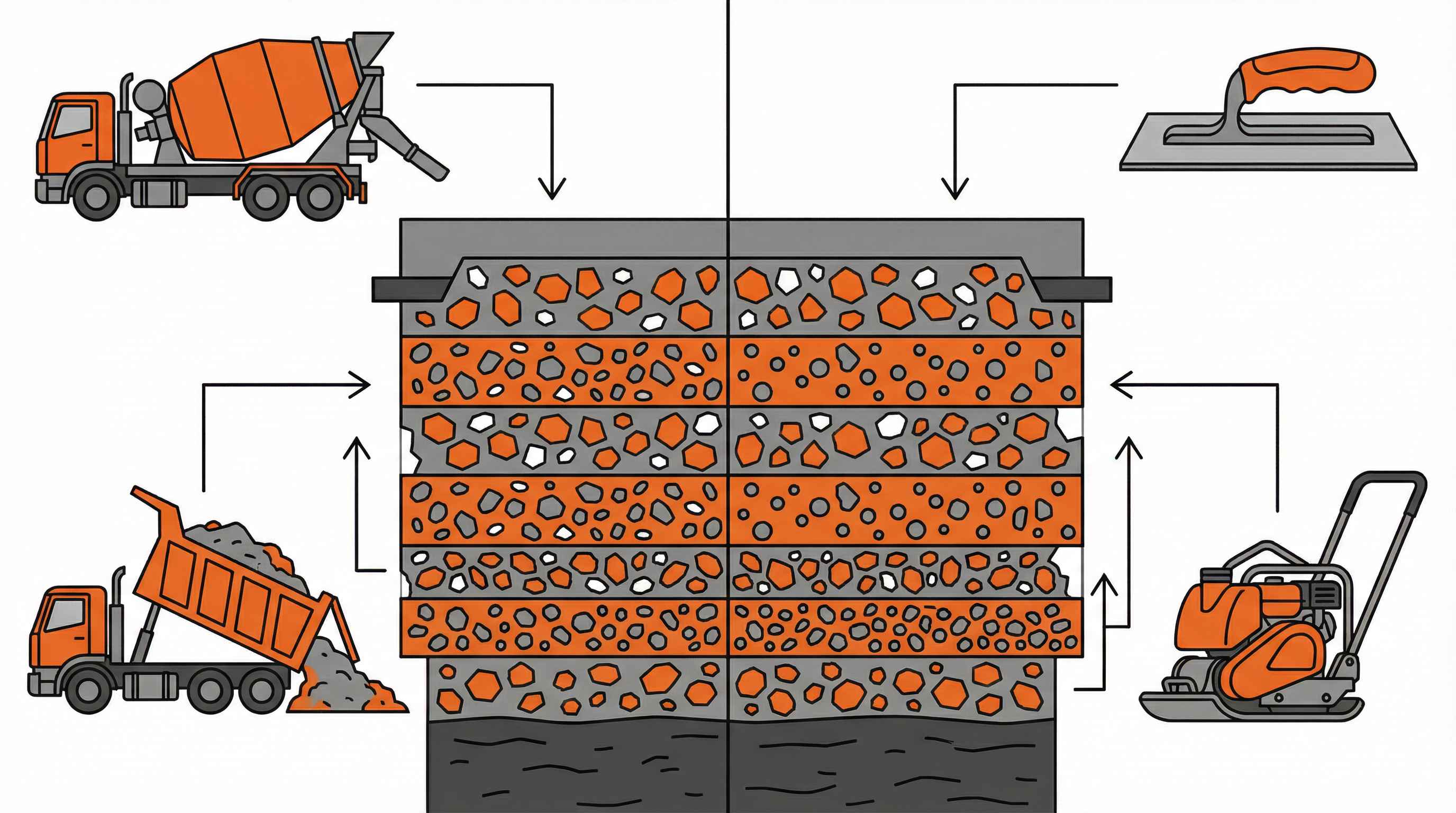
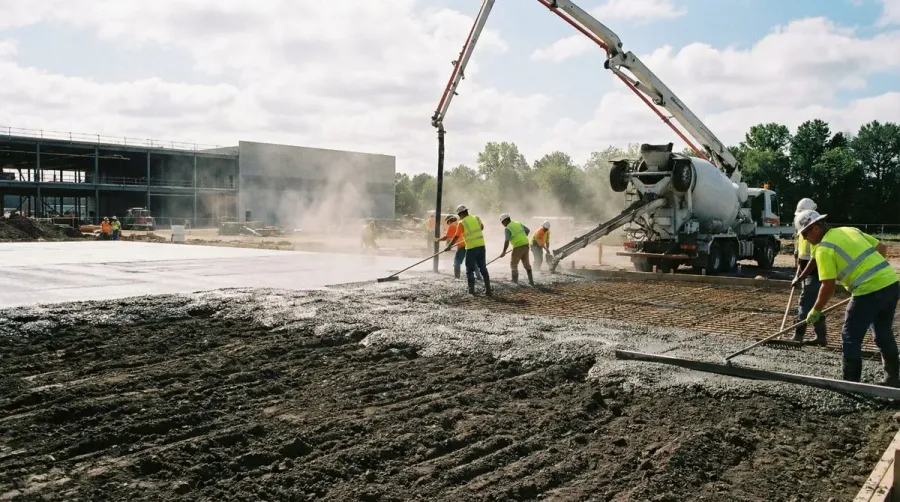
Building a concrete slab on fill dirt requires more than just pouring concrete over loose soil. You need the right materials, proper preparation, and careful attention to compaction to prevent costly cracks and settling issues down the road.
Quick Answer: Fill dirt serves as the stable foundation layer beneath concrete slabs, providing uniform support and preventing settling. The key is using clean, compactable fill dirt that’s properly layered and compacted before concrete placement.
Whether you’re planning a garage floor, patio, or driveway, understanding how fill dirt works with concrete slabs will save you time, money, and frustration. This guide walks you through everything from material selection to final placement.
Understanding fill dirt for concrete applications
Fill dirt differs significantly from regular topsoil in ways that matter for concrete work. While topsoil contains organic matter that decomposes over time, fill dirt consists primarily of clay, sand, and silt with minimal organic content. This composition makes it far more stable as a foundation material.
The absence of organic matter prevents the shifting and settling that can cause concrete slabs to crack or become uneven. According to concretenetwork.com, proper subgrade support is critical because concrete slabs on grade are not designed to be self-supporting.
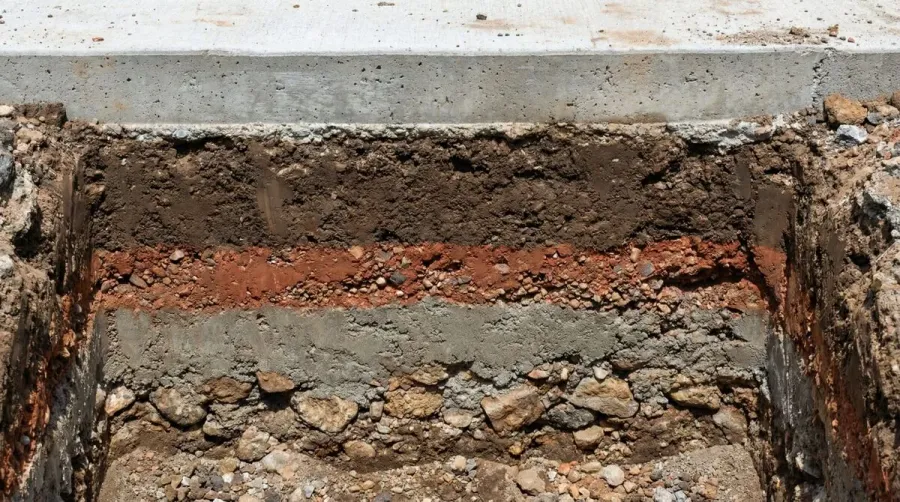
When you’re building a slab on fill, you’re essentially creating a soil support system. The fill dirt acts as your subgrade, providing the stable platform your concrete needs. Different compositions of clay, sand, and silt offer varying benefits. Heavy clay compacts well but may have drainage issues, while sandy fill drains better but requires more careful compaction.
Pro Tip: Test your fill dirt’s moisture content by squeezing a handful. If it holds shape but breaks into pieces when dropped, the moisture level is ideal for compaction.
Choosing the right fill dirt for your slab
Not every fill dirt works equally well for concrete foundations. You want material that compacts uniformly, drains adequately, and remains stable over time. The best fill dirt for slabs typically contains a balanced mix of clay and sand, avoiding extremes in either direction.
Clean fill dirt free from organic debris, rocks larger than three inches, and construction waste performs best. hellogravel.com emphasizes that organic matter can decompose and cause settling, making clean fill essential for long-term stability.
Consider your local soil conditions when selecting fill dirt. In areas with expansive clay soils, you might need fill dirt with better drainage properties. In sandy regions, fill dirt with clay can improve compaction. The goal is creating a stable, uniform base that won’t shift as moisture levels change.
Quality suppliers test their fill dirt for composition and cleanliness. When sourcing material, ask about the clay-to-sand ratio and whether the dirt has been screened to remove debris. This information helps you select the most appropriate material for your specific project conditions.
Proper preparation and application techniques
Success with slab on fill projects starts with thorough site preparation. Remove all topsoil, vegetation, and organic matter from the area where your slab will sit. Even small amounts of organic material can create soft spots that lead to uneven settling.
Level the existing ground as much as possible before adding fill dirt. This creates a consistent starting point and helps you achieve uniform thickness across the entire area. Mark your desired final grade to guide the fill placement process.
Apply fill dirt in layers no thicker than six inches, compacting each layer before adding the next. This layered approach ensures thorough compaction throughout the entire depth. According to concretenetwork.com, proper compaction reduces settlement, increases bearing capacity, and prevents frost damage.
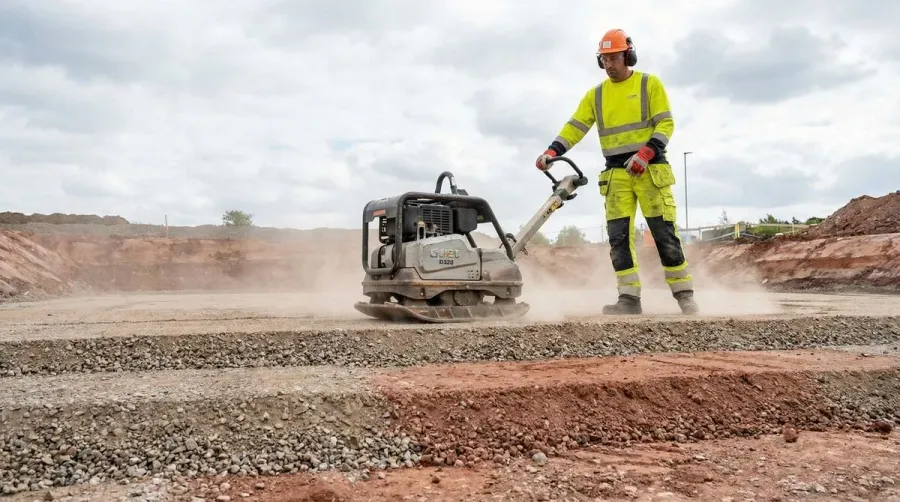
Use appropriate compaction equipment for your fill dirt type. Vibratory plate compactors work well for sandy fill, while rammers or jumping jacks better suit clay-heavy materials. The compacted surface should not rut more than half an inch when a loaded concrete truck drives across it.
Critical Step: Proof-roll the completed fill with a loaded truck before concrete placement. Any areas that sink or show pumping water need additional compaction or material.
Ensuring long-term stability and performance
Proper drainage around your slab on fill prevents water-related problems that can undermine your foundation. Grade the surrounding area to direct water away from the slab, and consider installing drainage systems if your site tends to collect water.
Moisture control extends beyond surface drainage. In areas with high groundwater or poor natural drainage, understanding the difference between fill dirt and gravel becomes important—a layer of gravel over the compacted fill dirt can act as a capillary break, preventing water from wicking up into the concrete.
Allow adequate curing time for your concrete after placement. The fill dirt provides support, but the concrete needs time to develop its full strength. Protect the fresh concrete from rapid moisture loss, especially in hot or windy conditions.
Monitor your completed slab for signs of settlement or cracking during the first year. Small amounts of settlement are normal, but significant movement indicates problems with the fill dirt preparation or drainage. Address issues promptly to prevent more extensive damage.
Regular maintenance includes keeping drainage systems clear and monitoring for any changes in the surrounding grade that might affect water flow. Well-prepared fill dirt should provide decades of stable support with minimal maintenance requirements.
The investment in proper fill dirt selection and preparation pays dividends in the long-term performance of your concrete slab. Taking time to do the foundation work correctly prevents costly repairs and ensures your project serves its intended purpose for years to come.
FAQ
Can you use native soil under a concrete slab?
Native soil can be used if it’s free-draining and stable, but expansive or organic soils risk cracking and settling. For reliability and long-term performance, it’s better to replace native soil with select fill dirt that’s been screened and tested for proper composition.
What is the best type of fill dirt for concrete slabs?
Clean fill dirt with a balanced mix of clay, sand, and silt works best for concrete slabs. The material should be free from organic matter, rocks larger than three inches, and construction debris. Avoid high-clay expansive soils that can shift with moisture changes.
How thick should fill dirt layers be under a concrete slab?
Apply fill dirt in layers no thicker than six inches, compacting each layer thoroughly before adding the next. This layered approach ensures proper compaction throughout the entire depth and prevents settling issues after the concrete is poured.
Does fill dirt need to be compacted under a concrete slab?
Yes, proper compaction is essential for fill dirt under concrete slabs. Use vibratory plate compactors for sandy fill or rammers for clay-heavy materials. The compacted surface should not rut more than half an inch when a loaded concrete truck drives across it.