
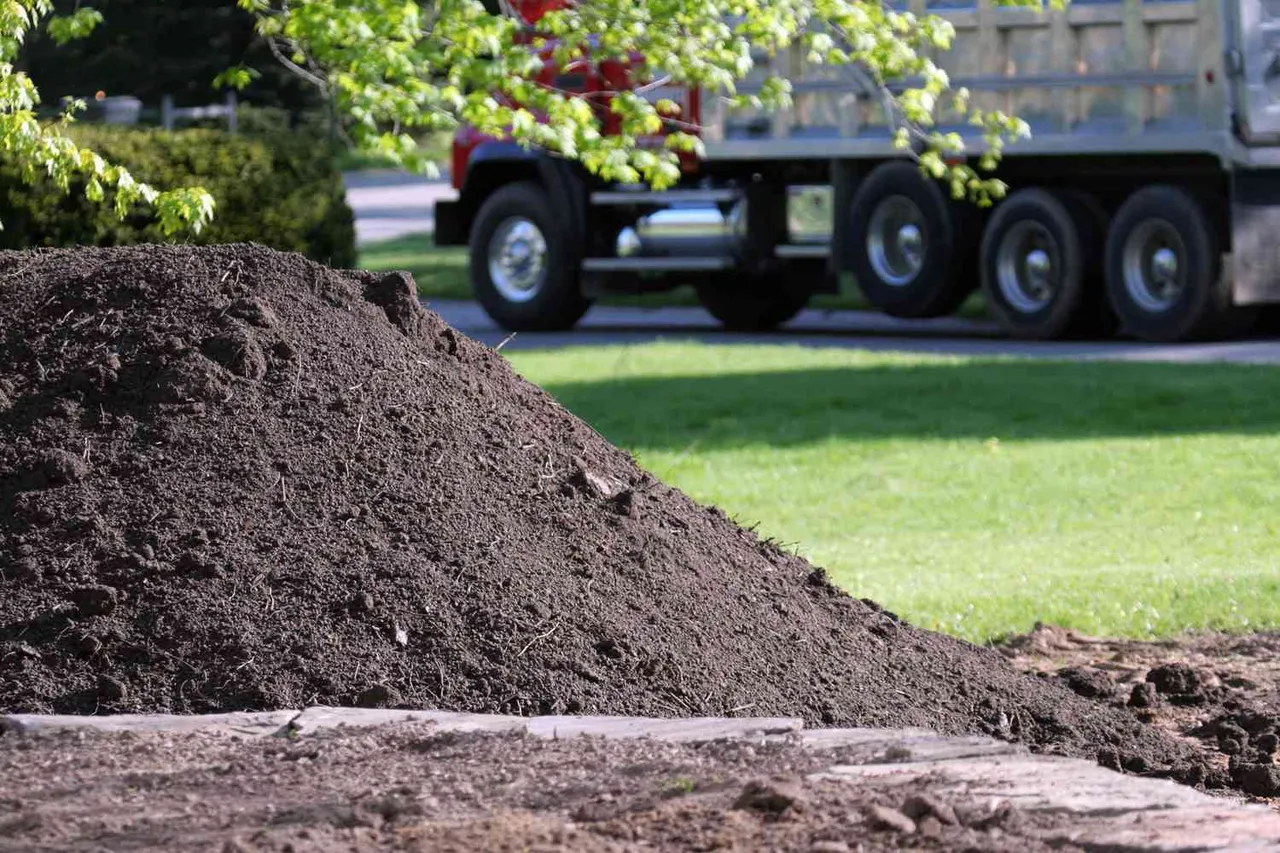
Fill Dirt in Philadelphia, PA
Need fill-dirt delivered in Philadelphia? Order bulk fill-dirt near you with same-day delivery. Compare prices on premium fill-dirt for your construction or landscaping project.
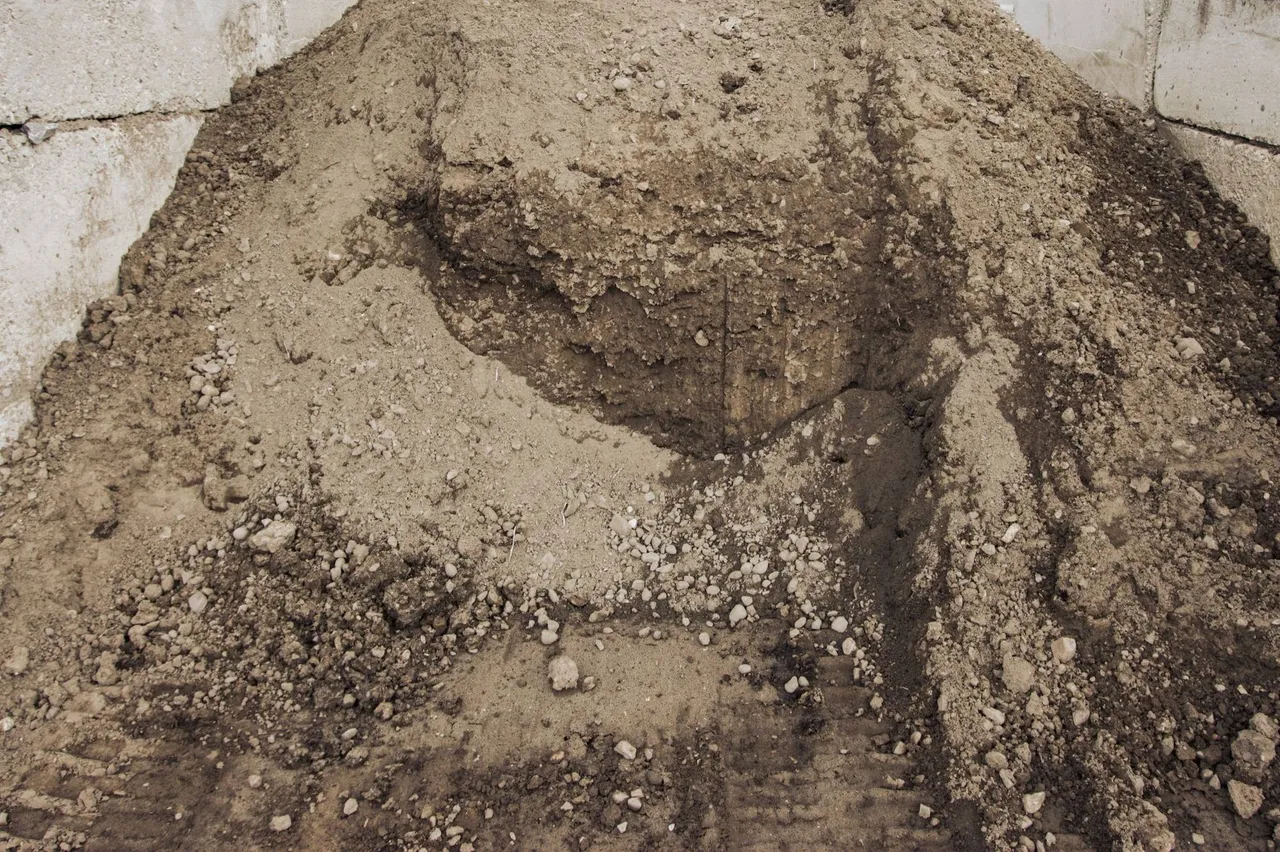
Fill Dirt
Clean, screened fill dirt for grading, leveling, and backfilling projects. Essential for raising elevation, filling holes, and preparing sites for construction.
What's your delivery ZIP code?
Related Materials Available in Philadelphia, PA
Fill-Dirt Built For Rainy Philly Yards • Fast Fill-Dirt Delivery Across Metro
Fill Dirt
Clean, screened fill dirt for grading, leveling, and backfilling projects. Essential for raising elevation, filling holes, and preparing sites for construction.
Starts at: $16.00
Material handoff
Want help with fill dirt delivery in Philadelphia?
Share your ZIP and what you need help with. We'll use this material and city page as context when we follow up.
- 1 This page gives us the fill dirt and Philadelphia context.
- 2 Ask about pricing, delivery timing, material choice, or quantity.
- 3 The material is preselected, but you can change it if the project shifted.
How It Works
How Hello Gravel Works?
Simple, fast, and reliable fill-dirt delivery in Philadelphia
Find Your Material
Browse our products or take our quiz to find the right material for your project.
Calculate Amount Needed
Use our calculator to determine quantity. Calculator found on any product page.
Schedule Delivery
Choose your preferred date and time frame. Place your order online. We will call to confirm within 24 hours.
Materials Delivered
We source materials locally through our trusted supplier network and deliver straight to your home or job site in Philadelphia.
Why Philadelphia Chooses Hello Gravel
Trusted by homeowners and contractors throughout Philadelphia
Reliable Local Delivery
On-time delivery from vetted local suppliers you can trust.
High Quality Standards
Materials are quality checked to ensure 100% satisfaction.
Local Support Team
We will be with you through delivery. Call us any time if you need to make any changes to your order.
Quick Turnaround
Next-day delivery available if ordered before noon CST. Most orders delivered within 2-4 business days.
Local Insights
What to know about Fill Dirt in Philadelphia
Why Philadelphia homeowners choose Hello Gravel
Philadelphia, with a city population of 1.1+ million and a metro area population of 2.6+ million, is a growing urban region that mixes dense neighborhoods, older rowhomes, and expanding suburban lots. The region’s steady growth rate of 1.75% annually and temperate climate (USDA hardiness zone 8b) drive ongoing residential and infrastructure projects. With 228 sunny days per year and 34.25 inches of annual rainfall, homeowners here face both heavy-use landscaping needs and regular wet-season runoff. That combination makes quality aggregates important: properly selected and compacted fill-dirt reduces settlement, supports hardscapes, and improves grading for drainage—helping projects last longer and perform better in Philadelphia’s varied urban soils. Fill-dirt is a practical choice for Philadelphia yards because it provides a stable, compactable base under topsoil, driveways, patios, and low retaining walls. In a climate with notable rain and sun, clean, low-organic fill-dirt helps prevent future erosion and uneven settling while supporting proper water flow away from foundations. Hello Gravel connects you to local suppliers who source regionally appropriate fill-dirt, offers clear pricing and scheduled dump-truck delivery (minimum orders apply), and helps you pick the right quantity and timing so your project stays on schedule and built on a dependable base.
Popular projects in Philadelphia this season
- Yard regrade fill-dirt - 20 tons
- Basement backfill fill-dirt - 50 tons
- Driveway subgrade fill-dirt - 30 tons
- Lot elevation fill-dirt - 150 tons
- Retaining wall backfill fill-dirt - 40 tons
Philadelphia quick facts
- Location
- Philadelphia-Camden, PA-NJ-DE-MD
- Population
- 1.1+ million
- Metro Area
- 2.6+ million
- Annual Rainfall
- 34.25 inches
- Sunny Days
- 228/year
- Hardiness Zone
- 8b
- Growth Rate
- 1.75% annually
- Delivery Coverage
- Citywide delivery available
Best times for Philadelphia projects
- Stable Fall Moisture
- High Moisture Risk
- Best Compaction Season
- Frozen Ground Limits
Material Calculator for Philadelphia Projects
Calibrated for desert landscaping and Philadelphia property sizes
Get started by entering your details below!
Quantity Recommendations
Orders Under 5 Tons - Add 20% extra to your estimated gravel needs.
5+ Ton Orders - Add around 10% to ensure enough additional material on hand.
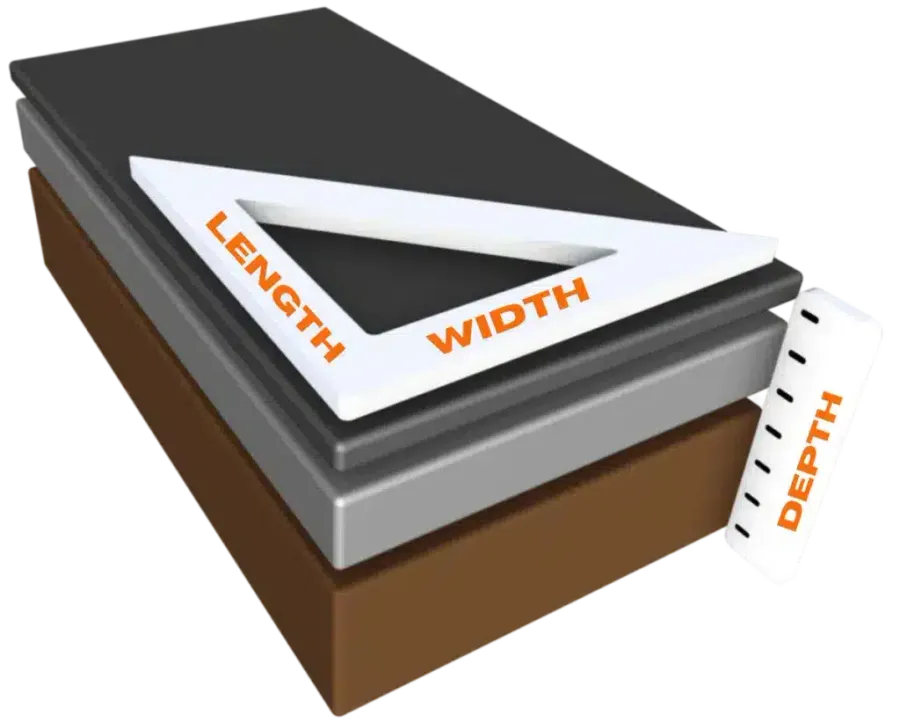
Want to ensure you order the right amount?
Get a callback from our specialist during business hours. Enter your details below!
Looking for Fill Dirt in Philadelphia?
Hello Gravel provides fill dirt for sale in bulk. Fill Dirt delivery included.
Frequently Asked Questions - Philadelphia Fill Dirt Delivery
Everything you need to know about fill dirt delivery in Philadelphia.
How much does fill-dirt cost in Philadelphia per cubic yard or per ton?
In the Philadelphia area, screened or clean fill-dirt generally runs about $10 to $35 per cubic yard, depending on quality and distance from the supplier. Convert to tons using roughly 1 cubic yard = 1.2-1.4 tons (typical average 1.3 tons), so expect about $8 to $27 per ton. Delivery, access, and whether the dirt is screened or has rocks/organic material will shift the price, so get a local quote for a precise total.
Which local suppliers or quarries deliver bulk fill-dirt around Philadelphia?
Fill-dirt for Philadelphia typically comes from regional quarries and landscape supply yards in Bucks, Montgomery, Chester counties and South Jersey pits that serve the metro area. Hello Gravel’s platform will match you with local suppliers that deliver to your zip code; we recommend checking availability on the site or calling our team so you get supplier details, lead times, and specific material descriptions for your neighborhood.
Do I need permits or follow DOT rules to bring large quantities of fill-dirt to a Philadelphia residential property?
Small residential deliveries usually do not require a special delivery permit, but if a truck will block the street, sidewalk, or require a closure, the City of Philadelphia may require a street use or lane closure permit through the Streets Department. Large grading changes, stormwater modifications, or extensive site work near public rights-of-way may trigger permits from the Department of Licenses and Inspections or PA DEP. Check with your local city office or a licensed contractor before ordering large volumes to confirm permit needs.
How do Philadelphia’s freeze-thaw cycles and groundwater affect fill-dirt performance?
Freeze-thaw cycles and areas with seasonal high groundwater in Philadelphia can cause settlement, frost heave, and poor load-bearing if unsuitable fill is used. Avoid organic or excessively wet fill-dirt, achieve proper compaction, slope for drainage, and consider a granular drainage layer or geotextile where groundwater is a concern. For driveways and structural backfill, use engineered or well-graded material and proper drainage to reduce long-term movement.
What gradations or mixes of fill-dirt are recommended for driveway base, foundation backfill, and yard grading in Philadelphia?
For yard grading, screened fill-dirt with low organic content is commonly used to raise grades and re-level lawns. For driveway bases and structural zones, contractors in Philly typically use well-graded granular fill or crusher-run followed by a compacted crushed stone base rather than loose fill-dirt alone. Foundation backfill usually requires clean, free-draining granular fill or engineered backfill per engineer specs—avoid loose, organic topsoil for structural areas and ask for material test or spec if it is for structural use.
What compaction rates and equipment do contractors use in Philadelphia, and how much does compaction add to cost?
Contractors typically target about 90% to 95% of standard Proctor density for fill-dirt compaction in the Philadelphia area. Equipment used ranges from plate compactors and jumping jacks for small or tight spots to vibratory rollers for larger areas. Adding professional compaction can raise a project cost by a few hundred to over a thousand dollars depending on size and accessibility; many contractors price compaction per hour for equipment plus labor or as a line item on a project quote.
How many tons or cubic yards of fill-dirt do I need per inch for a typical lot or driveway in Philadelphia?
Use this general formula: cubic yards = (area in square feet * depth in inches) / 324. As a rule of thumb, 1 inch of fill over 1,000 sq ft equals about 3.09 cubic yards (roughly 4.0 tons using 1.3 tons per cubic yard). Example: a 2-car driveway of 20 ft by 20 ft (400 sq ft) at 4 inches deep needs about (400*4)/324 = 4.94 cubic yards, or roughly 6.4 tons.
How do Philadelphia contractors typically price labor for spreading and compacting fill-dirt on projects like a 2-car driveway?
Contractors may charge by the hour for labor ($40 to $100 per worker per hour) plus equipment rental ($80 to $150 per hour for compactors or rollers), or offer a flat price per project. For a straightforward 2-car driveway, end-to-end spreading and compaction often falls in the $600 to $3,000 range depending on access, existing surface removal, drainage work, and required compaction standards. Always get multiple detailed quotes that separate material, delivery, machine time, and labor so you can compare apples to apples.
How long does delivery take and what are Hello Gravel’s minimums for fill-dirt in Philadelphia?
Hello Gravel typically offers standard delivery in 2 or more business days, with next-day delivery available for orders placed before noon CST for an extra fee. The platform minimum is 3 tons; deliveries are made by local dump truck fleets and tailgate spreading may be offered at the driver’s discretion. When ordering, provide access details and any special delivery notes so the carrier can plan safely for your Philadelphia street or property conditions.
Delivery Coverage by ZIP Code
Browse the list to confirm delivery availability
We Also Deliver To Nearby Cities
Need help with fill dirt delivery in Philadelphia?
Share your project details and we will use this material page as context when we follow up.
Get help with my project