
Road Bond Gravel Guide What It Is and When to Use It
Guide handoff
Want help applying this guide to your project?
Share your ZIP and what you need help with. We'll use this guide as context when we follow up.
- 1 This guide gives us the context you were reading.
- 2 Ask about pricing, material choice, delivery timing, or quantity.
- 3 Keep it broad if you are still figuring out the project.
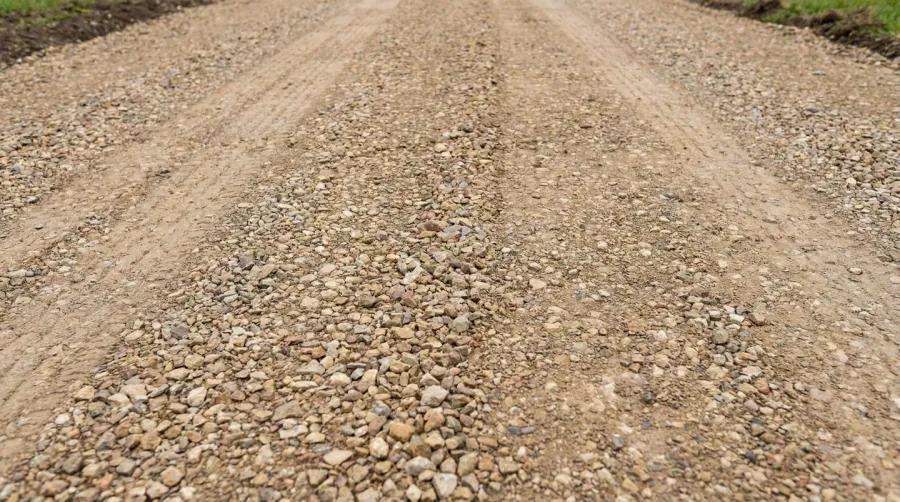
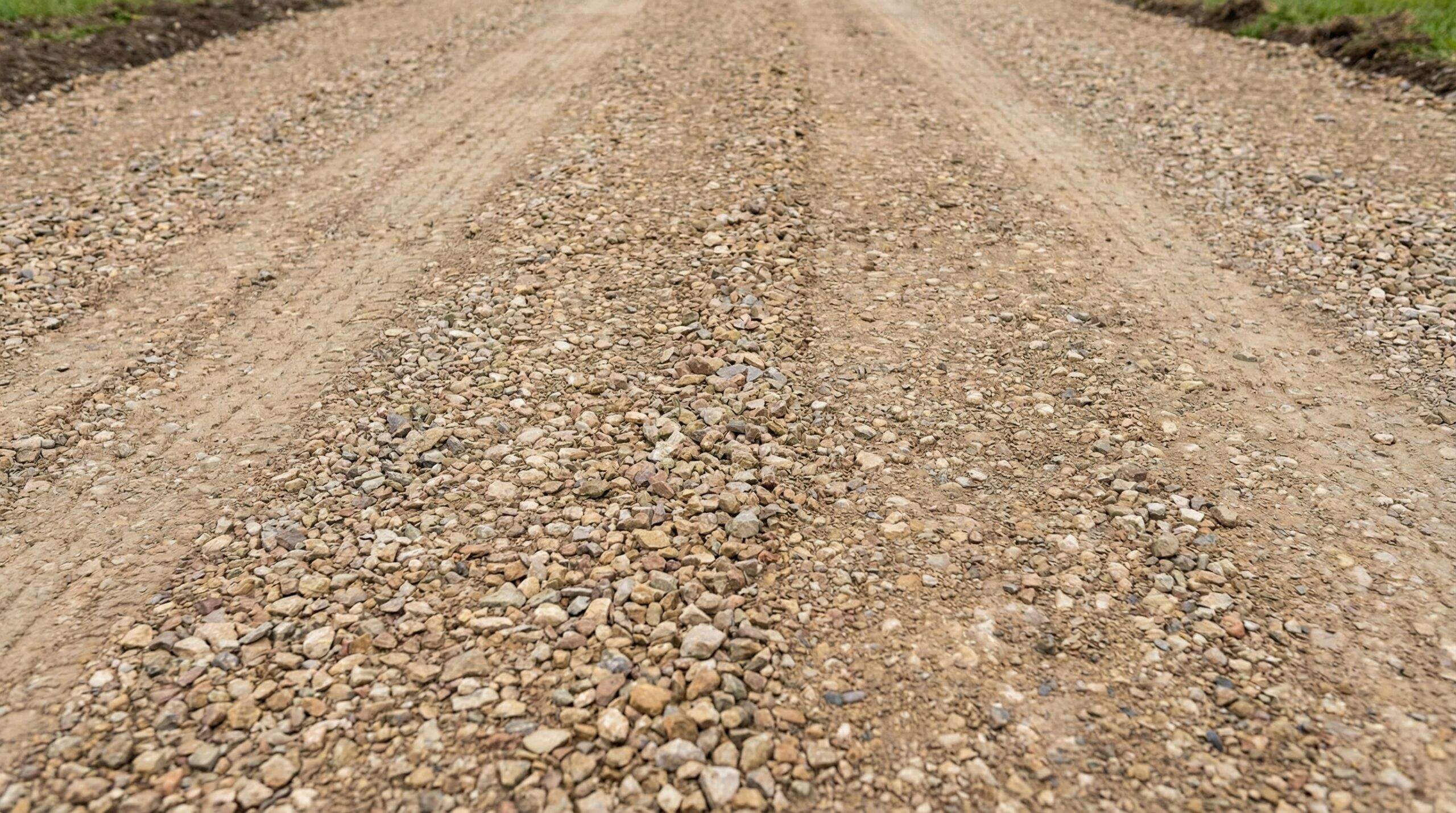
Road bond gravel is a specialized construction material that combines traditional gravel with adhesive binding agents to create exceptionally durable surfaces. Unlike regular gravel that can shift and erode over time, road bond gravel forms a stable, compacted layer that resists movement while maintaining excellent drainage properties.
Quick Answer: Road bond gravel is gravel treated with adhesive substances that bind particles together, creating surfaces that last 10-15 years with minimal maintenance compared to standard gravel options.
This enhanced material has become increasingly popular for driveways, parking lots, and road construction projects where durability and low maintenance are priorities. The binding process creates a surface that can handle heavy traffic loads while remaining cost-effective compared to asphalt or concrete alternatives.
What makes road bond gravel different
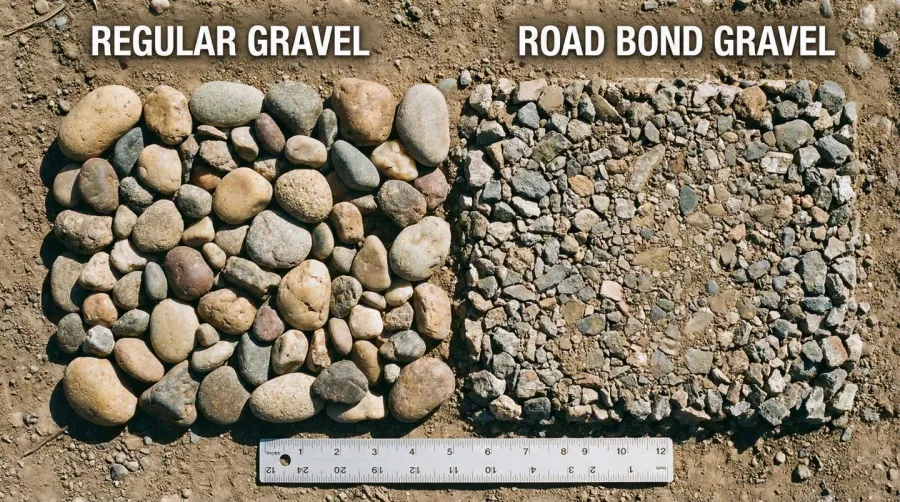
The key difference lies in the adhesive treatment process. Regular gravel consists of loose rock fragments that can easily shift under pressure or weather conditions. Road bond gravel undergoes a binding process where adhesive materials coat and connect individual particles, creating a unified surface that maintains its structure over time.
This binding process doesn’t eliminate the natural drainage benefits of gravel. Water can still flow through the material, preventing pooling and reducing flood risks. However, the adhesive prevents individual stones from washing away during heavy rainfall or separating under vehicle weight. For projects requiring enhanced water management, understanding drainage rock for driveways can complement your road bond gravel installation.
The composition typically includes various sizes of crushed stone, sand, and specialized binding agents. The exact mixture can be customized based on intended use, with heavier-duty applications receiving stronger adhesive treatments and different aggregate combinations. Similar to ABC gravel, road bond gravel utilizes a blend of different particle sizes to achieve optimal compaction.
Key benefits for your project
Road bond gravel offers several advantages that make it attractive for both residential and commercial applications. The enhanced stability means fewer repairs and less frequent maintenance compared to traditional gravel surfaces.Cost-effectiveness becomes apparent over time. While the initial investment may be higher than regular gravel, the reduced maintenance requirements and longer lifespan often result in lower total costs. You won’t need to rake, re-level, or add new material as frequently.
The environmental benefits are noteworthy as well. Maintenance typically involves simple sweeping or hosing rather than chemical treatments or heavy machinery operations. The natural materials used in production make it a more sustainable choice compared to synthetic alternatives.
Maintenance Tip: Road bond gravel surfaces typically require only annual sweeping and occasional spot repairs, compared to monthly maintenance needed for regular gravel driveways.
Weather resistance is another significant advantage. The bound surface handles freeze-thaw cycles better than loose gravel, and the drainage properties prevent ice formation and water damage that can affect other surface types.
Installation process and requirements
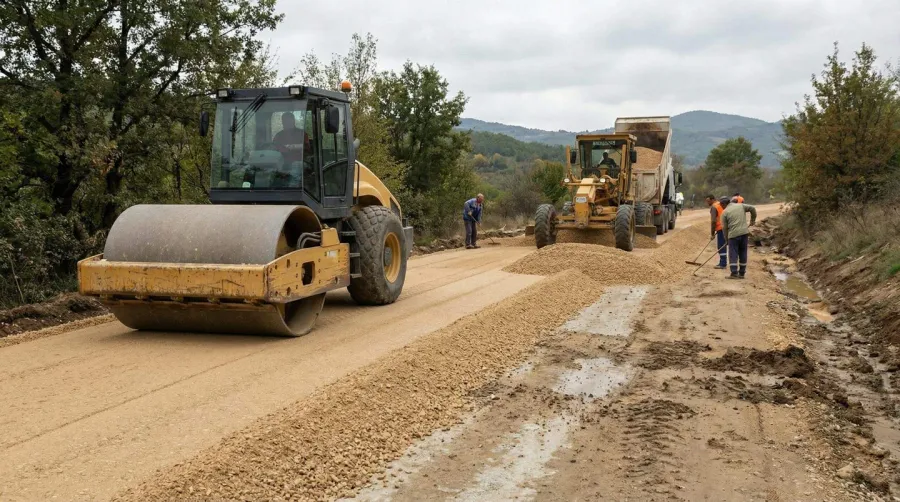
Proper installation is crucial for achieving the full benefits of road bond gravel. The process begins with site preparation, including excavation and grading to ensure proper drainage and a level foundation. This step determines the long-term performance of your surface.
A base layer of crushed stone is typically installed and compacted to create a stable foundation. Many contractors use aggregate base course materials to provide additional load-bearing capacity for the road bond gravel layer above. Understanding the difference between minus gravel vs. screened gravel can help you select the appropriate base material.The road bond gravel mixture is then applied and spread evenly across the prepared surface. Professional installation often involves specialized equipment to ensure proper mixing of the adhesive components and uniform application. The surface is then compacted using appropriate machinery.Curing time varies based on weather conditions and specific adhesive types used. During this period, the surface should be protected from heavy traffic to allow the binding agents to fully activate and create the desired stability.
Common applications and project types
Road construction and repair represent primary applications for road bond gravel. Its ability to create stable, long-lasting surfaces makes it valuable for both new construction and rehabilitation projects. Road shoulders and drainage areas particularly benefit from its erosion-resistant properties.
Residential driveways have become increasingly popular applications. Homeowners appreciate the balance between durability and natural appearance, especially compared to concrete or asphalt alternatives. The material works well for both straight driveways and curved or irregular layouts.
Commercial parking lots and industrial areas use road bond gravel for cost-effective surfacing that can handle regular truck traffic. The material’s ability to distribute loads evenly prevents the rutting and pothole formation common with other surface types.
Project Planning: Consider road bond gravel for areas expecting moderate to heavy traffic where traditional gravel would require frequent maintenance but full paving isn’t necessary.
Landscaping applications include pathways, garden borders, and erosion control on slopes. The natural appearance integrates well with outdoor environments while providing the stability needed for regular foot traffic. For specialized landscaping needs, explore options like washed aggregate or other specialty aggregates for gardening.
| Application | Traffic Level | Typical Lifespan | Maintenance Frequency |
|---|---|---|---|
| Residential Driveway | Light to Moderate | 12-15 years | Annual |
| Commercial Parking | Heavy | 8-12 years | Bi-annual |
| Walking Paths | Light | 15+ years | As needed |
The versatility of road bond gravel makes it suitable for various project scales, from small residential improvements to large commercial developments. Understanding your specific requirements helps determine whether this material aligns with your project goals and budget considerations.
Road bond gravel represents a practical middle ground between loose gravel and full paving options. Its combination of durability, cost-effectiveness, and environmental benefits makes it worth considering for projects where long-term performance and minimal maintenance are priorities. Working with experienced contractors ensures proper installation and maximizes the material’s potential benefits for your specific application.
FAQ
What is road bond gravel and how is it different from regular gravel?
Road bond gravel is gravel treated with adhesive binding agents or chemical stabilizers that bind particles together, creating a stable, compacted surface that resists movement. Unlike regular gravel that can shift and erode, road bond gravel forms a unified surface that maintains its structure over time while still providing excellent drainage properties. The binding process prevents individual stones from washing away during heavy rainfall or separating under vehicle weight.
How long does road bond gravel last and what maintenance is required?
Road bond gravel typically lasts 10-15 years with proper installation and minimal maintenance. For residential driveways, it requires only annual sweeping and occasional spot repairs, compared to monthly maintenance needed for regular gravel surfaces. Commercial applications may need bi-annual maintenance depending on traffic levels. The enhanced stability means fewer repairs and less frequent re-leveling compared to traditional gravel surfaces.
What are the main applications and benefits of road bond gravel?
Road bond gravel is commonly used for residential driveways, commercial parking lots, road construction, walking paths, and erosion control. Key benefits include superior durability against heavy traffic loads, excellent drainage to prevent water pooling, cost-effectiveness over time due to reduced maintenance, weather resistance through freeze-thaw cycles, and environmental advantages from using natural materials. It provides a practical middle ground between loose gravel and full paving options.
What is involved in the installation process of road bond gravel?
Installation begins with site preparation including excavation and grading for proper drainage. A base layer of crushed stone is installed and compacted to create a stable foundation. The road bond gravel mixture is then applied evenly and compacted using specialized equipment to ensure proper mixing of adhesive components. Curing time varies based on weather conditions, during which the surface should be protected from heavy traffic to allow binding agents to fully activate and create the desired stability.