
River Rock Sizes Chart: Complete Guide to Pea Gravel, 1″, 2″, 3″ for Landscaping and Drainage
Guide handoff
Want help applying this guide to your project?
Share your ZIP and what you need help with. We'll use this guide as context when we follow up.
- 1 This guide gives us the context you were reading.
- 2 Ask about pricing, material choice, delivery timing, or quantity.
- 3 Keep it broad if you are still figuring out the project.
Choosing the right river rock size can make or break your landscaping project. Whether you’re planning a garden pathway, installing drainage, or creating decorative features, the size you select directly impacts both function and appearance.
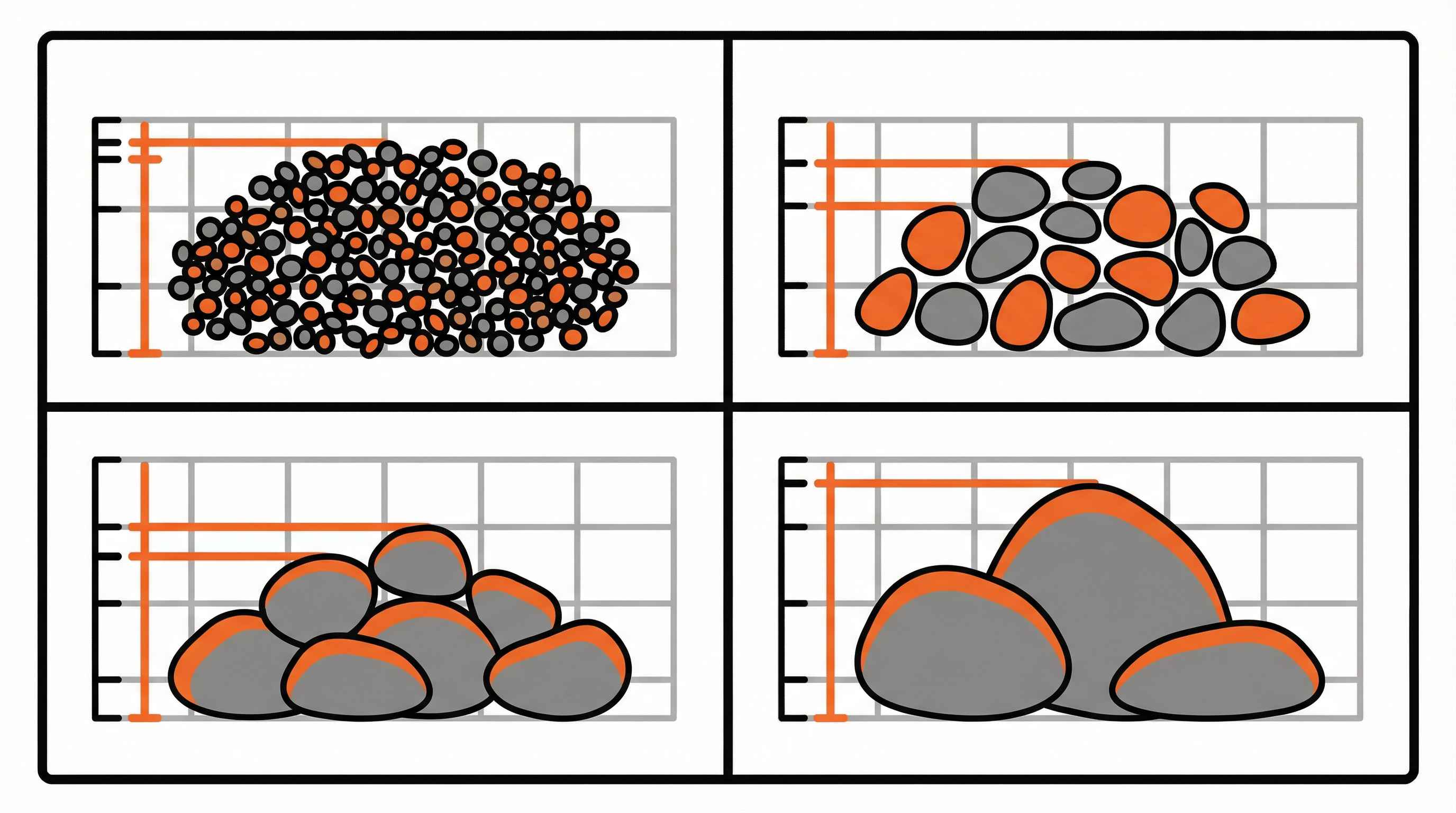
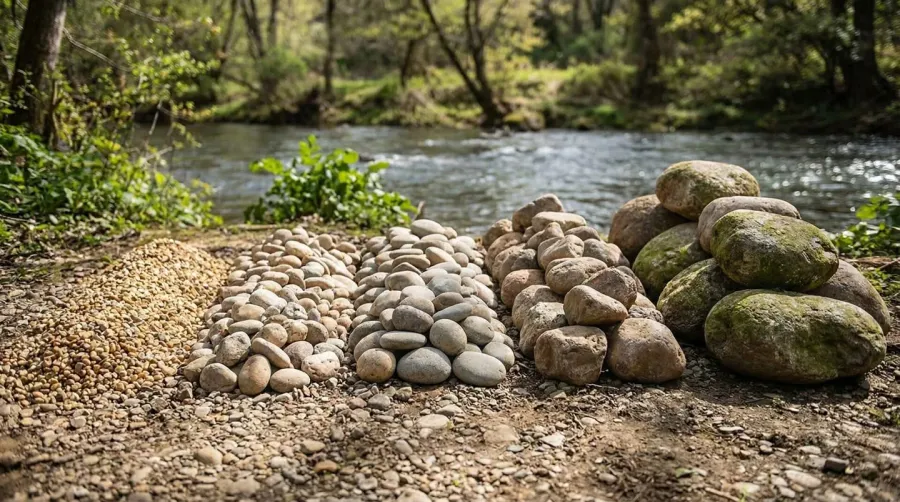
River rock comes in four main sizes: pea gravel (3/8″ to 5/8″), 1-inch, 2-inch, and 3-inch stones. Smaller sizes like pea gravel work best for walkways and ground cover, while larger 2-3 inch rocks excel in drainage applications and decorative features. The key is matching size to purpose.
Quick Tip: For most residential projects, 1-inch river rock offers the perfect balance of versatility, drainage, and visual appeal.
Let me walk you through each size and help you choose the right one for your specific project needs.
River rock sizes comparison chart
Understanding river rock sizes becomes much easier when you see them side by side. Each size serves different purposes in landscaping and construction projects.
| Size | Diameter | Best Uses | Key Benefits |
|---|---|---|---|
| Pea Gravel | 3/8″ – 5/8″ | Walkways, playgrounds, mulch | Comfortable underfoot, good drainage |
| 1-Inch | 3/4″ – 1.5″ | Driveways, borders, general landscaping | Versatile, stable, attractive |
| 2-Inch | 1.5″ – 2.5″ | French drains, dry creek beds | Excellent drainage, erosion control |
| 3-Inch | 2.5″ – 3.5″ | Water features, decorative accents | Bold visual impact, focal points |
The natural weathering process that creates river rock gives each stone its smooth, rounded edges. This happens over thousands of years as water constantly flows over the stones, gradually wearing away sharp edges and creating the polished appearance we see today.
When selecting your size, consider both the visual impact you want and the practical requirements of your project. Smaller stones create subtle textures, while larger ones make bold statements. For a deeper understanding of the various sizes of river rock available, you can explore comprehensive sizing options for different applications.
Best uses for each river rock size
Each river rock size has specific applications where it performs best. Understanding these applications helps you make the right choice for your project.
Pea gravel works wonderfully for areas with foot traffic. Its small size creates a comfortable walking surface that’s easy on bare feet, making it perfect for playground areas and garden paths. You’ll also find it excellent as decorative mulch around plants, where it helps retain moisture while allowing proper drainage.
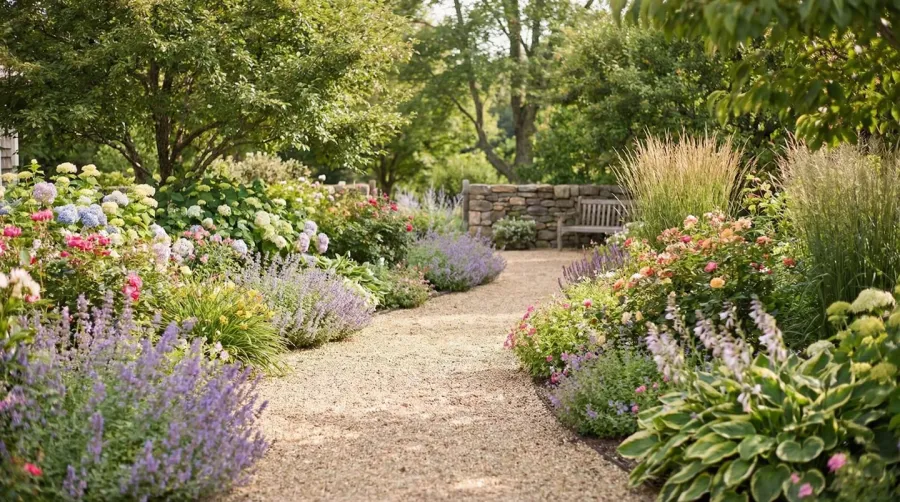
1-inch river rock offers the most versatility in residential projects. It’s substantial enough to stay in place during heavy rain, yet small enough to create smooth, attractive surfaces. This size works well for driveways that see light vehicle traffic, decorative borders around flower beds, and general landscaping applications. To learn more about river rock gravel options for your property, consider exploring different gravel types and their specific characteristics.
2-inch river rock excels in functional applications. The larger stones create excellent drainage, making this size ideal for French drains and areas prone to water accumulation. You’ll often see 2-inch rock used in dry creek beds and erosion control projects where water flow management is crucial.
Pro Insight: 2-inch river rock provides the optimal balance between drainage efficiency and visual appeal for most water management projects.
3-inch river rock serves primarily decorative purposes. These substantial stones create dramatic focal points in gardens and work beautifully around water features like ponds or fountains. Due to their weight and size, they’re not practical for walking surfaces but excel as landscape anchors.
Choosing the right size for your project
Your project type should guide your size selection more than personal preference. Different applications have specific requirements that certain sizes meet better than others.
For driveways and parking areas, consider the traffic they’ll receive. Light foot traffic works fine with pea gravel, but vehicle traffic requires 1-inch or larger stones. The weight of cars can push smaller stones around, creating uneven surfaces and requiring frequent maintenance.
Garden and landscaping projects offer more flexibility in size selection. Pea gravel creates subtle ground cover that doesn’t compete with plants for attention. 1-inch rock provides more visual texture while still allowing plants to be the main focus. Larger sizes work best as accent features rather than primary ground cover. For specific guidance on selecting river rock sizes for landscaping projects, you can find detailed recommendations for various landscape designs.
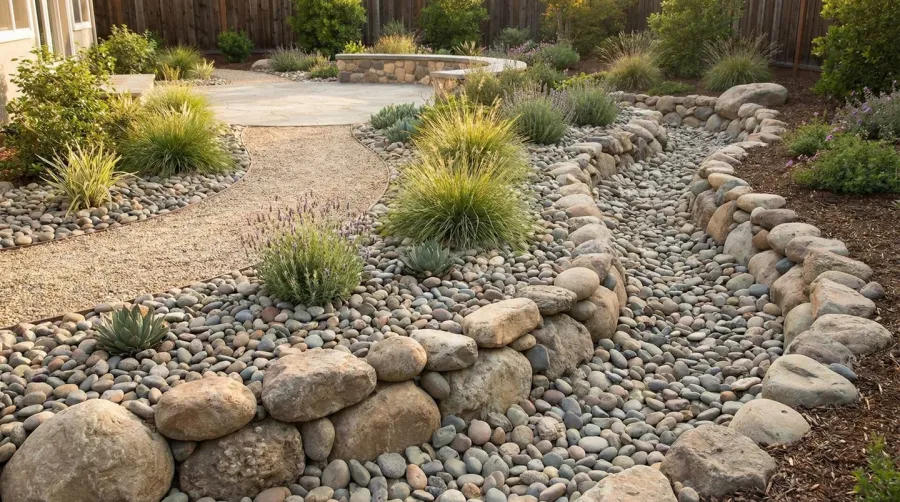
Drainage applications require careful size consideration. Smaller stones can become clogged with debris over time, reducing drainage effectiveness. 2-inch river rock typically provides the best long-term performance for French drains and similar applications, while 3-inch stones work well for areas needing maximum water flow.
Erosion control projects benefit from larger stones that won’t wash away during heavy rainfall. 2-inch and 3-inch river rock have the weight and stability needed to stay in place while allowing water to flow through rather than over the surface.
Calculating how much river rock you need
Getting the right quantity prevents both shortages and waste in your project. River rock is typically sold by the cubic yard or ton, so you’ll need to convert your area measurements.
Start by measuring your project area in square feet, then determine the desired depth. Most applications work well with 2-3 inches of depth, though drainage projects might need 4-6 inches.
Calculation Tip: For a 2-inch depth, multiply your square footage by 0.17 to get cubic yards needed. Add 10% extra for settling and future touch-ups.
River rock density varies by size, but generally runs about 1.3 tons per cubic yard. Smaller sizes like pea gravel pack more densely than larger stones, so you might need slightly more material for the same coverage area. Before making your purchase, it’s helpful to understand river rock prices and cost factors to budget appropriately for your project.
Consider access to your project site when ordering. Delivery trucks need adequate space to maneuver, and you’ll want the material placed as close to your work area as possible to minimize hauling by hand. If you’re planning a large project, knowing where to buy river rocks in bulk wholesale can help you save significantly on material costs.
Remember that river rock settles over time, especially in areas with foot or vehicle traffic. Ordering 10-15% extra material ensures you have enough for initial installation plus future maintenance needs.
Selecting the right river rock size transforms your landscaping project from ordinary to exceptional. Whether you choose versatile 1-inch rock for general use or dramatic 3-inch stones for focal points, matching size to purpose ensures both beauty and functionality. Take time to consider your specific needs, calculate quantities carefully, and don’t hesitate to mix sizes for added visual interest in larger projects.
FAQ
What are the standard river rock sizes available?
Standard river rock sizes include pea gravel (3/8″ to 5/8″), 1-inch (3/4″ to 1.5″), 2-inch (1.5″ to 2.5″), and 3-inch (2.5″ to 3.5″) stones. Each size serves specific purposes: pea gravel for walkways and ground cover, 1-inch for versatile landscaping applications, 2-inch for drainage and erosion control, and 3-inch for decorative water features and focal points.
What size river rock is best for drainage applications?
2-inch to 3-inch river rock works best for drainage applications like French drains and dry creek beds. These larger stones create optimal water flow through gaps while being heavy enough to resist washing away during heavy rainfall. Smaller stones can become clogged with debris over time, reducing drainage effectiveness.
How do I calculate how much river rock I need for my project?
Calculate your project area in square feet, then multiply by the desired depth. For a 2-inch depth, multiply your square footage by 0.17 to get cubic yards needed. Add 10-15% extra for settling and future touch-ups. River rock generally weighs about 1.3 tons per cubic yard, though smaller sizes like pea gravel pack more densely.
What size river rock should I use for walkways and pathways?
Pea gravel (3/8″ to 5/8″) is ideal for walkways and pathways because its small size creates a comfortable walking surface that’s easy on bare feet. For areas with heavier foot traffic or where you want more visual texture, 1-inch river rock also works well while still providing good stability and drainage.