
Quarry Process Driveways: Complete Guide to QP Gravel Installation and Costs
Guide handoff
Want help applying this guide to your project?
Share your ZIP and what you need help with. We'll use this guide as context when we follow up.
- 1 This guide gives us the context you were reading.
- 2 Ask about pricing, material choice, delivery timing, or quantity.
- 3 Keep it broad if you are still figuring out the project.
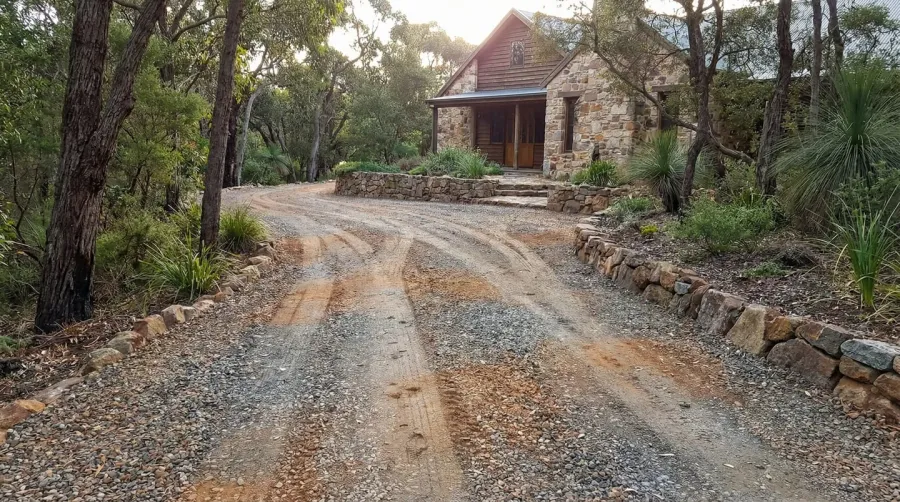
If you’re tired of dealing with muddy ruts, potholes, and washouts in your driveway, quarry process might be the solution you’ve been looking for. This blend of crushed stone and stone dust creates a compact, stable surface that handles vehicle traffic beautifully while staying budget-friendly.
Quarry process, also called QP or crusher run, combines different sized stones with fine dust that acts like cement when compacted. The result is a driveway surface that’s more stable than loose gravel but costs significantly less than asphalt or concrete. You’ll get excellent drainage, good traction in all weather, and a surface that can last decades with basic maintenance.
Quick Answer: Quarry process creates durable driveways by combining crushed stone (up to 3/4 inch) with stone dust that binds everything together when compacted. Expect to pay $1-3 per square foot for materials and enjoy 20+ years of service with occasional regrading.
In this guide, we’ll walk through everything you need to know about quarry process driveways, from understanding the material to planning your installation and keeping it looking great for years to come.
What makes quarry process different from regular gravel
Quarry process stands apart from typical driveway gravels because of its unique composition. While loose gravel like pea stone or river rock consists of uniform-sized stones that shift and migrate, QP contains a carefully engineered mix of stone sizes from fine dust up to about 3/4 inch pieces.
The magic happens with the stone dust component, which makes up roughly 10-15% of the mix. When you add water and compact the material, this fine dust fills all the voids between larger stones and creates an almost concrete-like bond. Think of it like making a puzzle where every piece fits perfectly together.
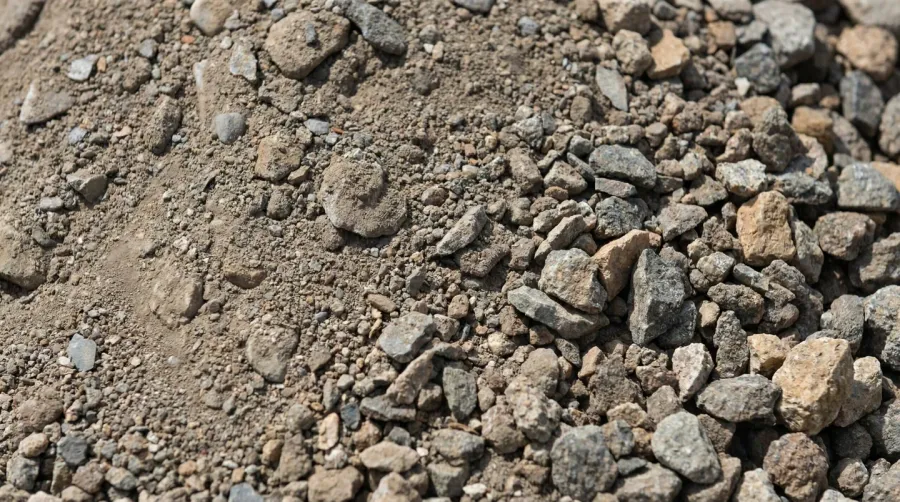
You might hear quarry process called by other names like crusher run, processed gravel, or simply QP stone. These all refer to the same basic concept of blended stone sizes that compact into a stable surface. The key difference from materials like #411 limestone or #57 stone is that higher percentage of binding fines that lock everything in place.
Why quarry process works so well for driveways
The biggest advantage of quarry process is how it handles the main problems that plague other driveway materials. Unlike loose gravel that scatters and creates ruts, QP stays put once properly compacted. Unlike concrete that cracks and requires expensive repairs, QP can be easily refreshed by adding new material and regrading.
You’ll appreciate the excellent drainage that prevents water from pooling and creating ice patches in winter. The rough texture provides good traction for vehicles, even when wet. And because the material flexes slightly with ground movement, you won’t see the cracking issues common with rigid surfaces.
| Material | Upfront Cost | Maintenance | Lifespan | Weather Performance |
|---|---|---|---|---|
| Quarry Process | Low | Moderate | 20+ years | Excellent |
| Loose Gravel | Low | High | 5-10 years | Poor |
| Asphalt | High | Low | 15-20 years | Good |
| Concrete | Very High | Very Low | 25+ years | Fair |
The cost factor often seals the deal for homeowners. You’re looking at roughly $1-3 per square foot for materials, compared to $3-7 for asphalt and $6-12 for concrete. For a typical 20×50 foot driveway, that’s a difference of thousands of dollars while still getting a surface that performs well for decades.
Pro Tip: QP driveways actually improve over time as traffic continues to compact the surface. The first year requires the most attention, but after that, maintenance becomes minimal.
Planning your quarry process driveway project
Before ordering materials, you’ll need to calculate how much quarry process your project requires. Measure your driveway’s length and width, then multiply to get square footage. For most residential driveways, plan on a 4-6 inch depth of QP over a properly prepared base.
Here’s a simple calculation: A 20×50 foot driveway at 4 inches deep needs about 12 cubic yards of material. Since quarry process weighs roughly 1.3 tons per cubic yard, you’d order about 15-16 tons. Always add 10% extra to account for compaction and future touch-ups.
Consider your site’s drainage needs during planning. QP driveways should slope away from buildings at about 2% grade (roughly 1/4 inch per foot). If you have poor soil or heavy clay, you might need a base layer of larger crushed stone before adding the QP surface.
Don’t forget about edging to keep your driveway materials in place. Simple treated lumber, concrete pavers, or even a shallow concrete curb can prevent the QP from gradually spreading into your lawn areas.
Installing your quarry process driveway step by step
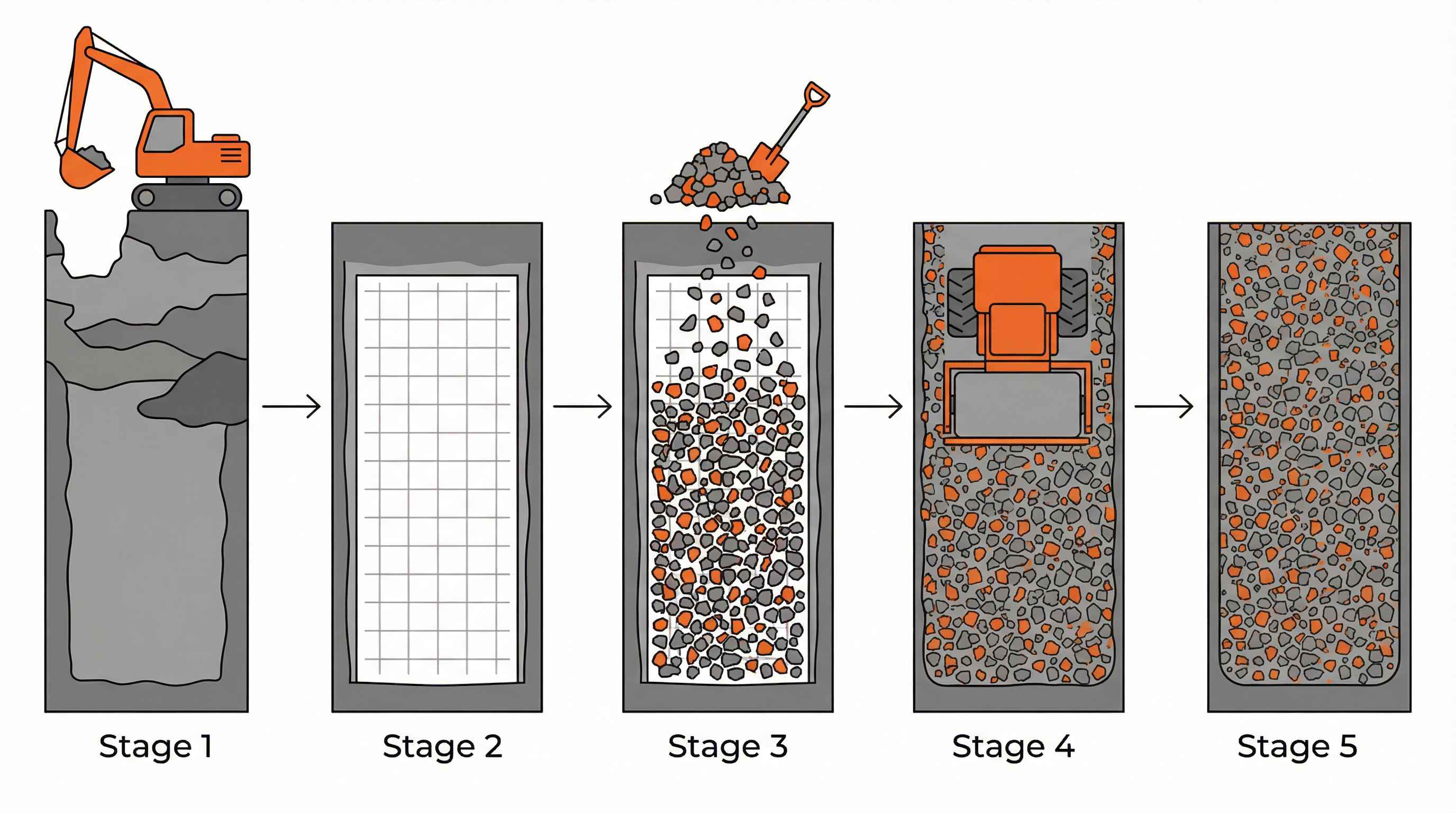
The key to a long-lasting QP driveway lies in proper preparation and compaction. Start by removing any organic material, old loose gravel, or soft spots down to firm subgrade. You want a solid foundation that won’t shift or settle over time.
If your soil is particularly soft or you expect heavy vehicle traffic, consider adding a 4-6 inch base layer of larger crushed stone first. This creates a stable platform for your QP surface and improves long-term performance.
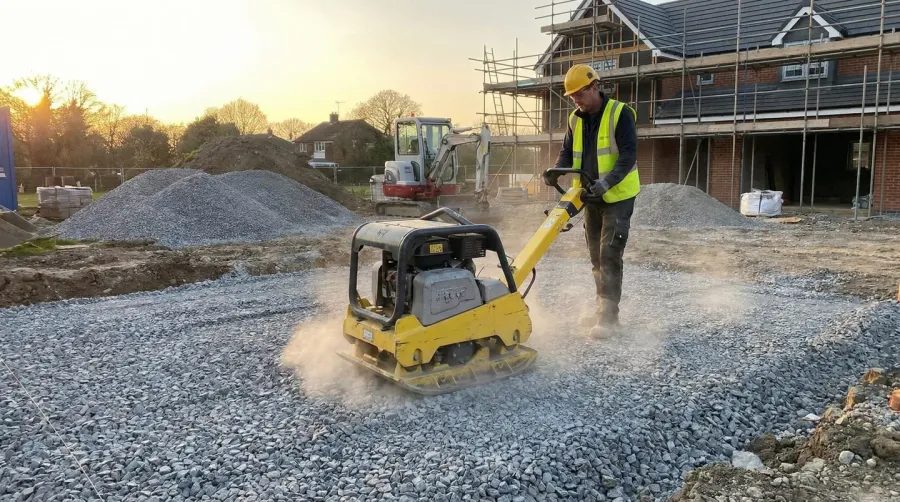
When spreading the quarry process, work in thin lifts of 2-3 inches rather than dumping the full depth at once. Lightly dampen the material if it’s very dry, then compact thoroughly with a plate compactor or roller. The surface should feel solid underfoot when properly compacted.
Finish with a slight crown across the driveway width to shed water toward the edges. Take time to create smooth transitions where your driveway meets the road or garage floor. These details make a big difference in both appearance and long-term performance.
Important: Proper compaction is crucial for success. Under-compacted QP will develop ruts and soft spots within the first season of use.
Keeping your quarry process driveway in great shape
One of the best things about QP driveways is how simple maintenance becomes once you understand the basics. Plan on raking and regrading the surface once or twice per year, typically in spring after winter damage and fall before snow season.
Watch for early signs that maintenance is needed like small ruts forming, standing water after rain, or loose stones appearing on the surface. Addressing these issues quickly prevents bigger problems from developing. Keep a small stockpile of extra QP on hand for spot repairs and annual touch-ups.
Every 3-5 years, you’ll likely want to add a thin layer of fresh material and regrade the entire surface. This refreshes the binding action and maintains that smooth, stable feel. Unlike asphalt or concrete repairs, this maintenance is something most homeowners can handle themselves with basic tools.
The beauty of quarry process is that it ages gracefully. While other driveway materials show their age through cracks, fading, or surface deterioration, a well-maintained QP driveway can look nearly new for decades. The natural stone colors blend with most landscapes, and the slightly rustic appearance actually improves the overall aesthetic of many properties.
With proper installation and basic maintenance, your quarry process driveway will provide reliable service for 20+ years while maintaining its attractive appearance and excellent functionality. The combination of durability, affordability, and ease of maintenance makes QP an outstanding choice for homeowners who want a practical solution that doesn’t break the budget. If you’re considering other applications for quarry process beyond driveways, you might also explore using it as a retaining wall base or for parking areas.
Frequently Asked Questions About Quarry Process Driveways
What is quarry process gravel and how is it different from regular gravel?
Quarry process (also called QP, crusher run, or processed gravel) is a blend of crushed stone up to 3/4 inch mixed with stone dust that acts as a binding agent. Unlike regular loose gravel that shifts and migrates, the stone dust in QP fills voids between larger stones and creates a concrete-like bond when compacted with water. This makes it much more stable and durable for driveways than uniform-sized gravels like pea stone or river rock.
How thick should a quarry process driveway be?
Most residential quarry process driveways should be 4-6 inches thick when properly compacted. For areas with heavy vehicle traffic or poor soil conditions, you may need 6-8 inches total depth. If you have soft or clay soil, consider adding a 4-6 inch base layer of larger crushed stone before installing the QP surface. Always compact the material in thin 2-3 inch lifts rather than dumping the full depth at once.
Does quarry process get muddy or wash out?
When properly installed and maintained, quarry process driveways resist becoming muddy because the compacted stone dust creates a stable surface that sheds water rather than absorbing it. However, QP can wash out on steep slopes without proper drainage or if the surface isn’t maintained with adequate crown and side drainage. The key is ensuring your driveway slopes away from buildings at about 2% grade and has good edge drainage to handle runoff.
How much does a quarry process driveway cost compared to other materials?
Quarry process is one of the most budget-friendly driveway options, typically costing $1-3 per square foot for materials compared to $3-7 for asphalt and $6-12 for concrete. For a typical 20×50 foot driveway, this represents savings of thousands of dollars while still providing 20+ years of service. The main cost factors include driveway size, material depth, local stone prices, delivery distance, and whether you install it yourself or hire a contractor.