
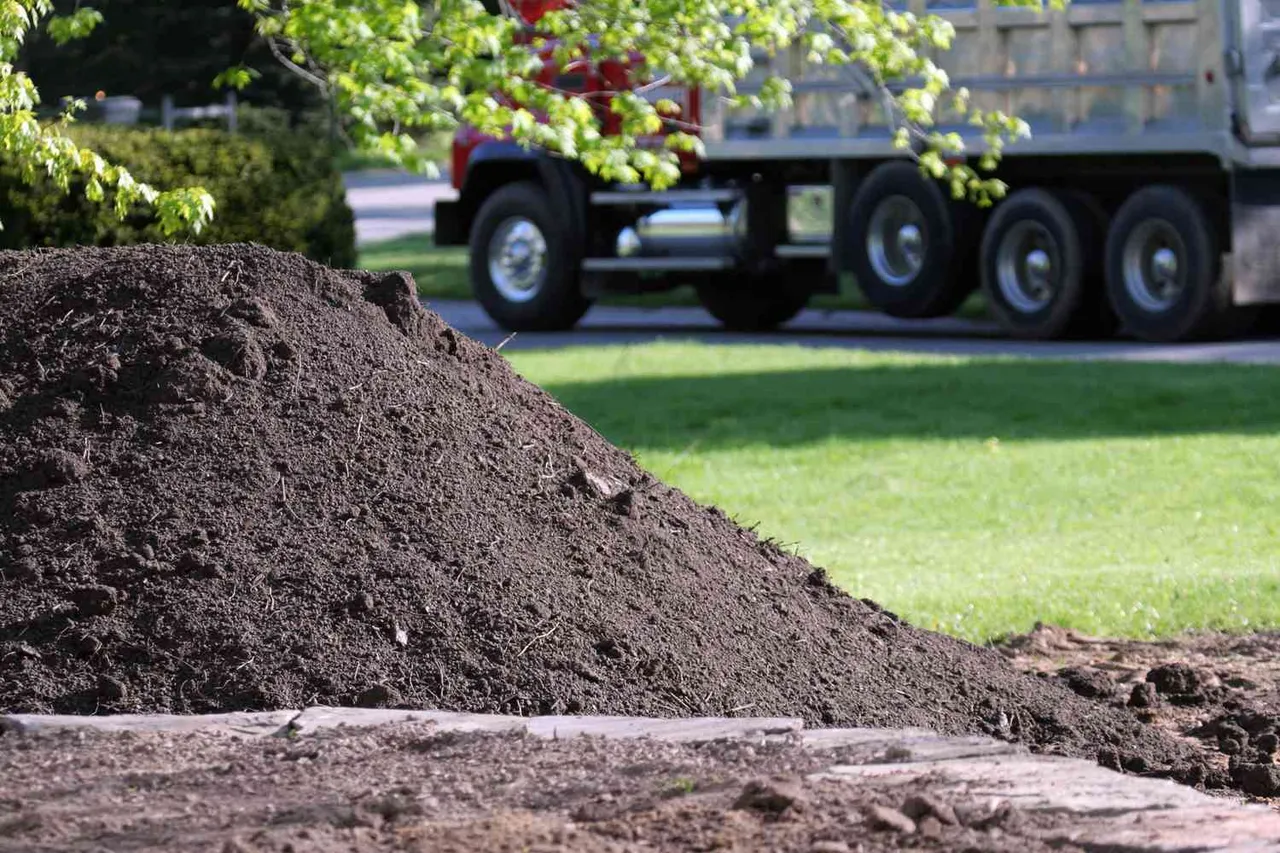
Fill-dirt in State College, PA
Need fill-dirt delivered in State College? Order bulk fill-dirt near you with same-day delivery. Compare prices on premium fill-dirt for your construction or landscaping project.
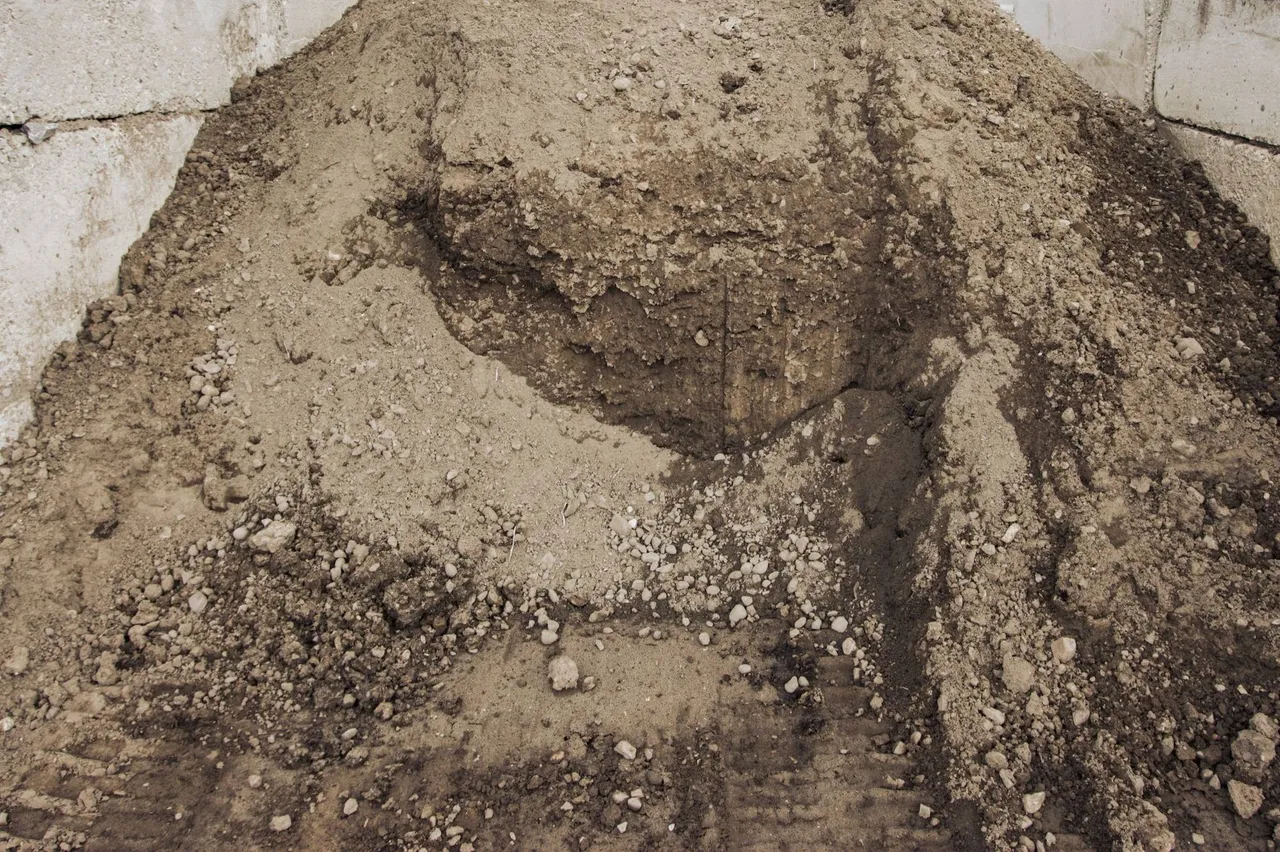
Fill Dirt
Clean, screened fill dirt for grading, leveling, and backfilling projects. Essential for raising elevation, filling holes, and preparing sites for construction.
What's your delivery ZIP code?
Related Materials Available in State College, PA
Fill-Dirt Built For Local Rainfall • Fast Local Fill-Dirt Delivery Options
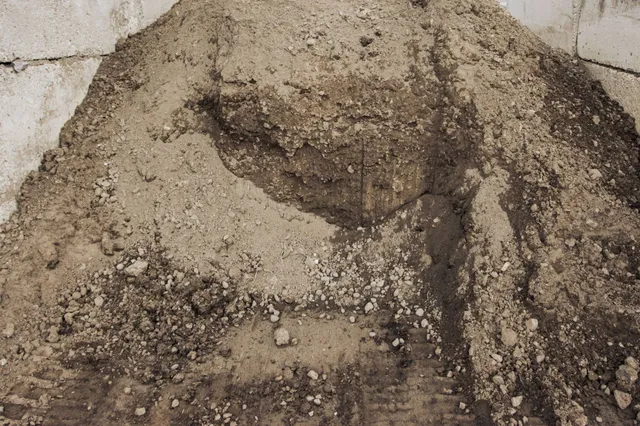
Fill Dirt
Clean, screened fill dirt for grading, leveling, and backfilling projects. Essential for raising elevation, filling holes, and preparing sites for construction.
Starts at: $16.00
Material handoff
Want help with fill-dirt delivery in State College?
Share your ZIP and what you need help with. We'll use this material and city page as context when we follow up.
- 1 This page gives us the fill-dirt and State College context.
- 2 Ask about pricing, delivery timing, material choice, or quantity.
- 3 The material is preselected, but you can change it if the project shifted.
How It Works
How Hello Gravel Works?
Simple, fast, and reliable fill-dirt delivery in State College
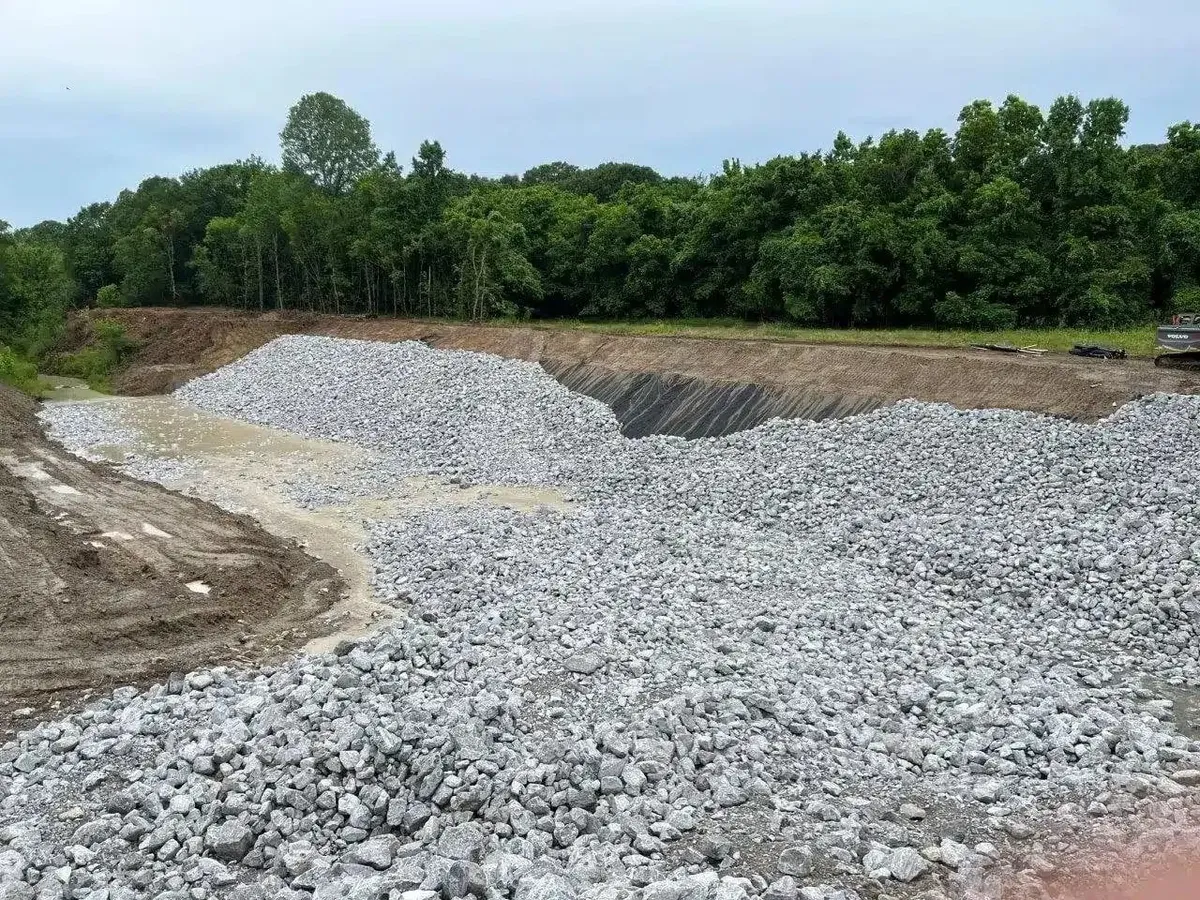
Find Your Material
Browse our products or take our quiz to find the right material for your project.
Calculate Amount Needed
Use our calculator to determine quantity. Calculator found on any product page.
Schedule Delivery
Choose your preferred date and time frame. Place your order online. We will call to confirm within 24 hours.
Materials Delivered
We source materials locally through our trusted supplier network and deliver straight to your home or job site in State College.
Why State College Chooses Hello Gravel
Trusted by homeowners and contractors throughout State College
Reliable Local Delivery
On-time delivery from vetted local suppliers you can trust.
High Quality Standards
Materials are quality checked to ensure 100% satisfaction.
Local Support Team
We will be with you through delivery. Call us any time if you need to make any changes to your order.
Quick Turnaround
Next-day delivery available if ordered before noon CST. Most orders delivered within 2-4 business days.
Local Insights
What to know about Fill-dirt in State College
Why State College homeowners choose Hello Gravel
State College homeowners should know the city population is 38,027 and that growth in the region is supported by a wider metro area population of 2.6+ million. With a growth rate of 1.80% annually and a moderate climate—228 sunny days per year, 34.32 inches of annual rainfall, and hardiness zone 8b—local projects must plan for both wet seasons and seasonal freezes. That steady development drives demand for grading, foundation work, and landscape regrading where reliable fill-dirt is essential. Homeowners want clean, compactable material to raise low spots, backfill around foundations, repair settling lawns, and prepare building pads; clear quantities and dependable delivery keep projects on budget and on schedule.
Popular projects in State College this season
- Lawn grade fill-dirt - 12 tons
- Driveway subbase fill-dirt - 40 tons
- Retaining wall backfill fill-dirt - 30 tons
- Septic mound fill-dirt - 80 tons
- Foundation backfill fill-dirt - 60 tons
State College quick facts
- Location
- West Pennsylvania
- Population
- 38,027
- Metro Area
- 2.6+ million
- Annual Rainfall
- 34.32 inches
- Sunny Days
- 228/year
- Hardiness Zone
- 8b
- Growth Rate
- 1.80% annually
- Delivery Coverage
- Citywide delivery available
Best times for State College projects
- Stable Fall Moisture
- High Spring Moisture
- Warm Dry Conditions
- Frozen Ground Limits
Material Calculator for State College Projects
Calibrated for desert landscaping and State College property sizes
Get started by entering your details below!
Quantity Recommendations
Orders Under 5 Tons - Add 20% extra to your estimated gravel needs.
5+ Ton Orders - Add around 10% to ensure enough additional material on hand.
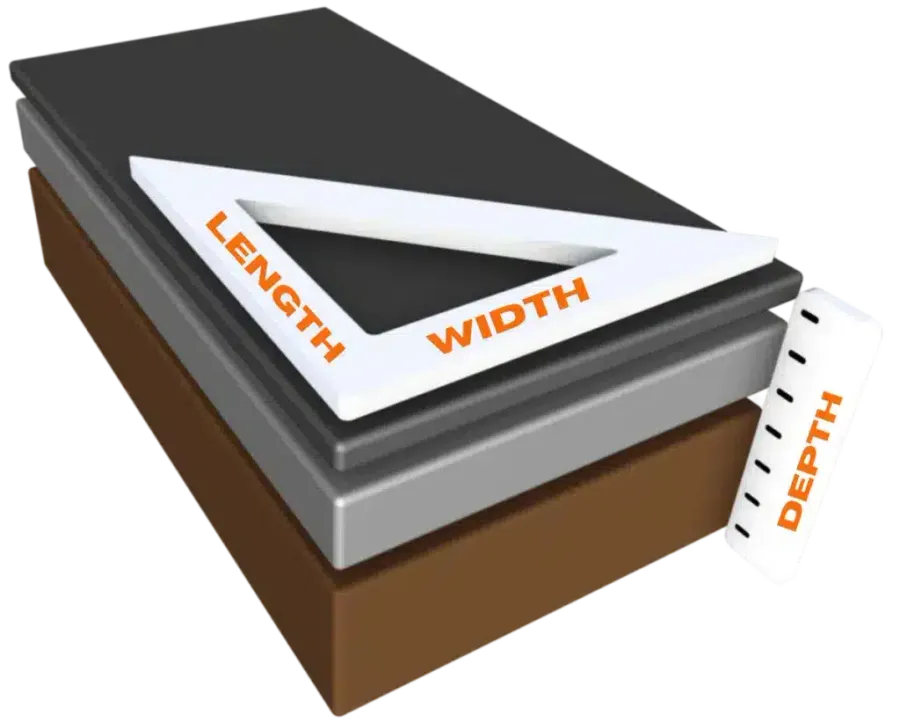
Want to ensure you order the right amount?
Get a callback from our specialist during business hours. Enter your details below!
Looking for Fill-dirt in State College?
Hello Gravel provides fill-dirt for sale in bulk. Fill-dirt delivery included.
Frequently Asked Questions - State College Fill-dirt Delivery
Everything you need to know about fill-dirt delivery in State College.
What does 'fill-dirt' mean in State College and when should I use it?
Fill-dirt is native or quarried soil mixed with fines and small rock used to raise grade or fill depressions. In State College it is commonly used to build up yard grade, behind retaining walls, or to bring site elevations to match foundations before landscaping. It is not usually used as a final driveway surface because it compacts poorly and can retain moisture; contractors often cap it with crushed stone for load-bearing areas.
What are typical delivered price ranges for fill-dirt in State College, PA?
Delivered fill-dirt in the State College area typically ranges from about $12 to $25 per ton, depending on moisture content, truck access, and distance from source. That works out to roughly $15 to $35 per cubic yard using common local conversion factors, but prices can vary by supplier and season. Check your zip code in our checkout for transparent, delivery-inclusive pricing.
How many tons or cubic yards of fill-dirt will I need and how do I convert between them?
A good rule of thumb for local fill-dirt mixes in State College is 1 cubic yard equals about 1.2 tons when loose; compacted weight will be higher. Depending on moisture and clay content, expect a range of about 1.1 to 1.4 tons per cubic yard. Use our material calculator for a project-specific estimate and round up for settlement and compaction loss.
What minimum order and delivery radius should I expect from local suppliers serving State College?
Hello Gravel requires a minimum order of 3 tons, and many local suppliers in Centre County work with minimums in that same ballpark (roughly 3 to 5 tons or 1 to 2 cubic yards). Typical delivery radii for quarries and pits serving State College are 20 to 50 miles, though exact ranges depend on the supplier and trucking availability. Use our online order flow to see the suppliers and minimums available for your zip code.
How does State College's freeze-thaw cycle and local clay soils affect fill-dirt performance?
State College's freeze-thaw winters and areas with active clay soils can increase frost heave and differential settlement in untreated fill-dirt. Fine, clay-rich fill holds water and expands when frozen, so you may see more movement after winter if the fill isn't properly compacted and drained. For exterior grades, good drainage and capping with well-draining material (crushed stone) reduce freeze-thaw problems.
What compaction levels and equipment do contractors in State College recommend for residential fill-dirt work?
For residential non-structural fills, contractors commonly target 90 to 95 percent of Standard Proctor density, while structural areas under slabs or driveways typically require 95 percent or higher. Contractors in the area use plate compactors or walk-behind rollers for small fills and vibratory smooth drum rollers for larger loads and deeper lifts. Layering the fill in 6-8 inch loose lifts and compacting each lift is standard practice here.
Are there local permits or regulations in Centre County or State College for bringing in fill-dirt or raising grade?
Yes—permits and rules depend on the municipality and the scale of work. Small yard grade changes rarely need a permit, but larger grading that alters stormwater flow, affects a wetland or buffer, or disturbs more than certain square footage may trigger town or county erosion and sediment control or stormwater permits. Contact your borough/township office or the Centre County Conservation District before major imports or raising grades near property lines or streams.
What are common alternatives to fill-dirt for different projects and how do they compare in cost and performance?
Common alternatives include crushed stone (good drainage and load-bearing for driveways), clean sand (useful for bedding and drainage), and topsoil (for planting and lawns). Crushed stone costs more than fill-dirt but performs better under driveways and reduces settlement, while topsoil is best for planting but not for structural fills. Choose fill-dirt when you need inexpensive bulk volume; cap it with crushed stone where strength and drainage matter.
When is the best season to deliver and install fill-dirt in State College?
Spring through early fall are the best months for delivery and installation in State College because the ground is not frozen and contractors have easier access. Winter deliveries are possible but can be complicated by frozen ground, mud, and trucking restrictions; expect potential delays and higher fees. Plan work outside heavy rain or thaw cycles to avoid smearing and poor compaction.
How long does new fill-dirt typically settle in State College and do contractors offer follow-up top-up services?
Expect most initial settlement within the first 3 to 6 months, with minor additional settlement over the first year, especially after freeze-thaw cycles and heavy rainfall. Many local contractors and suppliers offer follow-up visits or top-up services for a fee, and it is common to plan a finish grade and final cap after the main settlement period. If you order through Hello Gravel, ask in Order Notes about follow-up delivery options or check with your contractor for maintenance plans.
Are there popular mixes or gradations of fill-dirt recommended by State College contractors for drainage and load-bearing?
Contractors in the State College area often use plain fill-dirt for bulk raising, but for areas needing drainage and load-bearing they recommend capping with 2A modified or a similar crushed stone base. A typical approach is fill-dirt for mass fill, plus a 4-8 inch compacted layer of 2A modified (crushed stone with fines) under driveways or slab-bearing areas to improve drainage and reduce settlement. Specify drainage needs up front so suppliers can recommend the right combination.
Delivery Coverage by ZIP Code
Browse the list to confirm delivery availability
We Also Deliver To Nearby Cities
Need help with fill-dirt delivery in State College?
Share your project details and we will use this material page as context when we follow up.
Get help with my project