
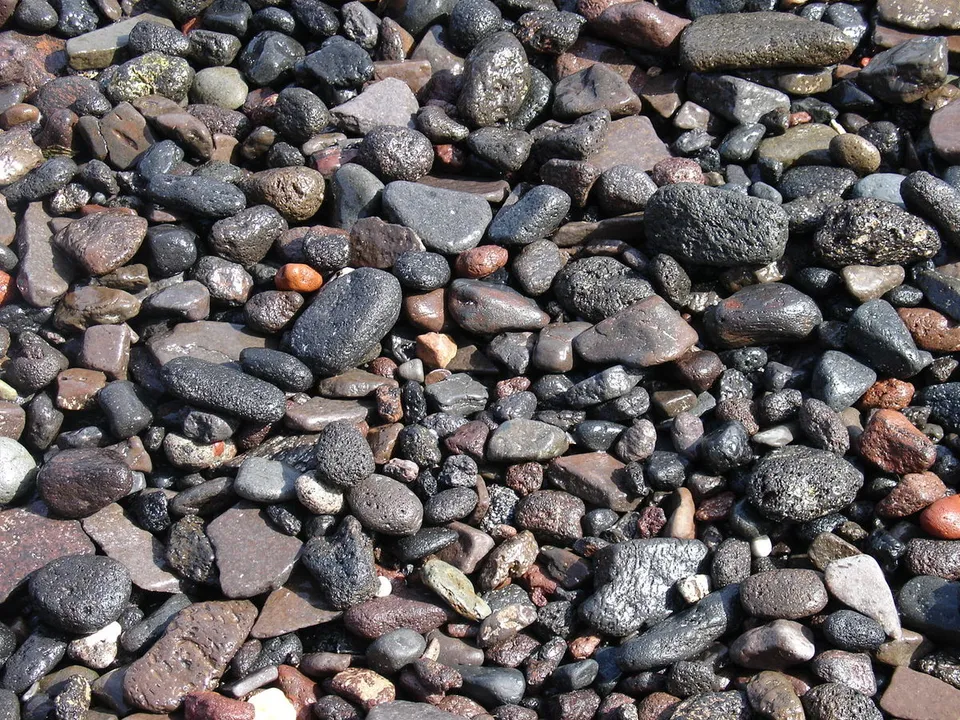
Gravel in Water Catchment Area, FL
Need gravel delivered in Water Catchment Area? Order bulk gravel near you with same-day delivery. Compare prices on premium gravel for your construction or landscaping project.
#57 Crushed Stone
A versatile 3/4-inch angular crushed stone ideal for driveways, drainage, and structural backfill. One of the most popular aggregate sizes for residential and commercial projects.
What's your delivery ZIP code?
Related Materials Available in Water Catchment Area, FL
Gravel: Drainage For 228 Sunny Days • Fast Gravel Delivery Across Water Catchment Area
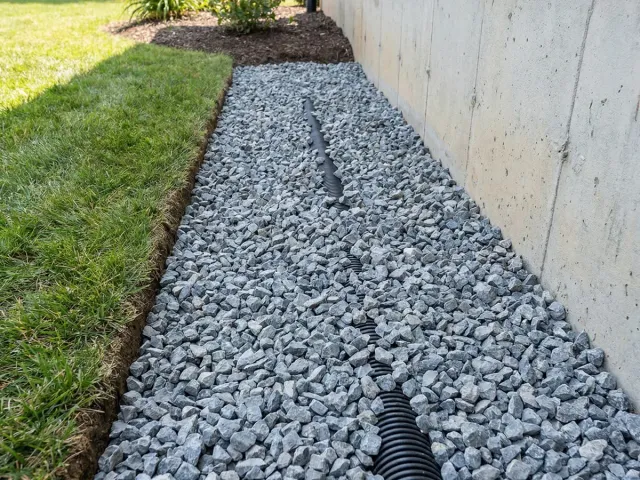
#57 Crushed Stone
A versatile 3/4-inch angular crushed stone ideal for driveways, drainage, and structural backfill. One of the most popular aggregate sizes for residential and commercial projects.
Starts at: $16.00
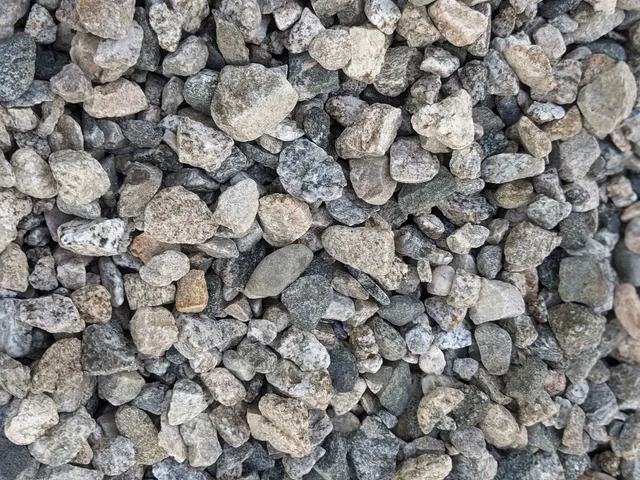
1 1/2" Crushed Gravel
Large angular crushed gravel perfect for heavy-duty applications. Excellent compaction and stability for road bases and large-scale drainage projects.
Starts at: $16.00
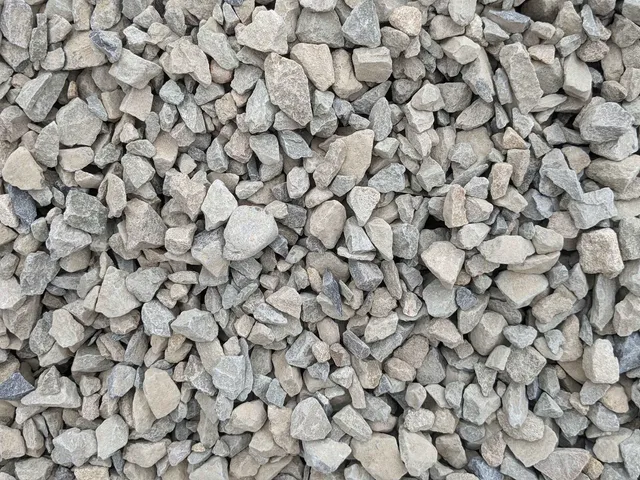
3/4" Crushed Stone
Clean, angular 3/4-inch stone that compacts well and provides excellent drainage. A go-to aggregate for driveways, pathways, and construction applications.
Starts at: $16.00
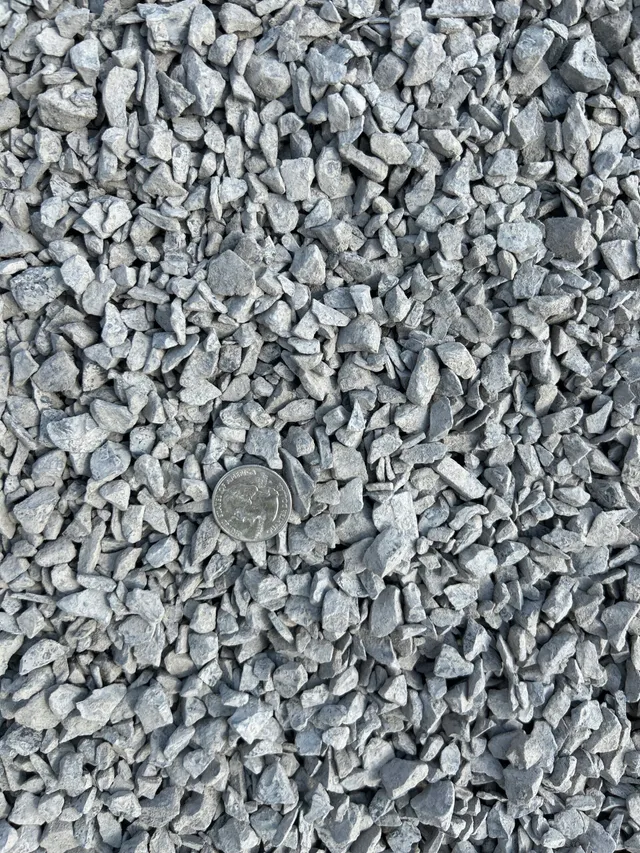
3/8" Crushed Stone
Fine angular crushed stone that works perfectly as a top-dressing for driveways and walkways. Packs tightly for a smooth, stable surface.
Starts at: $16.00
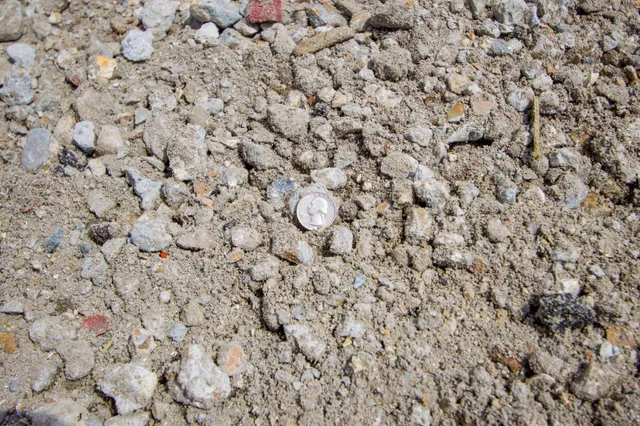
Crushed Concrete
Recycled crushed concrete aggregate that compacts firmly and provides excellent drainage. An economical and eco-friendly alternative to natural stone for base layers.
Starts at: $16.00
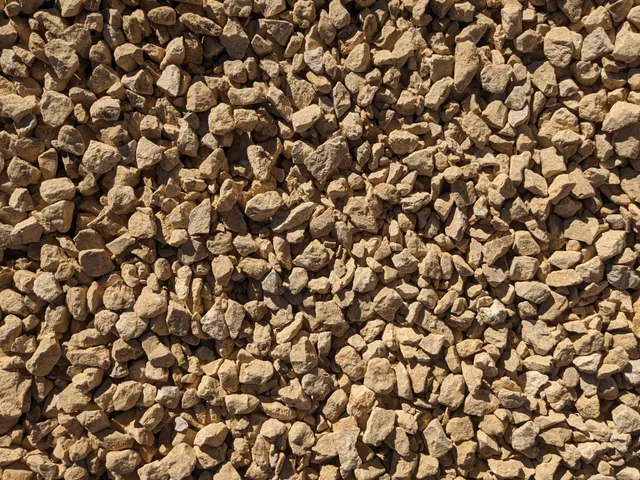
Drain Rock
Clean, washed stone specifically graded for drainage applications. Allows water to flow freely through French drains, retaining walls, and foundation drainage systems.
Starts at: $16.00
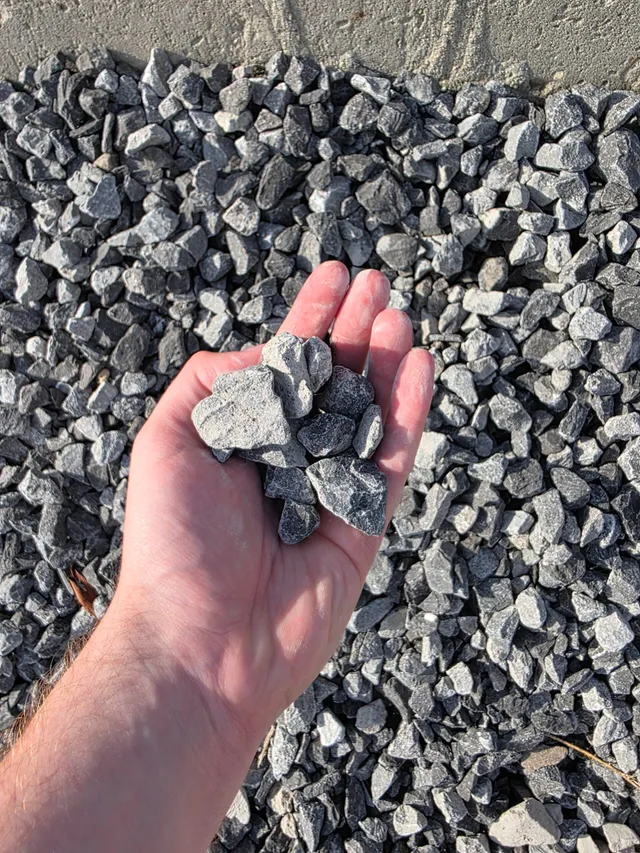
Driveway Gravel
Our most popular driveway material — a durable blend that compacts well and resists shifting. Provides a clean, professional look that lasts for years with minimal maintenance.
Starts at: $16.00
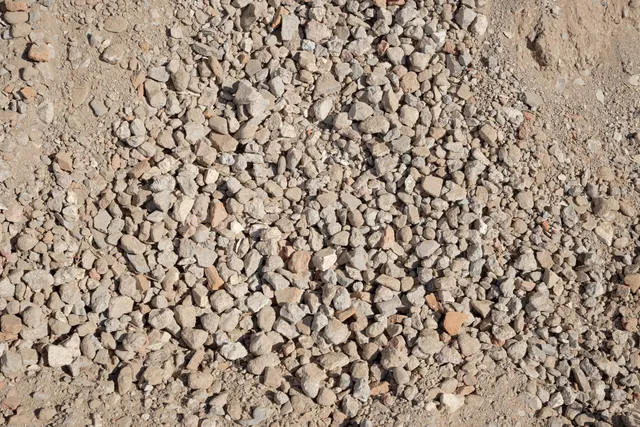
Road Base
Engineered aggregate blend that compacts to form a rock-solid foundation. The essential first layer for driveways, roads, and parking areas that need to support heavy loads.
Starts at: $16.00
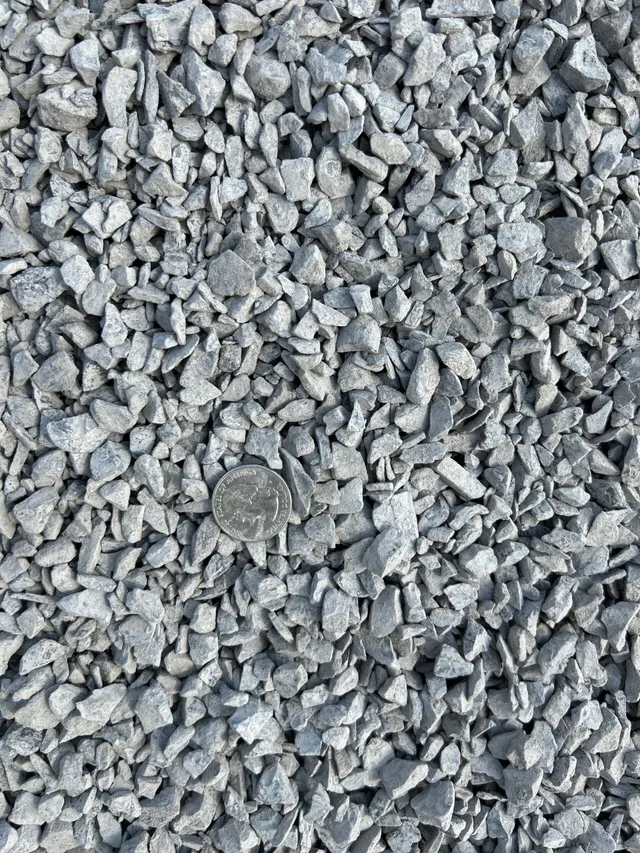
#89 Crushed Stone
Small, angular crushed stone (3/8-inch) that packs tightly for a smooth, stable surface. Excellent for pipe bedding, walkway topping, and as a fine drainage aggregate.
Starts at: $16.00
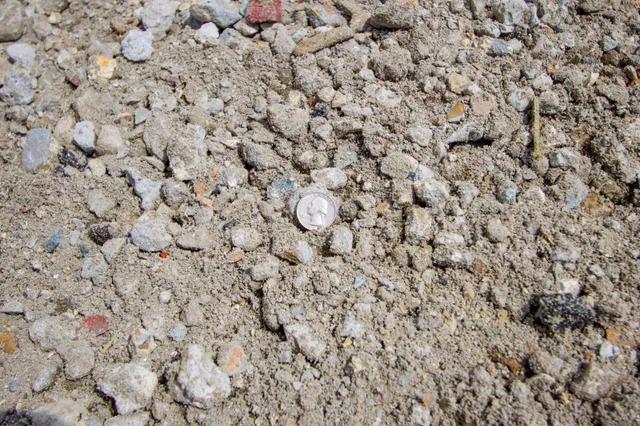
#610 Recycled Concrete
Crushed and screened recycled concrete in a #610 gradation. Compacts into a solid base layer, making it an eco-friendly and budget-friendly alternative for driveways and foundations.
Starts at: $16.00
Material handoff
Want help with gravel delivery in Water Catchment Area?
Share your ZIP and what you need help with. We'll use this material and city page as context when we follow up.
- 1 This page gives us the gravel and Water Catchment Area context.
- 2 Ask about pricing, delivery timing, material choice, or quantity.
- 3 The material is preselected, but you can change it if the project shifted.
How It Works
How Hello Gravel Works?
Simple, fast, and reliable gravel delivery in Water Catchment Area
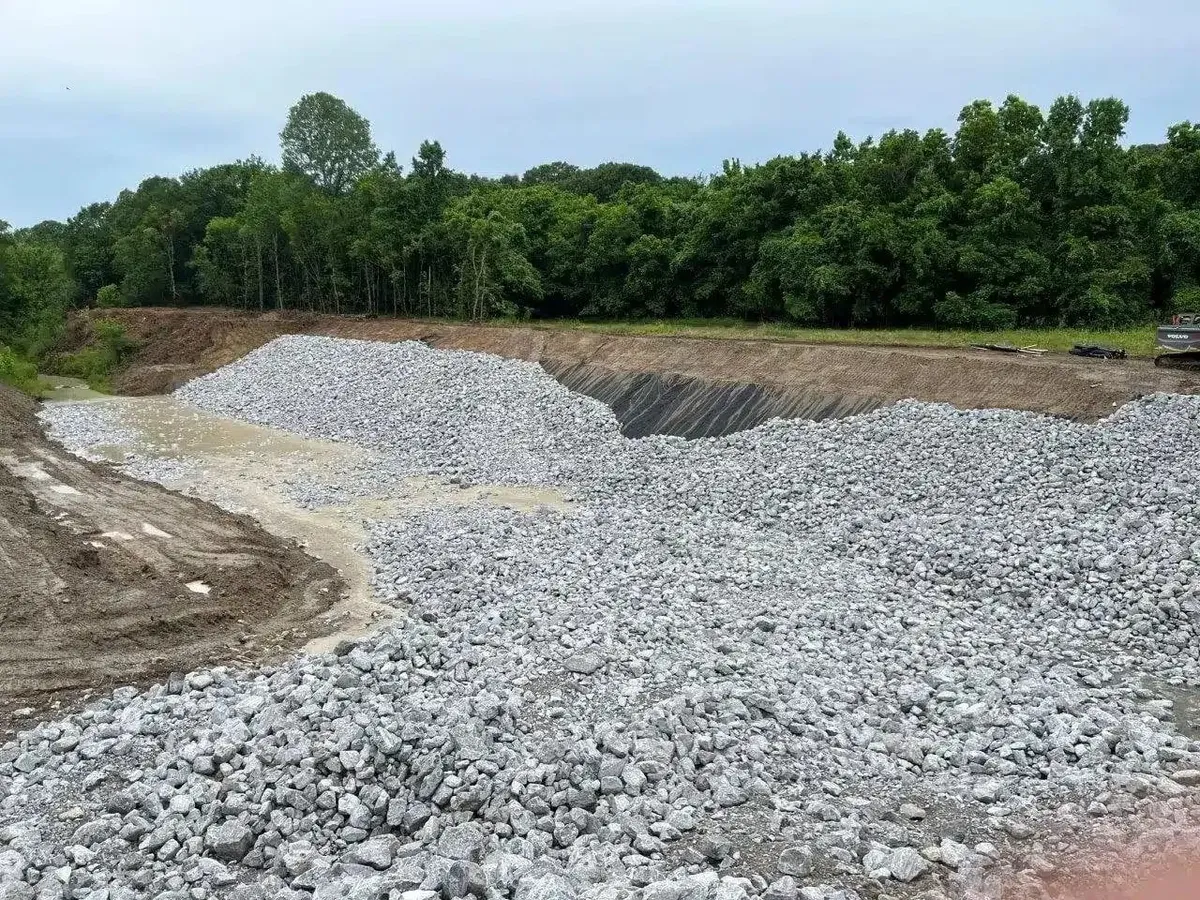
Find Your Material
Browse our products or take our quiz to find the right material for your project.
Calculate Amount Needed
Use our calculator to determine quantity. Calculator found on any product page.
Schedule Delivery
Choose your preferred date and time frame. Place your order online. We will call to confirm within 24 hours.
Materials Delivered
We source materials locally through our trusted supplier network and deliver straight to your home or job site in Water Catchment Area.
Why Water Catchment Area Chooses Hello Gravel
Trusted by homeowners and contractors throughout Water Catchment Area
Reliable Local Delivery
On-time delivery from vetted local suppliers you can trust.
High Quality Standards
Materials are quality checked to ensure 100% satisfaction.
Local Support Team
We will be with you through delivery. Call us any time if you need to make any changes to your order.
Quick Turnaround
Next-day delivery available if ordered before noon CST. Most orders delivered within 2-4 business days.
Local Insights
What to know about Gravel in Water Catchment Area
Why Water Catchment Area homeowners choose Hello Gravel
Water Catchment Area is a community with a city population of 19,000 located in a growing metro that serves a metro area population of 2.3+ million. The area is expanding at a rate of 0.69% annually, and its climate—228 sunny days each year, annual rainfall of 33.69 inches, and hardiness zone 8b—supports steady residential development and outdoor projects year-round. That combination of steady growth and favorable weather drives demand for reliable aggregates: homeowners need materials that perform through sun, periodic heavy rain, and on local soils. Gravel is a go-to choice because it balances affordability, durability, and low maintenance for driveways, paths, drainage features, and basic landscape hardscaping in this environment.
Popular projects in Water Catchment Area this season
- gravel driveway repair - 12 tons
- gravel French drain - 6 tons
- gravel rain garden base - 4 tons
- gravel parking pad - 18 tons
- gravel garden pathway - 3 tons
Water Catchment Area quick facts
- Location
- Florida Region
- Population
- 19,000
- Metro Area
- 2.3+ million
- Annual Rainfall
- 33.69 inches
- Sunny Days
- 228/year
- Hardiness Zone
- 8b
- Growth Rate
- 0.69% annually
- Delivery Coverage
- Citywide delivery available
Best times for Water Catchment Area projects
- Stable Fall Compaction
- Spring Install Window
- Heavy Rain Risk
- Dry Cooler Months
Material Calculator for Water Catchment Area Projects
Calibrated for desert landscaping and Water Catchment Area property sizes
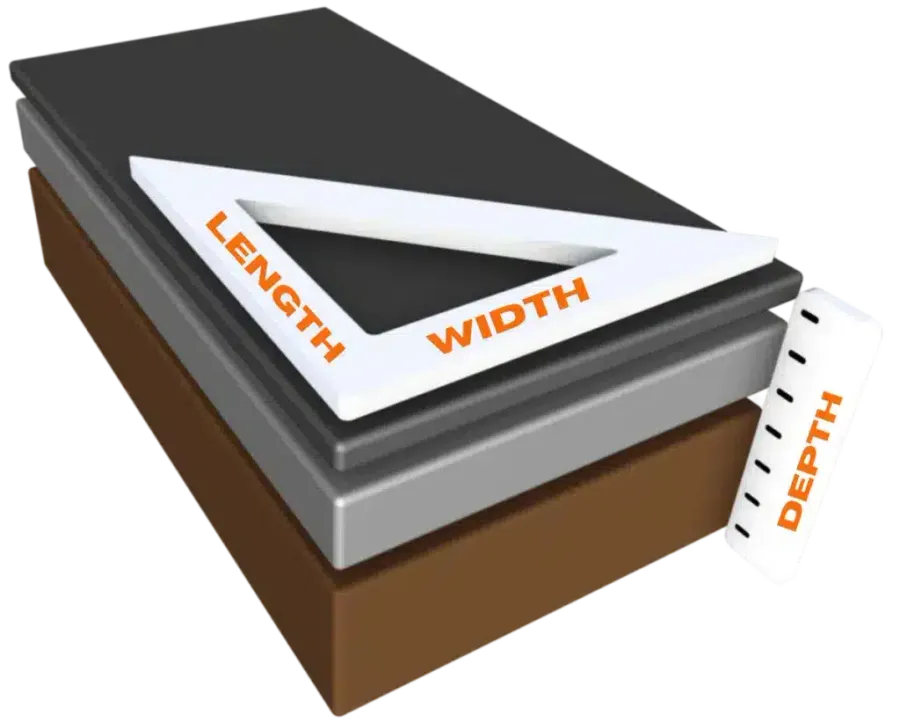
Get started by entering your details below!
Quantity Recommendations
Orders Under 5 Tons - Add 20% extra to your estimated gravel needs.
5+ Ton Orders - Add around 10% to ensure enough additional material on hand.
Want to ensure you order the right amount?
Get a callback from our specialist during business hours. Enter your details below!
Looking for Gravel in Water Catchment Area?
Hello Gravel provides gravel for sale in bulk. Gravel delivery included.
Frequently Asked Questions - Water Catchment Area Gravel Delivery
Everything you need to know about gravel delivery in Water Catchment Area.
How deep do I have to dig through gravel to reach groundwater in Water Catchment Area?
Depth to groundwater in the Water Catchment Area varies, but much of Florida has a relatively shallow water table often within a few feet to a few dozen feet of the surface. Gravel layers are very permeable, so if your yard has gravel or a gravel bed you may encounter flowing or standing water sooner than in compacted clay. For a reliable depth estimate for your lot, check local well logs or contact the county water management office before digging.
Is gravel a good aquifer or does gravel hold water?
Gravel itself does not 'hold' water like a sponge, but the spaces between gravel pieces (pore space) store and transmit groundwater very well. That high permeability makes gravel a productive local aquifer material and excellent for recharge and drainage applications. If you are planning a well, gravel layers can make drilling easier and improve yield, but site-specific hydrogeology matters.
How does gravel affect the local water table in the Water Catchment Area?
Because gravel allows rapid infiltration, adding or exposing gravel on your property can speed local recharge and let surface water percolate down faster. That can raise the local water table nearby during wet periods but won't instantly restore deep aquifers. Long-term changes depend on overall rainfall patterns, nearby impermeable areas, and regional groundwater flow.
Will water flow through the type of gravel I can order from Hello Gravel?
Yes—clean, washed gravel sold for drainage will allow water to flow through it quickly. The flow rate depends on gravel size and how much fine material (silt or sand) is mixed in; 'clean' angular crushed stone or pea gravel is best for fast drainage. If you need maximum permeability, choose larger, washed rock and avoid gravel with lots of fines.
Can I use gravel to build a water catchment, recharge trench, or dry well in Water Catchment Area?
Yes, gravel is commonly used as the infiltration medium in recharge trenches, dry wells, and French drains because it promotes rapid percolation. However, many projects require permits and proper design to avoid contamination or drainage problems—check local county rules and consider a licensed contractor for installation. Hello Gravel can help supply the right material once you have a design or dimensions.
Does rain help refill aquifers faster if I use gravel in my landscaping?
Rainwater will infiltrate more readily where you have permeable gravel rather than impervious surfaces, so locally it can speed recharge into shallow aquifers. That said, refill rates for deeper aquifers depend on overall rainfall, the thickness of porous layers beneath, and regional groundwater flow—so gravel helps, but it does not instantly refill large aquifers. Use rain capture and infiltration features with appropriate filters to avoid sending surface pollutants into groundwater.
What type of soil combined with gravel will not hold water well?
Sandy soils combined with gravel drain very quickly and will not retain much water near the surface, making them poor for water storage but excellent for drainage. Conversely, clay soils hold water tightly and can prevent percolation even if you add gravel on top, so site preparation (like removing restrictive clay layers or installing a deeper gravel bed) may be needed. Always test a spot for percolation before designing a recharge system.
Can I detect underground water with my phone or by testing gravel on my property?
No, smartphones cannot detect groundwater. Simple tests with gravel (digging or observing dampness) can give informal clues, but for accurate information use local well records, county groundwater maps, or hire a geotechnical driller or hydrogeologist. Licensed well drillers or the local water management district can provide reliable depth and yield data for your area.
Is it legal to drill a well through gravel in the Water Catchment Area without permits?
In Florida, drilling a potable well usually requires permits or must be done by a licensed well driller; rules vary by county and Water Management District. Because gravel can be part of a productive aquifer, authorities often regulate well construction to protect water quality and quantity. Check with your county and the South Florida or Suwannee River Water Management Districts (as applicable) before drilling.
How long will aquifers refill if I build gravel recharge features on my property?
Local recharge from a gravel trench or dry well can occur within days to months after heavy rains, but refilling a regional aquifer can take months to many years depending on aquifer size and rainfall. Gravel improves the speed of local infiltration, but long-term aquifer recovery is driven by regional hydrology and seasonal rainfall patterns. Design recharge features with realistic expectations and, if needed, consult a groundwater professional for timeline estimates.
Should I avoid using gravel near the coast in Water Catchment Area because of sea level rise and flooding?
Gravel can improve drainage in coastal yards, but low-lying coastal areas in Florida are vulnerable to sea level rise, storm surge, and saltwater intrusion. Using gravel for drainage is fine for short-term runoff control, but when designing systems near the coast, consider elevation, floodplain maps, and the risk of saltwater getting into recharge zones. Check FEMA flood maps and local planning guidance before installing permanent infiltration features.
How can I find out how deep the water table is on my lot before ordering gravel?
Check local well logs, county environmental or health department records, and the Florida Water Management District maps, which often show water table and aquifer info. You can also hire a licensed driller for a test bore or percolation test to measure depth and permeability. If you need help selecting materials for a specific depth or application, contact Hello Gravel with your project details.
What gravel size is best for drainage, French drains, or water capture projects in Water Catchment Area?
For most drainage and French drain applications in Florida, 3/4u0022 crushed rock or 3/8u0022 to 1/2u0022 pea gravel works well because it balances permeability and compaction. Larger angular rock is better for high-flow or dry-well fill, while washed pea gravel is nicer for pedestrian areas where appearance matters. Specify 'clean' or 'washed' gravel to avoid fines that reduce infiltration; Hello Gravel listings typically note recommended uses and sizes.
How much gravel do I need for a recharge trench or French drain, and what are Hello Gravel ordering limits?
To calculate volume in cubic yards, multiply width (ft) x depth (ft) x length (ft) and divide by 27. For example, a 1 ft wide by 1 ft deep by 10 ft long trench needs about 0.37 cubic yards of gravel. Hello Gravel has a minimum order of 3 tons; if your project is smaller than that, consider combining orders with neighbors or ordering decorative pea gravel instead.
Delivery Coverage by ZIP Code
Browse the list to confirm delivery availability
We Also Deliver To Nearby Cities
Need help with gravel delivery in Water Catchment Area?
Share your project details and we will use this material page as context when we follow up.
Get help with my project