
Limestone Gravel Cost Per Ton Guide 2026
Guide handoff
Want help applying this guide to your project?
Share your ZIP and what you need help with. We'll use this guide as context when we follow up.
- 1 This guide gives us the context you were reading.
- 2 Ask about pricing, material choice, delivery timing, or quantity.
- 3 Keep it broad if you are still figuring out the project.
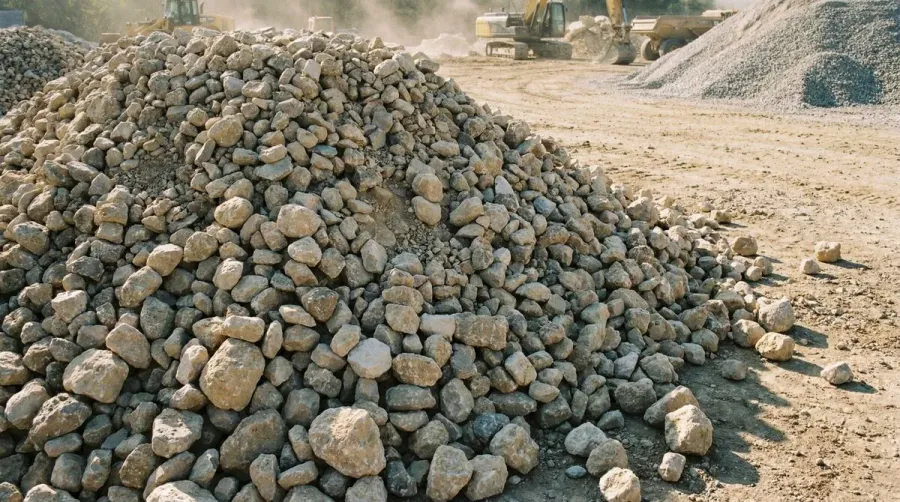
Wondering how much limestone gravel costs per ton? You can expect to pay between $30 to $100 per ton depending on size, location, and supplier. This natural sedimentary rock has become a go-to choice for driveways, walkways, and drainage projects due to its durability and attractive appearance.
Quick Answer: Most homeowners pay around $75-85 per ton for standard limestone gravel, with bulk purchases offering 15-20% savings.
Understanding limestone gravel pricing helps you budget effectively for your landscaping project. Whether you’re building a new driveway or improving drainage around your property, knowing what affects costs can save you hundreds of dollars. Let’s explore everything you need to know about limestone gravel pricing in 2026.
What is limestone gravel and why choose it
Limestone gravel forms when limestone rock gets crushed into various sizes, from small pebbles to larger stones. This sedimentary rock consists primarily of calcium carbonate, created over millions of years from compressed marine organisms like coral and shells.
You’ll find limestone gravel particularly useful because it offers excellent drainage properties. Water flows through easily, preventing puddles and flooding issues that plague other materials. The natural beige to gray coloring complements most architectural styles, making your outdoor spaces look polished and intentional.
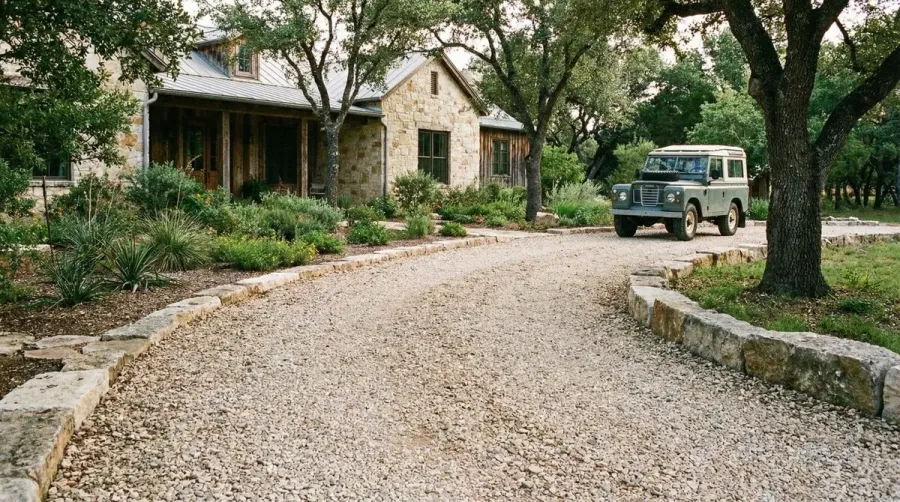
The material compacts well under pressure, creating stable surfaces for vehicles and foot traffic. Unlike some alternatives, limestone gravel doesn’t shift or scatter easily once properly installed. This stability makes it ideal for high-traffic areas where you need reliable performance year after year.
Key factors that affect limestone gravel pricing
Several elements influence how much you’ll pay for limestone gravel. Understanding these factors helps you make informed decisions and potentially reduce costs.
Size and type variations
Smaller limestone pieces typically cost less than larger stones because they require less processing. Standard sizes like 3/4-inch gravel often fall in the middle price range, while specialty sizes command premium prices. Crushed limestone costs more than natural gravel due to additional processing steps.
The specific type you choose matters too. According to industry data from hellogravel.com, #57 limestone (ranging from 1/2″ to 1″) remains the most popular choice for driveways and costs around $75-100 per ton. For a detailed breakdown of different limestone sizes and their applications, you’ll find options ranging from fine gravel to larger stones.
Location and transportation expenses
Distance from the quarry to your project site significantly impacts total costs. Transportation can add $10-30 per ton depending on distance. Local suppliers often offer better pricing because they minimize shipping expenses.
Money-Saving Tip: Sourcing limestone gravel within 50 miles of your location can reduce costs by 20-30% compared to distant suppliers.
Regional availability also plays a role. Areas near limestone deposits enjoy lower base prices, while regions requiring long-distance shipping see higher costs. Always request quotes from multiple local suppliers to find the best deal in your area.
Supply and demand dynamics
Market conditions affect limestone gravel pricing just like any commodity. Peak construction seasons (spring and summer) typically see higher prices due to increased demand. Planning your project for fall or winter might yield better pricing.
Economic factors in your region influence costs too. Areas experiencing construction booms often face higher prices and limited availability. Conversely, slower economic periods might offer opportunities for better deals and bulk discounts.
Current limestone gravel pricing breakdown
Understanding current market rates helps you budget accurately and recognize fair pricing when you see it.
| Size/Type | Price Range (Per Ton) | Best Uses |
|---|---|---|
| Small chips (1/4″) | $30-50 | Walkways, decorative |
| Standard (#57) | $75-100 | Driveways, general use |
| Large stones (2″+) | $85-120 | Drainage, landscaping |
Most suppliers offer bulk discounts starting at 10-15 tons. These discounts typically range from 10-25% off per-ton pricing. According to hellogravel.com pricing data, bulk purchases can bring costs down to $55-75 per ton for standard grades.
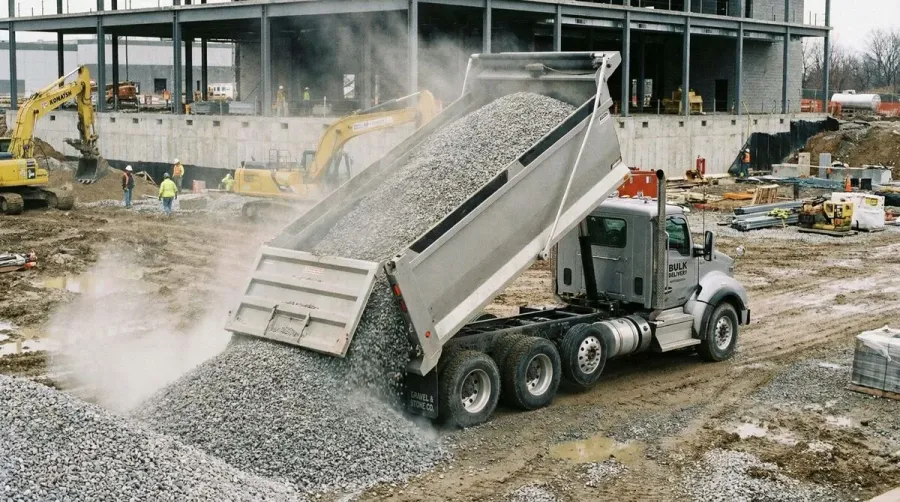
Delivery fees add $50-150 to your total, depending on distance and order size. Some suppliers waive delivery charges for orders exceeding certain minimums, typically 15-20 tons. Factor these costs into your budget calculations to avoid surprises. If you’re comparing options, understanding the cost of limestone load factors can help you make more informed purchasing decisions.
Smart strategies to reduce limestone gravel costs
You can significantly lower your limestone gravel expenses with strategic planning and smart purchasing decisions.
Planning your timing makes a real difference. Off-season purchases during late fall or winter often yield 15-20% savings compared to peak spring pricing. Suppliers appreciate steady business during slower periods and often pass savings along to customers.
Buying in bulk provides the most substantial savings opportunity. Even if you don’t need massive quantities immediately, coordinating with neighbors or splitting larger orders can unlock bulk pricing tiers. This approach works especially well for subdivision developments or community projects.
Pro Strategy: Contact local suppliers directly rather than big-box stores. Local businesses often offer better pricing, superior product knowledge, and more flexible delivery options.
Consider alternative sizes that meet your project needs. Sometimes slightly smaller or larger stones cost significantly less while providing similar functionality. For instance, #610 limestone gravel offers excellent compaction for base applications at competitive pricing. Discuss options with your supplier to find the sweet spot between performance and price.
Getting multiple quotes remains essential. Prices can vary 20-40% between suppliers for identical products. Request detailed breakdowns including delivery fees, taxes, and any additional charges to make accurate comparisons.
Making your limestone gravel investment count
Limestone gravel offers excellent value for most landscaping and construction projects. The combination of durability, drainage performance, and aesthetic appeal justifies the investment for long-term applications.
Your total project cost depends on more than just material pricing. Factor in site preparation, installation labor, and ongoing maintenance when budgeting. Proper installation ensures your limestone gravel performs well for decades, making the initial investment worthwhile. If you’re planning a comprehensive outdoor project, explore limestone gravel landscaping ideas to maximize your investment.
Remember that quality varies between suppliers. Cheaper options might contain excessive dust or inconsistent sizing that affects performance. Investing in quality limestone gravel from reputable suppliers saves money long-term through reduced maintenance and replacement needs. For specific applications like drainage systems, choosing the best limestone size for drainage ensures optimal performance.
Ready to move forward with your limestone gravel project? Start by measuring your area accurately and requesting quotes from 3-4 local suppliers. This approach ensures you get competitive pricing while supporting businesses in your community.
FAQ
How much does limestone gravel cost per ton in 2026?
Limestone gravel costs between $30 to $100 per ton, with most homeowners paying around $75-85 per ton for standard grades like #57 limestone. Smaller chips (1/4″) range from $30-50 per ton, while larger stones (2″+) cost $85-120 per ton. Bulk purchases can reduce costs by 15-20%, bringing prices down to $55-75 per ton for standard grades.
What factors affect limestone gravel pricing?
Several key factors influence limestone gravel costs: size and type (smaller pieces cost less than larger stones), location and transportation expenses (can add $10-30 per ton), supply and demand dynamics (peak construction seasons see higher prices), and quantity purchased (bulk orders offer 10-25% discounts). Distance from quarry significantly impacts total costs, with local sourcing within 50 miles reducing costs by 20-30%.
How much limestone gravel do I need and what will it cost?
One ton of limestone gravel typically covers 80-100 square feet at 4-inch depth. For a standard driveway project, you’ll need about 1.5 tons per cubic yard. Total project costs include material ($30-100 per ton), delivery fees ($50-150), and installation labor. Most suppliers offer bulk discounts starting at 10-15 tons, with delivery fees often waived for orders exceeding 15-20 tons.
When is the best time to buy limestone gravel for cost savings?
The best time to purchase limestone gravel is during off-season periods in late fall or winter, when you can save 15-20% compared to peak spring pricing. Suppliers appreciate steady business during slower periods and often pass savings to customers. Avoid peak construction seasons (spring and summer) when demand drives prices higher. Planning purchases during economic slowdowns in your region can also yield better deals and bulk discounts.